Tarangire National Park

Part 2 of 2

By the river’s edge

Watch the drama

Published 14 October 2017 Saturday magazine Nation newspaper

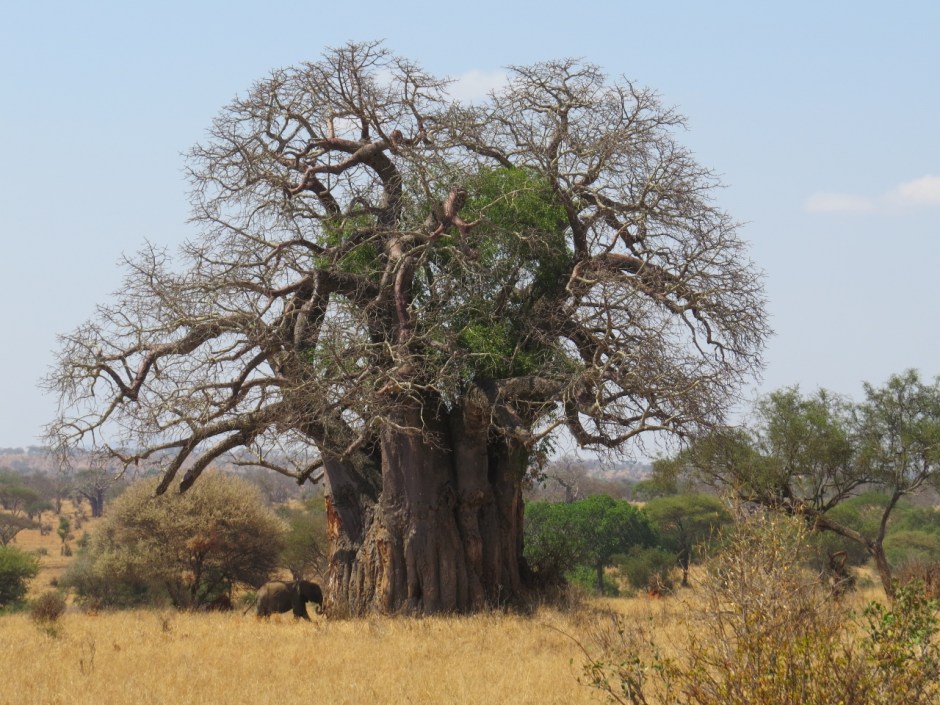
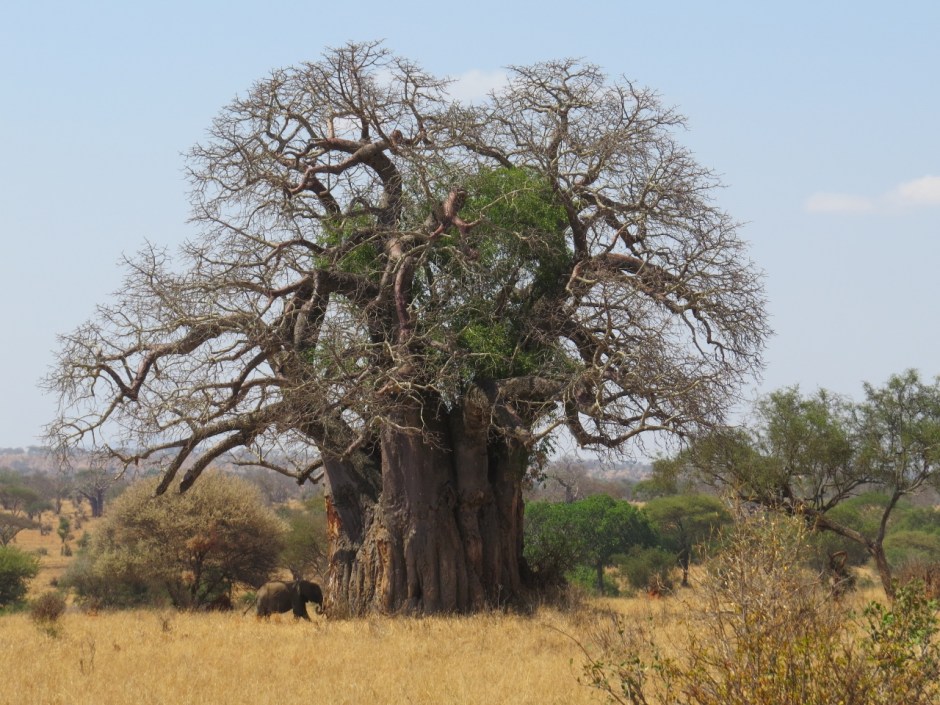
Above: Tarangire – land of the giants – centuries-old baobab tree and elephant
Copyright Rupi

It’s stark dry – August at the height of the dry season. Tall and golden, the sun-bleached grass shimmers under the blazing sun interspersed with stoic baobabs and towering termite mounds.  We drive across the dry riverbed and into Tarangire National Park from the adjoining Randilen Wildlife Management Area and watch a family of banded mongoose playing around a termite mound.
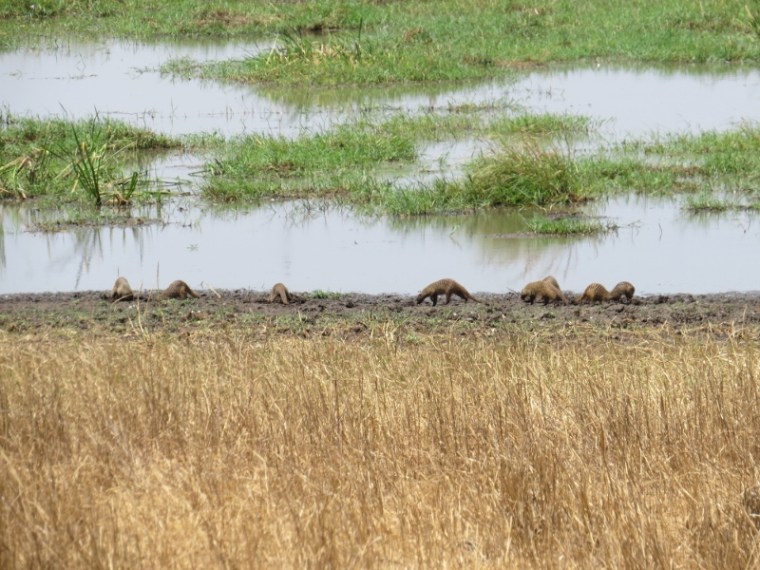
Banded mongoose dig a grub-fest by Silale Swamp Copyright Rupi Mangat
Banded mongoose dig a grub-fest at Silale Swamp Copyright Rupi Mangat

Continue reading “Tarangire National Park”

New Market for the African Elephant

Published in The East African Nation media 7-13 October 2017

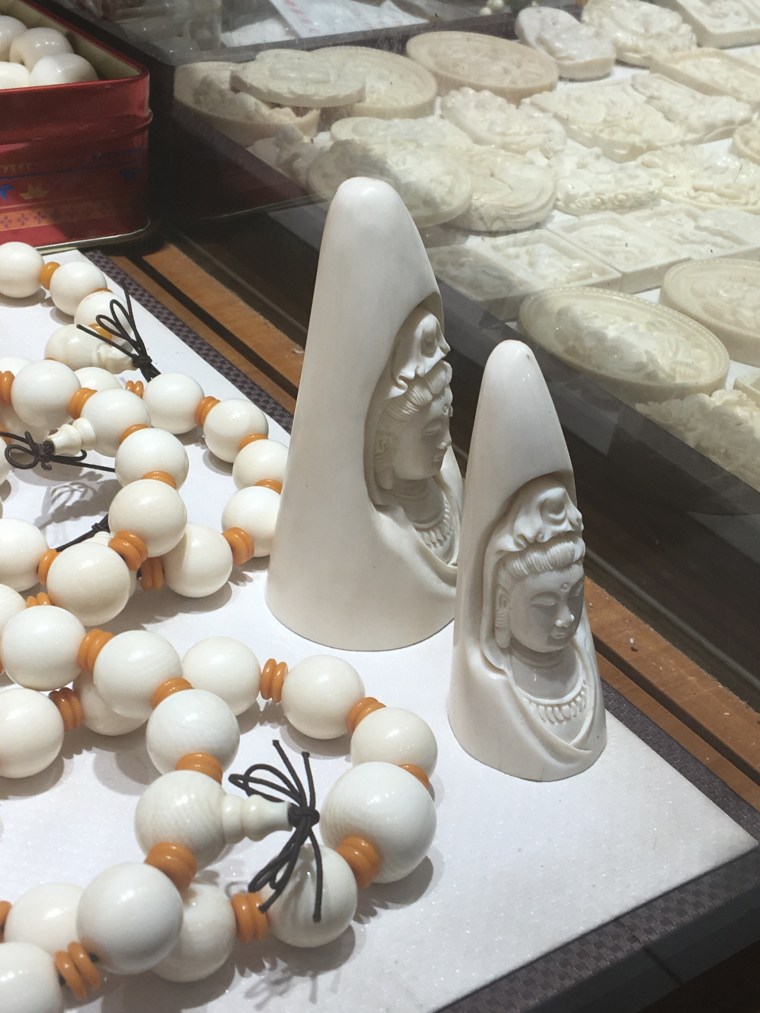
Laos in Southeast Asia, virtually unheard of in Africa is now the leading retailer in ivory, mostly sourced from recently poached elephants in Africa

Laos is now the hot-spot for rich Chinese tourists to gamble and purchase things they can’t do so easily at home – like jewellery and carvings from elephant ivory, rhino horn and consume wild animal products from endangered species – like tigers and bears.

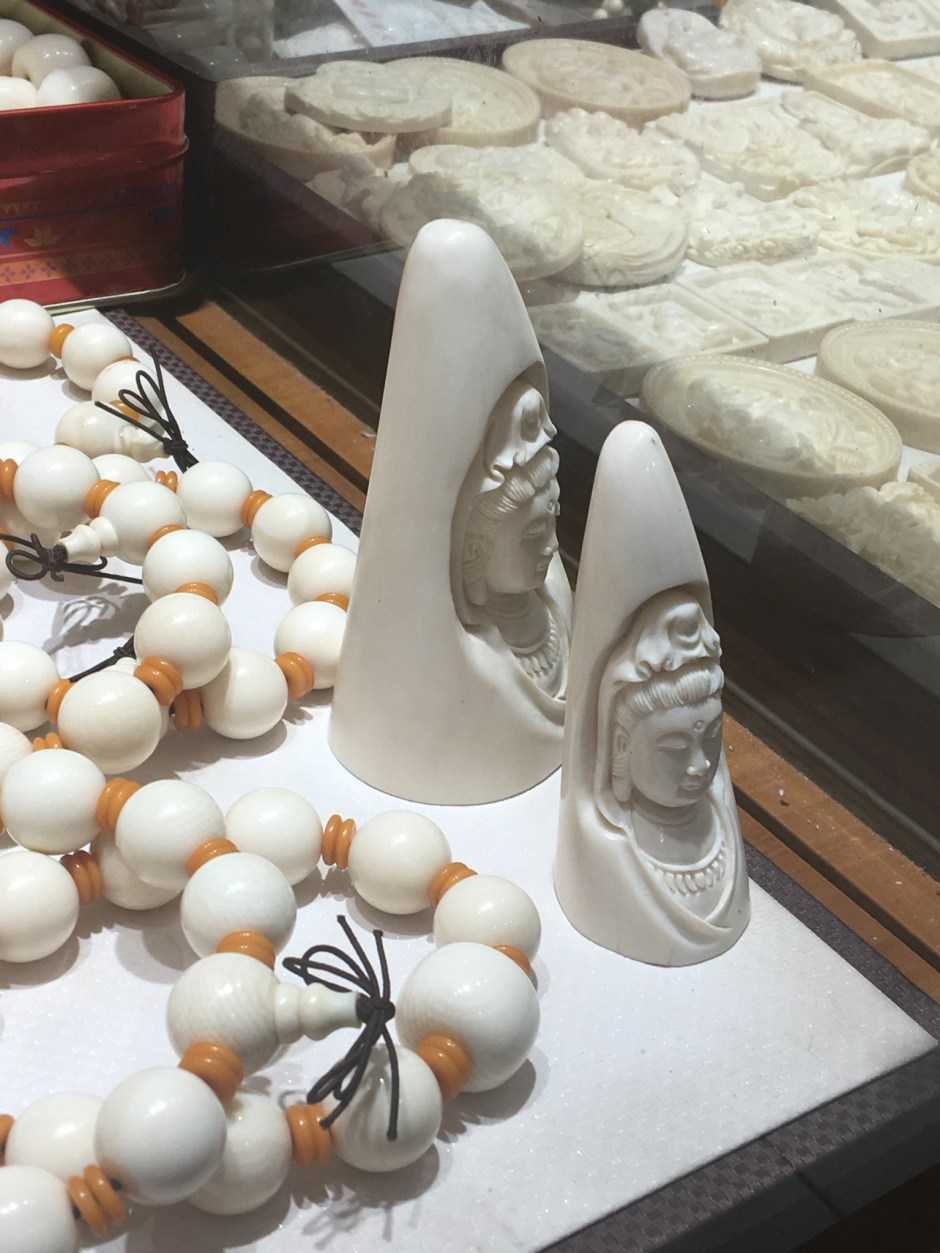
Much of the ivory smuggled by criminal syndicates from Africa is processed into Buddhist items such as rosaries and figures of Gwan Yin - the Goddess of compassion, for Chinese customers Copyright Lucy Vigne
Much of the ivory smuggled by criminal syndicates from Africa is processed into Buddhist items such as rosaries and figures of Gwan Yin – the Goddess of compassion, for Chinese customers Copyright Lucy Vigne

Continue reading “New Market for the African Elephant”

Tarangire Treetops

Amidst the baobabs

Published Saturday magazine, Nation newspaper 7 October 2017

Above: Elephant dwarfed by centuries-old baobab tree near Randilen Wildlife Management Area by Tarangire National Park, Tanzania
Picture Galib Mangat

There are few grand arrivals as memorable as this.

Stopping at the gate of Randilen Wildlife Management Area that hosts the stunning Tarangire Treetops eco-lodge, the rangers excitedly run down the rock kopje hearing our Mama Safari – the Toyota Royal Crown Saloon 1985 model.

Chatu the python in Randilen Wildlife Management Area by Tarangire National Park, Tanzania Picture Galib Mangat

Continue reading “Tarangire Treetops”

Jinja on the Nile

where the river starts

Published 30 September 2017 Saturday magazine Nation newspaper

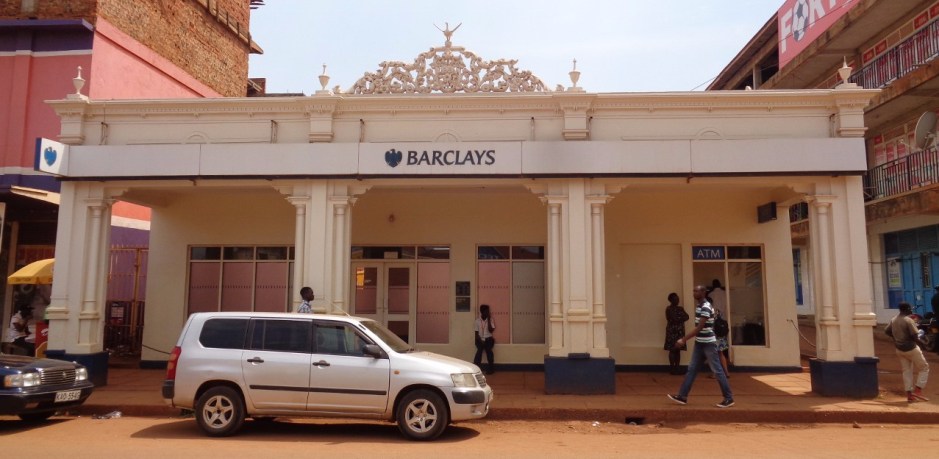
Above: Building from the early 1900s – Barclays Bank on Jinja main street
Copyright Rupi Mangat

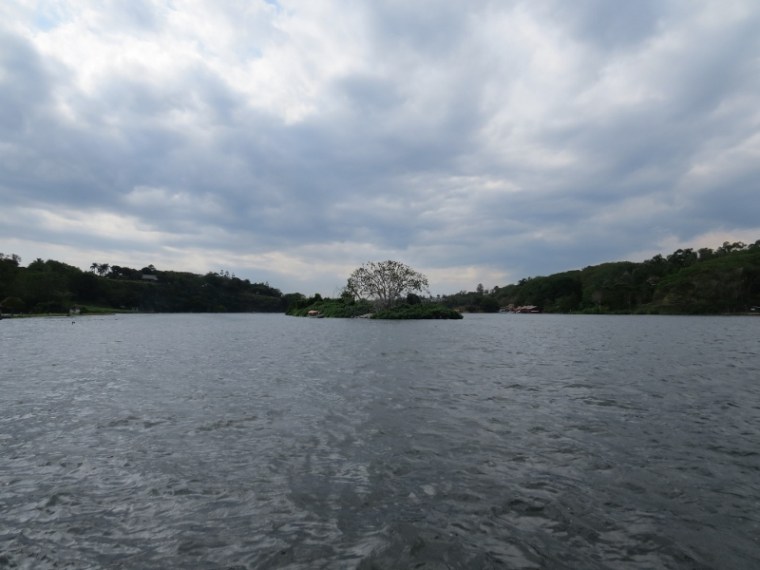
Source of the Nile at Jinja - copyright Rupi Mangat
Source of the Nile at Jinja – copyright Rupi Mangat

“Speke passed on the Buganda side and standing on a rock by the river asked ‘what is the name of this river?’,” relates Captain Masanja of Jinja Sailing Club sailing us down the Nile from the mighty Victoria at Jinja, the quaint little town on the Ugandan shores – 90 kilometes from Kampala and 236 kilometers west of Kisumu on the Kenyan shores. Continue reading “Jinja on the Nile”

United Against Wildlife Poisoning

The dire need for government to recognize the problem of poison

Published in The East African-Nation Media 16-22 September 2017

It was in 2005 while researching for her doctorate on Mackinder’s Eagle Owls around Nyeri in Kenya’s central highlands that Darcy Ogada realized there was a problem at hand – that of poisoning.

“I was watching as owls were being poisoned,” she recalls. Farmers were painting sliced-open tomatoes, with carbofuran to kill mice and mousebirds. But they were also killing the Mackinder’s Eagle Owls because the owls were eating the poisoned mousebirds. Found mostly in the highlands, the owls do not have a wide distribution.

United Against Wildlife Poisoning Campaign

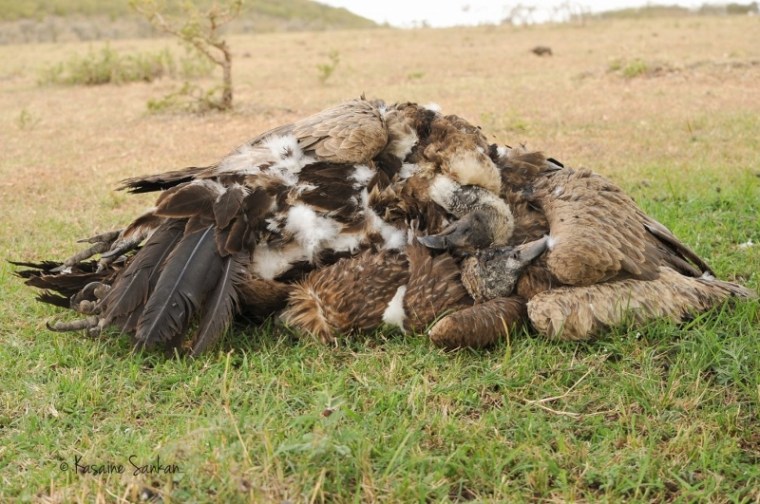
Vultures poisoned near the Masai Mara 7 July 2014. Photo E. Ole Reson

Continue reading “United Against Wildlife Poisoning”