Kenya – Africa’s giant in the birding world

It tops the charts on May 9 2026 on the Global Big Day

By Rupi Mangat        

Moonlion Safaris

On May 9, 2026 Kenya topped the charts again in Africa with the most species of birds recorded in 24 hours during the annual Global Big Day in celebration of birds. Globally, Kenya ranked seventh, becoming a giant amongst giants in the bird world with the unbeatable Colombia recording the most species numbering 1566, Peru (1438), Brazil (1,204), Ecuador (1068) and Venezuala (890). India ranked sixth with 835 species doumented.
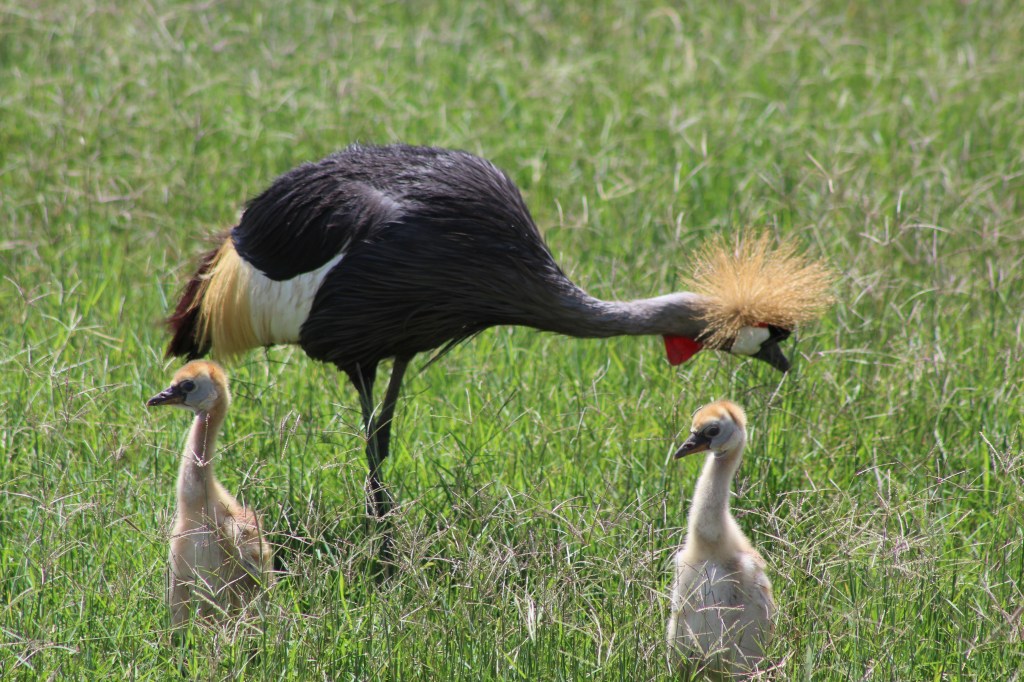
Grey crowned crane with chicks. Credit Denis Bouillon

Birders in Kenya recorded 824 species, way above Tanzania placed second with 708 species and Uganda placed third with 555 species. Countries like the Democratic Republic of Congo that is four time the size of Kenya and supports the largest tropical rainforest on the continent (next to the Amazon in South America) recorded 282 species, bringing to light how seriously Kenyans have taken to birding.

Globally, 8,023 species were recorded this GBD by 80,000 eBirders and 2.1 Merlin users. It’s historic and a new world record, set by the largest community of bird enthusiasts ever united for a single event.

The Global Big Day, the world’s largest single-day citizen scientist event, started in 2015 by birders at the Cornell Lab of Ornithology in the US involving citizen scientists, bird lovers, bird scientists and ornithologists to help document species recorded on bird checklists on the eBird app. On the inaugural GBD, it gathered over 14,000 species checklists compared to. 197,640 submitted to eBird this May.
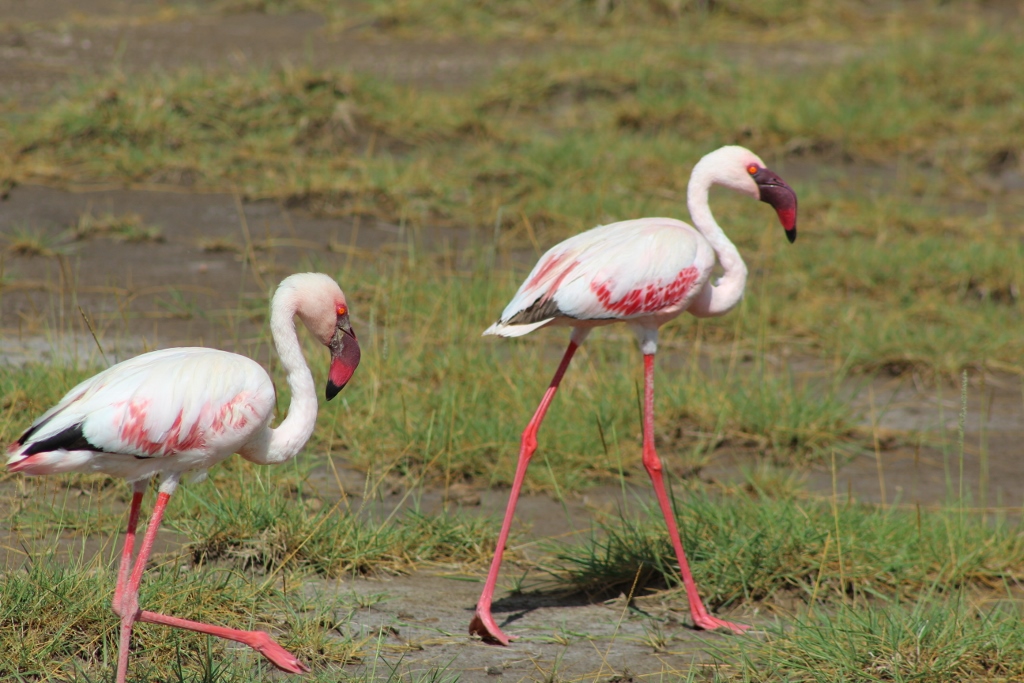
Lesser flamingo in Amboseli. Credit: Denis Bouillon

Before the age of the internet, birders created their checklists in notebooks and filed away. The eBird app now gives access to anyone to see the checklists from any corner of the world, giving data like location and time seen. Keen birders travel the world to enrich their bird lists making use of the app to know where to find the birds that may not be seen elsewhere like the endemics.

Kenyan birders like Aloise Garvey submitted 19 checklists to eBird from Kenya, followed by Edward Jenkins with 17 and Ouma Oluoko submitting 16 while Doreen Amukoya with the Kenya Women Birders tied with Salma Mazrui-Watt, each submitting 11. However the most species recorded were from Kevin Mwaniki with 225, followed by David Owiti with 214 and Simon Odhiambo with 212. Garvey and Oluoko came in 12th and 13th with 168 and 162 species recorded respectively.

In the world of science and policy, the e-bird has become an invaluable asset.
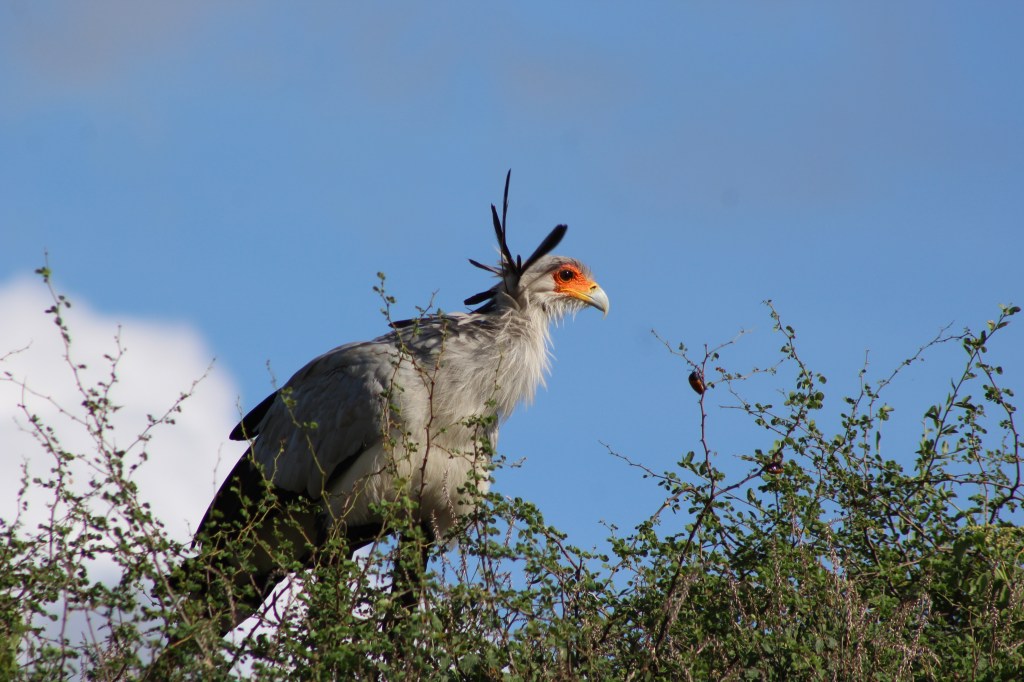
The GBD celebrated twice a year in May and October corresponds to the bird migrations between Eurasia and Africa when the feathered-kind spread their wings to escape the winter months for sunny Africa to feed and fatten up before flying home when summer arrives. It’s time for them to breed and care for the fledglings until the next winter.

Birding in Kenya

Recognized as a top global bird watching destination, with over 1,100 species recorded, this GBD saw most species recorded in Lewa Wildlife Conservancy with 245 species, famous for its arid landscape mixed with lush plains in view of Mt. Kenya, the country’ tallest mountain. Nairobi the capital city of Kenya which is the only capital city in the world that is home to a national park with lions and more, came in 19th with 123 species – and rightly called the birding capital of the world.

However, not a single checklist was submitted from Kenya’s north-eastern region which spans 127,358.5 km2 leaving a huge vacuum in the country’s bird world. The region is famous for its desert and semi-arid land where wildlife like the critically endangered Reticulated giraffe and the nocturnal aardvark are still common. Amongst its endemic bird species is the Wajir flycatcher with the last record in 2021 and the first in 1958.
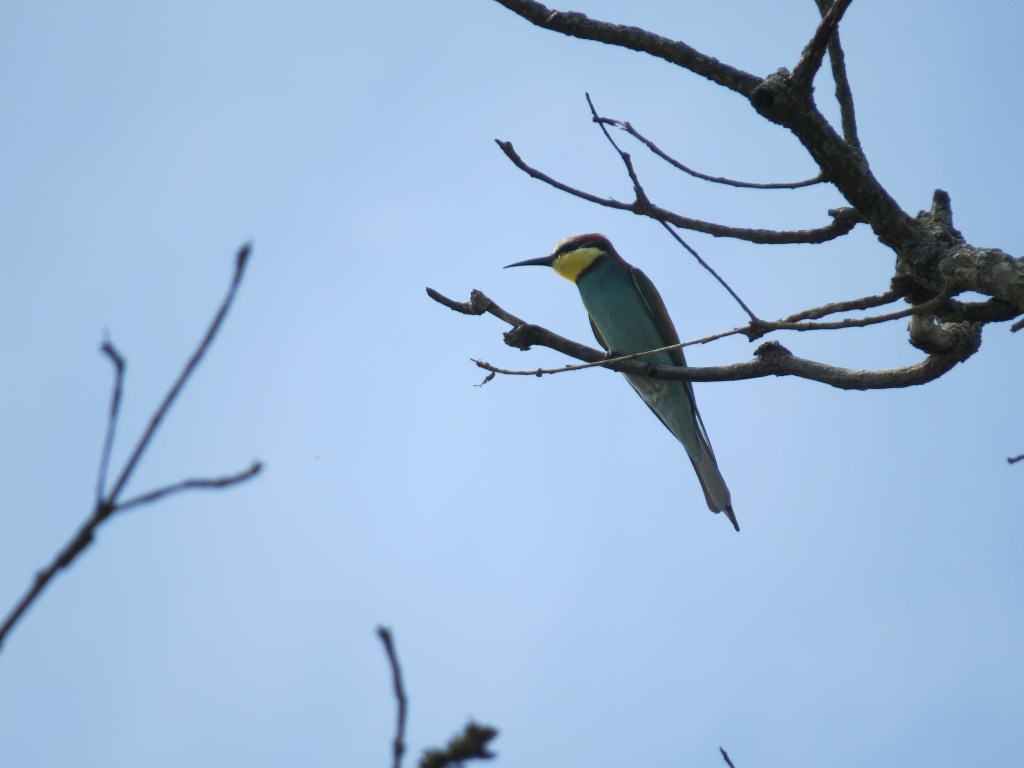
Today, Kenya boasts several birding groups under the umbrella of Nature Kenya, a branch of the East African Natural History formed in 1909. It includes Nature Tanzania and Nature Uganda.

Birding in Kenya is largely attributed to the infatigable Fleur Ng’weno who started the bird walks from the Nairobi Museum car park in 1971, enticing generations of Kenyans into the bird-world. Now in her 80s, this GBD saw her back in the Dakatcha Woodlands near the Malindi coast where she and her team solved the mystery of where the Clarke’s weaver (also called Kilifi weaver) breed – the ‘only found in Dakatcha and nearby environs’ in March 2013, a century after it was first described in 1913.

The Importance of Being a Bird

Birds are an indicator of the environment. When a species begins to vanish from the grasslands like the Sharpe’s longclaw endemic to Kenya, it shows the grasslands are vanishing. When a forest species like the Taita apalis begins to vanish, it indicates that the forest is disappearing. Today only two present of the hilltop forests of the Taita Hills exist. In tandem, fewer than 300 of this forest bird survive with populations decreasing as the forests disappear. When rivers and lakes become polluted, the shores are emptied of the waterbirds and when the skies become cluttered with towering skyscrapers, the last of the hawks and eagles will have no space to fly.

The eBird over the years is telling the story of the birds, a vital resource for policy makers and developers to heed before the world is left without its beautiful birds.

Next October Big Day on 10 October, 2026, and Global Big Day returns on 9 May, 2027.

Birding in Kenya: Join Nature Kenya and be part of the birding movement in East Africa.

For a birding safari in East Africa, we arrange customised safaris. Write to us and we will arrange your safari.
Rwanda

Great Apes & Big Cats on a Wildlife Safari

Dec 1 – 10, 2026

9 nights, 10 Days

Overview

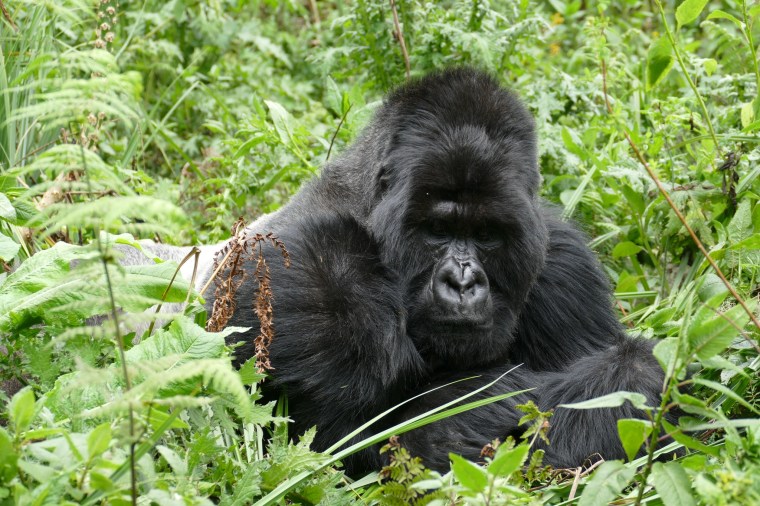
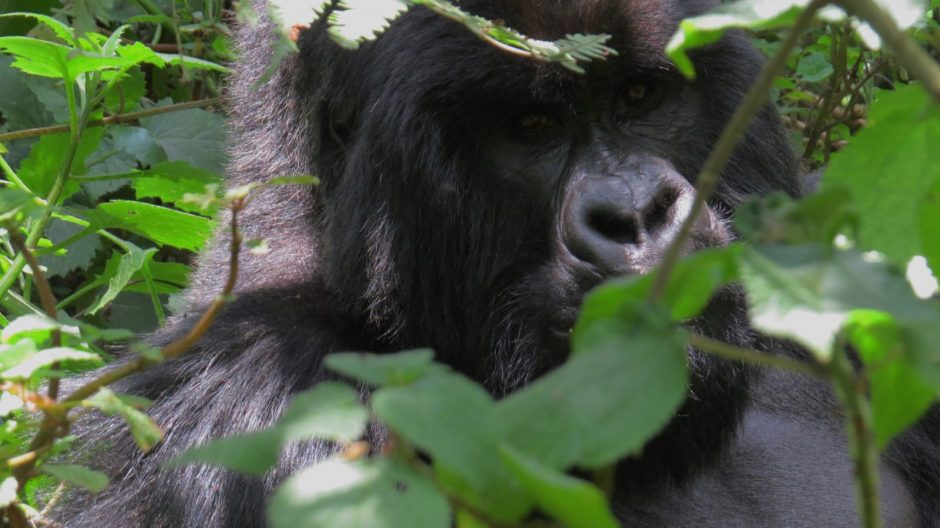
A silverback male in the Virungas

A safari to explore Rwanda’s famous Virunga mountains to see the Mountain gorillas will have you enchanted and fascinated by the diversity of life in this tropical paradise.

Imagine waking up in the land of a thousand hills which is home to our nearest cousins – the Mountain gorillas and Chimpanzees. After hiking in the lush tropical rainforests of the Virunga’s, you will be on game drives in search of the big cats and Africa’s amazing wildlife from rhinos to giraffes.

It’s Rwanda for you.

Continue reading “Rwanda”

On Safari with the Great apes of Bwindi

Published: Nation newspaper 27 Septemeber 2025

By Rupi Mangat

In the stillness of the forest, the silence is interrupted by the sound of snapping branches. “It’s the forest elephants moving through the forest,” tells Chelimo Salim in a quiet tone. He’s our gorilla guide on the trek to see the greatest ape on the planet – the gorilla and to be specific, the Mountain gorillas of Bwindi.

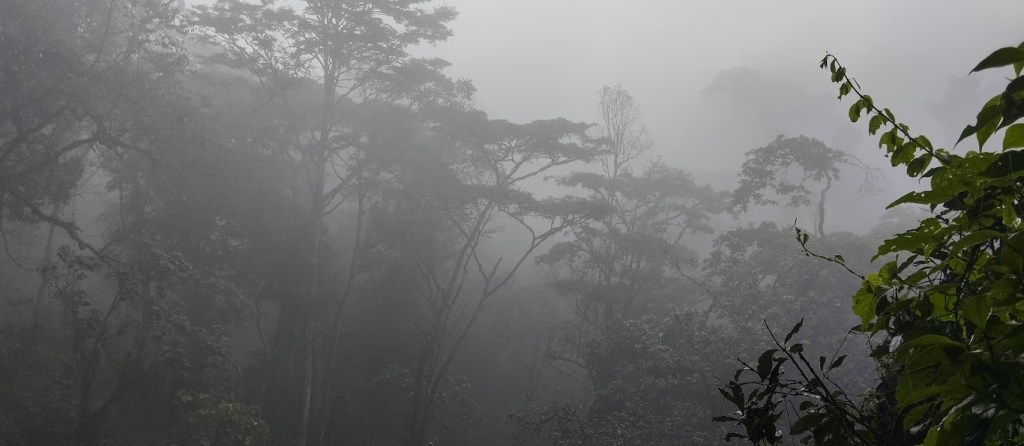
The morning mist is rising to reveal the dense forest covering the mountain range of the Virunga volcanoes that stretch into neighbouring Rwanda that is also home to these gorillas.

But at this moment I want to see the unique forest elephants that are rare and adapted to living in the dark, dense forests of Bwindi. Smaller than the African savannah elephants, they have rounded ears and straighter downward pointing tusks which make it easier for them to move through the forest. It’s anybody’s guess how many there are in the forest – estimates waver between 40 and 300.

The sound ebbs as the elephants move deeper into the impenetrable forest that few outsiders knew about until recently. Its sudden claim to fame came with the ‘discovery’ of the Mountain gorillas – and that not even by sight but from their droppings below their night nests when researchers began to venture into the thick forest glades. That was in the 1980s when Uganda was in the midst of political turmoil. Needless to say, this ‘discovery’ made little headlines.

FYI – Bwindi means place of darkness from the Runyakitara word Mubwindi.

Morning mist in Bwindi Impentrable Forest. Image Rupi Mangat
Continue reading “On Safari with the Great apes of Bwindi”

Where the Nile whispers and the waterfalls roar

Meet the mighty river on its most dramatic stage where it plunges 43 metres on its journey north to drain into the Mediterranean. By RUPI MANGAT

Published: Nation media Sarmag 9 August 2025

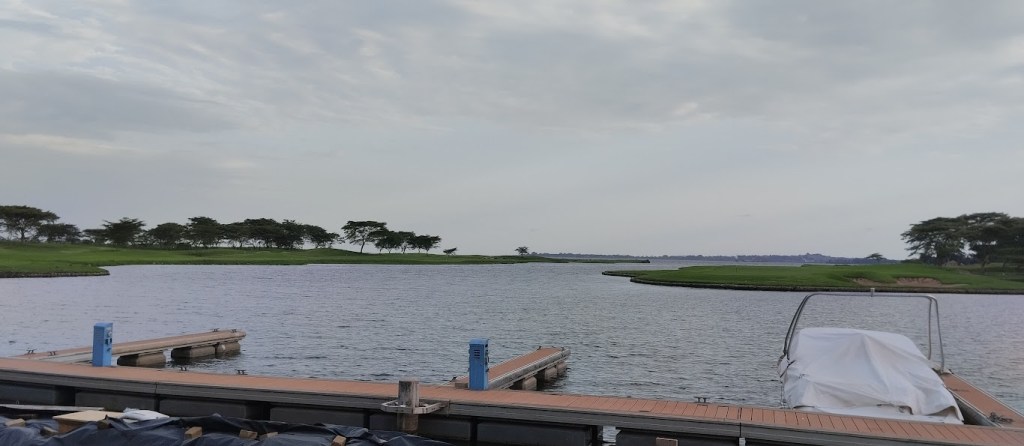
The great expanse of water shimmers in the morning light as we fly over it to land in Entebbe, an hour’s flight from Nairobi. Yet less than two hundred years ago, the outside world knew nothing about this lake or the country that we now know of as Uganda.

Back then, Africa’s interior was a closely guarded secret by the Arab traders mainly for slaves, elephant tusks and timber. The mystery of the Nile’s origin became the driving force for the European explorers to enter the unknown. So when John Hanning Speke saw the lake in 1858 from a village near Mwanza in Tanzania, he uttered the unforgettable quote, “The Nile is solved”. He was ridiculed for it. The matter of the Nile was finally solved in 1875 when the journalist-explorer Henry Morten Stanley circumvented Victoria (as Speke christened it after the then British monarch, Queen Victoria), confirming it as the Nile’s source.

From Entebbe to the world’s most powerful falls

We’re wrapped in luxury at Lake Victoria Serena Entebbe on the edge of the Great African lake. Our journey into Uganda is to scale the mountains of the impenetrable forest in search of Bwindi’s Mountain gorillas that the outside world only got to know of in 1987 – and that not even by sighting our ape cousins but from the droppings below their night nests.

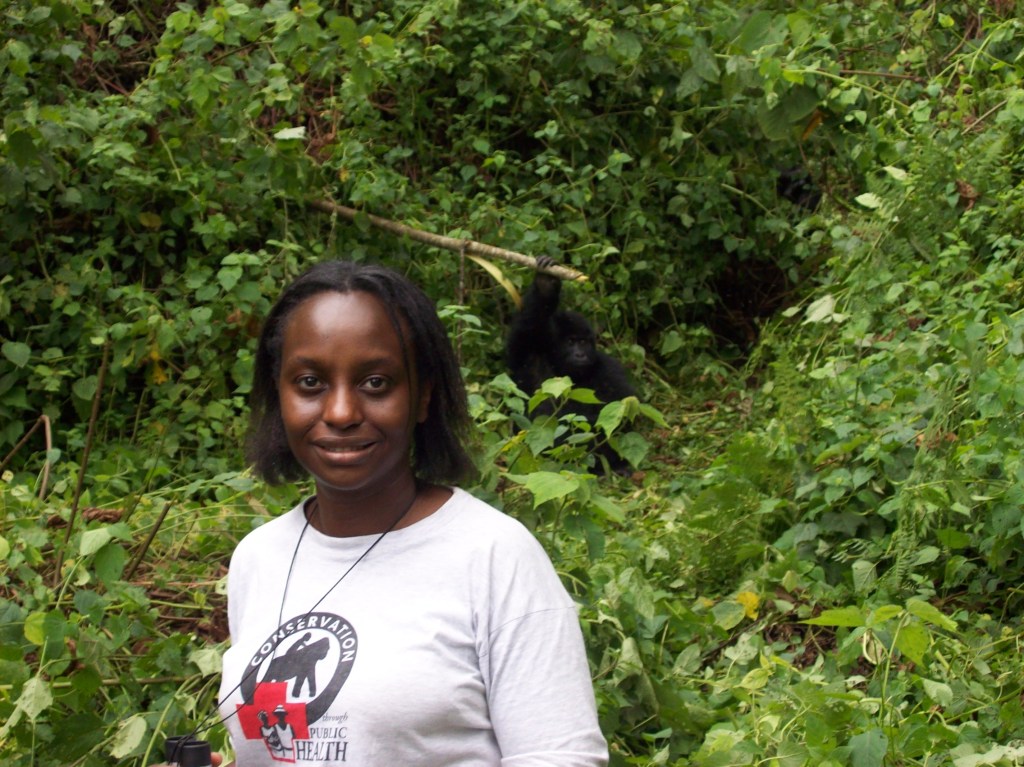
“The Mountain gorilla is the only subspecies of gorillas that is increasing in number and is now classified as ‘endangered’ from ‘Critically endangered’,” states Dr Gladys Kalema-Zikusoka, Uganda’s first wildlife vet. Their numbers have increased from an estimated 300 to 1063 in the wild today.

Dr Gladys is a trail blazer. She and her husband Lawrence founded Conservation Through Public Health (CTPH) 20 years ago and have achieved international recognition for their ‘One Health’ approach that involves the well-being of the people who live alongside our ape cousin. Dr Gladys’ book, ‘Walking with Gorillas’ is a best seller, copies of which she signs after her presentation to the enraptured group.

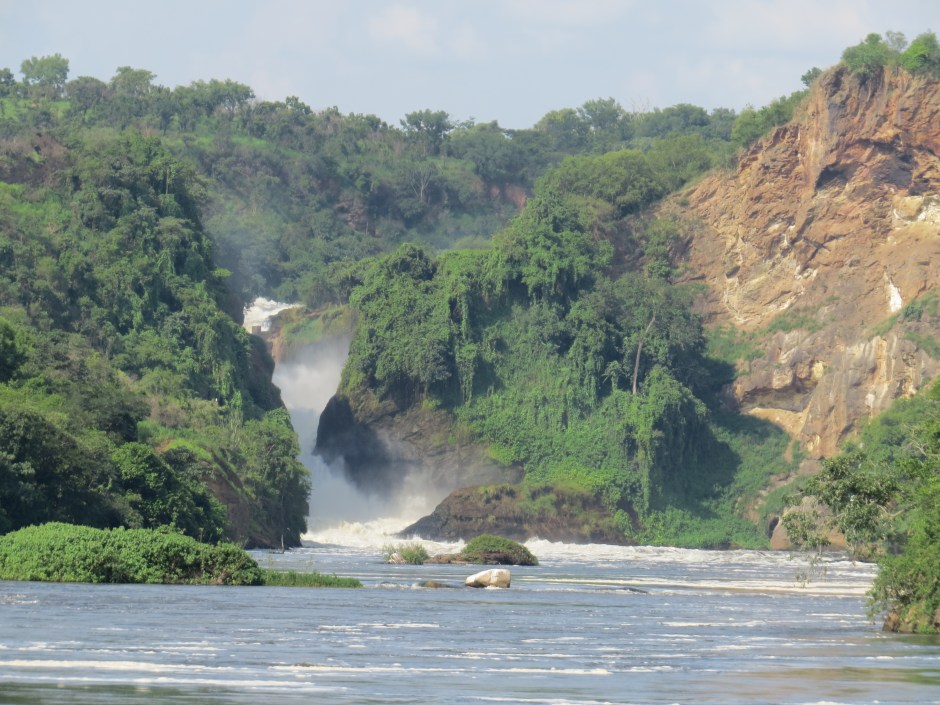
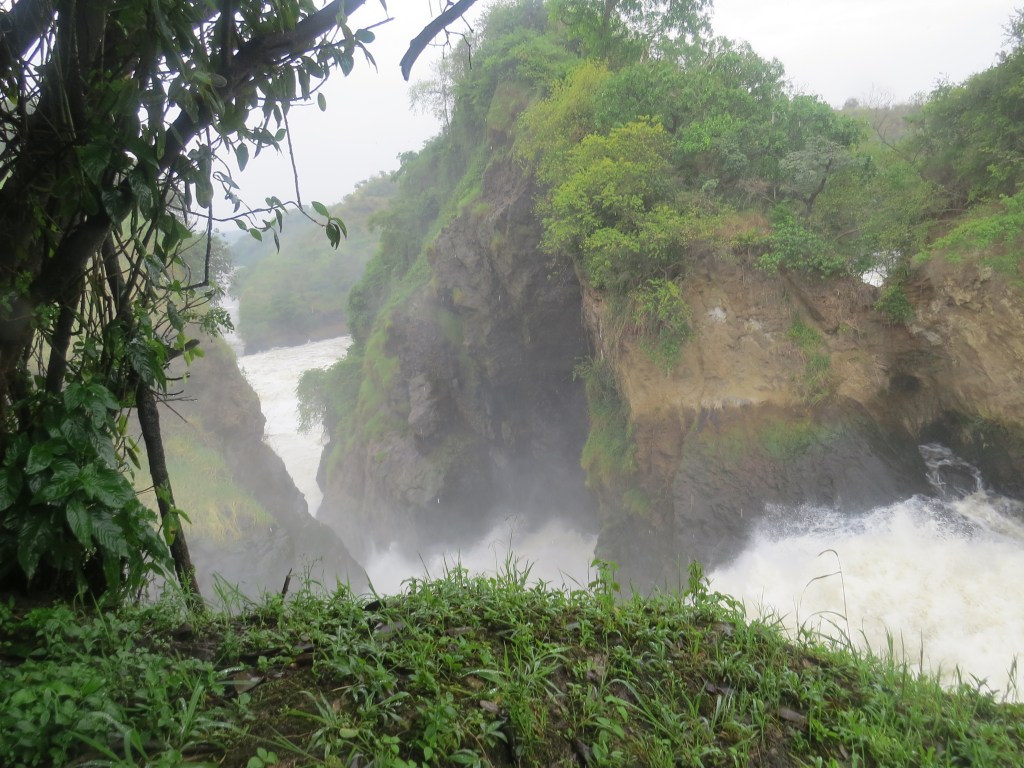
The first leg of the journey is to Murchison Falls National Park – a 50-minute flight – to meet the Nile on its most dramatic stage where the mighty river plunges 43 metres through a 7-metre chasm on its 6,000-kilometre journey north to drain into the Mediterranean in the land of the pharaohs.

Murchison on the Nile

It was Baker with his wife Florence who came upon the ‘world’s most powerful waterfall’ in 1864, when looking to solve the Nile’s source – which they did not. They named the falls Murchison after the president of the Royal Geographical Society. However, the wandering couple came upon the lake (which today spans Uganda-DRC border) that glistens in the horizon as we land in 3,893-square-kilometre Murchison Falls National Park at Pakuba airstrip – the lake they named Albert after the British queen’s husband.  The duo also documented Karuma Falls, a spectacular series of cataracts along the Nile spanned today by Karuma bridge along the main Kampala-Gulu highway.

The park is lush green like an emerald with towering Borassus palms that our safari guide jokes are planted by elephants! The seed passes through the elephant’s gut and germinates on the ground.

The common patas monkeys watch us from the road side. Unlike other monkeys that prefer trees to terra firma, the patas is mostly seen on ground and with its long legs is a fast runner. Unfortunately the Kenyan patas monkey is extinct in the wild – the Critically Endangered southern patas monkey (E. baumstarki). Found only in northern Tanzania today, the population is between 40–100 mature individuals remaining in the wild.

The Rothschild giraffes grace the plains nibbling on the acacias, Jackson’s hartebeest stand sentinel, a lioness in the tree stops all on track and finally the day ends with a drive to the top of the thundering falls on a road recently tarmacked over the new bridge spanning the Nile, doing away with the iconic ferry crossing.

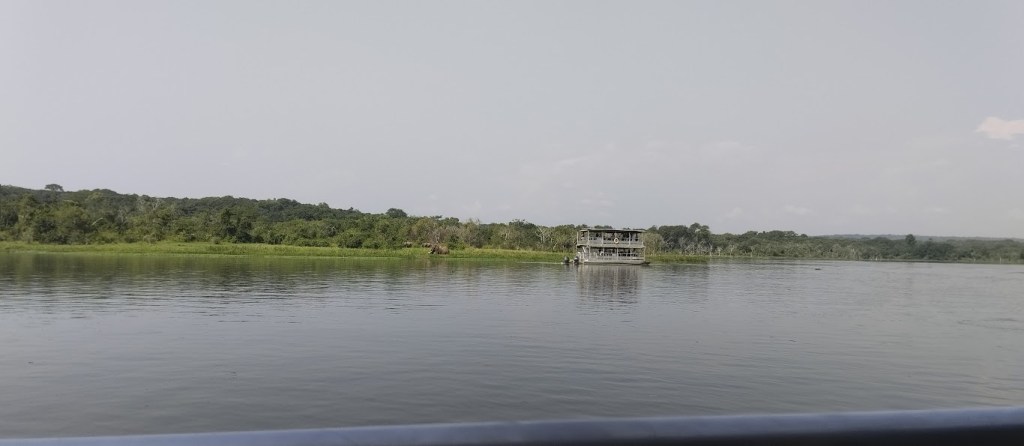
The following day we sail the Nile to the bottom of the falls. A crocodile slithers into the river; others stay statuesque with jaws wide open to cool down in the afternoon heat. A herd of elephants frolic on the river’s edge hosing themselves with the rich red mud – a spa in the wild. FYI – Baker had by the age of 20, invented a powerful gun to kill an elephant with a single shot.

Pods of hippos pop around in the blue waters and we give them a wide berth. In 1870, Baker’s boat was attacked by an angry hippo on the Nile who munched a large mouthful of the wooden vessel. An hour later we sight the falls – and they never fail to impress. The river has risen and the force of the falls keeps the boats at a distance. All we can do is watch in awe with its permanent rainbow.

The Nile tumbling through a 7-metre gap down 43 metres to the land of the pharoahs. Pic: Rupi Mangat

More on Murchison Falls

It’s easily doable from Nairobi via road or by air with a range of accommodation in and outside the park. Combine the falls for a safari circuit with Budongo or Kibale forests for chimpanzee trekking; Queen Elizabeth National Park and Bwindi for the Mountain gorillas.

Log on to Uganda Wildlife Authority for current park fee.

Log on to Moonlion Safaris for safaris and travel articles: www.moonlionsafaris.org

Birding at Breakfast, celebrating a global big day at Sandai, Mweiga

Published Saturday magazine an insert in Nation newspaper 25 May 2024

Above: Petra Allmendinger birding at breakfast on Global Big Day at Sandai House in Mweiga. Courtesy Petra Allmendinger

Worldwide, the birding community is abuzz on Saturday 11 May to log in as many species of birds as they can to participate in Global Big Day, marking its 10th anniversary. A tech-savvy Kenyan birder has tagged all the spots in the country that birders will be at. Nobody’s birding in Mweiga and so we head that way to check in at Sandai, one of the most scenic houses in the world twixt the two big massifs of Mount Kenya and the Aberdares. It’s a dream farm house with cottages dotted around the expensive grass plains with surreal views of the great massifs on the equator.

Sandai House after the rains green with grass.

Driving in late afternoon, the sky is hung heavy with clouds threatening to burst with the ongoing heavy rains. It’s going to make bird watching a challenge but when a big raptor soars above to land on the tall acacia in the neighbouring Solio Ranch, more famous for its rhinos where you can see up to a mind-boggling 40 in a day, things begin to look up.

Continue reading “Birding at Breakfast, celebrating a global big day at Sandai, Mweiga”