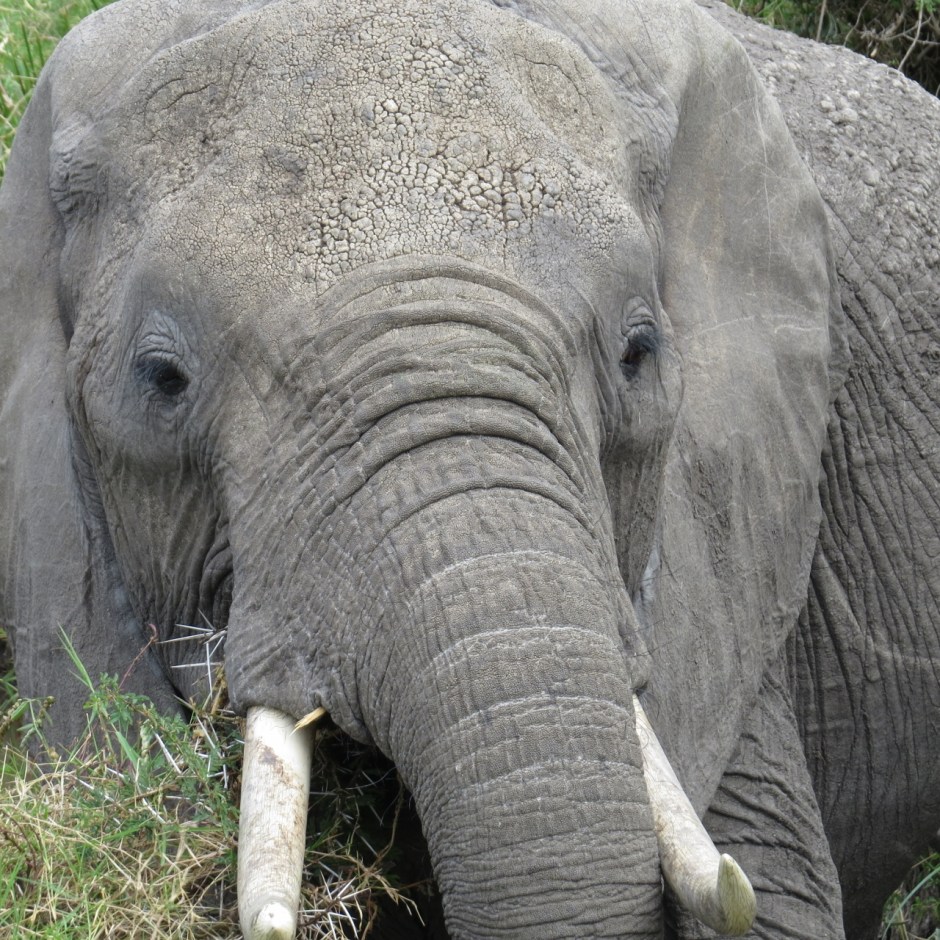
Above: Female elephant in Talek River, Maasai Mara – Copyright Rupi Mangat
Published: 15 December 2018
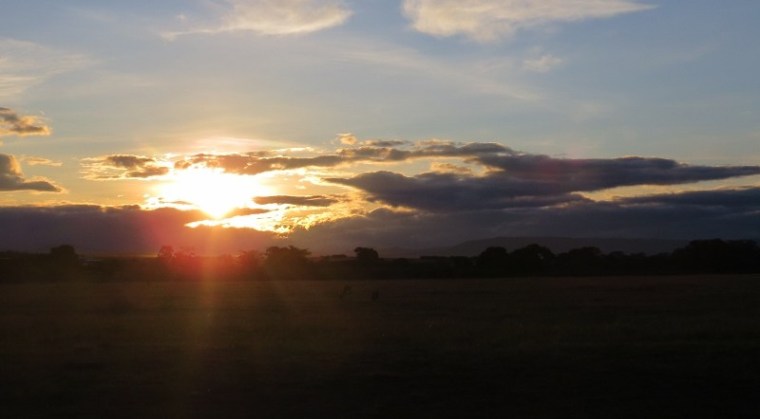
It’s sunrise but there’s still a full moon in the sky. The dawn light is magical while the sprawl of the Mara is enchanting. In the soft light, the gazelles gambol and the warthogs graze on knees bent, their necks too short to reach the ground.
Dawn in Maasai Mara – Copyright Rupi Mangat
New-born foals suckle at their mothers’ breast while the tiny warthog babies vanish into the grass nervous of people. It’s the season of plenty for the herbivores with so much grass around. Well-fed and healthy, they give birth soon after the rains turning the vast grasslands into a nursery.Continue reading “Magic in the Mara”→
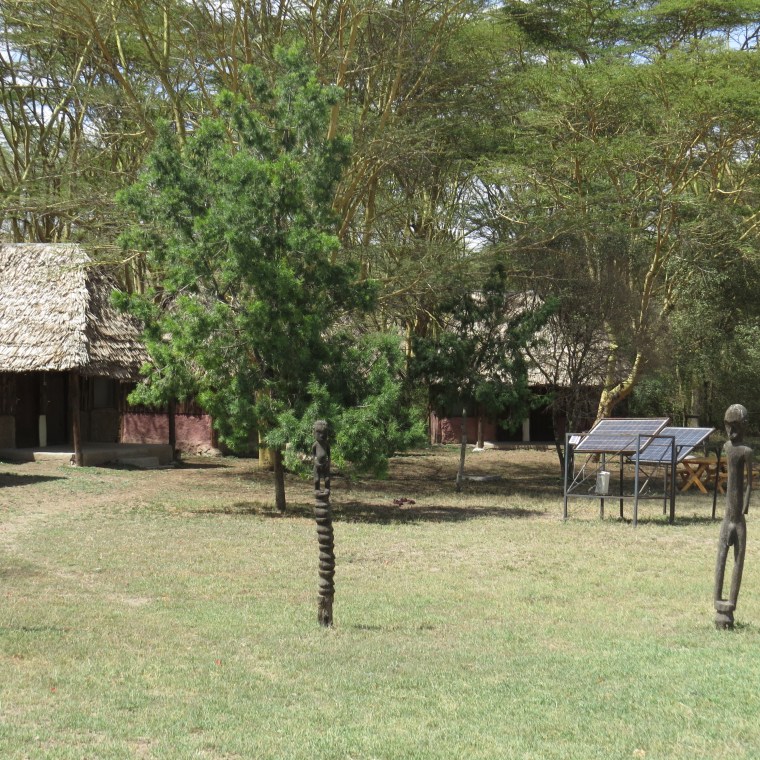
Above: The Wildlife Foundation Centre at Naretunoi Conservancy, Kitengela
Copyright Rupi Mangat
Published: 10 November 2018
“We have everything here,” says Moses Parmisa of The Wildlife Foundation. “If you had spent the night here you would have heard the lions and the hyenas.”
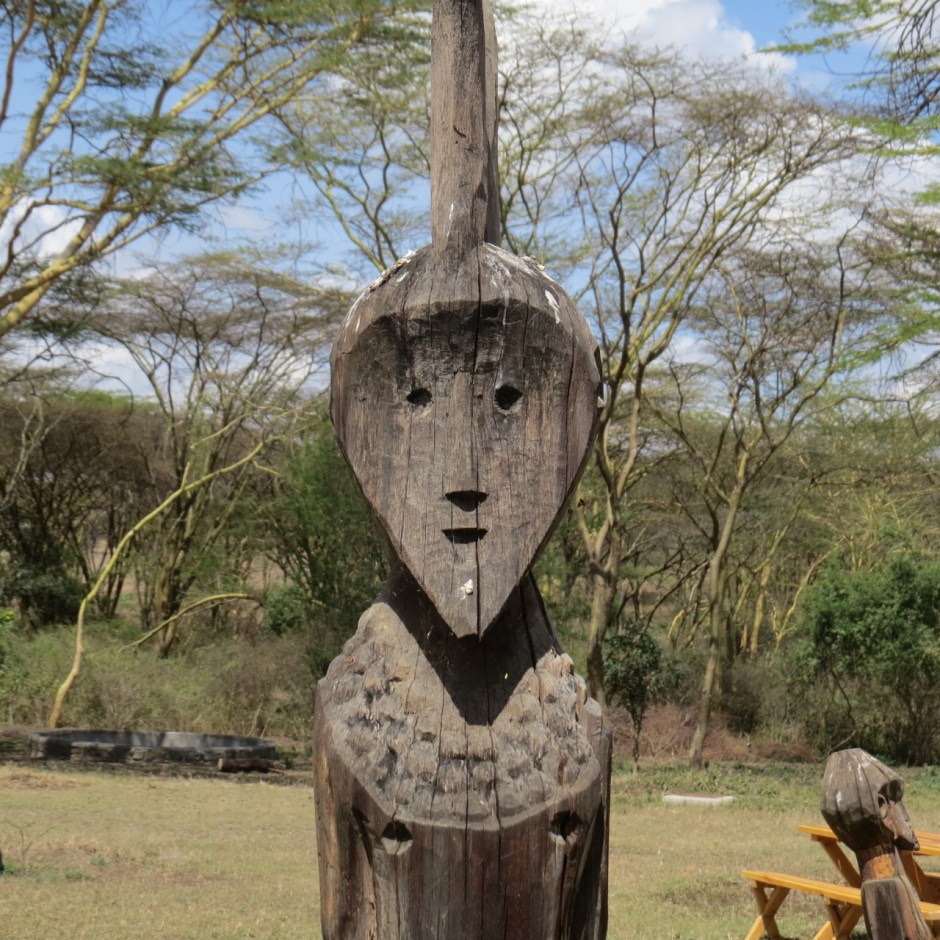
We’re chatting over a cuppa tea and cakes at The Wildlife Foundation Centre on a lawn dotted with wooden sculptures collected from different parts of Africa. On arrival we’ve been met by Impi the two-year-old female antelope whose mother was killed by a predator. The foal was found on the grounds and now thinks she’s a ‘people’.
The Wildlife Foundation Centre at Naretunoi Conservancy, Kitengela Copyright Rupi Mangat
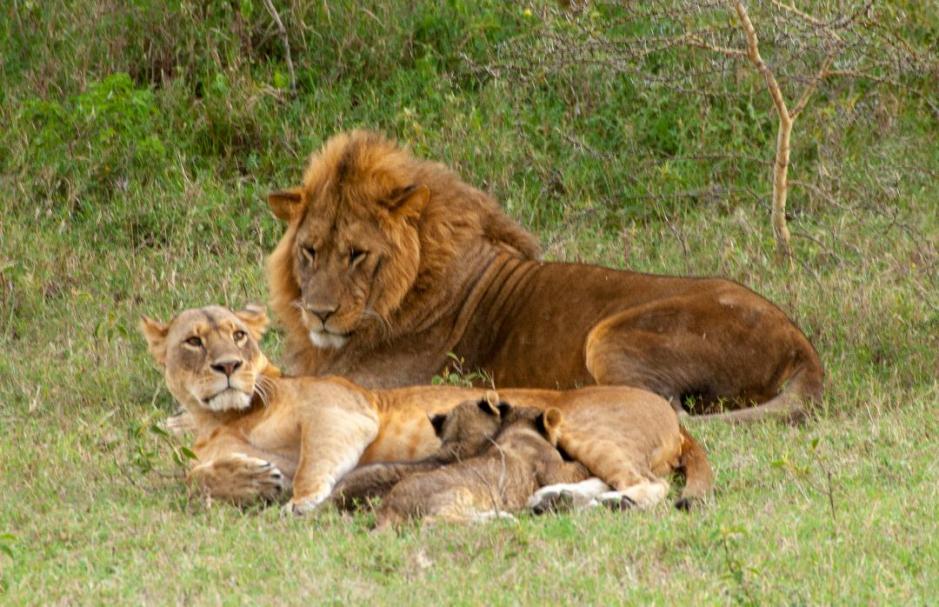
Above: Seen on Sept 13 2018 at Soysambu. The male in the photo is SM2 (collared) who is Flir’s son and the female is SF3, Valentine’s daughter. We think Flir and Valentine are sisters so they would be cousins. Unknown father’s but they are one or two of the males in Nakuru National Park. Copyright: Kat Combes
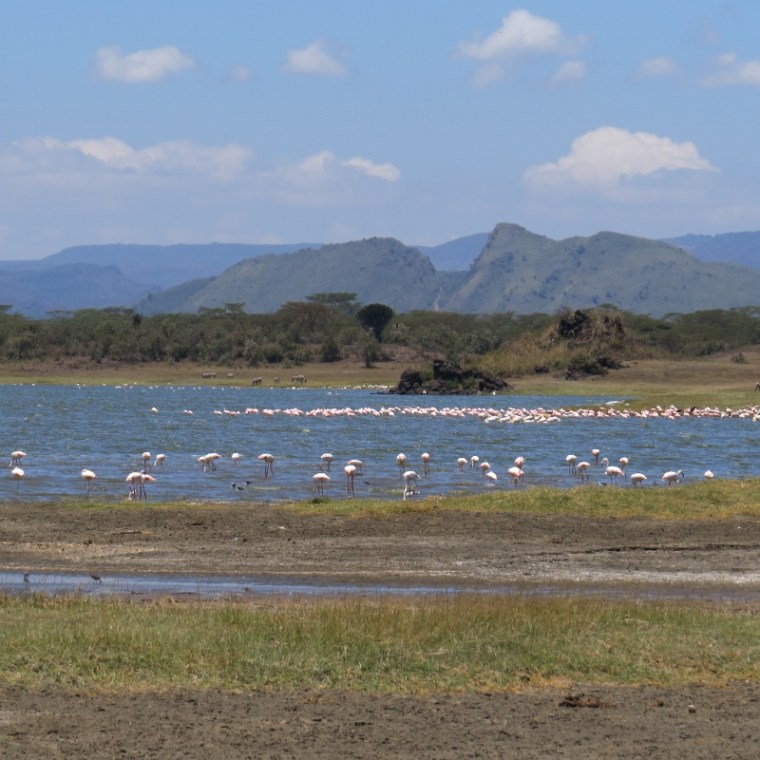
Soysambu Conservancy with Flamingos on Lake Elmenteita and Delamere’s Nose. Copyright Rupi Mangat
There’s so much happening at Soysambu, the wildlife conservancy straddling the soda-fringed Lake Elmenteita in the Great Rift Valley. It draws one like magnet to keep up with its intrigues. For starters the wildlife haven is set picturesquely between the fresh water Lake Naivasha and the alkaline Lake Nakuru and being part of the volcanic upheavals from the last 20 million years or so, it’s a tapestry of little mountains with craters, volcanic rubble and an inch-thick layer of soil good only for hardy grass and trees.
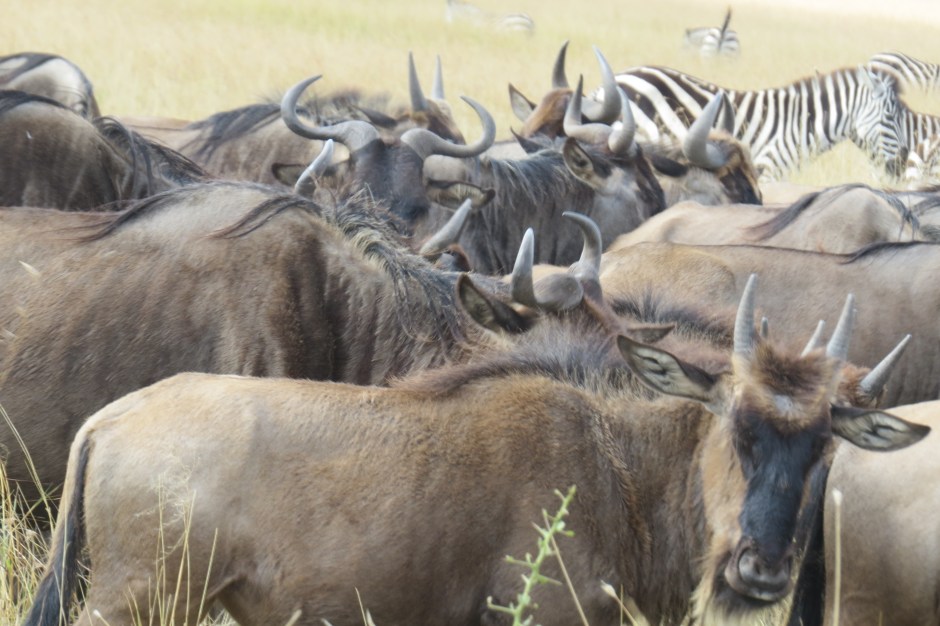
Above: The annual Mara Migration of the wildebeest from the Serengeti
Copyright Rupi Mangat
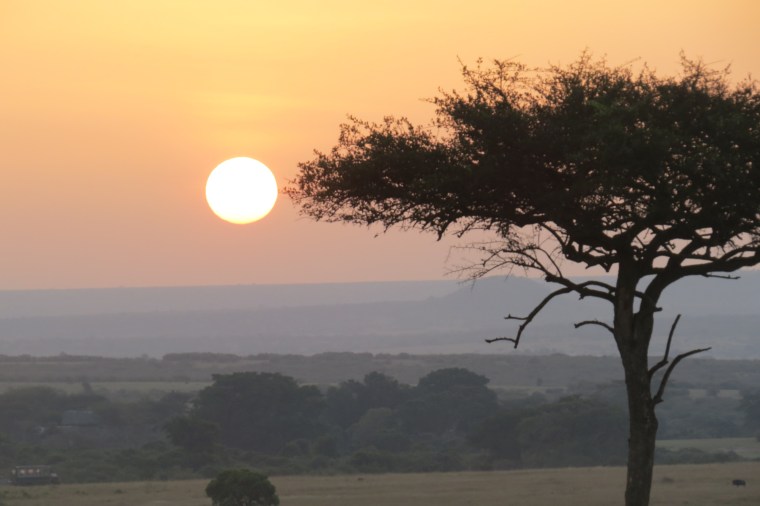
Sunrise in thel Mara Copyright Rupi Mangat
There is excitement in the air. We’ve been on the plains since sunrise, watching the sun shed its light on the vast grass plains of the Maasai Mara, tinting the long stalks gold and warming the earth. It’s the time of plenty and the wildebeest take full advantage of the good tidings following the grass route from the neighbouring Serengeti and into the Mara, mowing the grass down as they move in a tidal wave. And we’re following them in the hope of watching a river crossing.
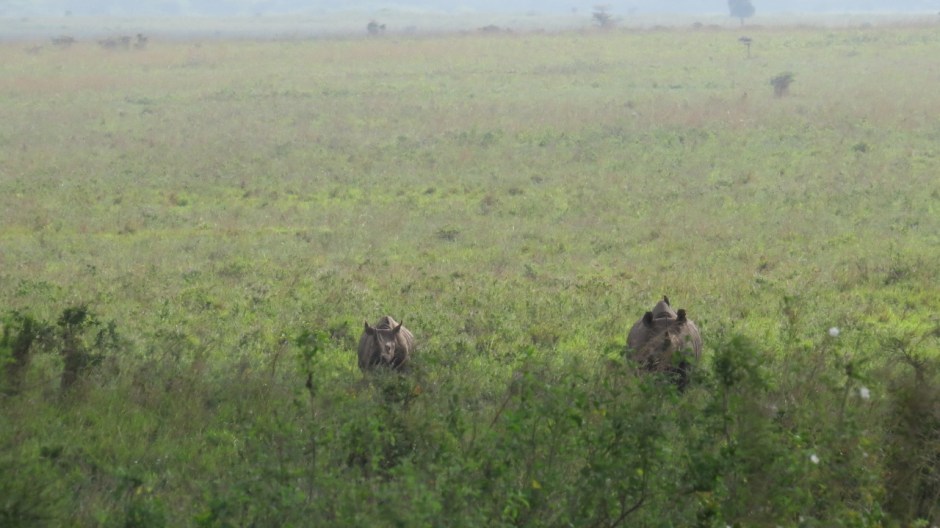
Above: Black rhino and her calf in Nairobi National Park with Nairobi city in the horizon.
Copyright Rupi Mangat
Published Nation Newspaper – Saturday magazine – 21 November 1998
The Nairobi National Park – a rare place where modern skyscrapers brush shoulders with the creatures of the wild
Space, beauty, vast savanna in Nairobi city in the horizon. Copyright Rupi Mangat
The uninterrupted flow of the sky, the wide open space, the grass carpet on the savannah, the unexpected thrill of seeing a wild animal – it’s all so fascinating. So it never fails to amaze me when someone remarks, “We never saw anything at the Nairobi National Park.” How on earth can anyone say that? But l guess for a lot of people the idea of a national park is a place teeming with wild animals where drama is the order of the day, where the glossy brochure lion strides majestically across the plains, where the cheetah sprints at full throttle and where eagles soar in the sky. Fed up with such stories from the array of glossy holiday brochures and coffee table books showcasing the models of the wild, it’s not hard to imagine why so many people expect to find things like they do in a shopping mall – where whatever you want to buy or see is where it always is. We are used to the expected, and so when we visit the national park, the animals must be all there for us! But national parks aren’t zoos – you don’t go from one cage to the next, where neat little signs tell you what animal you are looking at. The national park is about the unexpected – you go there as a guest to experience the grand spectacle of life. And that is what Nairobi National Park is all about. Continue reading “City Breaks”→
 Moonlion Safaris