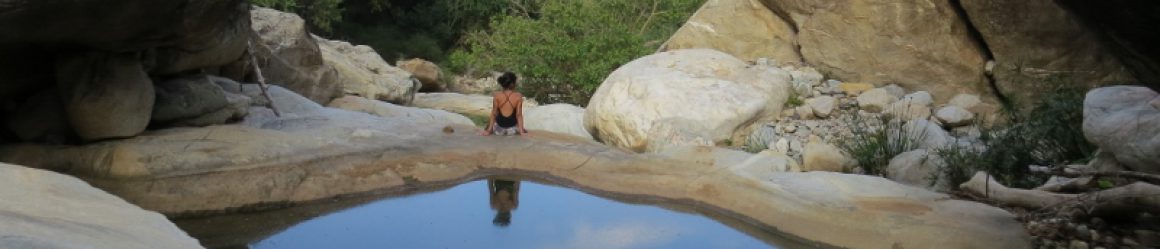
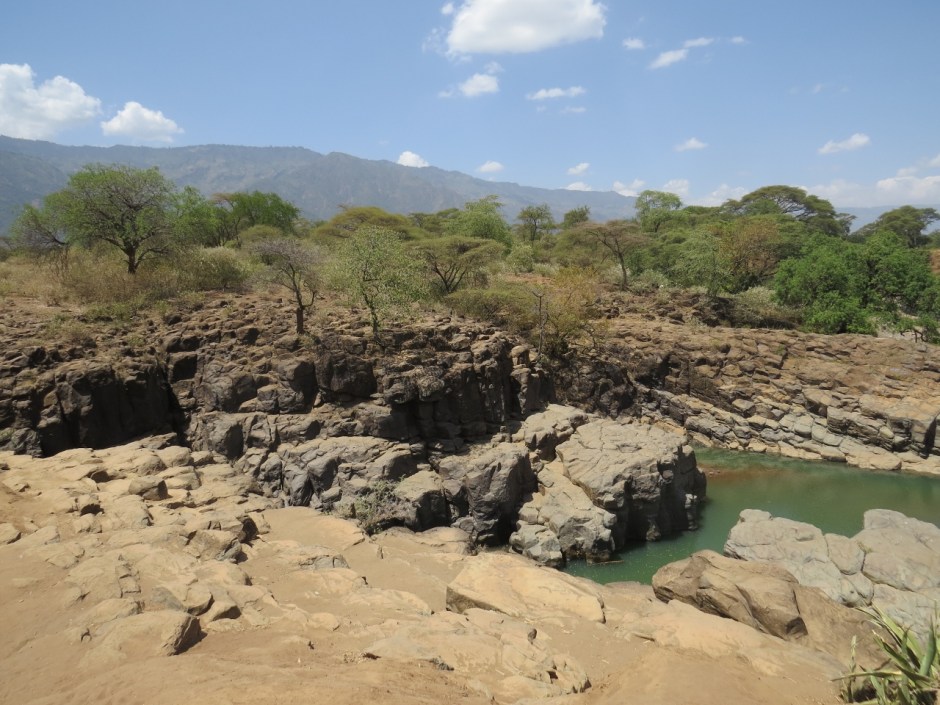
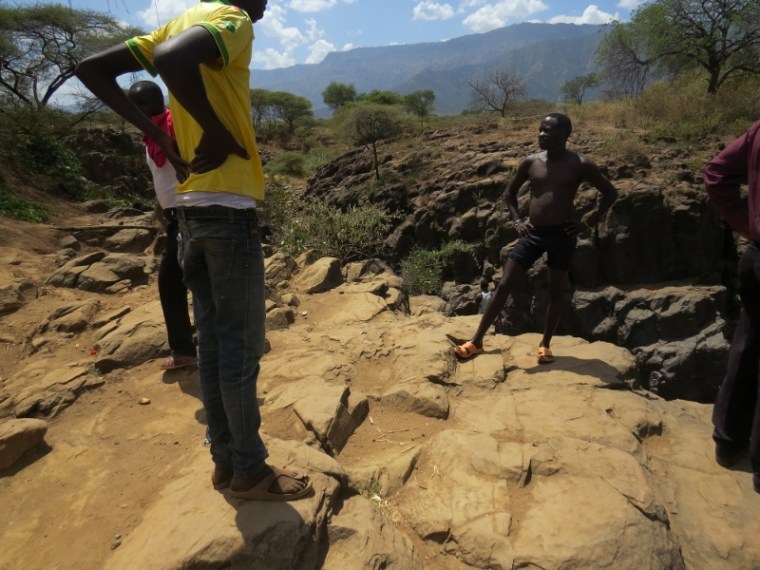
Daring divers at Cheploge Gorge preparing for dives. Copyright Rupi Mangat
Published Saturday Magazine, Nation newspaper 10 February 2018
A narrow gorge slits the earth below the smooth black road surrounded by the massifs of the Elgeyo-Marakwet that winds its way up to Iten the home of champions who have dominated the stage of world-class runners.
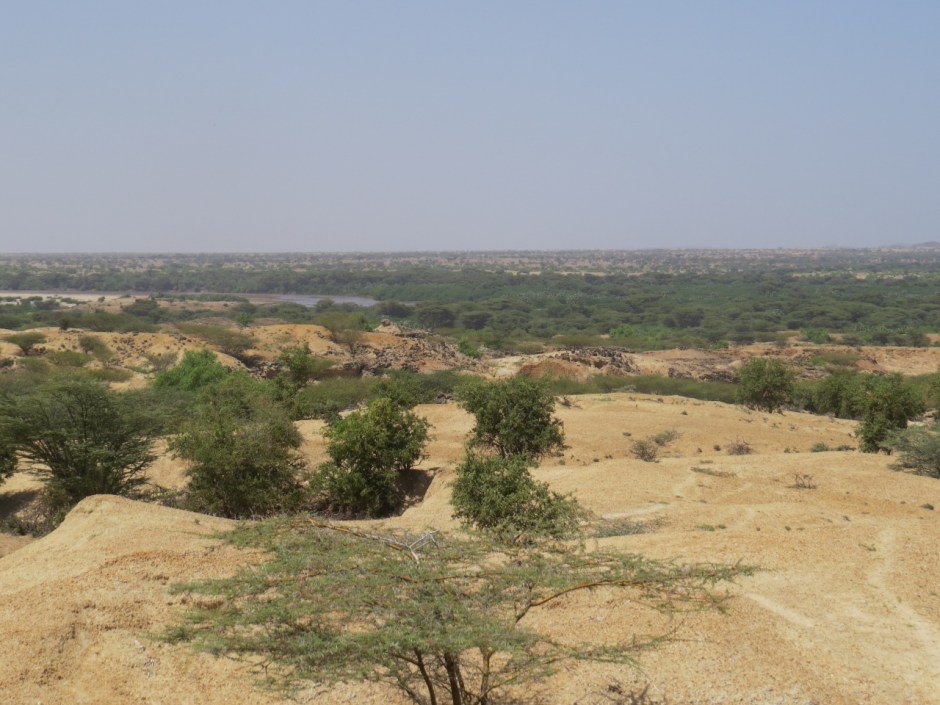
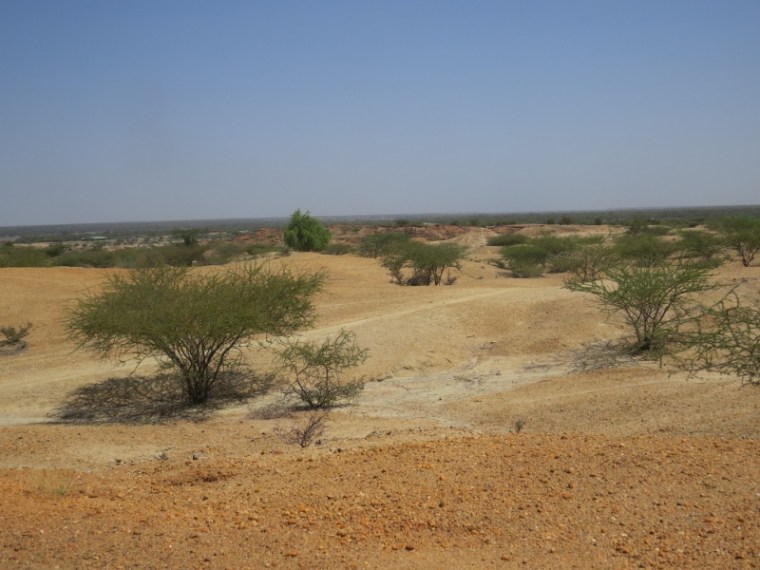
Above: The anicent earth of Turkana by the Turkwel River flowiing into Lake Turkana
Copyright Rupi Mangat
Published: 3 February 2018 Saturday magazine, Nation newspaper
Eagle’s eye-view of Turkana Basin Copyright Rupi Mangat
The eagle’s eye-view from the air is fascinating – vast horizons of sand, thorn trees, plains and hills. Closer to landing time at Lodwar, l scan the hills of Lothagam with their ancient sediments dating seven million years before present – when this part of the world was the home of dinosaurs like carnivorous theropods, herbivorous sauropods, and flying pterosaurs that lived many more millions of years than seven.
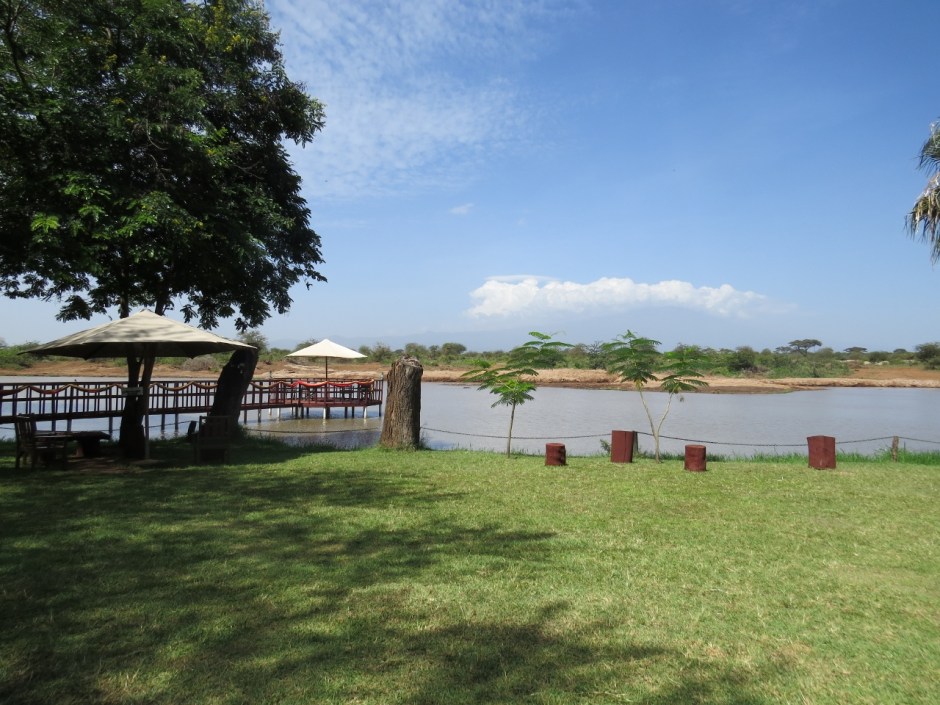
Above: Grounds of Voyager Ziwani on the edge of Tsavo West
Copyright Rupi Mangat
Published Saturday magazine, Nation newspaper 27 January 2018
It’s the last days of 2017 in December. Centuries-old gigantic baobab trees are cloaked in thick green leaves. At most times, the tree stands with bare branches in the arid plains that see rain so rarely.
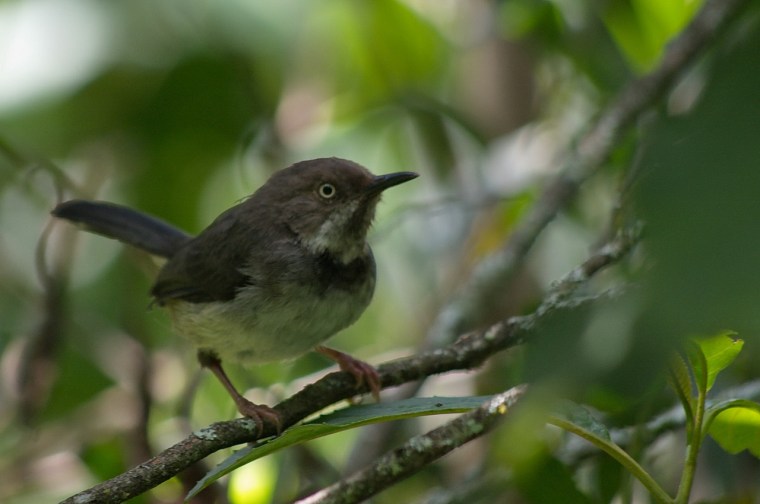
With a few more days in the hills with a mission to spot Taita apalis, our next stop is to Ngangao the largest forest block, Vuria the highest peak, followed by Msindunyi a tiny forest block where Dr Luca Borghesio and research assistant Lawrence Wagura – both associates of the National Museum of Kenya – discovered an undocumented population of Taita apalis in 2012. In total, the indigenous forests measure less than five square kilometres.
Published:Saturday magazine, Nation newspaper 13 January 2018
Above: Taita apalis – criticaly endangered – fewer than 200 survive today in fragmented forests of the Taita Hills in an area of five square kilometers (copyright Luca Borghesio)
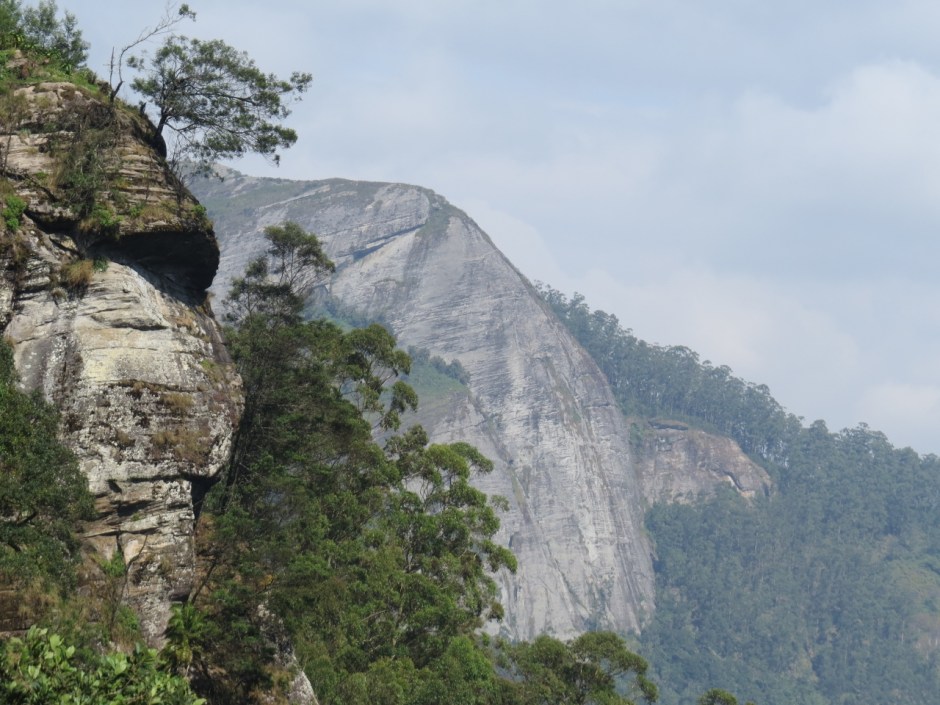
The mist swirls and whirls, white and dense, hiding and revealing the valleys and peaks of the hills. We’re on a climb to reach the top of the ancient bare rock that tops the forest of Yale in the Taita Hills.
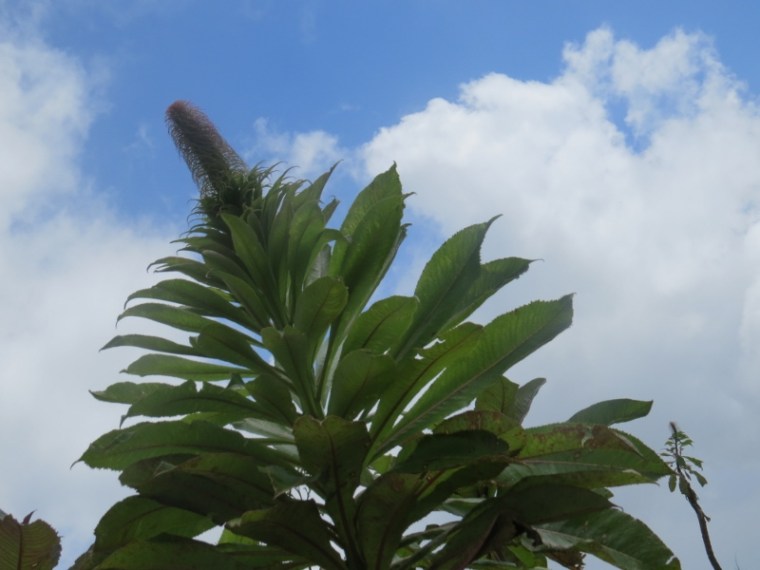
Indigenous plant of the mountains – Lobelia gibberoa on Yale hilltop that is part of Taita Hills. Copyright Rupi Mangat

 Moonlion Safaris