Flower Power of Kinale


September 2016

On the southern stretch of the Aberdares

Driving up the escarpment road to Lari, the big valley drops – which of course is the Great Rift. We’re at its highest point along the Nairobi-Naivasha Highway and with the morning mist cleared and the sun shining bright, Longonot’s wide yawn and volcanic ridges show wide.

Checking on Google Earth, we’re on the Gatundu-Kinare road about a kilometer from Kijabe town.

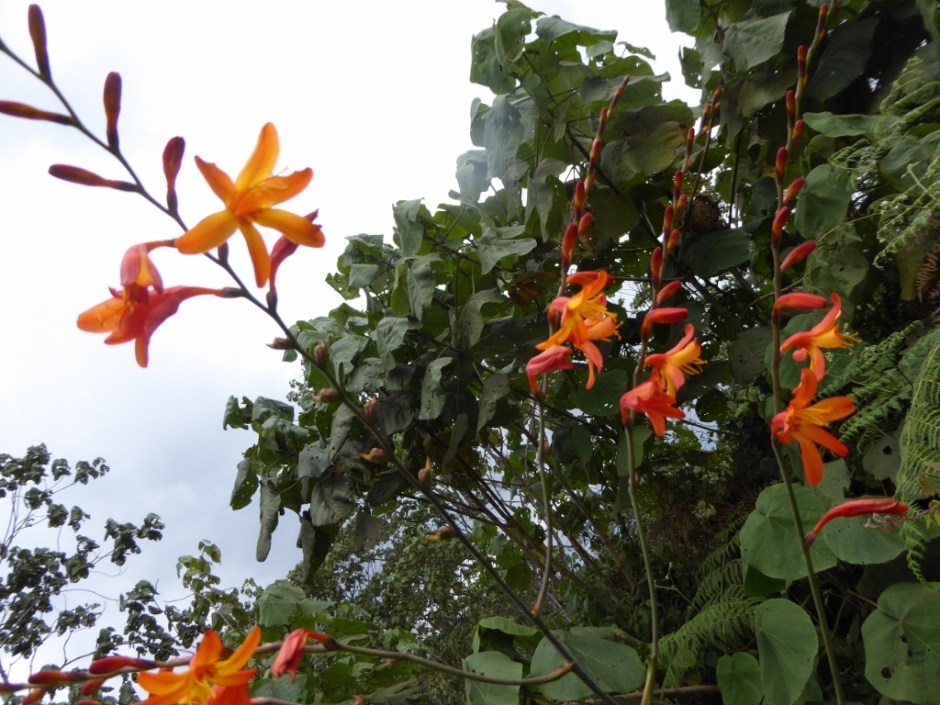
Stepping out of the car by the clutter of signposts that point to Kijabe Hospital, the Kenya Forest Service and Kinale forest, the patch of planted forest is inviting and while we wait for the rest of the group, a stroll through the forest is refreshing.

Continue reading “Flower Power of Kinale”

Sita Snake Park, Watamu, Kenya

Published on Jul 2, 2016

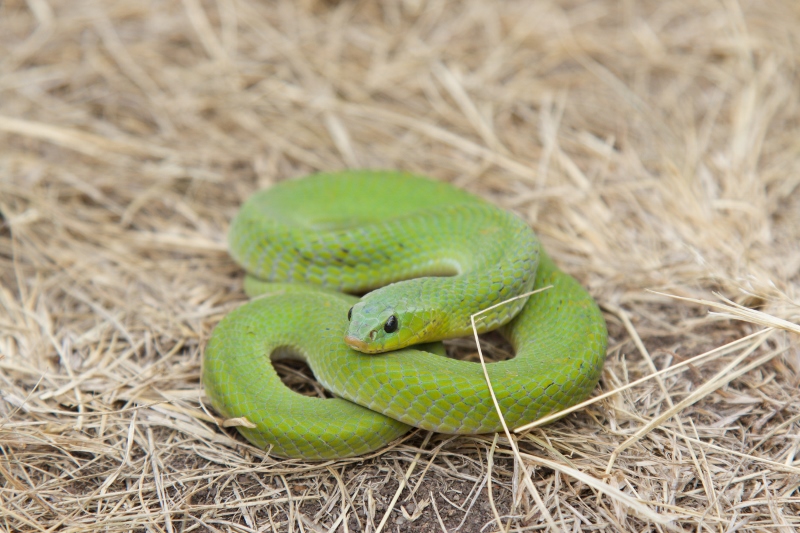
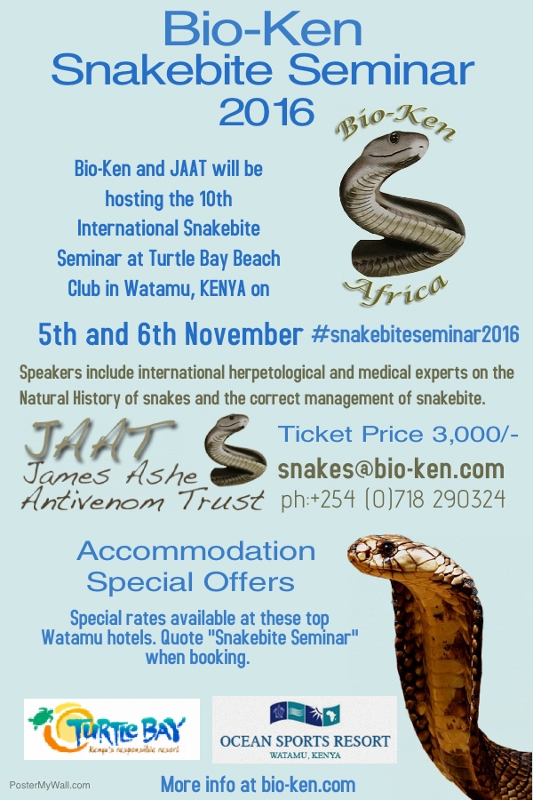
Jackson Mwamure is the Snake Man of Mida Creek Watamu Kenya. He has a genuine love for these amazing reptiles, who are more friend than foe to humans. Sita Snake Park is a collection of a variety of reptiles are found in this beautiful UN Protected Biosphere Area. The Park is open to the public and everyone can appreciate the snakes, tortoises and a chameleon, in a safe environment, approved by Kenya Wildlife Service.

Learn more about reptiles – and visit Sita Snake Park when in Watamu.

Tracking the rare Indian Ocean Humpback Dolphin

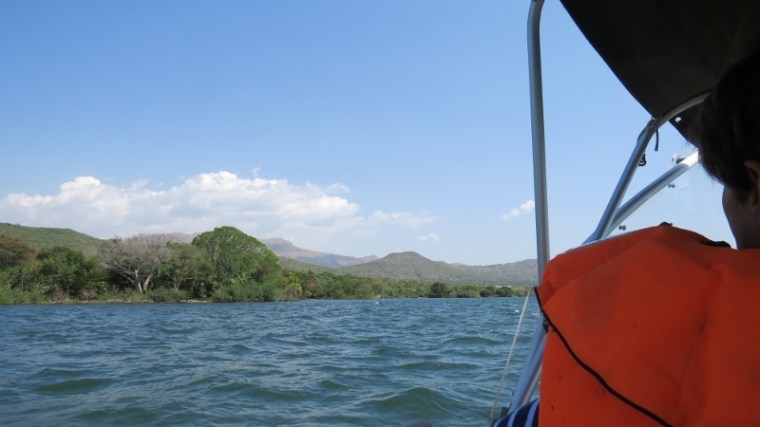
Dolphin researcher Dr Gill Braulik and her team with the Wildlife Conservation Society have been scanning the waters of the Indian Ocean between the islands of Pemba and Misali for humpback dolphins since dawn, when suddenly a pod surfaces for air.

The excitement is palpable. Straightaway, the team starts taking pictures of the dorsal fins and record the exact sighting location with their GPS. The exercise will continue for two weeks, 11 hours a day, using a local dhow, come rain or shine.

Gill Braulik, head of the WCS dolphin team, has been studying dolphins for most of her adult life. She set up a dolphin research project in Pakistan, to study one of the world’s most endangered species — the Indus River dolphin.

Read more on the rare Indian Ocean Humpback Dolphin in Pemba waters

Be Clear about the Cheetah

Dr. Elena V. Chelysheva (PhD) is Project Founder and Principal Investigator of Mara-Meru Cheetah Project

Q and A about why we MUST be clear about Cheetahs

Can you explain briefly why we need to save cheetah

Cheetah as a species survived a genetic bottleneck approximately 12,000 years ago, when only a few thousands individuals were left in the world. Cheetah recovered in numbers, and in the beginning of 20th Century there were around 100,000 animals in Africa and Asia. Growth of human population, its activities and expanding their territories led to the drastically declining of cheetahs in the wild. Today the known cheetah population is only 6,700 (IUCN Red List, 2015) and estimated to be not more than 10,000! Such a rate of declining could lead to the total extinction of the species in the next 50 years. Saving the cheetah for posterity – is protecting its environment by working with local communities, stakeholders and authorities, as well as with international organizations and people.

Continue reading “Be Clear about the Cheetah”