With a few more days in the hills with a mission to spot Taita apalis, our next stop is to Ngangao the largest forest block, Vuria the highest peak, followed by Msindunyi a tiny forest block where Dr Luca Borghesio and research assistant Lawrence Wagura – both associates of the National Museum of Kenya – discovered an undocumented population of Taita apalis in 2012. In total, the indigenous forests measure less than five square kilometres.
Published:Saturday magazine, Nation newspaper 13 January 2018
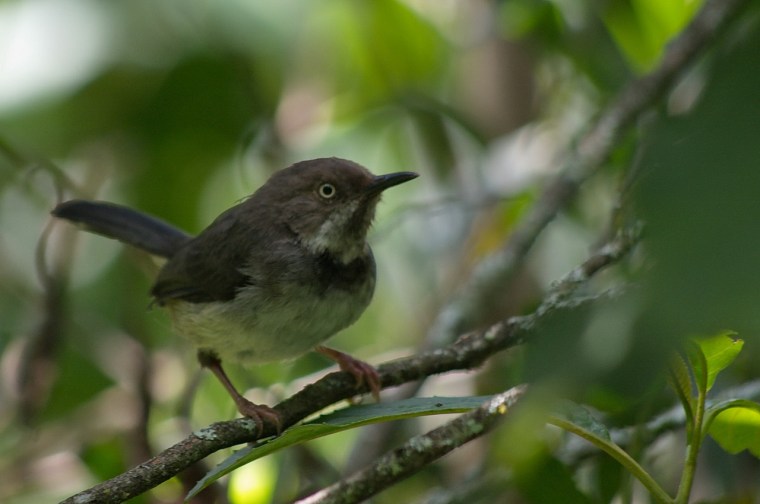
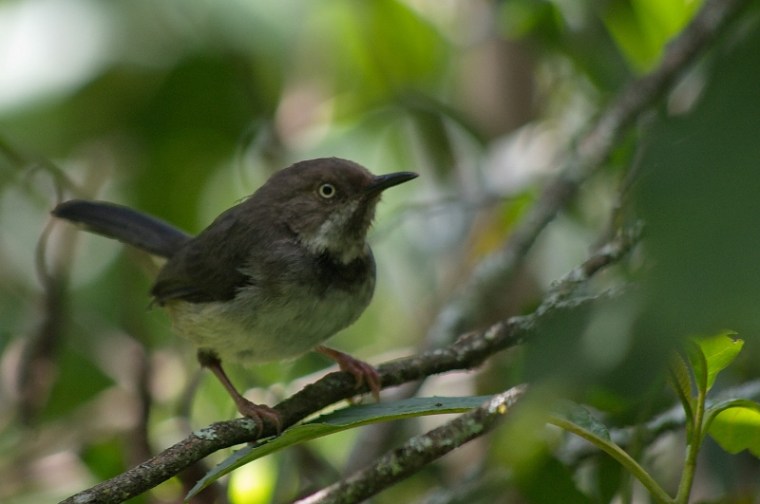
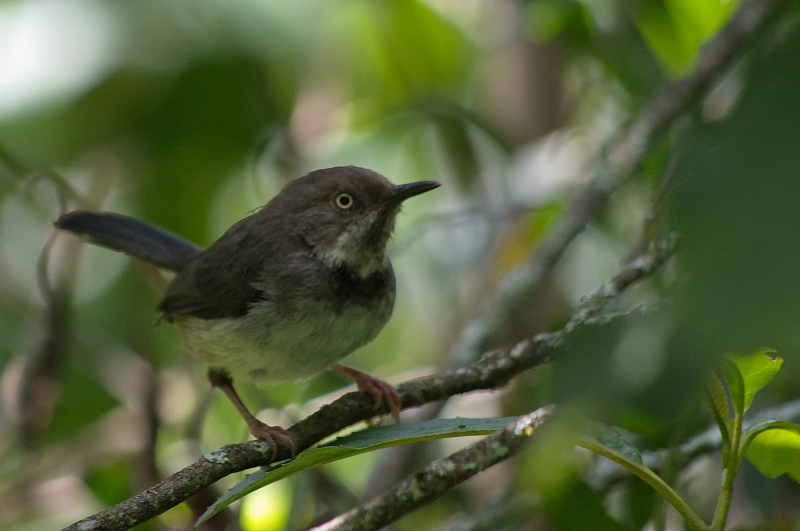
Above: Taita apalis – criticaly endangered – fewer than 200 survive today in fragmented forests of the Taita Hills in an area of five square kilometers (copyright Luca Borghesio)
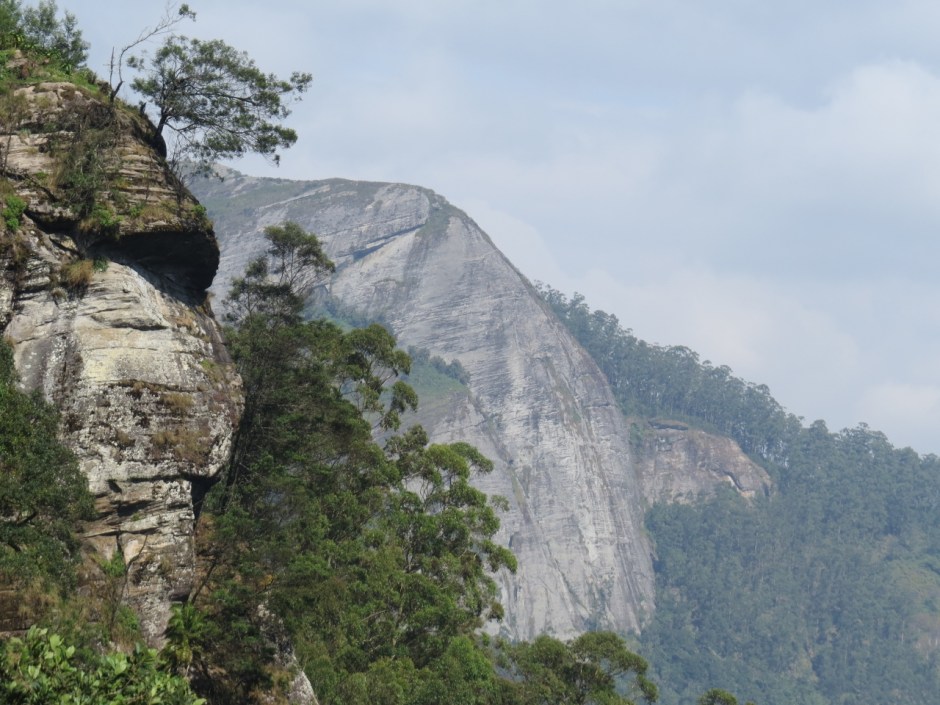
The mist swirls and whirls, white and dense, hiding and revealing the valleys and peaks of the hills. We’re on a climb to reach the top of the ancient bare rock that tops the forest of Yale in the Taita Hills.
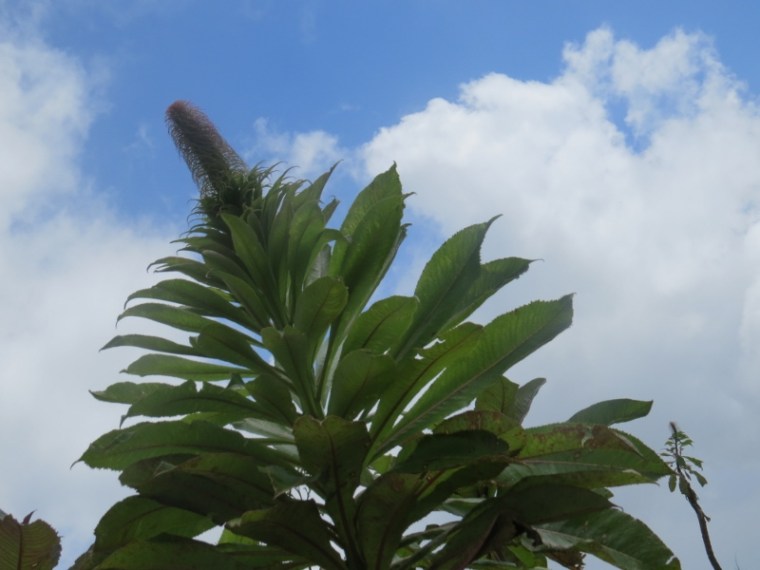
Indigenous plant of the mountains – Lobelia gibberoa on Yale hilltop that is part of Taita Hills. Copyright Rupi Mangat
Published Saturday magazine Nation newspaper 9 September 2017
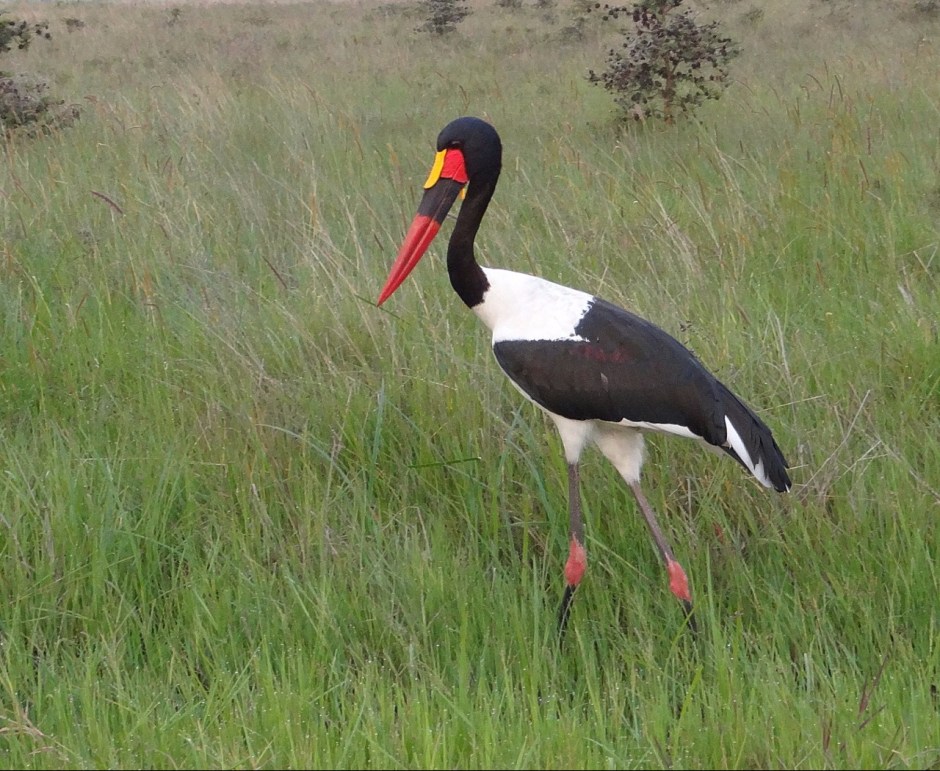
Above: Saddle bill stork in Nairobi National Park. Copyright Sidney Shema
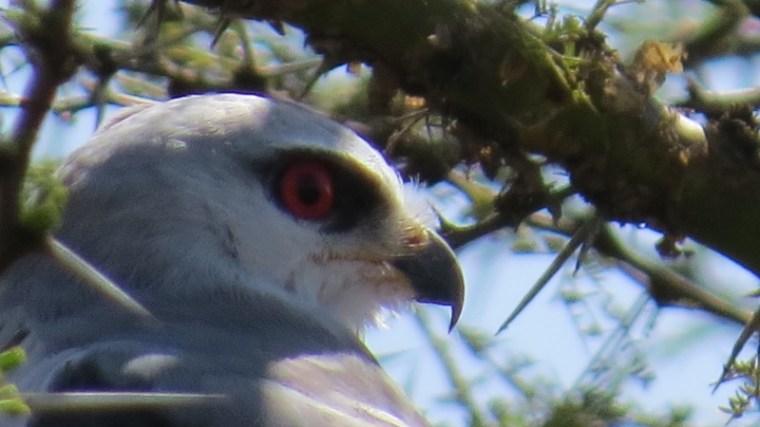
Raptor in Nairobi Copyright Maya Mangat
Nairobi is the birding capital of the world with more than 500 species recorded of the feathered kind. Few cities can rival that.
So when on a Wednesday morning it was announced that the Nature Kenya bird-walk would be in a swamp in the city, l was more than intrigued. I’ve long been fascinated by swamps (also called wetlands or vlei) because they are the heartbeat of the earth. Literally – these natural spaces sponge up the rain and floods and then store them in underground aquifers and release the water gradually to the surface for us to use.
They are also places of amazing diversity – of flora and fauna. So the reason for going to this little swamp in the city was in the hope of seeing one spectacular bird – the Saddlebill stork – which the birders had seen there before.
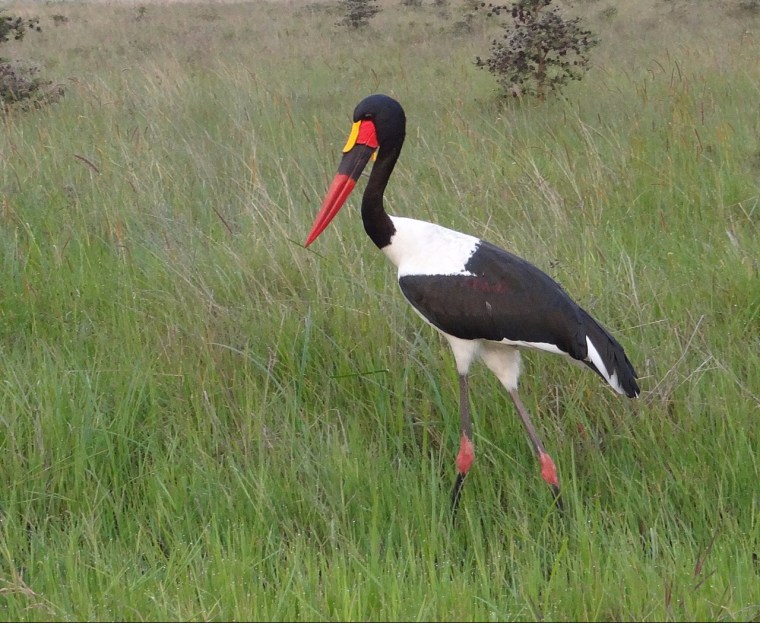
This beautiful stately bird is of the wetland and one of the tallest storks – around five feet with a wingspan wider than my height. It’s easy to identify – its massive bill is red with a black band with its signature yellow saddle – on the front of the bill.
Being a bird of the swamps, it’s no surprise that even the Ancient Egyptians had it in their hieroglyph. Egypt, Sudan and other countries along the Nile have since antiquity boasted of magnificent swamps like the great Sudd that holds one of the greatest migrations in the world – of the Uganda kob – akin to the Mara-Serengeti annual wildebeest migration across the vast savannah plains.
Saddle bill stork in Nairobi National Park. Copyright Sidney Shema
So in search of the Saddlebill, l arrived on a rainy August Wednesday morning at the Nairobi Museum car park for the bird-walk – something the amazing Fleur Ng’weno started on one fine morning in February 1971 and continuously being doing so – even on rainy days.
Donned in raincoats we made it to the swamp in the city – a tiny patch along Redhill Road that the resident’s association wants to keep intact – one of the reasons being that it’s important water storage.
A flock of Violet-backed starlings took to the sky, their amethyst backs not so iridescent under the cloud-filled sky. Nevertheless it was exciting because these amethyst-jewel coloured birds are always seen far above the ground.
“Before Redhill Road was upgraded it was easier for bushbuck and suni to cross from Karura forest to the swamp,” recalled Simon Johnson of Rosslyn Developments Ltd that has looked after the swamp since the estate was created in the early 50’s.
“The swamp has always been this size. It tends to stay flooded for longer these days probably because the old drainage across the Redhill Road towards Karura has been blocked by the upgraded roadworks. Mongooses and civet cats are sadly more often seen as road kill nowadays.”
Asked why the residents were so keen to save the swamp, Johnson replied “Since the houses rely on a borehole supply, a place for the rain to reach the aquifer was considered important. This was at a time was Rosslyn was still part of Kiambu and surrounded by coffee estates.
“Now that Rosslyn is surrounded by other residential and commercial developments that are part of the developing City, RDL treasures this open space even more. The fact that it is a natural wetland makes it even more special and we are in the process of making sure this natural wetland is kept intact.”
By now the skies opened and after an hour we decide to go birding in the bird gallery in the Nairobi museum.
It is in the museum as a child that l first became aware of the big wide world of birds – there are most of Kenya’s 1,100 species on display from the tiniest bee-eaters to the mighty African crowned eagle – one of Africa’s most powerful raptors in the gallery. It’s interesting to read the tags with descriptions from the days of ‘Kenya Colony’ – 1920 to independence in 1963.
Anyway – Kenya is a great staging post for the great bird migration that happens every year. Up to 5,000 million birds fly to Africa from the cold northern climes to sunny Africa in search of food and space. This amazing bird migration was first recorded in Tsavo West National Park at Ngulia Lodge in 1978 by accident – when the lodge lit its lights at night, the birds flew closer to earth and stunned the world.
Since then it’s become an annual event with bird lovers from all over the world perching at Ngulia to see this spectacle – with the story on display in the bird gallery.
Taita apalis – critically endangered in Taita Hills Kenya surviving in a tiny patch of forest – the size of Westlands CBD in Nairobi Copyright Luca Borghesio
Wandering through the aisles, many of these birds are facing troubled times as their spaces are encroached on – wetlands being wiped out, forests axed and grasslands cemented – because of our demands. Two of Kenya’s birds are already on the list – nearly extinct – unless we restore their forests high on the hills of the Taita.
Taita apalis – critically endangered in Taita Hills Kenya surviving in a tiny patch of forest – the size of Westlands CBD in Nairobi Copyright Luca Borghesio
Taita Hills forest – of the Eastern Arc mountains in Kenya Copyright Luca Borghesio
The Taita hills landscape is 95% deforested Copyright Luca Borghesio
The Taita Apalis is a small songbird found only in Kenya: only in the forests of the Taita Hills.
And it can become Kenya’s first bird to become extinct if nothing is done to save its habitat.
This slideshow requires JavaScript.
Today fewer than 200 remain. It is therefore CRITICALLY ENDANGERED – threatened with extinction. If nothing is done, Kenya might lose this bird species forever.



 Moonlion Safaris