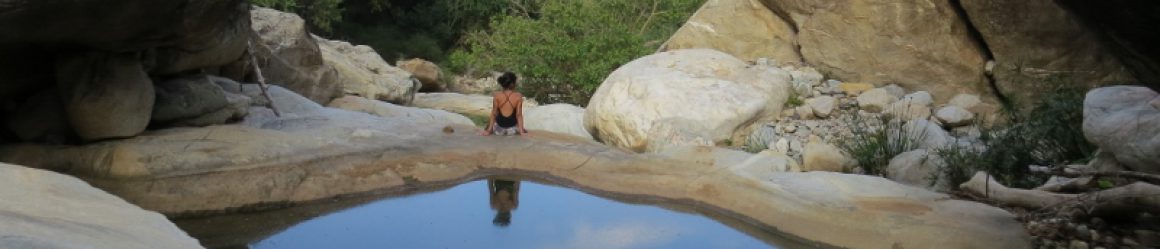
Time travelling through Olorgesailie

The fascinating metropolis of ancient ancestors

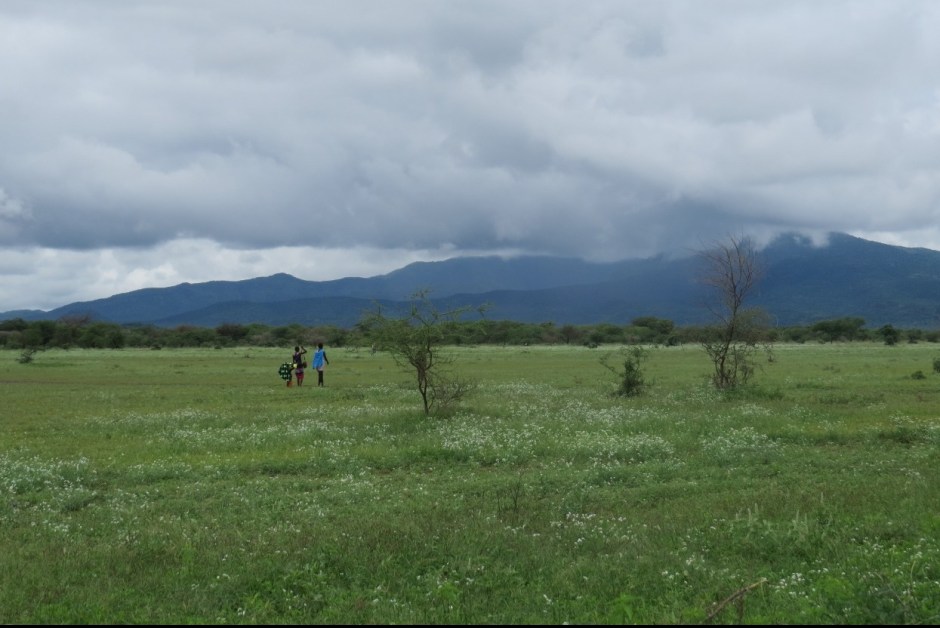
Above: Mt Olorgesailie decked in cloud and wild flowers – copyright Rupi Mangat 5 May 2018

Published: Saturday magazine Nation newspaper 5 May 2018
IMG_2809 (800x600)
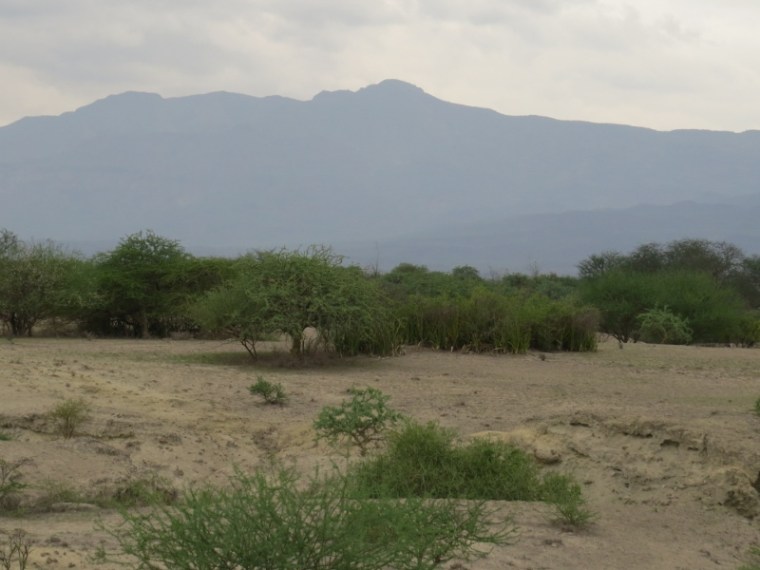
Dry weather in November 2017 – Mt Esakut from Olorgesailie – copyright Rupi Mangat 5 May 2018

I’m alone walking between two ancient volcanoes on sands that have weathered the times and bleached white by the relentless sun with volcanic rubble strewn around. Tiny white flowers and petals of yellow on skeletal green stalks that otherwise are so brittle during the dry season carpet the ground.

I’m at Olorgesailie, home of our ancestors, the upright human or Homo erectus who walked out of Africa and into the bigger world a million years ago.

In my aloneness my mind begins to wander. Continue reading “Time travelling through Olorgesailie”
Undercover Story at Brackenhurst Botanic Garden

Iphone mark 142 (1) (600x800)
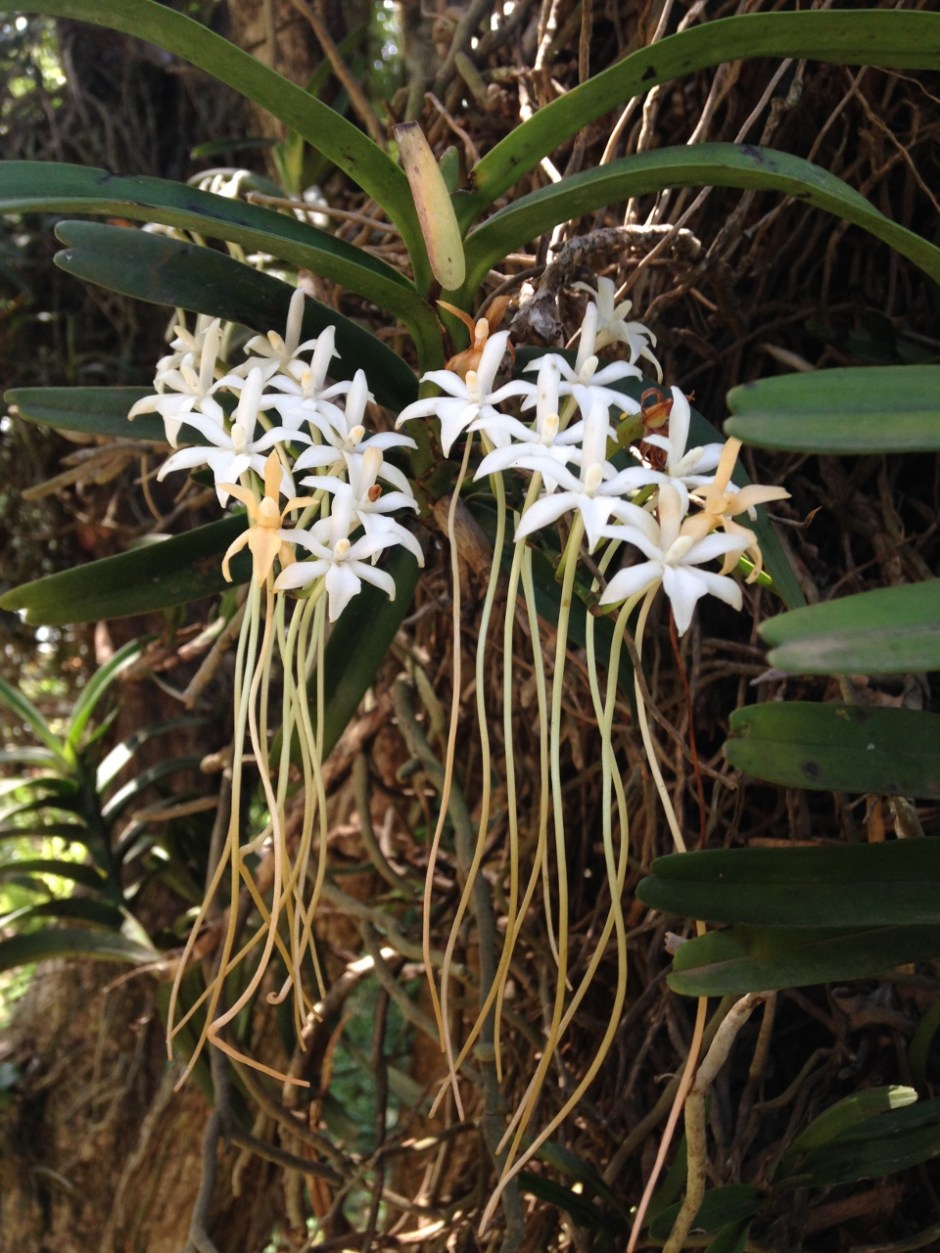
Indigenous orchid in Kenya – Iphone at Brackenhurst Copyright Mark Nicholson

Above – Orchids – indigenous to Kenya at Brackenhurst in Limuru – Iphone
Copyright Mark Nicholson

Published Nation newspaper Saturday magazine 21 April 2018

“Africa and Madagascar were joined like this,” demonstrates Dr Mark Nicholson of Plants for Life and the person who has recreated the natural forest at Brackenhurst Botanic Garden in Limuru as a model to show that indigenous forests can be restored after removing plantations of exotic trees.

Continue reading “Undercover Story at Brackenhurst Botanic Garden”

Nairobi Snake Park

Face- to-face with Omieri again

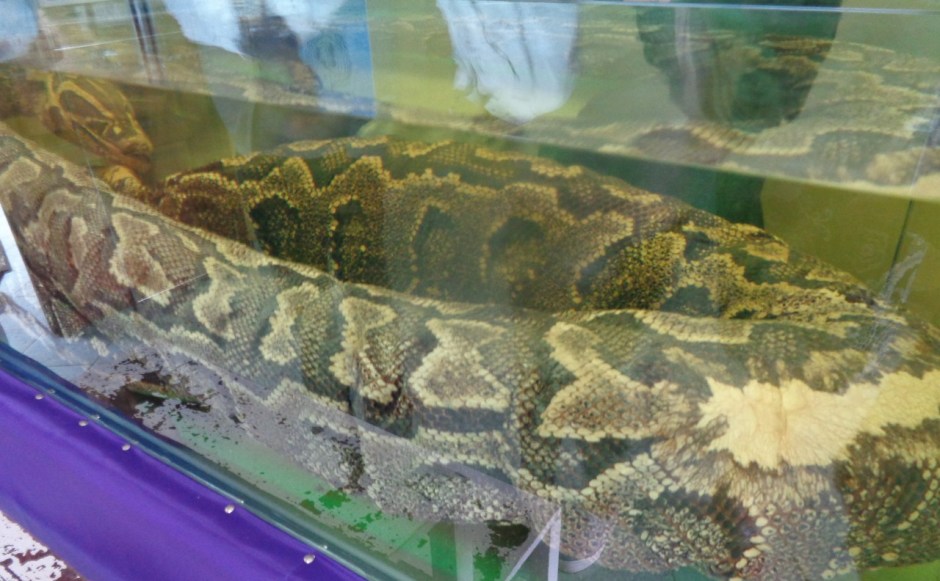
Above: Omieri the African rock python in her new glass cage. Notice the burn mark on exreme right that she received in 1987 – which led to her death.
Copyrigt Rupi Mangat

Published: Saturday Magazine Nation newspaper 14 April 2018

In 1987 l went to see Omieri the she-python who suddenly shot to fame on account of having being caught in a fire that left her in very bad health. She was coiled lethargic in her glass cage and succumbed to her wounds on 25th June 1987. In the passage of time, l forgot about her.

Fast forward to 27th March 2018.

Thirty years later l’m face-to-face with Omieri again. This time though she’s dead, her long beautifully patterned body in a special glass case and preserved in ethanol. Her burn wound is visible but she’s now a national celebrity on permanent exhibition at the Nairobi Snake Park thanks to a young woman called Diana Injendi.

Continue reading “Nairobi Snake Park”

The Happy Herons of Manguo Swamp

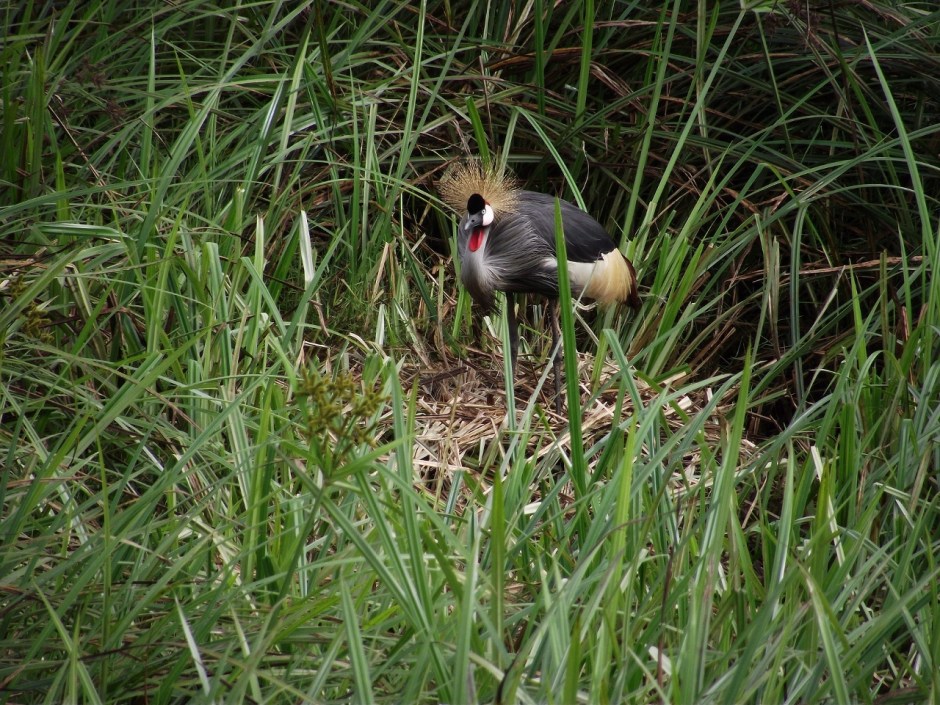
Above: Grey Crowned Crane on its nest (not in Manguo Swamp because they don’t nest there)
Copyright: International Crane Foundation / Endangered Wildlife Trust Partnership

Published: Saturday magazine, Nation newspaper 31 March 2018

DSC09365 (800x600)
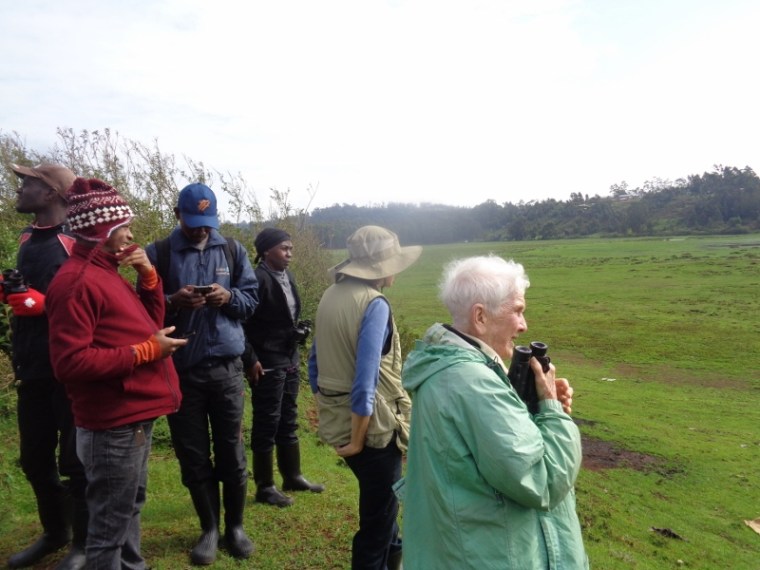
Fleur Ng’weno in green jacket who has started bird walks in Nairobi in February 1971 and still at it – Manguo Swamp March 2018 Copyright Rupi Mangat

It’s a cold and rainy March morning but some of us need to escape the dull city skies. So meeting the Nature Kenya friends for the regular third Sunday of the month (including Wednesday mornings) that have gone on uninterrupted since the eminent Fleur Ng’weno started them in February 1971, we settle on Manguo Swamp.

There are two reasons for this.

Continue reading “The Happy Herons of Manguo Swamp”

Nestled in Naivasha

Published: Saturday magazine, Nation newspaper 24 March 2018

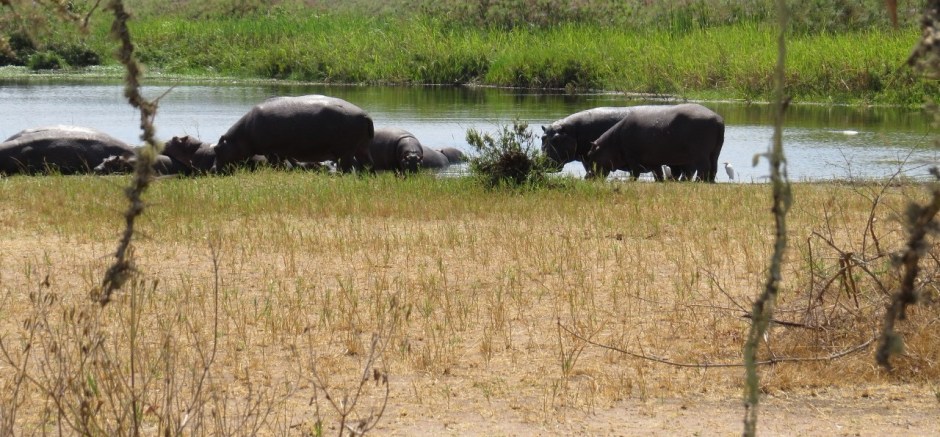
Above: Hippos ashore. Copyright Rupi Mangat

It’s late returning to Nairobi from upcountry. We find a campsite to spend the night on the fringes of the freshwater Lake Naivasha, the highest of the Great Rift Valley lakes in Kenya. There’s just enough daylight for a walk around the papyrus-lined shore with the hippos honking, preparing to come ashore to dine for the night.

The papyrus ruffles in the evening breeze. It is an amazing plant. Ancient Egyptians used it to make their scrolls that today show their ancient past. In terms of eco-services, the papyrus is home to wildlife like fish, birds and hippos. The green plant also stabilizes water levels and moderates temperatures around lakes and rivers. Yet today there’s less than 10 per cent around Lake Naivasha.

Continue reading “Nestled in Naivasha”