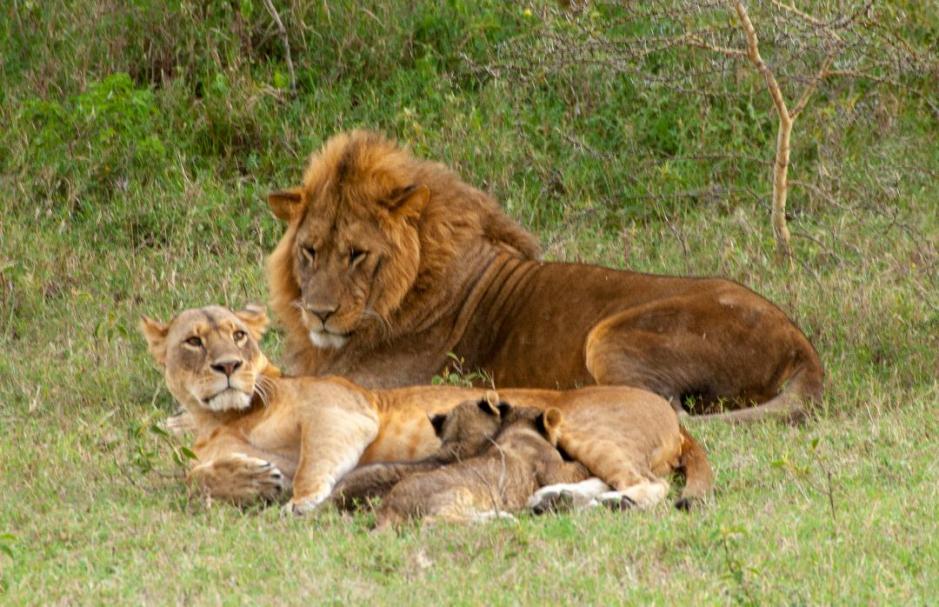
Above: Seen on Sept 13 2018 at Soysambu. The male in the photo is SM2 (collared) who is Flir’s son and the female is SF3, Valentine’s daughter. We think Flir and Valentine are sisters so they would be cousins. Unknown father’s but they are one or two of the males in Nakuru National Park. Copyright: Kat Combes
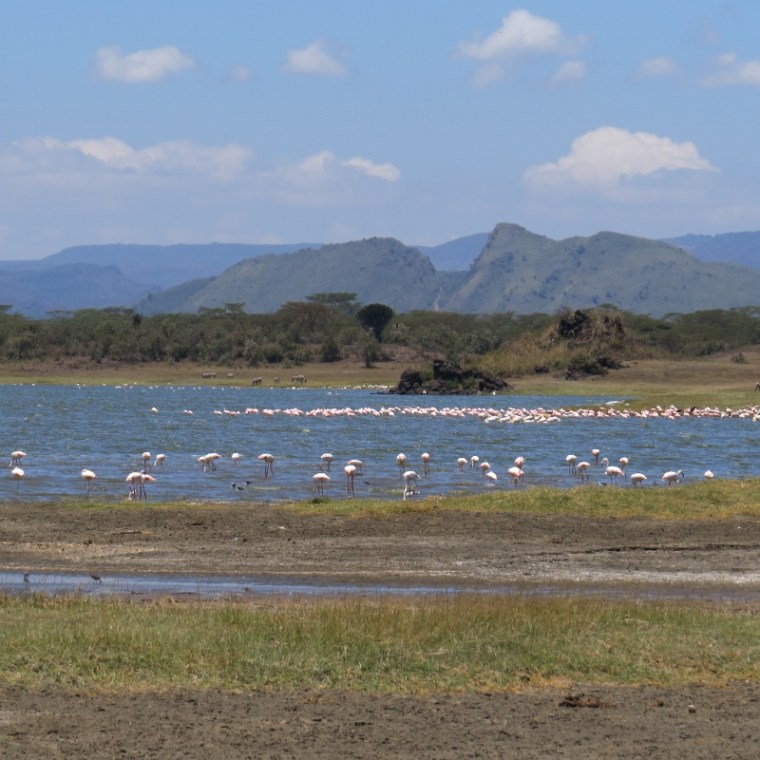
Soysambu Conservancy with Flamingos on Lake Elmenteita and Delamere’s Nose. Copyright Rupi Mangat
There’s so much happening at Soysambu, the wildlife conservancy straddling the soda-fringed Lake Elmenteita in the Great Rift Valley. It draws one like magnet to keep up with its intrigues. For starters the wildlife haven is set picturesquely between the fresh water Lake Naivasha and the alkaline Lake Nakuru and being part of the volcanic upheavals from the last 20 million years or so, it’s a tapestry of little mountains with craters, volcanic rubble and an inch-thick layer of soil good only for hardy grass and trees.
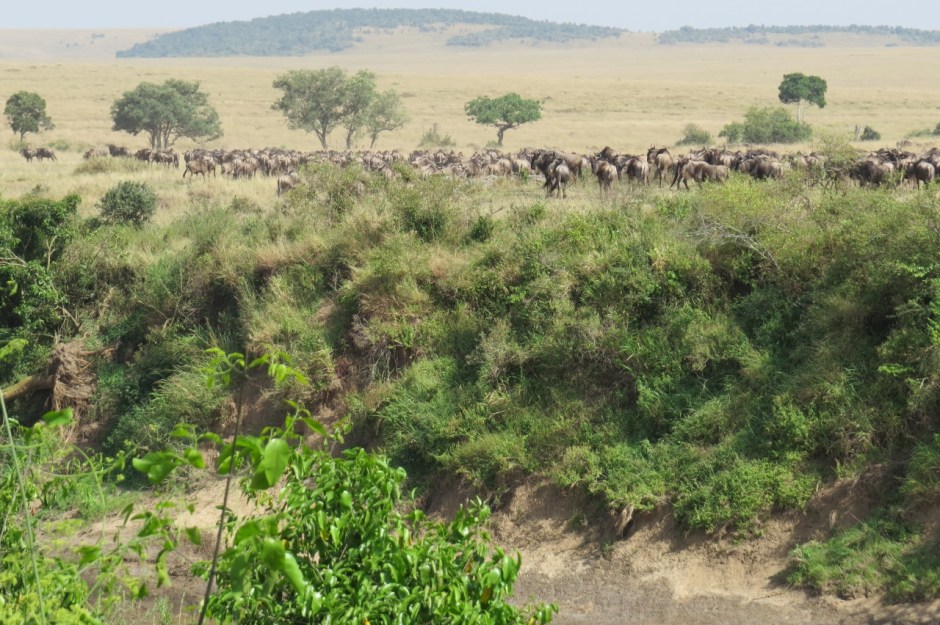
Friends wanted a holiday with a difference. Not the usual coast and game parks. Since it was August, high on the list was the migration. That is, the annual migration of the wildebeest trekking in from neighbouring Serengeti into the Mara following the grass route that is their diet.
So with 10 days on hand to arrange a safari on a budget – that was the other thing – it had to be affordable and at the same time not cheap hovels. It’s a notion that you can only enjoy a holiday if you have tons of money in high-end hotels and lodges. Kenya and the rest of East Africa are opening up to local budget travellers in style.
This was easy. From the Mara to Mfangano via Mbita Point and return via Menengai – by chance all beginning with M, we set out to our first destination. Continue reading “West Side Story”→
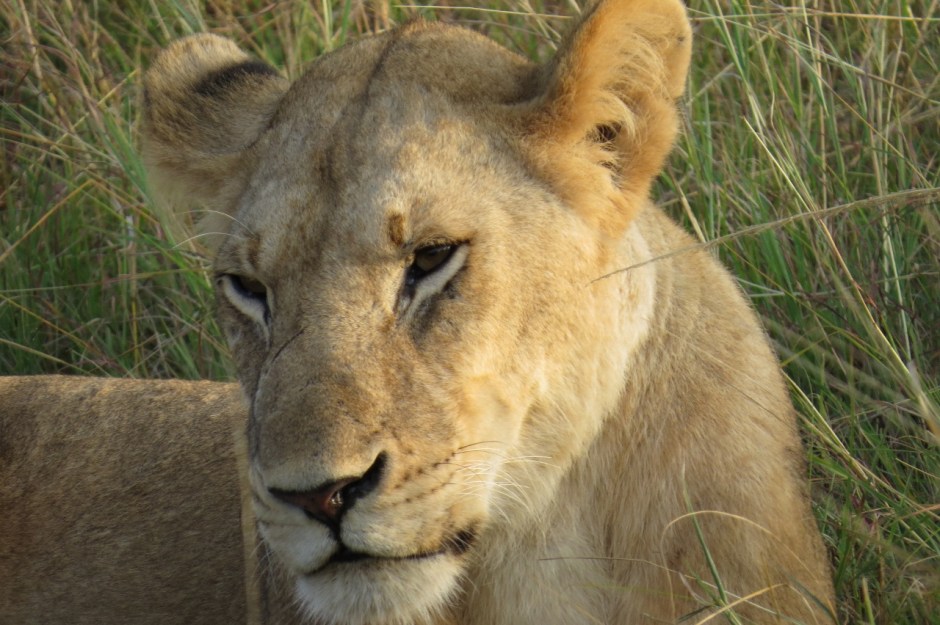
Above: Lioness at dawn in Maasai Mara National Reserve August 2018
Copyright Rupi Mangat 2018
The wildebeest crossing takes the entire day. The following morning packed with a picnic breakfast and lunch from Crocodile Camp on the banks of the Talek river by Talek gate, we’re inside the reserve but this time heading to the Olkiombo plains on the west side of Mara with the Oloololo escarpment lined in the horizon. The Talek is a main tributary flowing into the mighty Mara River. Continue reading “The Big Cats of the Mara”→
After the grand spectacle of the blood moon that lasted an hour and 43 minutes, the sun rises red hot with splashes of pink and gold that l watch from the luxury of my room at Magadi Sports Club. The plan is to leave before the sun gets too hot to see the wildlife in Shompole Conservancy between the caustic lakes of Magadi and Natron with a stop at Natron. Natron is in Tanzania but with the heavy rains, the lake has flooded into Kenya.
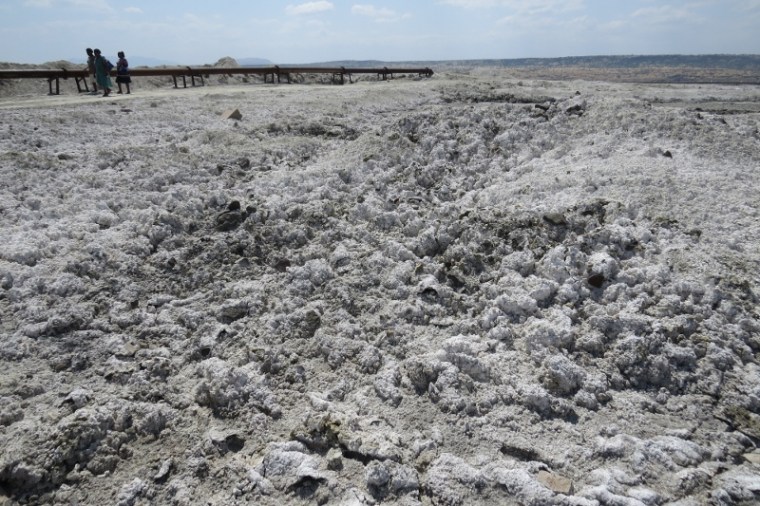
No causeway across the salt pan at Magadi – copyright Rupi Mangat
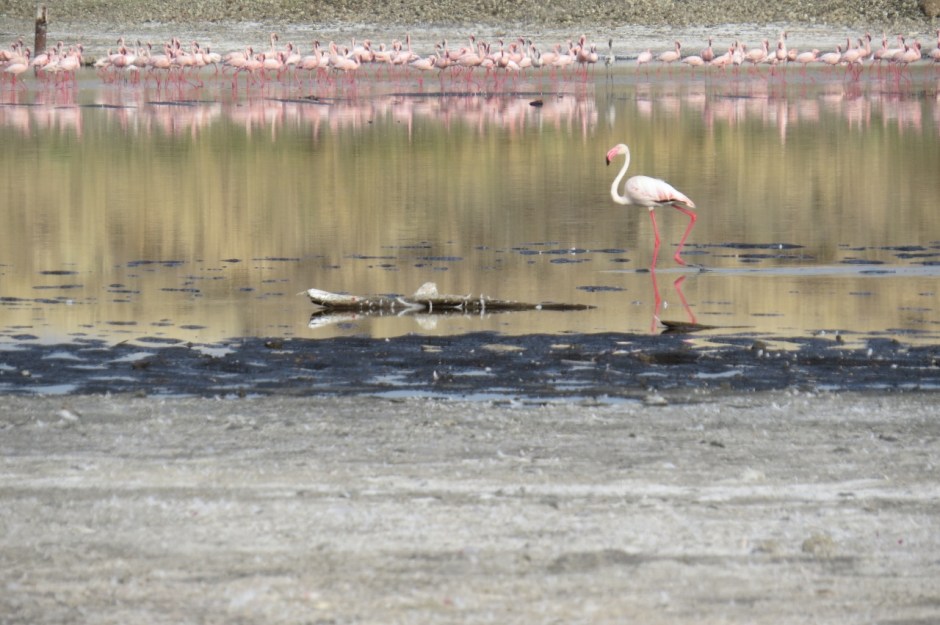
The causeway that would have shortened our journey through Magadi’s flat soda pans is aborted because it’s been washed away with the heavy rains. The longer route along Magadi’s salt-lined dry moonscape is welcome, watching hordes of lesser flamingos, some greater flamingos, pelicans, yellow-billed storks and the smaller waders. Magadi’s little endemic fish, the Magadi tilapia attract the fish-eating birds.
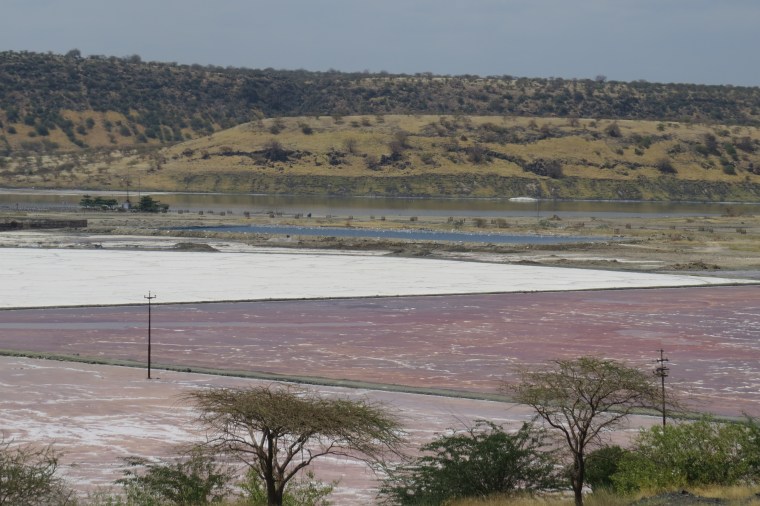
Pink trona pan on lake Magadi – copyright Rupi Mangat
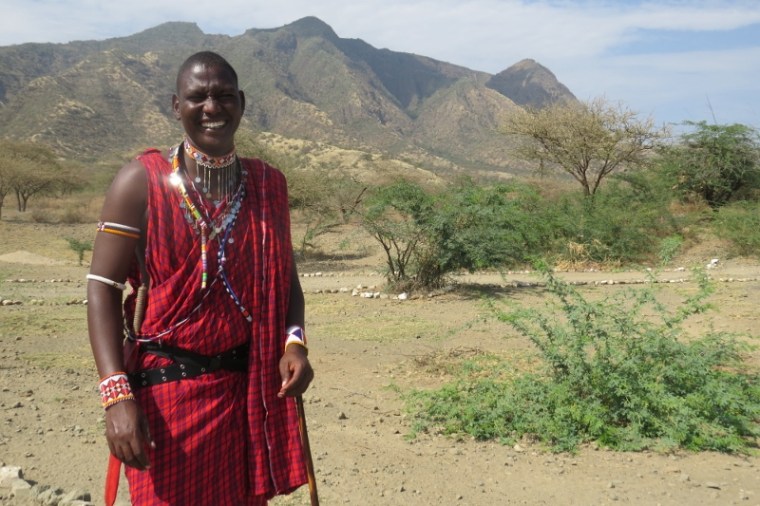
“When Magadi is dry, it’s a pink lake,” tells Duncan Kitipa, the local Maasai Guide with Lake Magadi Adventures, a community project under Magadi Soda Foundation where all profits are channelled to the Maasai members for development projects.
Kitipa continues. “But after the heavy rains in April, the Ewaso Nyiro River (not to be confused with the Samburu one) flowing from Narok in the north changed course and flooded everything, destroying peoples’ homes and the causeway.”
Medicinal hot springs of Magadi – copyright Rupi Mangat
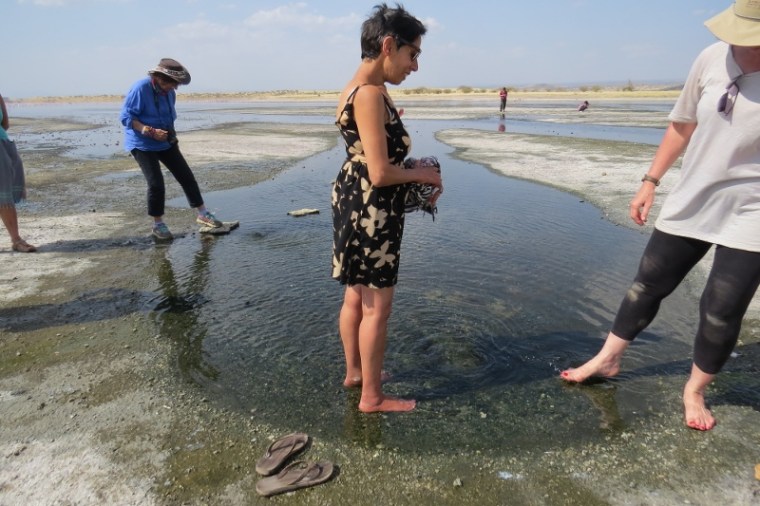
Stepping out on the salt-crusted shoreline, the famous hot-springs are underwater with few bubbles pointing to them. The water in the drowned springs is nevertheless hot. Stepping in, it feels therapeutic because the water is said to be medicinal.
“There are a million lesser flamingos in Magadi now, something l have never seen,” tells our young guide.
Kitipa by Shompole Hill in Shompole conservancy -copyright Rupi Mangat
It is on these salt flats that one of the greatest dramas in nature was played out. In 1962, more than 850,000 chicks hatched in Lake Magadi – something never witnessed. Heavy rains that year had flooded the birds’ traditional nesting ground on Natron. So while there was a lot of algae to feed on in Natron, there was nowhere to nest. The pink beauties descended en masse on Lake Magadi to nest.
The eggs hatched but more heavy rain flooded the nesting grounds. What followed was a crisis. The factory began drawing the freshwater. The water in the lake became super alkaline trapping thousands of flamingo chicks with salt bangles or “anklets” on the legs as the water receded.
The chicks began to die.
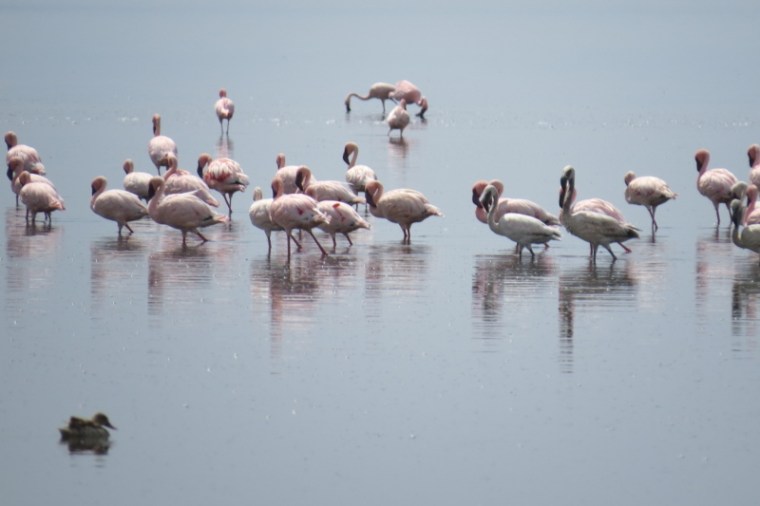
Lesser flamingos and teal in Lake Magadi- copyright Rupi Mangat
It led to a massive rescue operation by the Alan Root, a wildlife filmmaker with the late Leslie Brown who was the first to study flamingos. Over 27,000 flamingo chicks were rescued helped by the community including local school kids who caught the shackled chicks and brought them to the ‘hammerers’ to free the birds. The Magadi Soda Company started pumping fresher water back into part of the lake.
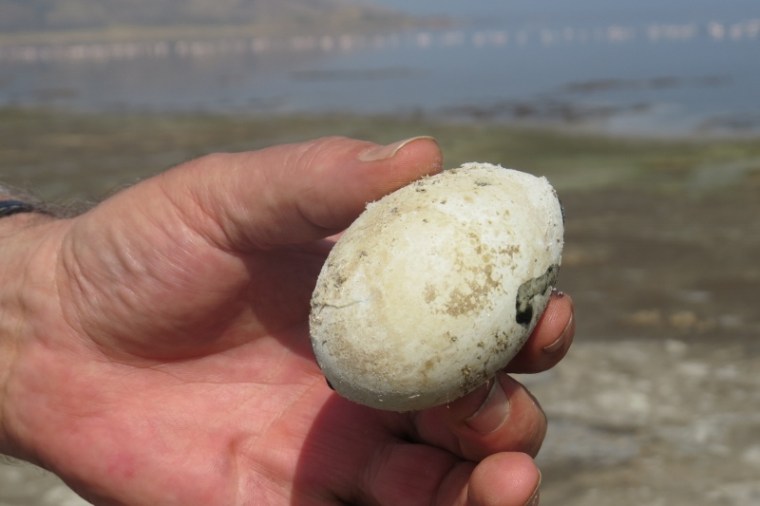
The egg that didn’t hatch – Flamigo egg at Lake Natron – copyright Rupi Mangat
Another 200,000 were saved by driving them each day away from the super-alkaline water and keeping them near the soda factory. One pink flamingo chick that was fitted with a ring during that fateful season was found dead on 13th February 2013 by a British tourist having lived a grand old age of 50, flying between the saline lakes of the Great Rift Valley in search of spirulina algae.
Shompole Conservancy at Midday with the massifs of Shompole and Sambu in the horizon – copyright Rupi Mangat
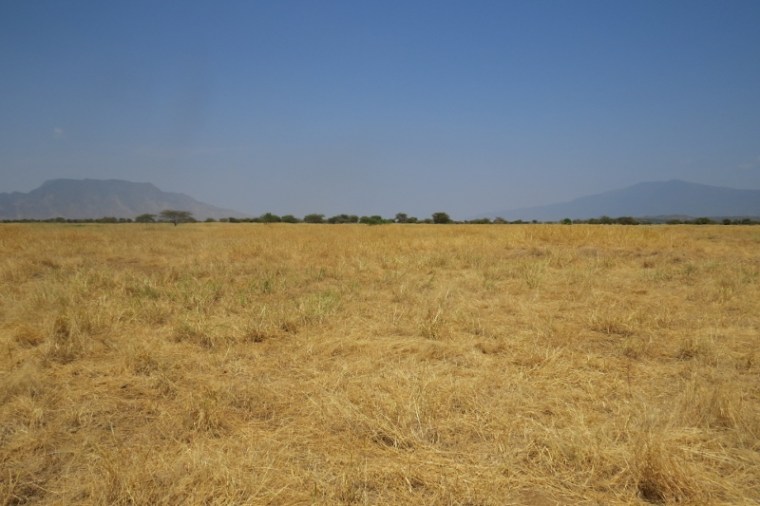
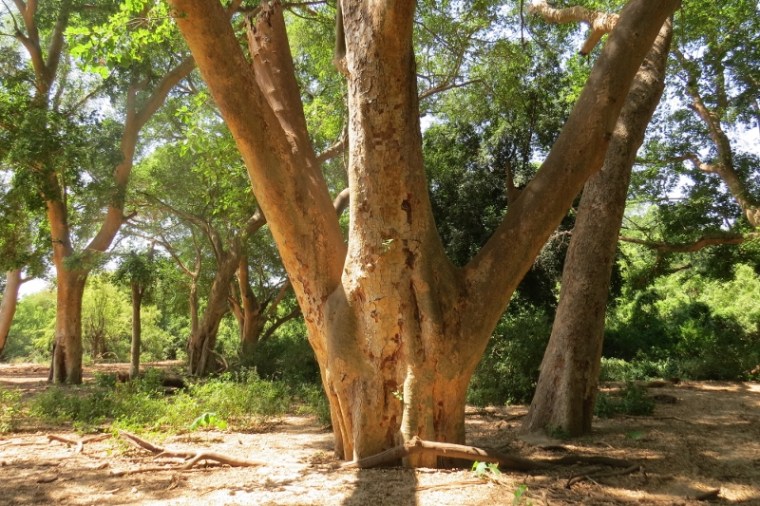
The lake fades and the massif of Shompole appears – tall and majestic. It’s midday and we make our way into the conservancy. By now, every single sensible animal has taken to the shade and any sign of the amazing elephants, elands, African wild dogs and even lions is a far-fetched dream. Dust devils rise in the scorching heat and in the midst of all this starkness we’re suddenly in a fig forest of tall majestic trees more than a hundred years old. It’s a leisurely picnic with baboons squealing and bird song.
Fig forest at Shompole for a picnic – copyright Rupi Mangat
The road to Natron is not far and driving past the Maasai villages, we are on the shores of the caustic lake between the mountains of Shompole and Sambu. The lake stretches into infinity. The road into Tanzania has been swallowed by the lake but the lesser flamingos feed on unperturbed.
The golf course by shores of Lake Magadi – copyright Rupi Mangat
Seated Maasai giraffe at dusk in Magadi. Copyright Rupi Mangat
Magadi Soda Club Copyright Rupi Mangat
Lake Natron, 54 km from Lake Magadi, is the only breeding site of the lesser flamingo in East Africa and one of the five in the world. It therefore is a very important place for the pretty pink bird.
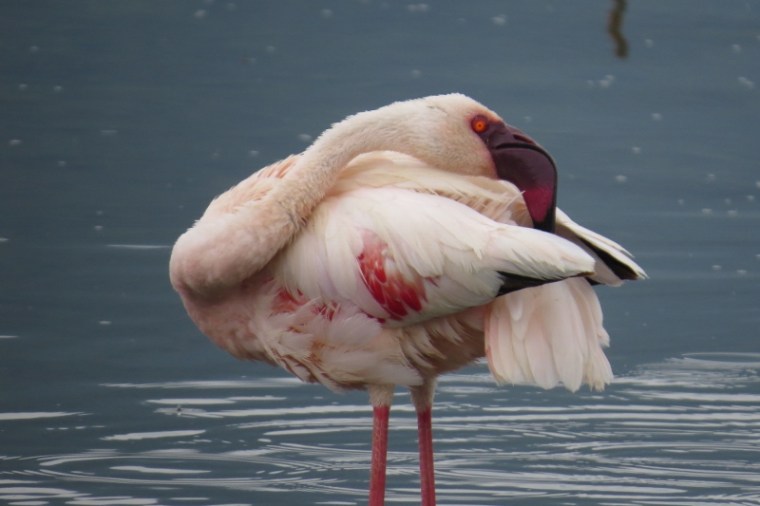
Lesser flamingo, Lake Bogoria – Copyright Maya Mangat
Up to 2.5 million lesser flamingos, representing more than three-quarters of the global population, frequent the highly alkaline lakes in Kenya, Tanzania and Ethiopia. Lake Nakuru and Lake Bogoria are the most important feeding sites. Flamingos need a regular receding flood to construct nesting mounds, and mining disturbs this natural cycle. Tata Chemicals decision not to mine at Natron has been a welcome decision.
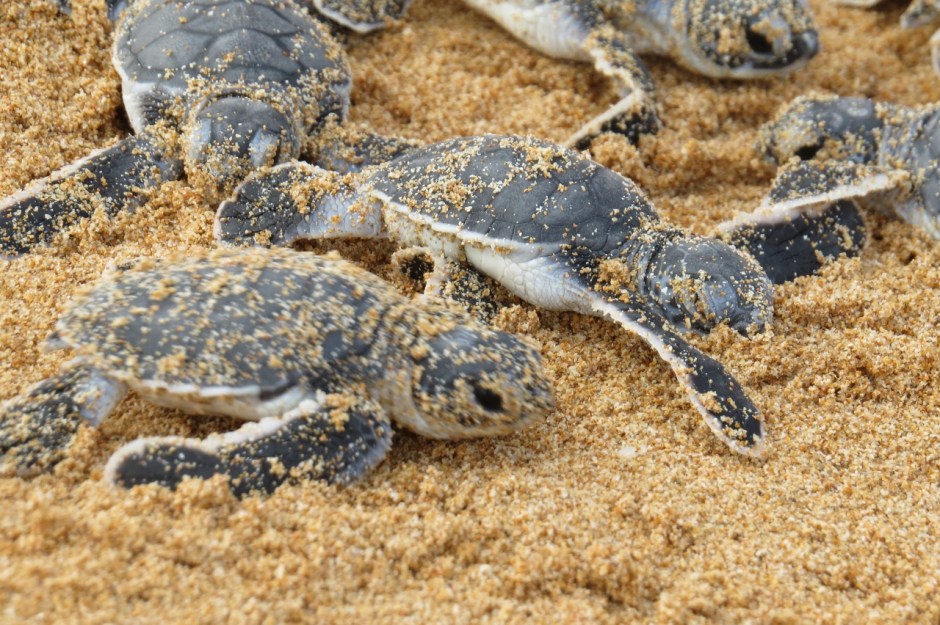
Above: Green Turtles hatching on Manda Island – Copyright Maya Mangat
“The turtles are hatching today,” announced an excited Famau Shukri of Lamu Marine Conservation Trust ( LaMCoT) over the phone. With exciting news like this first thing in the morning, l jumped out of bed and raced down the two flights of steps of Amu House, the historical 16th century old house in Lamu. “The turtles are hatching today,” l relayed the news to everyone at breakfast and plans immediately changed to sail to Shela the neighbouring village to Lamu Stone Town to meet up with Shukri.


 Moonlion Safaris