Published Saturday Magazine,Nation newspaper 5 August 2017
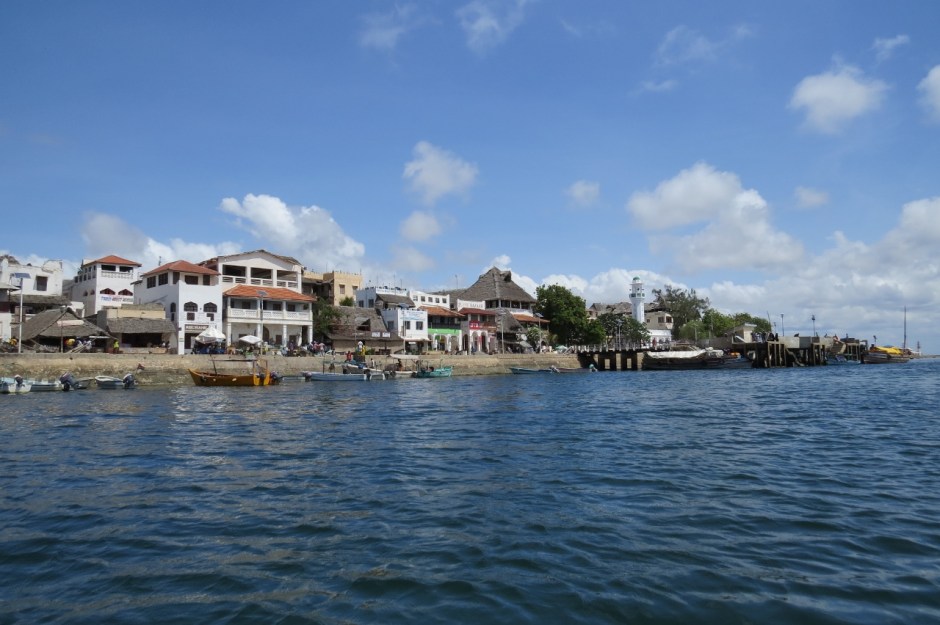
“This part of town was called Utukuni,” states Hadija Ernst of Save Lamu, a coalition of 36 local NGOs to promote Lamu’s sustainable development, while protecting its culture, history and natural resources.
Utukuni in Kiswahili means market. “It was a market street where the merchants had their warehouses.”
Rooftop Nyota House Photo: Maya Mangat
Rooftop view of Lamu from Nyota House Photo: Maya Mangat
Inside garden of Swahili House Museum with the central well to draw fresh water Photo: Maya Mangat
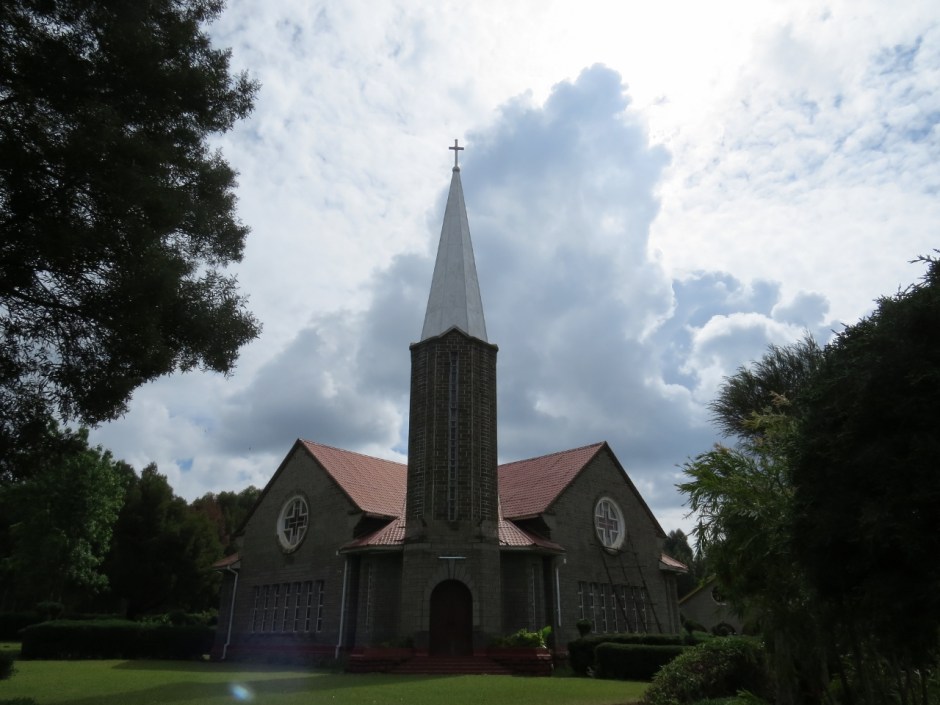
A tall silver spire breaks the tree line beyond the gorge of the Ewaso Nyiro River flowing from Thomson’s Falls in Nyahururu. “It’s an old church,” tells Pushpa Ratna of Nyahururu Panari, that’s sandwiched between the gorge and Marmanet forest, and within an easy walk to the hippo pools and the historic falls first reported to the outside world by the intrepid Joseph Thomson in 1883. He is also the first European to walk from the coast to Lake Victoria through central Kenya which was deemed dangerous because of the fearsome Maasai.
Above Castle Forest Lodge built in 1910 – the original house Copyright Rupi Mangat
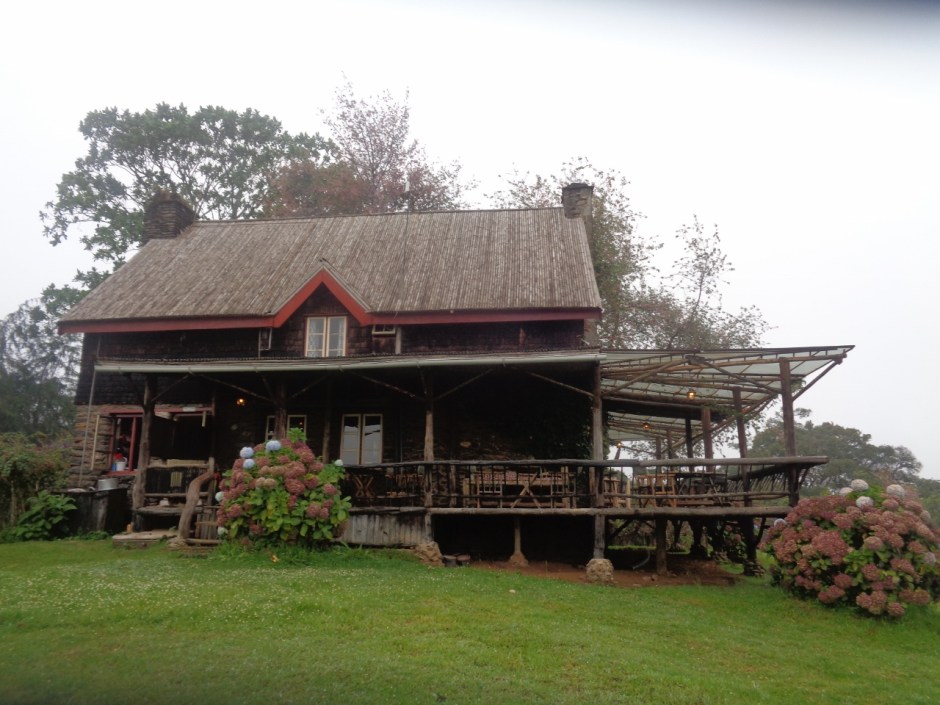
The tarmac road comes to an abrupt end at the gate of Kenya Forest Service – Castle Forest Lodge. The contrast between the flat green carpet of tea fields and the miasma of natural forest on Mount Kenya’s eastern slopes is sudden.
Castle Forest Lodge – the original house Copyright Rupi Mangat
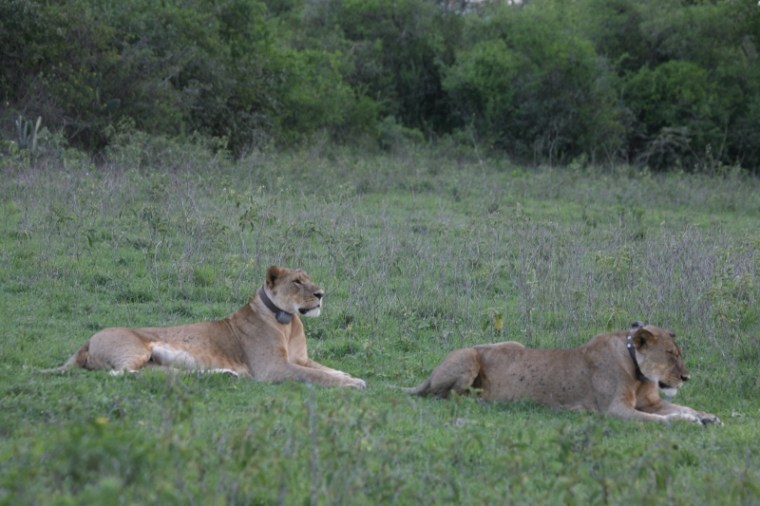
Above picture: Valentine in Soysambu Conservancy 2017 copyright Kat Combes
Both Flir and Valentine May 23 2017 when they came out of the dens in Soysambu Conservancy 2017 copyright Kat Combes
“Three lionesses turned up one day from Nakuru National Park,” tells Kat Combes of Soysambu Conservancy that straddles Lake Elmenteita. It was in July 2014.
The trio were three years old looking for their own space. Two sisters settled in but the third returned to the park separated by a wire fence.
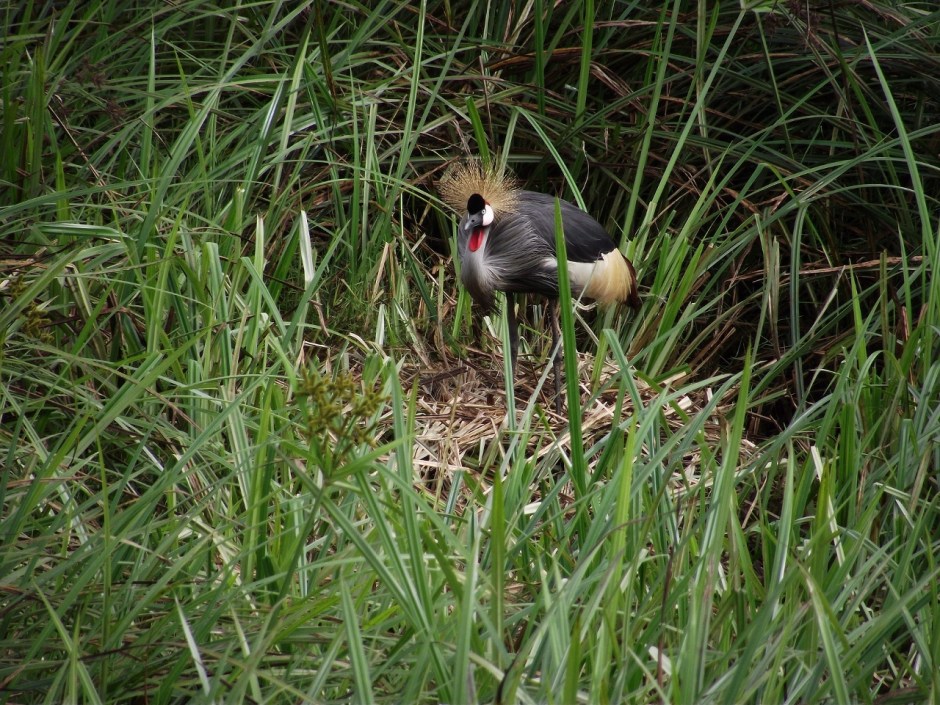
Above: Grey Crowned Crane on its nest Copyright: International Crane Foundation / Endangered Wildlife Trust Partnership
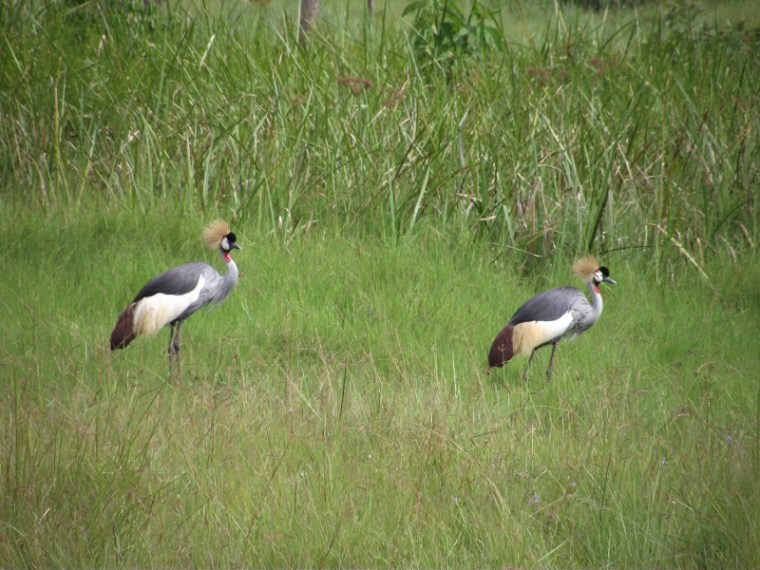
The only big lake in central Kenya is one of the last strong hold of the gorgeous Grey Crowned Crane
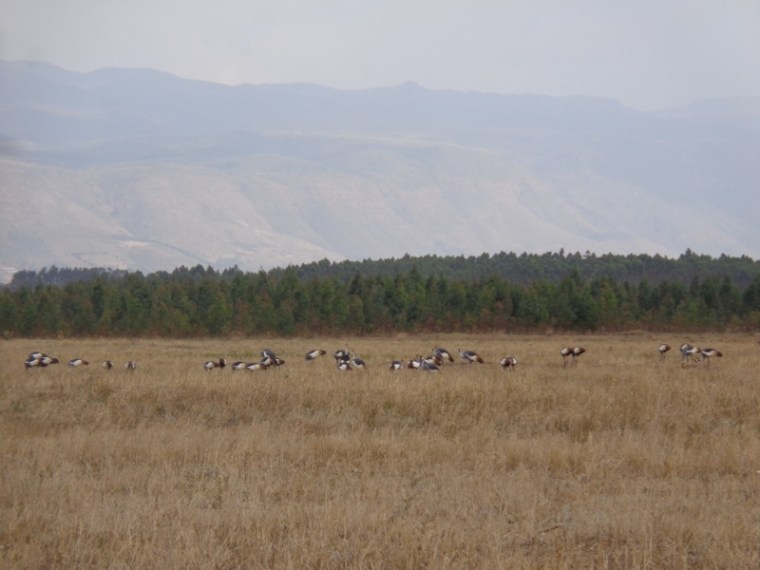
Flock of Grey crowned cranes by Lake Ol Bolossat in the shadows of the Aberdares in central Kenya Copyright Rupi Mangat
It’s busy, busy, busy with 500 Grey Crowned Cranes in front of us pecking for grains on the recently harvested wheat field by the shores of Lake Ol Bolossat stretched in the shadows of the Aberdares.
Grey Crowned Cranes pair for life Courtesy: International Crane Foundation / Endangered Wildlife Trust Partnership
“The Grey Crowned cranes are here all the time,” tells George Ndung’u, founder of the Nyahururu Bird Club, Olbolossat Biodiversity Conservation Group and of recent, the Crane Conservation Volunteers.