Nestled in Naivasha

Published: Saturday magazine, Nation newspaper 24 March 2018

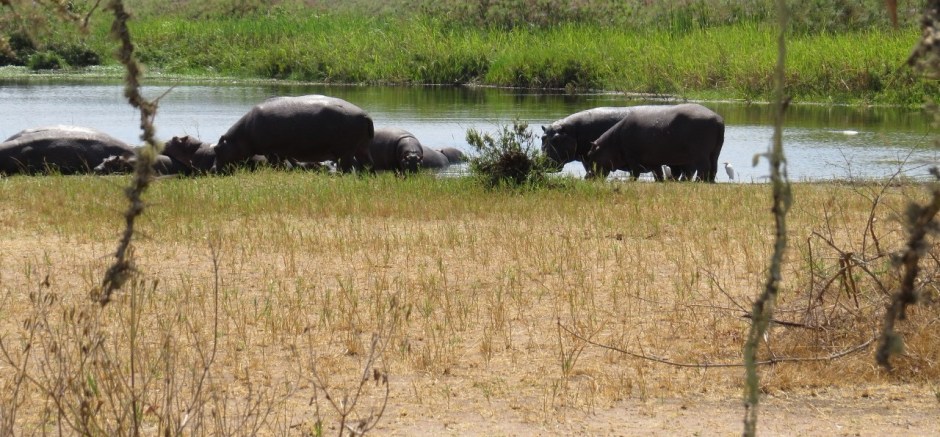
Above: Hippos ashore. Copyright Rupi Mangat

It’s late returning to Nairobi from upcountry. We find a campsite to spend the night on the fringes of the freshwater Lake Naivasha, the highest of the Great Rift Valley lakes in Kenya. There’s just enough daylight for a walk around the papyrus-lined shore with the hippos honking, preparing to come ashore to dine for the night.

The papyrus ruffles in the evening breeze. It is an amazing plant. Ancient Egyptians used it to make their scrolls that today show their ancient past. In terms of eco-services, the papyrus is home to wildlife like fish, birds and hippos. The green plant also stabilizes water levels and moderates temperatures around lakes and rivers. Yet today there’s less than 10 per cent around Lake Naivasha.

Continue reading “Nestled in Naivasha”

Tides of Hemingways

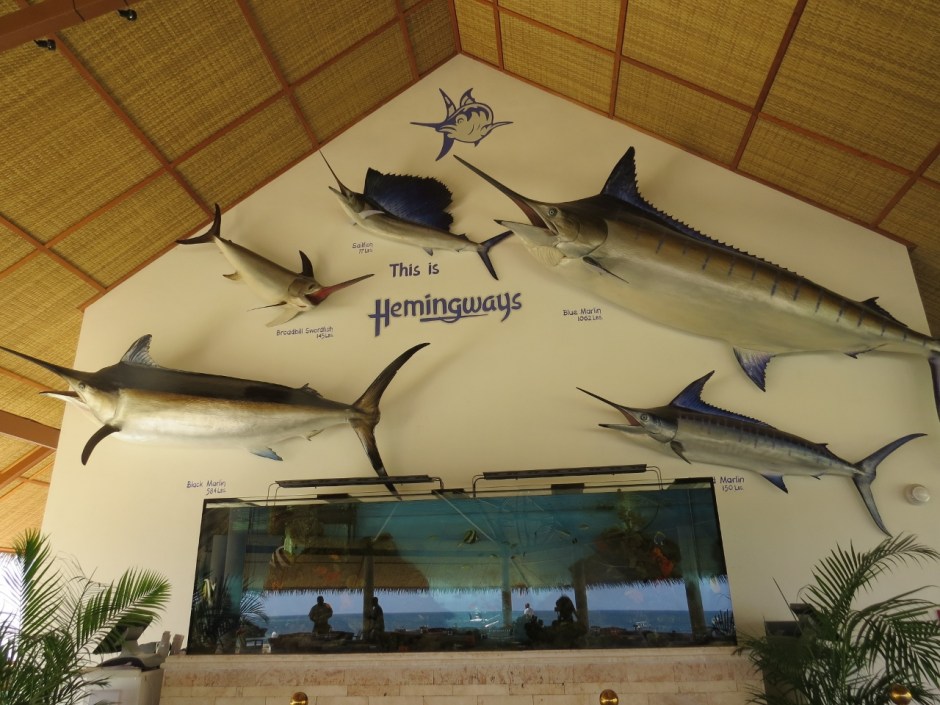
Above: Restaurant at Hemingways with life size caste models of deep-sea fish and aquarium with coral fish. Copyright Rupi Mangat

Published: 24 February 2018 Saturday magazine, Nation newspaper

What’s in Watamu?

Whales and snakes, ocean and forest, creeks and sultanates and endless beautiful days.

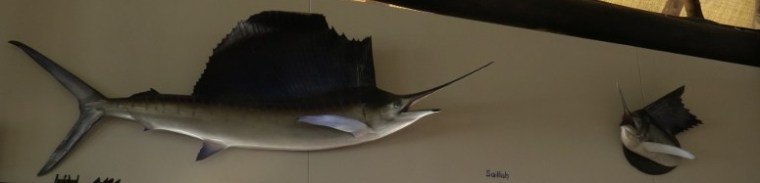
Magnificent Sailfish at Hemingways bar - life size caste model of the deep-sea fish  Copyright Rupi Mangat
Magnificent Sailfish at Hemingways bar – life size caste model of the deep-sea fish  Copyright Rupi Mangat

Continue reading “Tides of Hemingways”

More Hikes on Taita Hills

Part 2 of 2

Published Saturday magazine Nation media 20 January 2018

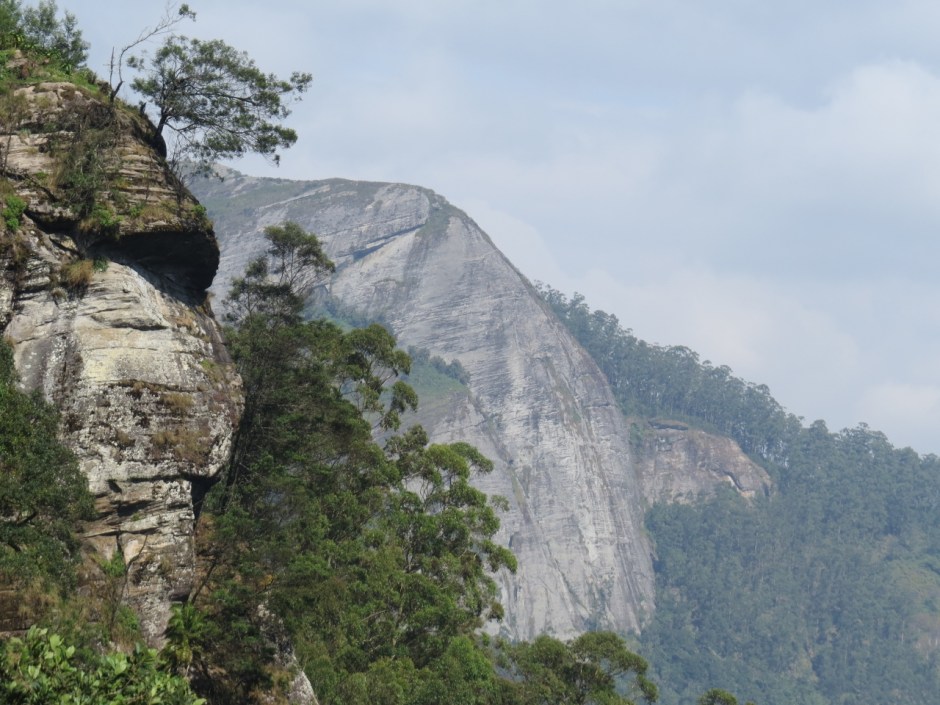
Above: The peak of IYale – second highest of Taita Hills
Copyright Rupi Mangat

Older than the age of dinosaurs these hills continue to fascinate nature lovers

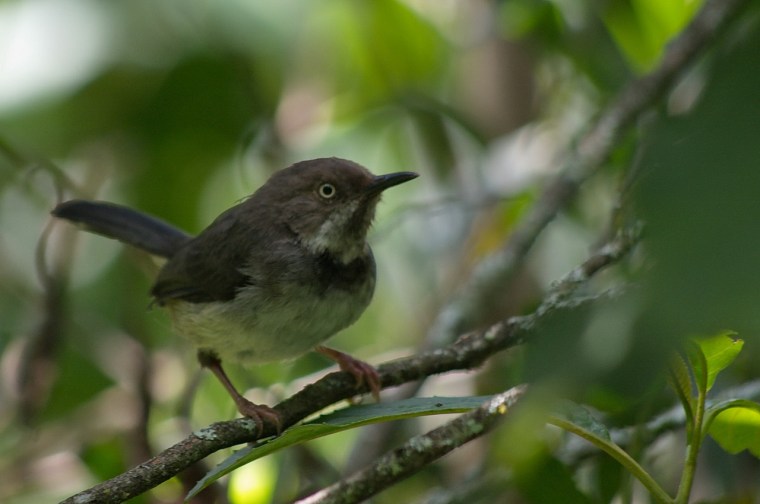
Critically endangered bird Taita apalis adult. Copyright Luca Borghesio

With a few more days in the hills with a mission to spot Taita apalis, our next stop is to Ngangao the largest forest block, Vuria the highest peak, followed by Msindunyi a tiny forest block where Dr Luca Borghesio and research assistant Lawrence Wagura – both associates of the National Museum of Kenya – discovered an undocumented population of Taita apalis in 2012. In total, the indigenous forests measure less than five square kilometres.

Continue reading “More Hikes on Taita Hills”

Hiking in the Hills of Taita


Part 1 of 2

An ancient massif of endemic plants and animals

Published: Saturday magazine, Nation newspaper 13 January 2018

Above: Taita apalis – criticaly endangered – fewer than 200 survive today in fragmented forests of the Taita Hills in an area of five square kilometers (copyright Luca Borghesio)

The mist swirls and whirls, white and dense, hiding and revealing the valleys and peaks of the hills. We’re on a climb to reach the top of the ancient bare rock that tops the forest of Yale in the Taita Hills.

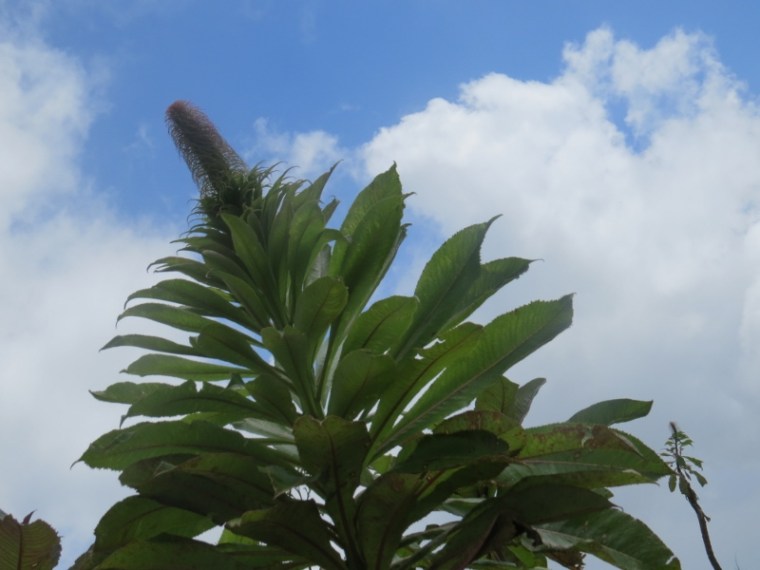
Indigenous plant of the mountains - Lobelia gibberoa on Yale hilltop that is part of Taita Hills. Copyright Rupi Mangat
Indigenous plant of the mountains – Lobelia gibberoa on Yale hilltop that is part of Taita Hills. Copyright Rupi Mangat

Continue reading “Hiking in the Hills of Taita”

Landscapes of Lolldaiga

Part 2 of 2

Published Saturday magazine, Nation newspaper 30 December 2017

Above: Desert warthog
Copyright De Jong & Butynski 

Learning more about lesser-known wildlife

There’s more than the Desert Warthog that we’re learning about in Lolldaiga and why it’s important to know all that makes for Kenya’s biodiversity.

“To be able to protect biodiversity,” states Yvonne de Jong of Lolldaiga Hills Research Programme “you need to know which taxa are where.” Continue reading “Landscapes of Lolldaiga”