Published: Nation newspaper 27 Septemeber 2025
By Rupi Mangat
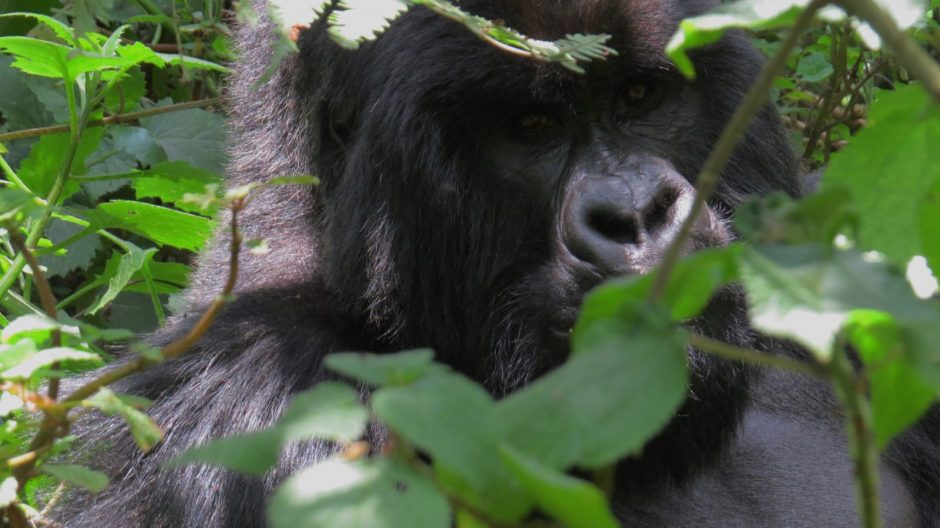
In the stillness of the forest, the silence is interrupted by the sound of snapping branches. “It’s the forest elephants moving through the forest,” tells Chelimo Salim in a quiet tone. He’s our gorilla guide on the trek to see the greatest ape on the planet – the gorilla and to be specific, the Mountain gorillas of Bwindi.
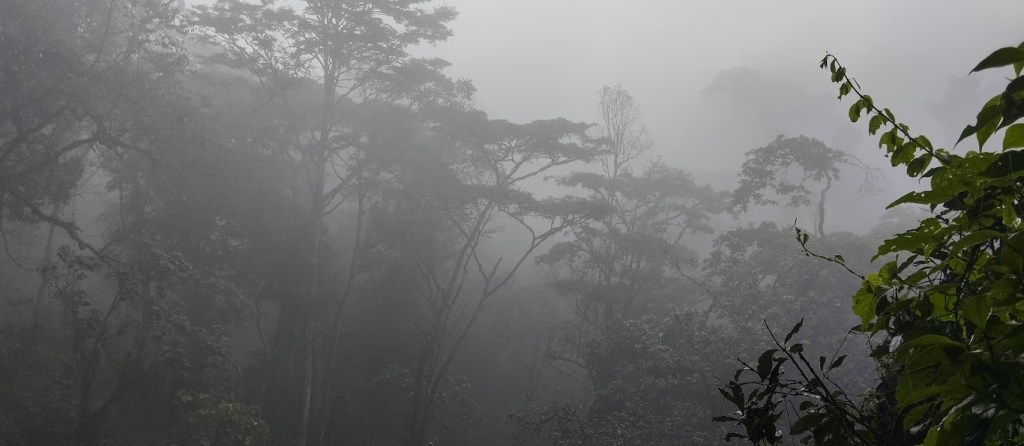
The morning mist is rising to reveal the dense forest covering the mountain range of the Virunga volcanoes that stretch into neighbouring Rwanda that is also home to these gorillas.
But at this moment I want to see the unique forest elephants that are rare and adapted to living in the dark, dense forests of Bwindi. Smaller than the African savannah elephants, they have rounded ears and straighter downward pointing tusks which make it easier for them to move through the forest. It’s anybody’s guess how many there are in the forest – estimates waver between 40 and 300.
The sound ebbs as the elephants move deeper into the impenetrable forest that few outsiders knew about until recently. Its sudden claim to fame came with the ‘discovery’ of the Mountain gorillas – and that not even by sight but from their droppings below their night nests when researchers began to venture into the thick forest glades. That was in the 1980s when Uganda was in the midst of political turmoil. Needless to say, this ‘discovery’ made little headlines.
FYI – Bwindi means place of darkness from the Runyakitara word Mubwindi.

 Moonlion Safaris