SOLD OUT
Trekking Rhinos, Chimpanzees & Mountain gorillas plus Lions & The Nile on a Wildlife Safari
14 -24 OCTOBER 2026
Duration: 10 nights, 11 days
Group size: Minimum 7 & Maximum 10 women
Overview:
A safari in Uganda takes you to her Mountain gorillas and the Nile, meeting her people and lavishing in the richness of landscapes that makes Uganda, the Pearl of Africa.
Curated by Rupi Mangat and accompanied by Lilian Kamusiime. Rupi is a third generation local and a leading Kenyan travel writer. Lilian is an acclaimed Ugandan birder and naturalist whose home borders Bwindi Impenetrable Forest.
You will meet the gorilla guardians working with the dynamic Dr Gladys Kalema-Zikusoma founder of the award-winning Conservation Through Public Health who will amaze you with the success story of Uganda’s Mountain gorillas and the local people living there.
October is an exciting month to be on safari. Typically mornings and evenings are cool interspersed with hours of sunshine for the wildlife (and us) to soak in.
You will be enchanted.
->Want to see Mountain gorillas, then you got to safari in Uganda!
Here’s what’s so special about it!
PS: Since then in 2015, Mountain gorillas numbers are up: 1,063 from 800
Highlights
- Luxury Safari in three diverse wildlife areas
- Seeing Africa’s big game including the gorillas and chimpanzees in the wild
- Trek for the Mountain gorilla with the award-winning CTPH gorilla guardian
- Trek for chimpanzees on a chimpanzee habituation experience
- Stay in unique wildlife lodges, one by the Nile
- See Uganda’s, rare endemic animals only found in Uganda
- Sail the Nile to the most powerful waterfall in the world
- Be awed by the Mountains of the Moon
- Indulge in mouth-watering international and Uganda’s cuisine
->Want to see Mountain gorillas, then you got to safari in Uganda!
Here’s what’s so special about it!
Meet Lilian Kamusiime, your host on safari
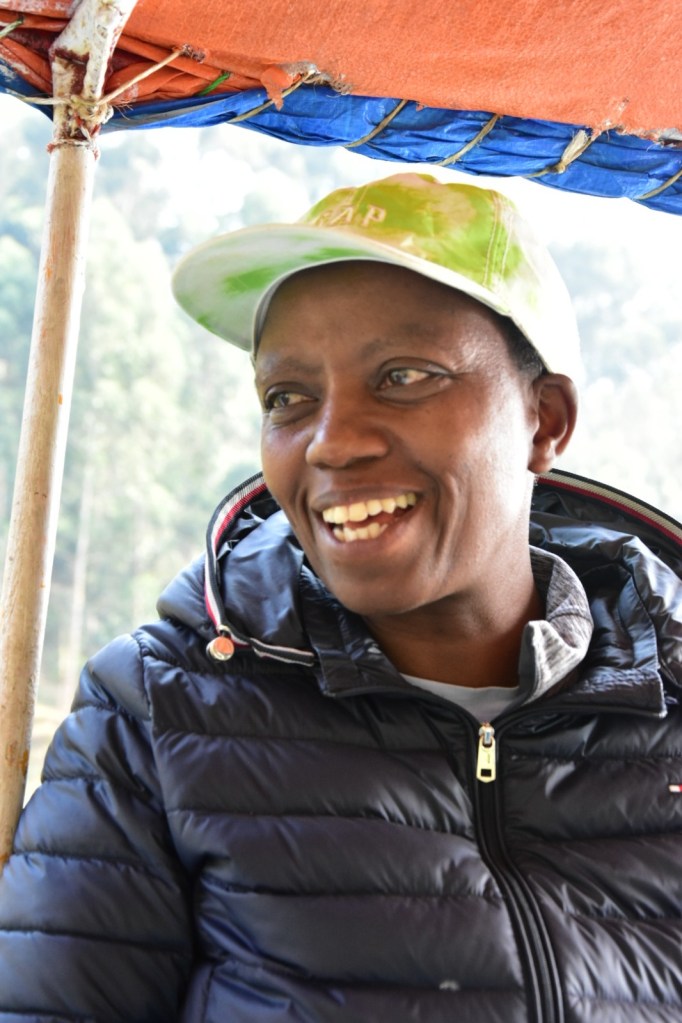
Lilian on safari
Kamusiime is passionate about wildlife and a founder member of Uganda Woman Birders (UWB). She is also the vice-chair of Uganda Safari Guides Association. A veteran tour guide, her home is in Bwindi which started her on her path to wildlife conservation. In addition to this, Kamusiime is known for her advocacy for women’s empowerment in the tourism sector, particularly in birding and guiding.
Your safari with her will be even more enriching as she shares all about Uganda’s wildlife with you.
Day 1 Wednesday 14th October
Fly into Entebbe the lakeshore city of Uganda. You will be met at the airport by our representative who will guide you through arrival. You will then be driven by your driver-guide to your hotel, Papyrus Guest House.
Named after the swamp plant that was used in antiquity by the pharaohs, the hotel is one of Entebbe’s finest near the shores of Lake Victoria, the source of the Nile, the world’s longest river.
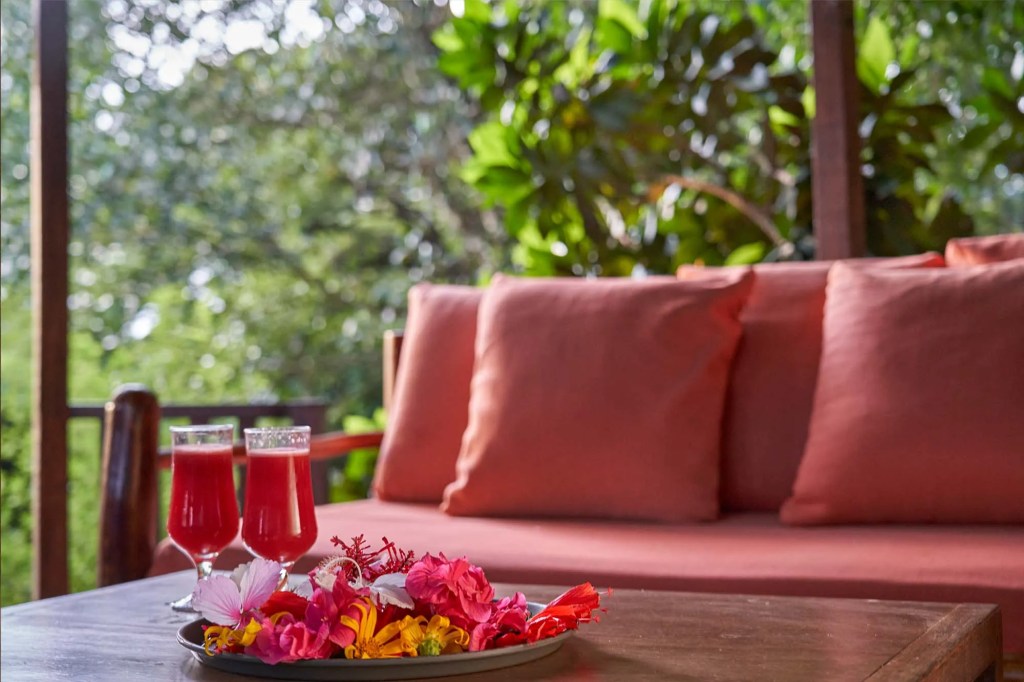
The day is at leisure. The hotel is a few minutes’ drive to the central business district. Entebbe works at a leisurely pace. The core of the city boasts early colonial architecture. See the activities (own cost) offered at Papyrus Guest House which includes the Entebbe zoo and the century old botanical gardens.
6 p.m: Meet for dinner to meet the group and Lilian (at own cost).
It’s a grand way to end the day.
Relaxing at the Papyrus Guest House with refreshing drinks and vibrant flowers, a perfect start to your wildlife safari in Uganda.
Hotel: Papyrus Guest House
Day 2 Thursday 15th October
Today the adventure begins.
6.45 a.m. – Breakfast.
It’s an early start to the day. After a hearty breakfast, your driver will be ready to drive you in custom designed safari-cruiser to Murchison Falls National Park 350 kms northwest of Entebbe, home of the world’s most powerful waterfall, Murchison Falls. The Nile flows from its source Lake Victoria, that is Africa’s largest lake and the world’s second largest freshwater lake that the world knew nothing about till the British explorer John Hanning Speke saw it and correctly identified it as the source of the Nile on 30 July 1858 – and so solving the greatest mystery that even perplexed the pharaohs.
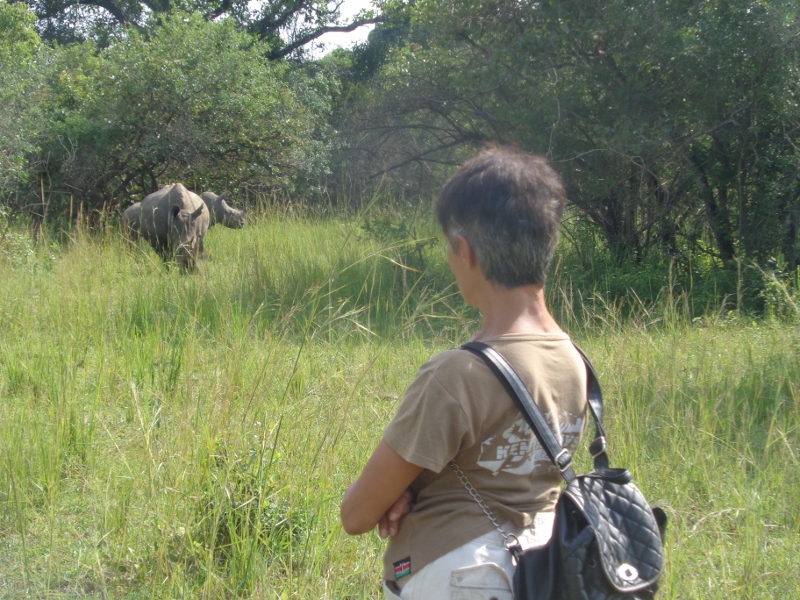
A close encounter with a white rhino during a trek in Uganda’s Ziwa Rhino Sanctuary.
En route, you will stop at Ziwa Rhino Sanctuary (205 km / 4 hours from Entebbe), the only place to see white rhinos is Uganda. Enjoy a rhino trek followed by lunch.
2:00 pm – Depart for Murchison Falls National Park and proceed to the top of the falls (115 km / 2 hours) to see the Nile gush through a 7-metre chasm to fall 43 metres down and continue to the land of the pharoahs.
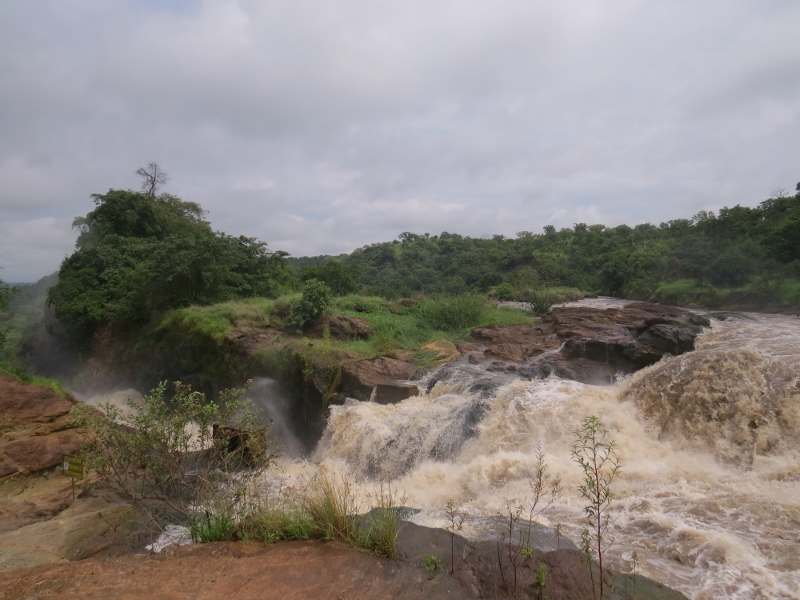
View of Murchison Falls, where the Nile river dramatically cascades through rocky terrain, surrounded by lush greenery.
Afterwards, continue to Pakuba Safari Lodge (23 km / 40 mins) for dinner and overnight.
The 3,840-square-kilometer park spans the savanna between Lake Albert and Karuma Fall. The park is spectacular for its wildlife and tapestry of grassland, and swamps along the Nile, which at 6,000 kilometres is the world’s longest waterway. Murchison named after the Scottish geologist in 1864 by the 19th century explorer Samuel Baker who trekked the continent accompanied by his wife Florence, was also the first to document Lake Albert straddling the Uganda-Congo border in the Great Rift Valley.
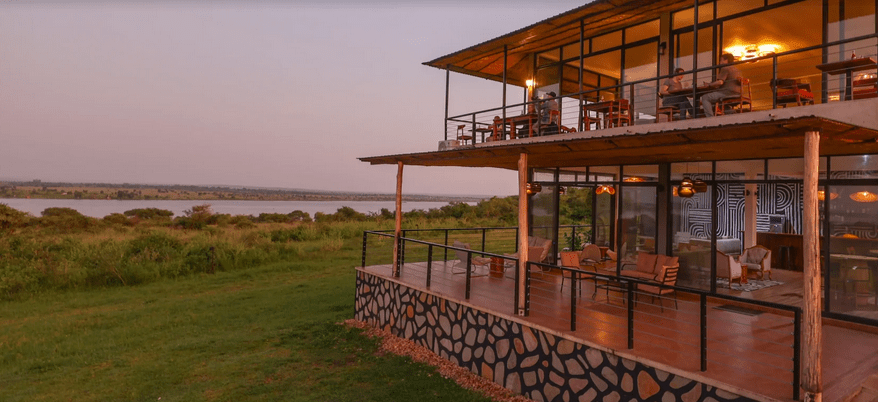
Pakuba Safari Lodge on the Nile
Hotel: Pakuba Safari Lodge
Day 3 Friday 16th October
It’s an early start to the day at 6 a.m. Wake up calls can be arranged.
Enjoy a cuppa coffee or tea and biscuits before you set out for an early morning game drive at 6.30 a.m. This is the best time to enjoy wildlife as well as late afternoons before the sun goes down. It’s the time when the animals are most active before the sun becomes too hot for them and lethargy sets in. See Uganda’s endemic wildlife like the Uganda kob and rare ones like the Rothschild giraffe, Patas monkey, oribi and Jackson’s hartebeest. You might see the lionesses would rather hunt when it’s cooler but being opportunistic the hunt is on if the quarry is easy. Lions do not have sweat glands and you’ll hear them panting a lot.
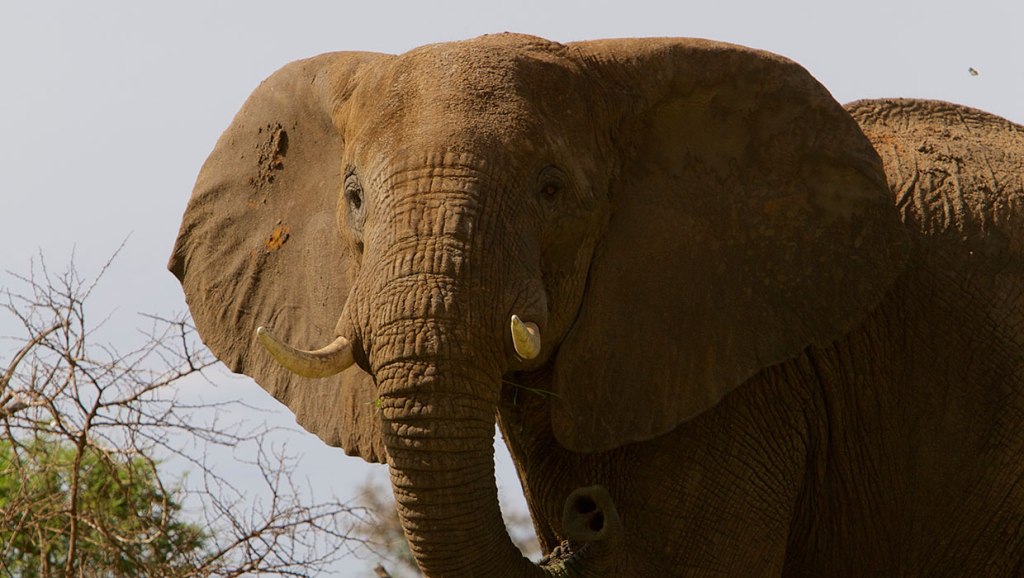
A majestic elephant showcases its grandeur while roaming in the Ugandan wilderness, a highlight of the wildlife safari.
9 a.m. Return to the lodge for breakfast.
Take time to relax, swim, read a book and enjoy the grounds.
12.30 p.m: Enjoy an early lunch, before driving to the waterfalls that squeezes through the seven-metre-wide gorge to crash down 43 metres and continue its flow to the ancient land.
2 p.m: It’s a slow boat ride looking out for the crocodiles and hippos with sightings of the plains game coming to quench their thirst before the thundering roar of the amazing waterfalls. It’s a sight to behold.
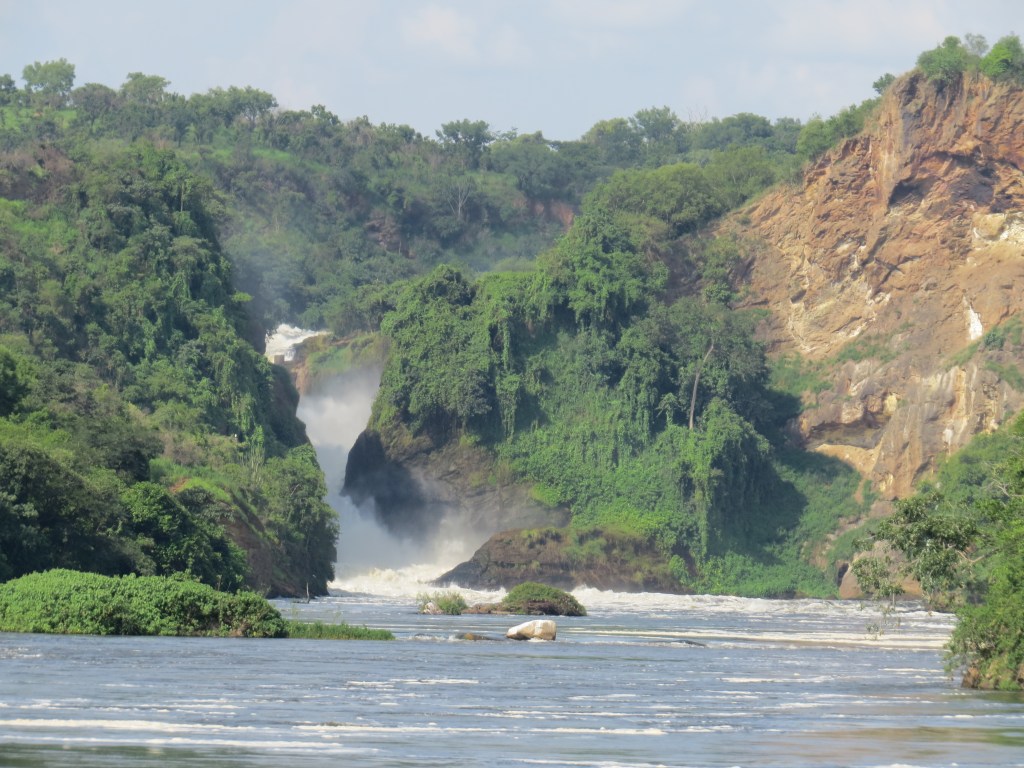
The powerful Murchison Falls cascading through lush green landscapes, a must-see on a Uganda wildlife safari.
6.30 p.m: Return to the lodge.
Take some time to refresh with a cold beer at the bar or a cool shower.
7.30 p.m. Meet for another gourmet feast by the Nile and retire after a nightcap by the fire pit.
Hotel: Pakuba Safari Lodge
Day 4 Saturday 17th October
8 a.m: Breakfast, depart Breakfast.
9 a.m: Depart with packed lunch boxes to Fort Portal (330 km / 6 hours). Check-in at Isunga Lodge in a picturesque setting by the Ruwenzori mountains overlooking Kibale forest that is home to the great ape – chimpanzees.
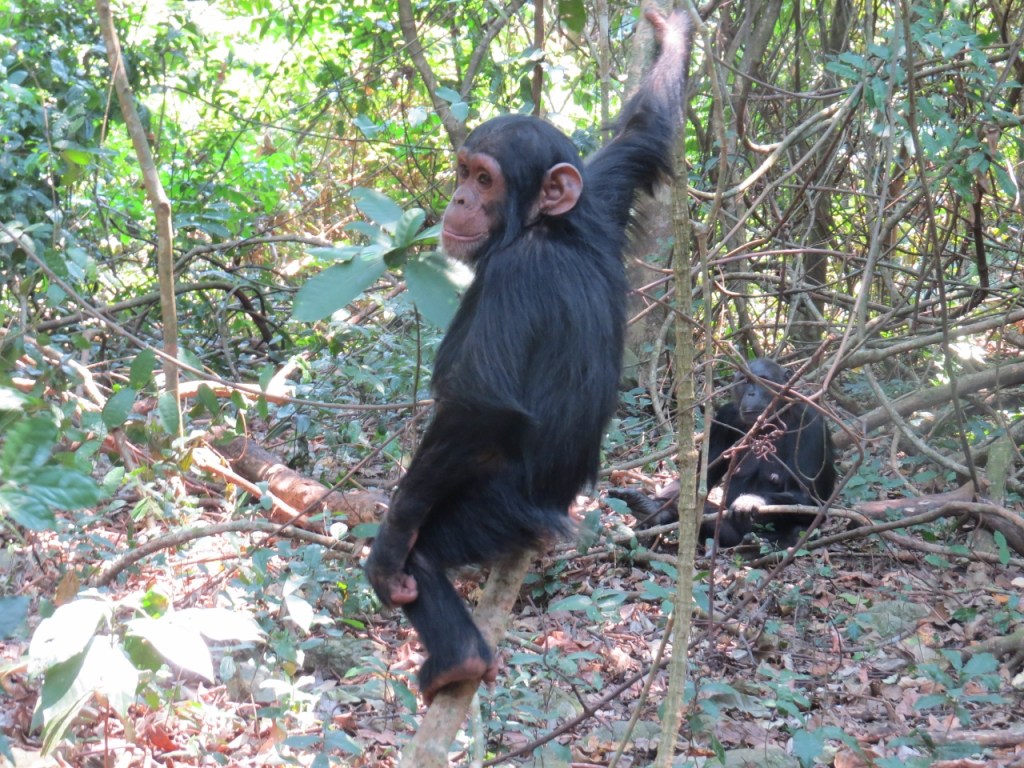
Chimpanzee in a natural habitat, capturing the essence of Uganda’s wildlife experience.
Afternoon at leisure.
7 p.m: Enjoy dinner and enjoy the rest of the evening.
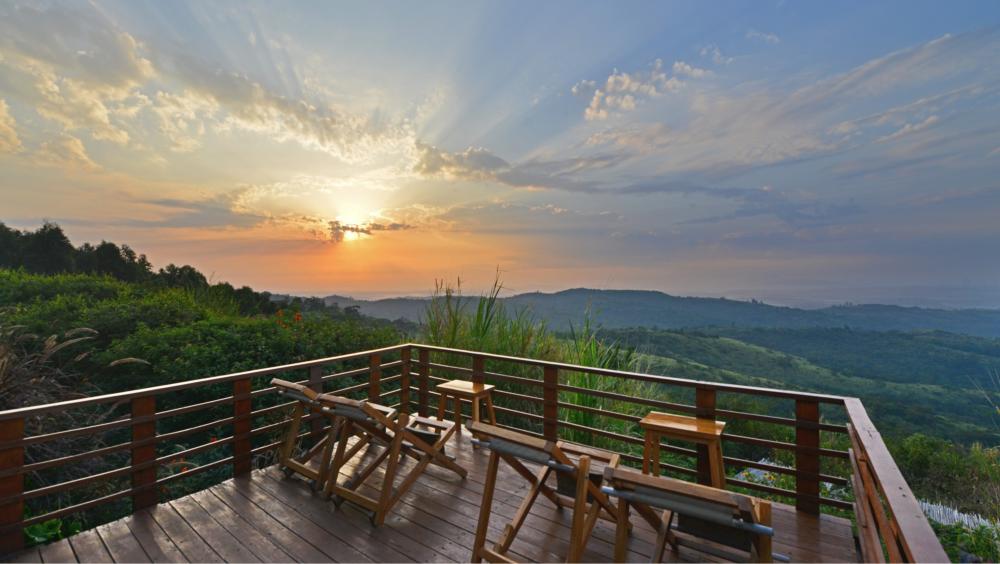
Sunset over the Mountains of the Moon from Isunga Lodge:
Hotel: Isunga Lodge
Day 5 Sunday 18th October
Your day to meet the Great Ape.
Enjoy a very early breakfast.
5.45 a.m: Depart with packed lunch boxes for Kibale Forest.
6 a.m: Arrive for a briefing on your chimpanzee habituation experience.
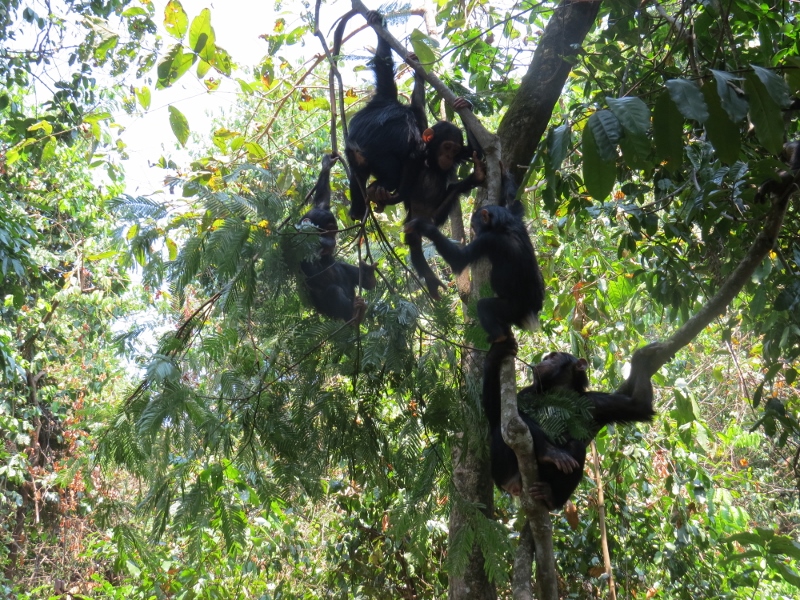
A lively group of chimpanzees interacting in their natural habitat in Uganda’s Kibale Forest, known for its rich biodiversity.
The chimpanzee habituation experience will take the better part of the day. (Depending on the temperament of the chimpanzees, visitors can spend approximately four hours with the chimpanzees once they are located, observing their daily activities like feeding, hunting, and social interactions.)
Return to Isunga Lodge for dinner and overnight.
Hotel: Isunga Lodge
Day 6 Monday 19th October
8 a.m: Breakfast.
10:30 a.m: Depart from your lodge with packed lunch boxes and proceed to Queen Elizabeth National Park (105 km / 2 1/2 hours) the iconic 1,978-square-kiometre park in plain sight of the Ruwenzori Mountains or the Mountains of the Moon as the first-century Greek scholar Ptolemy called them and thought of them as the source of the Nile.
Stop briefly at Kasese, a charming town on the foothills of the mountains and enjoy a few minutes at the Equator.
1 p.m: Check-in at Mweya Safari Lodge.
3.30 p.m: Afternoon game drive.
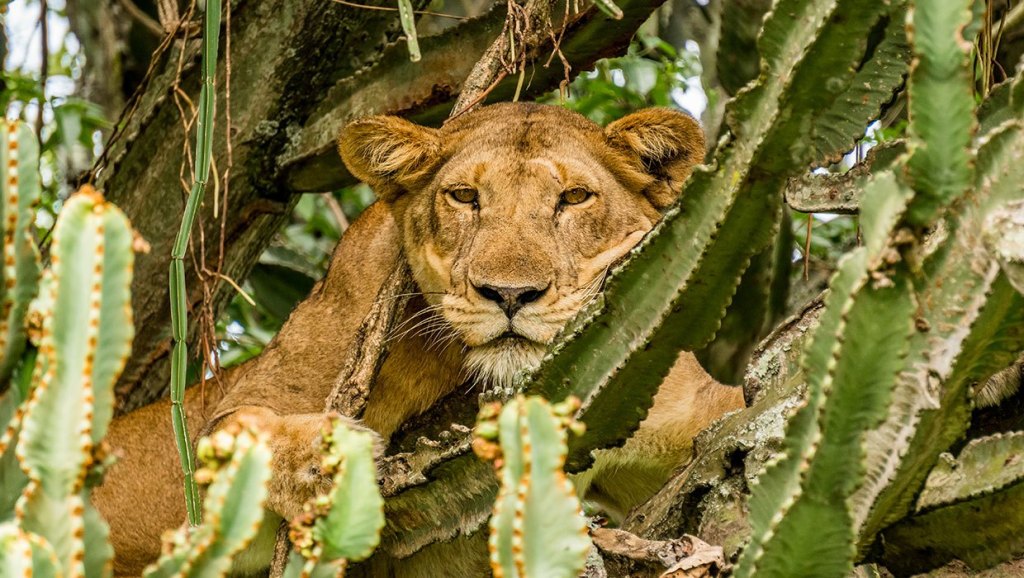
A lioness resting among the branches of a tree, showcasing the unique behavior of tree-climbing lions in Queen Elizabeth National Park.
The park, named after the late British monarch’s 1952 visit, is famous for its tree climbing lions besides the elephants, Uganda Kob and an impressive list of 600 species of birds.
Relish the views from the lodge on the peninsula that straddles the wildlife-rich Kazinga Channel and Lake Edward. The 32-km long channel connects the two great African lakes – Edward and George.
6.30 p.m: Enjoy cocktails by the campfire before a sumptuous dinner freshly prepared under the Equatorial stars. For star gazers, this is the perfect spot to see the constellations of the two hemispheres.

Enjoy your evening and a good night’s sleep in your luxurious abode.
Hotel: Mweya Safari Lodge
Day 7 Tuesday 20th October
Another glorious morning in Africa. Rise and shine for an early morning game drive at 6.15 after a cuppa. The landscape is surreal with the Mountains of the Moon with the snow-topped high peak at 16,762 feet, making it Africa’s third highest mountain.
Return for breakfast by 9 a.m.
After lunch, prepare for another exciting boat ride along the famous Kazinga Channel, a 32-kilometer- long link between the Albertine Valley’s Lake Edward and Lake George. The channel boasts the world’s largest concentration of hippos, crocodiles, elephant, buffaloes and waterbucks coming for a drink. For birders, it’s time to log in the amazing birdlife that include the Pelicans, Fish Eagles, Kingfishers, Cormorants and the bright coloured Saddle-billed Stork.
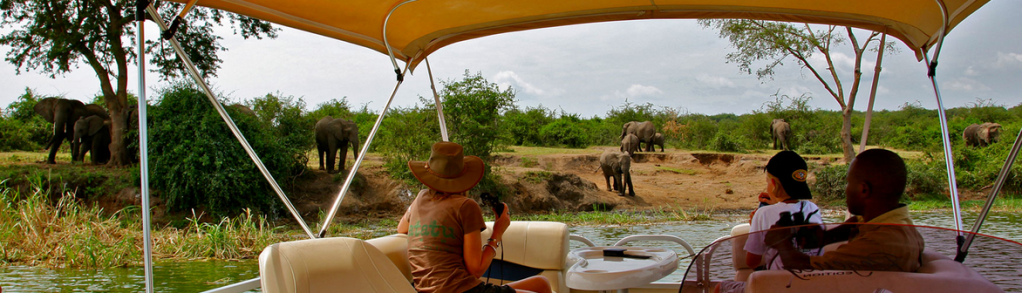
A scenic boat ride on the Kazinga Channel, watching elephants come to drink at the bank.
Return for a starlit dinner followed by a night cap by the campfire and finally to a peaceful slumber in your luxurious room.
Hotel: Mweya Safari Lodge
Day 8 Wednesday 21st October
7 a.m: Breakfast.
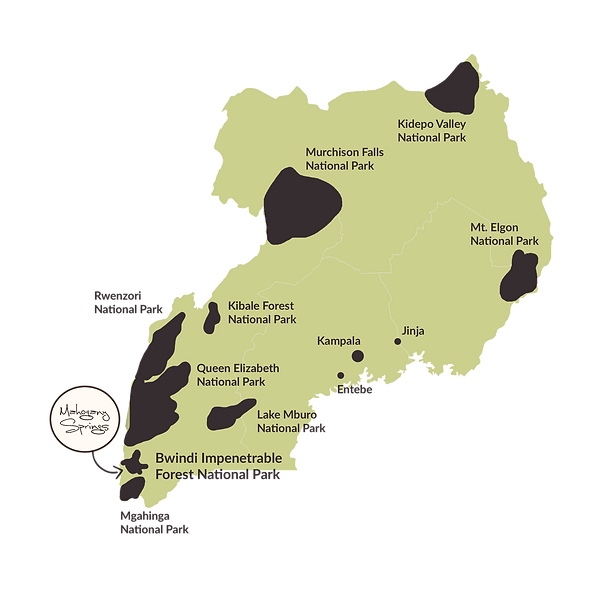
8 a.m: Depart with packed lunch boxes and proceed to Buhoma on the edge of the spectacular Bwindi Impenetrable Forest on the edge of the Albertine Rift. (165 km / 4 hours).
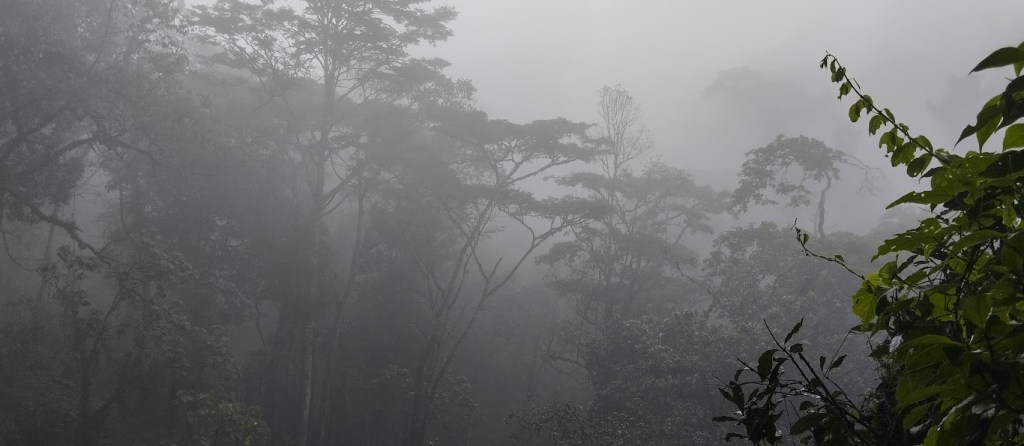
Bwindi takes its name from the dense forest that the locals call ‘Place of Darkness’. This is the home of more than half of the world’s population of the Mountain Gorillas – only discovered in Bwindi in 1987 from their night nests in the trees.
12 noon: Check-in at the lodge.
2 p.m: After an exquisite lunch, leave for an afternoon with the villagers, learn their collaboration with Dr. Gladys’s globally acclaimed NGO, Conservation Through Public Health and visit the Gorilla Health and Community Centre, where fecal samples from gorillas and livestock are analyzed and people learn about the disease vectors that harm sensitive gorilla populations.
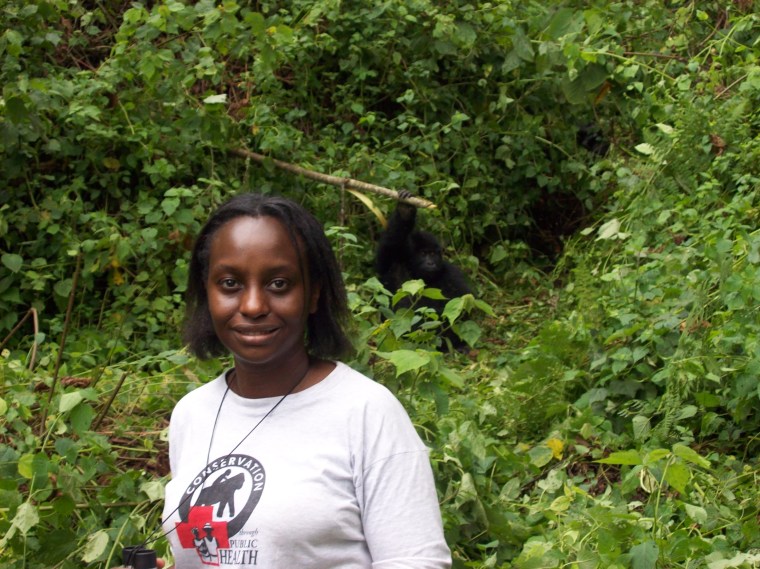
Dr Gladys Kalema-Zikusoka is also the author of the best-selling ‘Walking With Gorillas’ that is about the Bwindi gorillas and her journey as Uganda’s first wildlife vet. You will get to know some fascinating insights into what it takes to save the Mountain gorillas – which is all about co-existence between the primate (us) and the non-human primate (gorillas, chimpanzees plus some 500 more species). I’m not telling you more.
6.30 p.m.: Take a few minutes to refresh before dinner on your first night in Bwindi, that is one the most bio-diverse places on Earth.
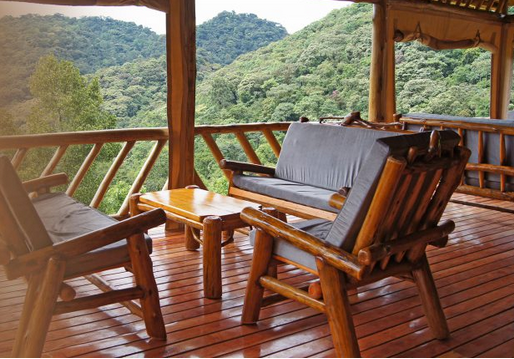
Dinner will be served fused with the rich forest air and lots of lively exchanges with the excitement of meeting the gorillas.
Hotel: The Haven Lodge Buhoma Community
Day 9 Thursday 22nd October
This is your day for an encounter with the greatest ape on Earth – the Mountain gorilla.
6.30 a.m: Meet for breakfast and a short drive will have you at the legendary impenetrable forest for an exciting day of hiking for our close relative with who we share 98.4% of our genes.
You will be accompanied by a gorilla guardian working with Dr Gladys Kalema-Zikusoka who knows many of the gorillas by name and give you a first-hand insight into their world.
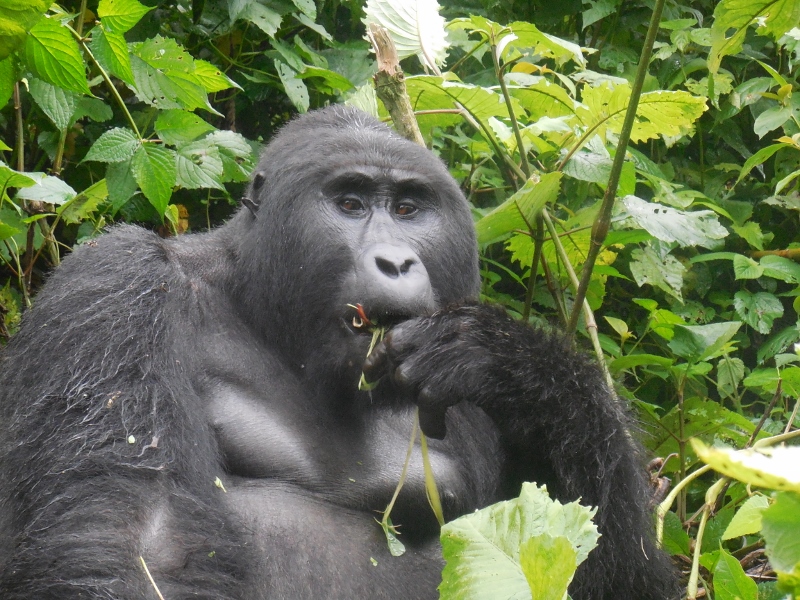
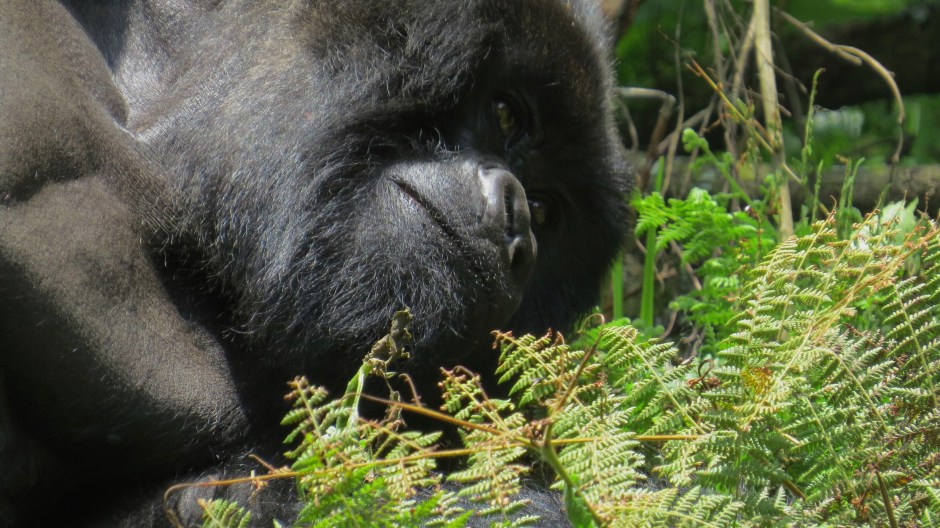
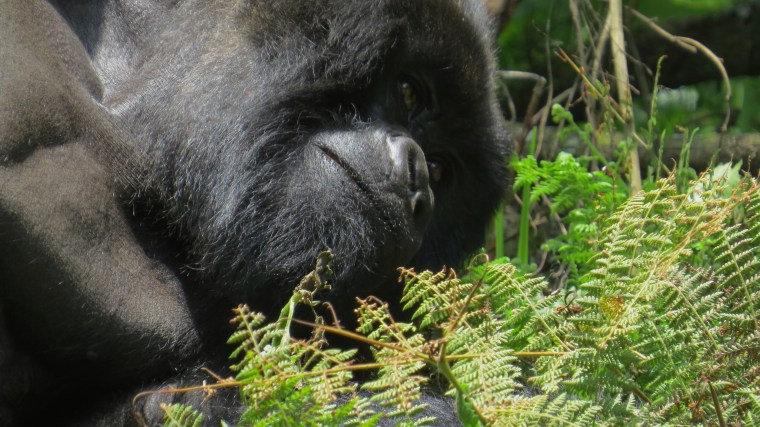
A Mountain gorilla enjoying a meal in the lush greens of Bwindi Impenetrable Forest.
Thanks to the work of Dr Gladys and CTPH founded in 2003, the population of Bwindi’s Mountain gorilla is on the rise from 300 in 1999 to 459 and increasing. The Mountain gorilla is the only gorilla species whose population is increasing which has seen it removed from being listed as Critically endangered to Endangered.
The forest is also home to the extremely rare Forest elephant that number 300. If we see one with the Great Blue Turaco, a bird of the rainforests – we will be one of the few to ever witness this!
Once you sight the gorillas, you will be permitted to view them for 1 hour before returning to the ranger post.
Depending on the duration of the hike, return to the lodge for a late lunch and then you have the afternoon to yourself in this magical paradise.
Relish your last night in the home of the great ape and all the endangered species that Bwindi is home to and make a toast that this paradise will be theirs’ forever.
Hotel: The Haven Lodge Buhoma Community
Day 10 Friday 23rd October
7 a.m: Breakfast.
8 a.m: Depart with packed lunch boxes and proceed to Lake Mburo National Park (265 km / 5 hours).
1 p.m: Check- in at Rwakobo Rock Lodge perched on rocky insel with panoramic views of the park.
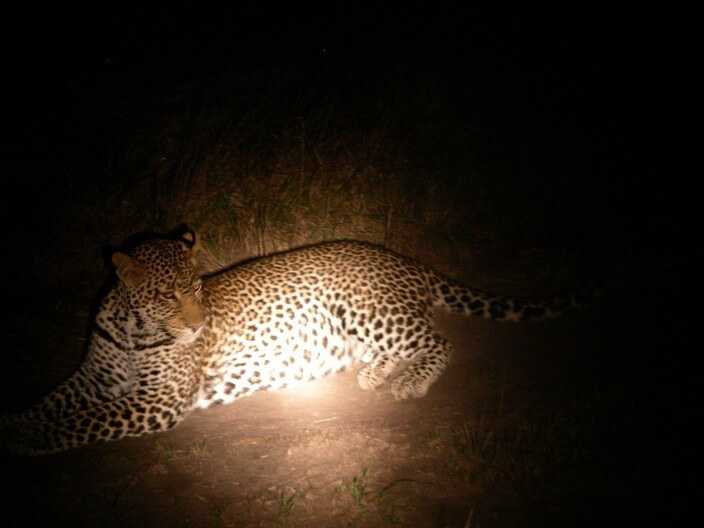
3.30 p.m: Afternoon game drive in Uganda’s smallest national famed for its birdlife and plains game.
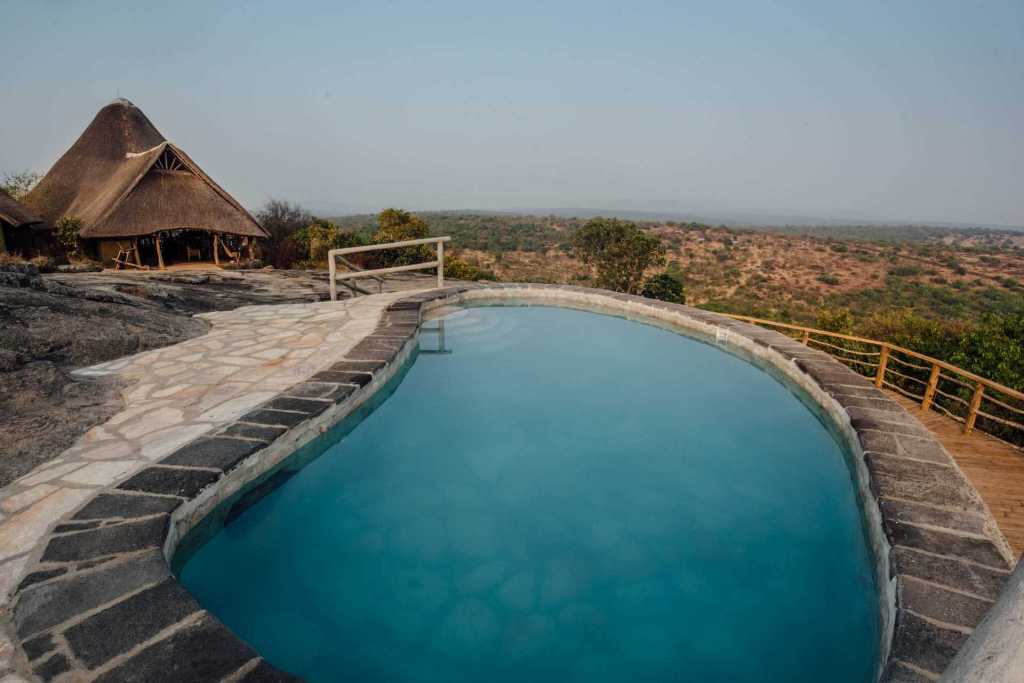
6.30 p.m: Return for dinner
Hotel: Rwakobo Rock Lodge.
Day 11 Saturday 24th October
Entebbe
7 a.m: After a sumptuous breakfast depart from your lodge at 8 a.m. with packed lunch boxes
12.30: Arrive at Mabamba Shoebill Community Site (215 km / 4 1/2 hours). Mabamba Bay Swamp is a prime wetland birding site famous for the elusive shoebill, a prehistoric bird. Enjoy a boat ride with bird viewing and very good chances of seeing it and many more species.

This lasts around 2 hours.
3 p.m: Drive to Entebbe (90 km / 2 1/2 hours). Drop off at your hotel in Entebbe or at Entebbe Airport (night flights only).
There will be a lot of memories to take back home after your amazing African safari with new friends met.
A take from the Great ape safari in the words of the first person to study gorillas in the wild, Dian Fossey:
”The more you learn about the dignity of the gorilla … you dwell less on what is past and concentrate more on the preservation of the future.”
Day room or overnight:
Additional nights at Papyrus Guest House Entebbe (before or after your safari and includes an airport transfer):
USD 95 per person sharing twin / USD 110 per person single
COST:
Per Person: US$ 6,548
Per Person Sharing: US$ 5,955
Package includes:
- 1 night accommodation at Papyrus Guest House Entebbe, on bed & breakfast basis
- 2 nights accommodation at Pakubaa Safari Lodge, Murchison Falls, on full board basis
- 2 nights accommodation at Isunga Lodge, Fort Portal, on full board basis
- 2 nights accommodation at Mweya Safari Lodge, Queen Elizabeth National Park, on full board basis
- 2 nights accommodation at Haven Lodge Buhoma Community, Bwindi, on full board basis
- 1 night accommodation at Rwakobo Rock Lodge, Lake Mburo, on full board basis
- Arrival transfer (airport-hotel) in Entebbe (Day 1)
- 4×4 Safari Landcruiser with driver-guide on safari (Day 2-Day 11)
- Murchison Falls: A rhino trek at Ziwa (en-route); A visit to the top of the falls; 1 Game drive; A boat cruise to the base of the falls
- Fort Portal/Kibale: 1 chimpanzee habituation permit per person
- Queen Elizabeth National Park: 2 Game drives, A boat cruise on the Kazinga Channel
- Bwindi Impenetrable Forest: 1 gorilla tracking permit per person, Gorilla Guardian working with CTPA guiding group; visit to the CTPA centre and to a community village to see its collaboration with CTPA.
- Lake Mburo: 1 game drive; A visit to Mabamba Shoebill Site en-route from Lake Mburo to Entebbe
- National park entrance fees
- All statutory taxes
Not included:
- Lunch and dinner in Entebbe
- Beverages, incidentals, gratuities and items of a personal nature
- Any items not mentioned under the above inclusions
- Additional nights at Papyrus Guest House Entebbe (before or after your safari and includes an airport transfer) at USD 75 per person sharing twin / USD 95 per person single
Join us on an unforgettable adventure with us on Uganda’s Great Ape safari!
Contact: Rupi Mangat – CEO, Moonlion Safaris
Email: rupi.mangat@yahoo.com
More on Rupi Mangat
Rupi is a travel writer with a particular concentration on wildlife conservation and sustainability. She is 3rd generation Kenyan who has been on safari countless times since she started writing professionally in 1998. She works with the Wildlife Clubs of Kenya as the editor of Komba, the magazine to promote wildlife conservation amongst schoolchildren. With her strong connections with conservation organizations like the East African Wild Life Society and the Conservation Through Public Health which are not-for-profits doing amazing wildlife conservation work in today’s challenging world.

 Moonlion Safaris