Safari Stories

UGANDA: Mountain gorillas, Lions & the Nile on a Wildlife Safari

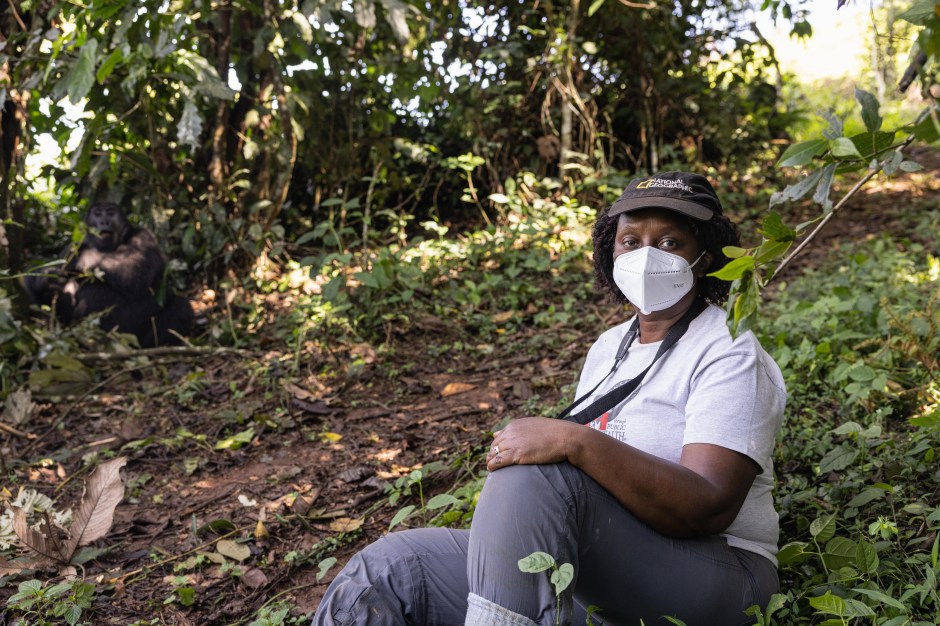
A Journey Woman Exclusive gorilla trekking with the amazing Dr Gladys Kalema-Zikusoka (pictured above): Photo Credit: Esther Ruth Mbabazi

Nov 1 – Nov 9, 2026

Duration: 9 nights/10 days

Group size: Minimum 6 and maximum 12

Highlights

  • Luxury Safari in three diverse wildlife areas
  • Fly across Uganda
  • Trek for the Mountain gorilla with Dr Gladys Kalema-Zikusoka, Uganda’s first wildlife vet
  • And founder of Conservation Through Public Health
  • See ‘only found in Uganda’ wildlife
  • Stay in unique wildlife lodges, one by the Nile
  • Sail the Nile to the most powerful waterfall in the world
  • Be awed by the Mountains of the Moon
  • Toast to Africa every evening
  • Indulge in mouth-watering international and Uganda’s cuisine

Your days will be filled with watching Africa’s spectacular wildlife in diverse parks with iconic backdrops like the Mountains of the Moon and ending each day with a toast to the wild in the glow of the ‘golden light’.

You will trek with the Dr Gladys and the gorilla guardians who will amaze you with the success story of Uganda’s Mountain gorillas and the local people living there.

->Want to see Mountain gorillas, then you got to safari in Uganda!

 Here’s what’s so special about it!

PS: Since then in 2015, Mountain gorillas numbers are up: 1,063 from 800
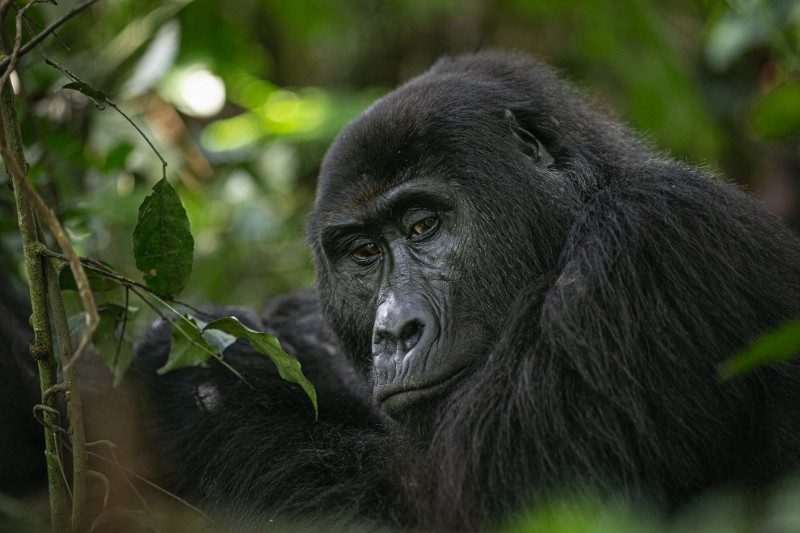
Humm…pondering what to do…a Mountain Gorilla in Bwindi National Park. Credit: Esther Ruth Mbabazi

Meet your Safari Guide

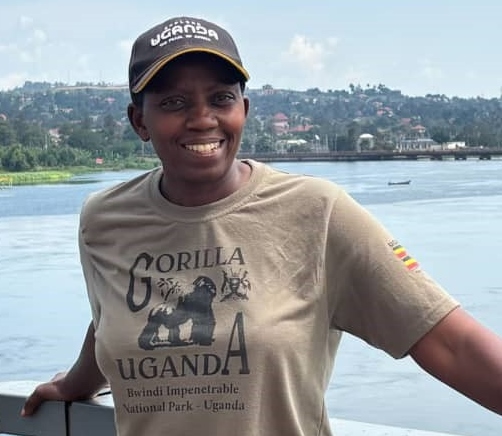
Lilian Kamusiime, pictured above, is Uganda’s pioneer female safari guide and driver. In her many ‘firsts’, she is the founding member of Uganda Women Birders and an advocate for women’s empowerment in the tourist industry. She trains tourist guides, is the past vice-chair of Uganda Safari Guides Association and member of Nature Uganda and the Rotary Club of Kabale. As a former school teacher, she strongly believes in mentoring youth and hence her engagement with the Wildlife Clubs of Uganda.

Know your Safari Planner, Rupi Mangat
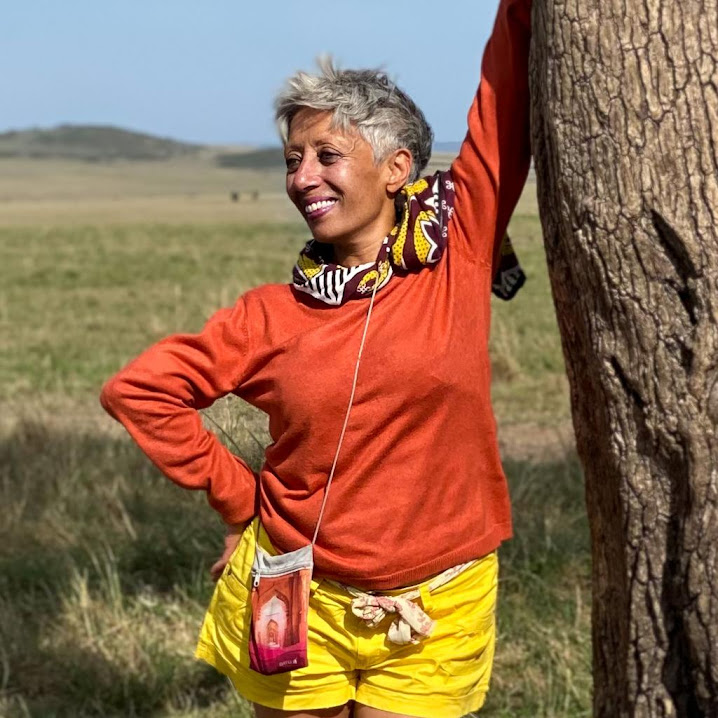
Rupi Mangat in Masai Mara in Kenya. Image by Jill Cohen

Rupi is founder of Moonlion Safaris and a travel writer with a particular concentration on wildlife conservation and sustainability. She is 3rd generation Kenyan who has been on safari countless times since she started writing professionally in 1998. She works with the Wildlife Clubs of Kenya as the editor of Komba, the magazine to promote wildlife conservation amongst schoolchildren. With her strong connections with conservation organizations like the East African Wild Life Society and the Conservation Through Public Health which are not-for-profits doing amazing wildlife conservation work in today’s challenging world. 

Day 1  – Sunday Nov 1

Fly into Entebbe the lakeshore city of Uganda. You will be met at the airport by your driver-guide to the Lake Victoria Serena Golf Resort & Spa.
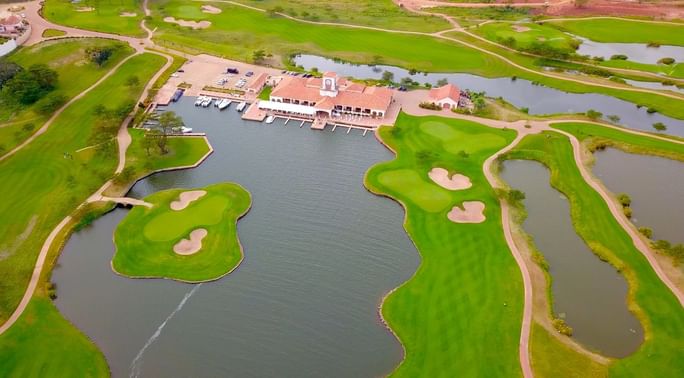
Th Marina and Golf Course at Lake Victoria Serena in Entebbe, Uganda

The Lake Victoria Serena Golf Resort is one of Entebbe’s finest hotels on the shores of Lake Victoria, the source of the Nile, the world’s longest river.

The day is at leisure. The hotel is a few minutes’ drive to the central business district. Entebbe works at a leisurely pace. The core of the city boasts early colonial architecture and the Entebbe zoo. Or you may just want to enjoy a sundowner on the lake, a round of golf on the PGA-rated 18-hole course or treat yourself at the spa before the safari (at own cost).

6 p.m: Meet at the Marina Restaurant overlooking the lake for sundowners and dinner (at own cost).

It’s a grand way to end the day.

Hotel: Lake Victoria Serena Golf Resort& Spa.

Day 2  – Monday Nov 2

Today the adventure begins.

After a hearty breakfast we will fly to Murchison Falls National Park 350 kms northwest of Entebbe, home of the world’s most powerful waterfall, Murchison Falls.
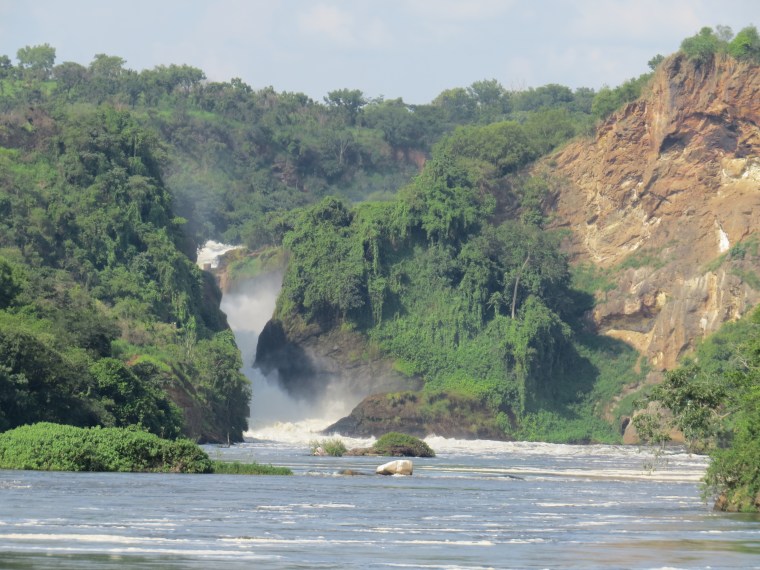
Murchison Falls, powerful on the River Nile. Photo credit: Rupi Mangat

9.00 – Depart hotel for Entebbe airport.

12.05 – Flight to Murchison Falls.

Enjoy the flight over Lake Victoria, Africa’s largest lake and the world’s second largest freshwater lake that the world knew nothing about till the British explorer John Hanning Speke saw it and correctly identified it as the source of the Nile on 30 July 1858 – and so solving the greatest mystery that even perplexed the pharaohs.

13.05 – You will be collected from the Pakuba airstrip and enjoy a short game drive en route to Paraa Safari Lodge looking over the Nile.
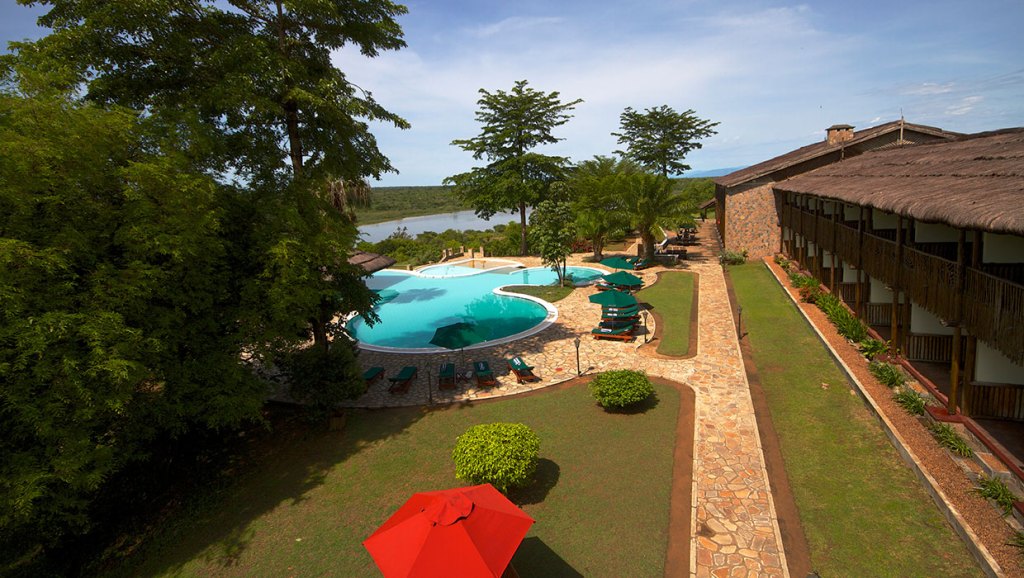
The 3,840-square-kilometer park spans the savanna between Lake Albert and Karuma Fall. The park is spectacular for its wildlife and tapestry of grassland, and swamps along the Nile, which at 6,000 kilometres is the world’s longest waterway.  

Murchison was named after the Scottish geologist in 1864 by the 19th century explorer Samuel Baker who trekked the continent accompanied by his wife Florence. Baker was also the first to document Lake Albert straddling the Uganda-Congo border in the Great Rift Valley.

2 p.m. – Enjoy a late lunch by the Nile where you might see buffaloes or crocodiles lounging on the banks.

4 p.m. – You will leave for an afternoon game drive in search of big game like Uganda’s unique Uganda Kob and Nubian giraffe with lions and elephants for a good measure. The park also boasts rich birdlife. We will return to the lodge at sunset.

7.30 p.m. – Meet for a cocktail at the bar and then dine on delicious foods as the Nile flows leisurely by. We’ll exchange the day’s highlights and enjoy the night sky before calling it a night.

Hotel:  Paraa Safari Lodge

Day 3  – Tuesday Nov 3

6 a.m. – It’s an early start to the day at Wake up calls can be arranged.

6.30 a.m. – Enjoy a cuppa coffee or tea and biscuits before you set out for an early morning game drive. This is the best time to enjoy wildlife as well as late afternoons before the sun goes down. It’s the time when the animals are most active before the sun becomes too hot for them and lethargy sets in. The lionesses would rather hunt when it’s cooler but being opportunistic the hunt is on if the quarry is easy. Lions do not have sweat glands and you’ll hear them panting a lot.
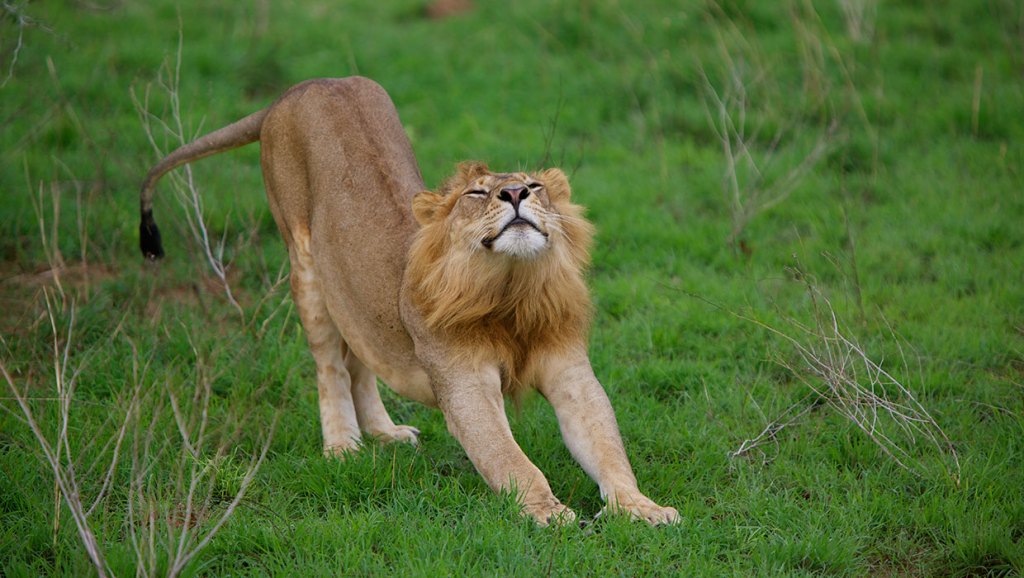
A lion stretches in the morning in Murchison Fall National Park

9 a.m. – Return to the lodge for breakfast.

Take time to relax, swim, read a book and enjoy the grounds.

12.30 p.m: After an early lunch, drive to the waterfalls that squeezes through the six-metre-wide gorge to crash down 43 metres and continue its flow to the pharoses’ land.

It’s a slow boat ride looking out for the crocodiles and hippos with sightings of the plains game coming to quench their thirst before the thundering roar of the amazing waterfalls. It’s a sight to behold.
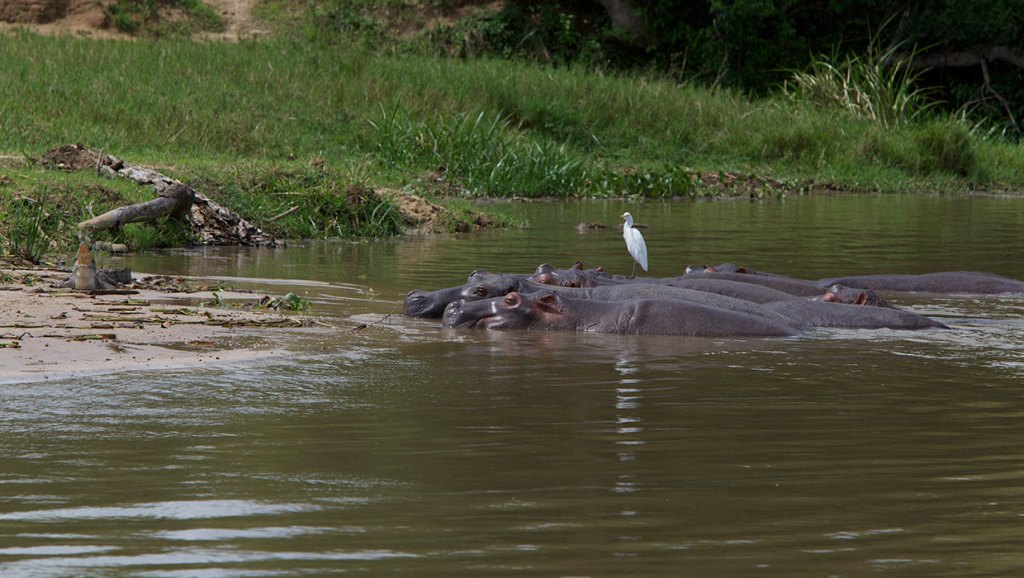
Hippo and crocodile on the boat ride to Murchison Falls

6.30 p.m. – Return to the lodge.

Take some time to refresh with a cold beer at the bar or a cool shower.

7.30 p.m. Meet for another gourmet feast by the Nile and retire after a nightcap by the fire pit.

Hotel:  Paraa Safari Lodge

Day 4  – Wednesday Nov 4

Savour breakfast on the banks of the Nile and be ready to checkout.

12 noon – Depart to the airstrip.

1.20 p.m. – Fly to Queen Elizabeth National Park in plain sight of the Ruwenzori Mountains or the Mountains of the Moon as the first century Greek scholar Ptolemy called them and thought of them as the source of the Nile.
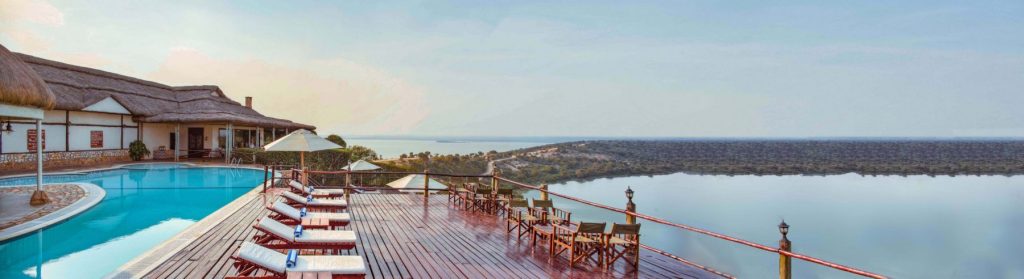
Mweya Safari Lodge on the peninsula above the Kazinga Channel

2.25 p.m. – Land at Kasese, the town on the foothills of the Ruwenzoris. The drivers will be at the airstrip to drive you to Mweya Lodge, crossing the Equator with an amazing array of landscapes and wildlife.

The park, named after the late British monarch’s 1952 visit, is famous for its tree climbing lions and chimpanzees besides the elephants, Uganda Kob and an impressive list of 600 species of birds.

On arrival enjoy a late lunch and relax at the lodge.

3.30 p.m. Set off on another exciting game drive through the lush plains. Look out for leopard, lions and the Uganda Kob that breeds here before returning to camp at sunset.

Return just in time for cocktails by the campfire before a sumptuous dinner freshly prepared under the Equatorial stars. For star gazers, this is the perfect spot to see the constellations of the two hemispheres.

Enjoy your evening and a good night’s sleep in your luxurious abode.
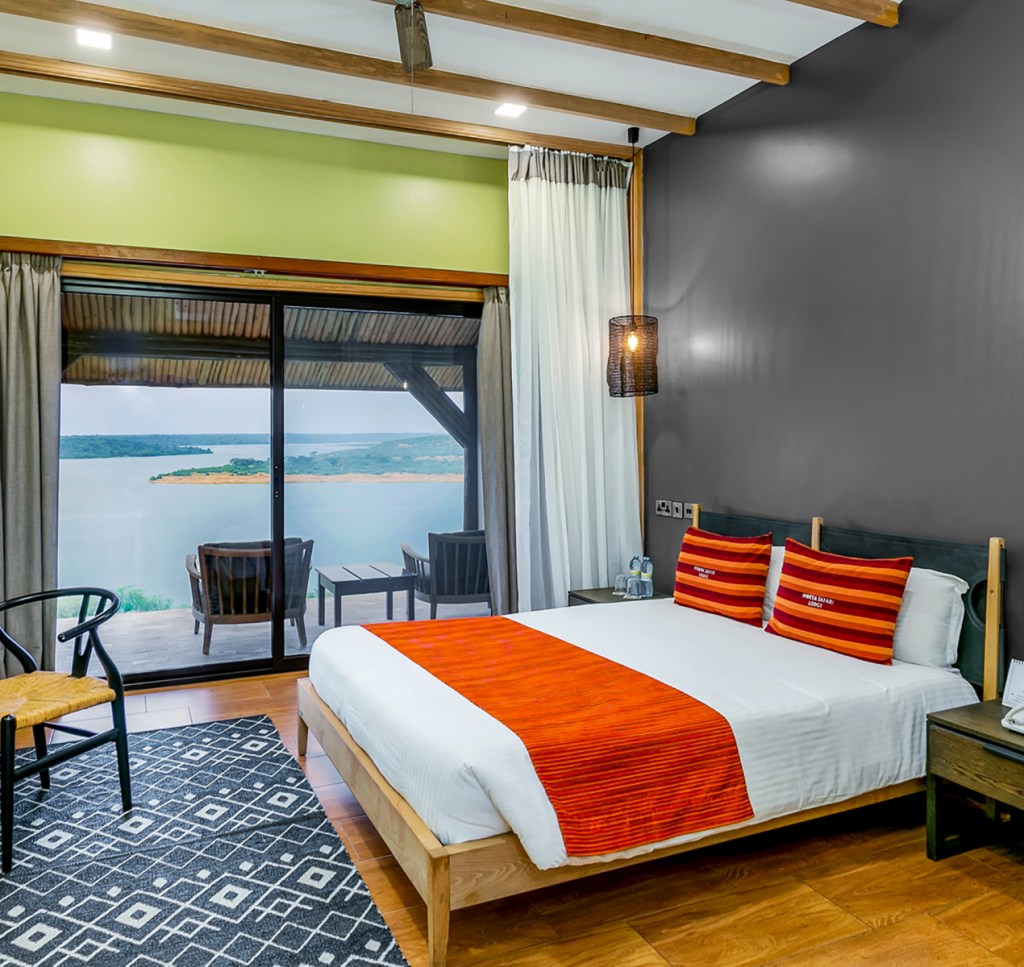
Room with a view at Mweya

Hotel: Mweya Safari Lodge

Day 5  – Thursday Nov 5

6.15 a.m. – Another glorious morning in Africa. Rise and shine for an early morning game drive after a cuppa. The landscape is surreal with the Mountains of the Moon that boast a snow-topped high peak at 16,762 feet, making it Africa’s third highest mountain.

9 a.m. – Return for breakfast by

Optional – extra cost US$ 250 Per person inclusive of transport: Or you may wish to hike into Gorge for another Great Ape before meeting the Mountain Gorillas of Bwindi. These are the chimpanzees of Kyambura, playful and endearing. Spend an hour with them before returning to lodge/picnic lunch. The gorge, 100 meters deep and 16 kilometers long, carved by the Kyambura River is the home of other primates like the red-tailed monkeys plus a myriad of colourful forest birds.
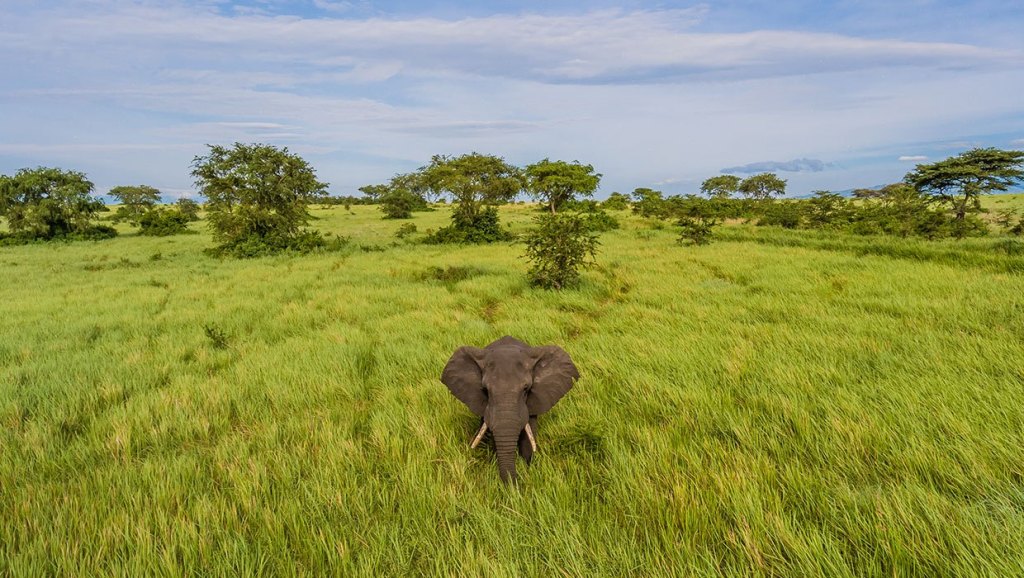
Elephant in Queen Elizabeth National Park

After lunch, prepare for another exciting boat ride along the famous Kazinga Channel, a 32-kilometer- long link between the Albertine Valley’s Lake Edward and Lake George. The channel boasts the world’s largest concentration of hippos, crocodiles, elephant, buffaloes and waterbucks coming for a drink. For birders, it’s time to log in the amazing birdlife that include the Pelicans, Fish Eagles, Kingfishers, Cormorants and the bright coloured Saddle-billed Stork. With Lilian as an acclaimed bird guide, you will be fascinated by the feathered kind.
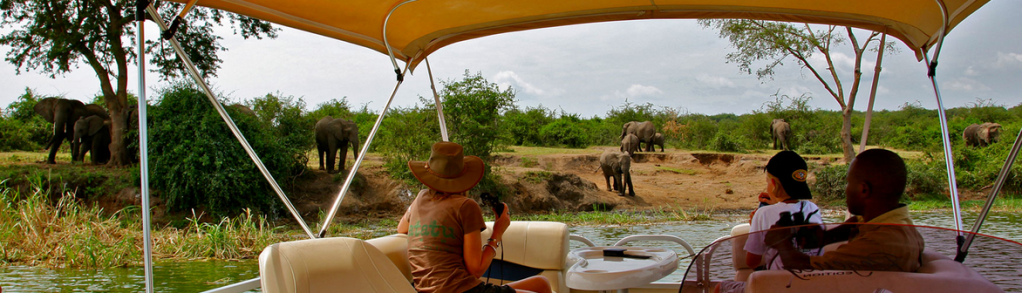
Return for a starlit dinner followed by a night cap by the campfire and finally to a peaceful slumber in your luxurious room.

Hotel: Mweya Safari Lodge

Day 6  – Friday Nov 6

A 30-minute flight from Queen Elizabeth National Park and you will land in Kihihi town and be driven to Bwindi on the edge of the Albertine Rift. It’s a mesmeric flight over the Ruwenzoris and the lakes and on to the dense forest that the locals call Place of Darkness. This is the home of more than half of the world’s population of the Mountain Gorillas – only discovered in Bwindi in 1987 from their night nests in the trees.

You will be collected from Kihihi airstrip and driven to Mahogany Springs Lodge, your luxury address for the night overlooking the high forest-clad vales of Bwindi.
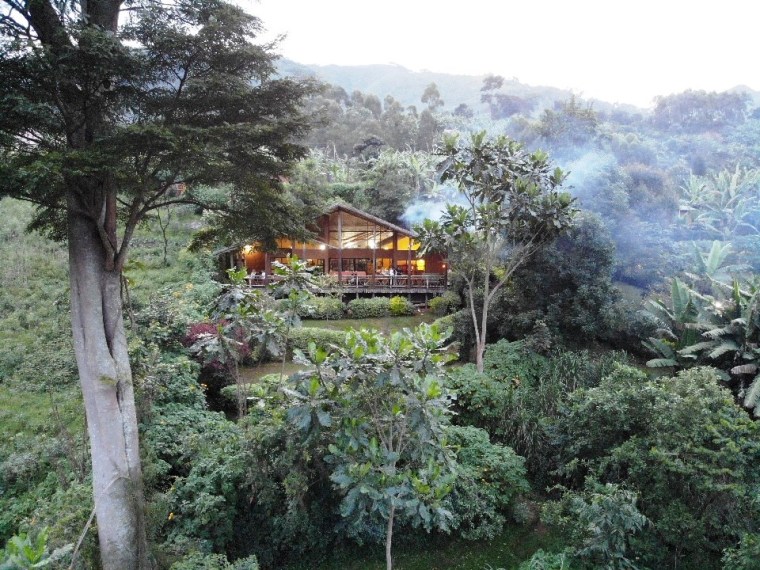
Lodge in the mist – the enchanting Mahogany Springs

After check-in, relax and enjoy an exquisite lunch.

Enjoy the afternoon. There are many activities such as visiting the Ride4aWoman, a charitable organisation that empowers local widows through skill training, micro-finance and mentoring. The women work at the lodge, making curtains, mosquito nets, clothing, cushions, lampshades and more. A 2 minute walk from Mahogany Springs, clients are able to visit this project. This is a complimentary activity.

READ: Walking with Gorillas by Dr. Gladys’s globally acclaimed NGO, Conservation Through Public Health before returning at sunset to the lodge.

6 p.m.: Take a few minutes to refresh before we meet for cocktails on you first night in Bwindi, that is one the most bio-diverse places on Earth.

Dinner will be served fused with the rich forest air and lots of lively exchanges with the excitement of meeting the gorillas.

Hotel: Mahogany Springs Lodge

Day 7  – Saturday Nov 7

This is your day for an encounter with the greatest ape on Earth – the Mountain gorilla accompanied by Dr Gladys Kalema-Zikusoka.

The distinguished vet and researcher will tell you about the Bwindi gorillas and her journey as Uganda’s first wildlife vet. You will get to know some fascinating insights into what it takes to save the Mountain gorillas – which is all about co-existence between the primate (us) and the non-human primate (gorillas, chimpanzees plus some 500 more species). I’m not telling you more.

6.30 a.m. – Meet for breakfast and then a short drive will bring you to the legendary impenetrable forest for an exciting day of hiking for our close relative with who we share 98.4% of our genes.
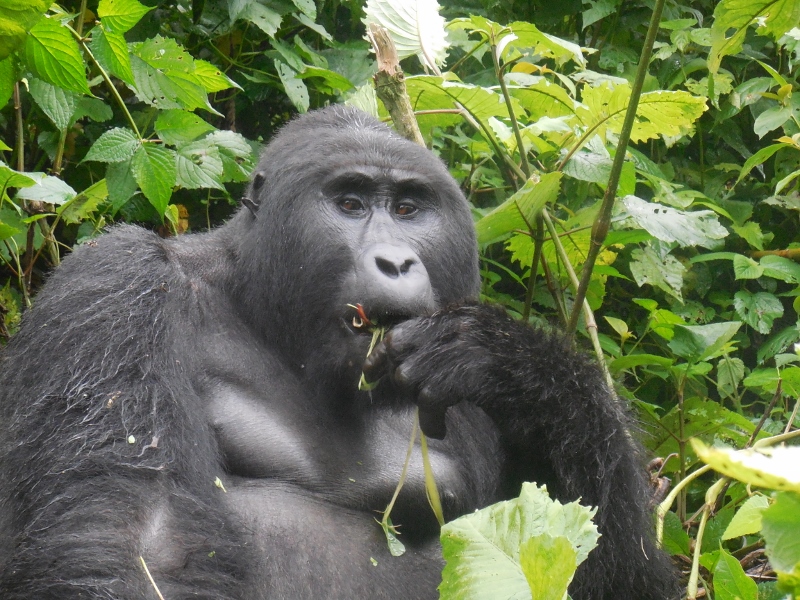
The population of Bwindi’s Mountain gorilla is on the rise from 300 in 1999 to 459 and increasing. The Mountain gorilla is the only gorilla species whose population is increasing which has seen it removed from being listed as Critically endangered to Endangered.

The forest is also home to the extremely rare Forest elephant that number 300. If we see one with the Great Blue Turaco, a bird of the rainforests – you will be one of the few to ever witness this!

Depending on the duration of the hike, you will return to the lodge for a late lunch and have the afternoon to yourself in this magical paradise.

7.30 p.m. – Meet for dinner over lively conversation about your day with the Great apes of Bwindi and more.

Hotel: Mahogany Springs Lodge

Day 8  – Sunday Nov 8

After breakfast, depart with a packed picnic lunch for a full day with Dr. Gladys Kalema-Zikusoka. Engage with local community members and learn about their partnership with Conservation Through Public Health (CTPH) in promoting both human and wildlife health.
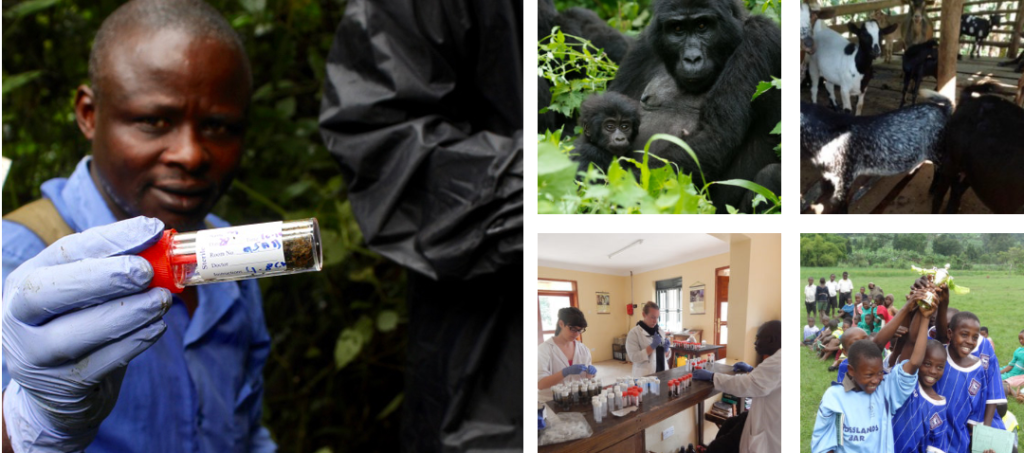
Then visit the Gorilla Health and Community Centre, where vital research is conducted through the analysis of gorilla and livestock samples to detect viruses/diseases that threaten the endangered mountain gorilla populations

Day 9 – Monday Nov 9

Entebbe

6 a.m. – Wake up to the crystal-fresh air of the mountains for a sumptuous breakfast.

7 a.m. – Say goodbye to this enchanting paradise, a special place on the planet and now in your heart.

9.30 a.m – Flight departs from Kihihi airport to Entebbe
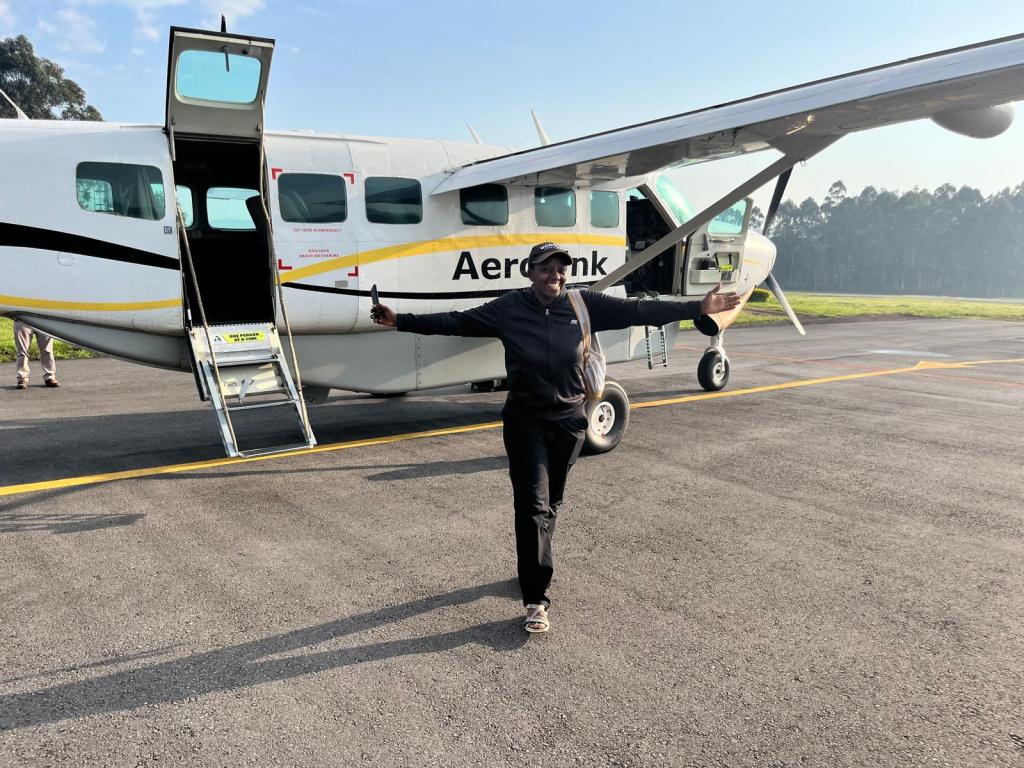
11.25 a.m. –  Flight lands at the Entebbe International Airport for your return flights. There will be a lot of memories to take back home after your amazing African safari with new friends met.

Day room or overnight: *HOTEL CLOSEST TO AIRPORT

To paraphrase the late gorilla researcher Dian Fossey: ”The more you learn about the dignity of the gorilla … and when you realize the value of all life, you dwell less on what is past and concentrate more on the preservation of the future.”

COST:

Per Person: US$ 9,335

Per Person Sharing: US$  8,573

THE PACKAGE INCLUDES:

  • 1 night accommodation at Lake Victoria Serena Golf Resort & Spa on bed & breakfast basis and arrival airport transfer
  • 2 nights accommodation at Paraa Safari Lodge, Murchison Falls National Park on full board basis
  • 2 nights at Mweya Safari Lodge, Queen Elizabeth National Park on full board basis
  • 3 nights accommodation at Mahogany Springs Lodge, Bwindi on full board basis
  • Murchison Falls: 2 game drives, An excursion to the top of the falls, A boat cruise to the base of the falls
  • QE National Park: 2 game drives, A boat cruise on the Kazinga Channel
  • Bwindi: 1 gorilla tracking permit per person in Bwindi Impenetrable Forest
  • Bwindi –visit amazing CPTH Gorilla lab and community projects
  • Air tickets Entebbe-Pakuba (Murchison Falls)-Mweya (QE National Park)-Kihihi-Entebbe
  • Ground transportation and airstrip transfers
  • National park entrance fees
  • Flying Doctor emergency evacuation
  • All statutory taxes

NOT INCLUDED:

  • Beverages, incidentals, gratuities and items of a personal nature
  • Additional meals in Entebbe
  • Optional porter, should you require a porter during the trek (payable direct)
  • Any optional extra activities not indicated above

Would you like to add a safari in Kenya, Tanzania or Madagascar before or after the Uganda Gorilla safari, all you got to do is write to us.
Love Lemurs… Let’s go to Madagascar

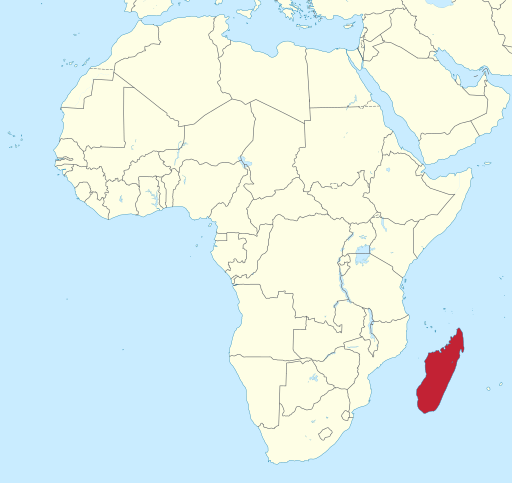
TUBS, CC BY-SA 3.0 https://creativecommons.org/licenses/by-sa/3.0, via Wikimedia Commons

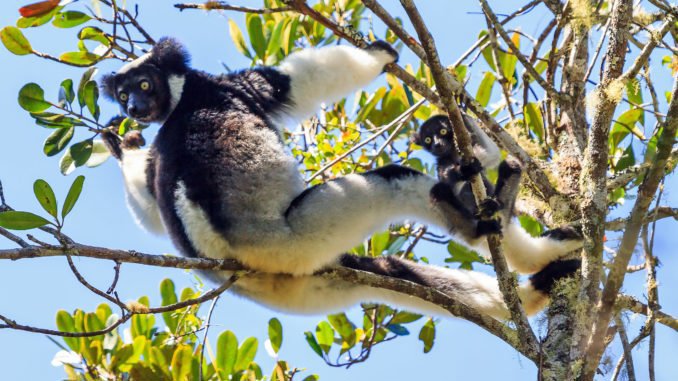
The island country lying off the south-eastern coast of Africa is the only home of the lovable lemurs. Our adorable cousins – for they are primates just like us – come in all shapes and sizes with over a 100 species. Your days in Madagascar will be filled with spotting as many as you can.

The world’s fourth largest island and the second-largest island country broke off the supercontinent Gondwana 150 million years ago that separated the Madagascar-Indian landmass from Africa.

A bit more shaking around the Earth’s core saw Madagascar finally split off from the Indian tectonic plate 70 million years later.

Isolated on the Indian Ocean, its flora and fauna developed independently creating 98% endemism – meaning what you see is only in Madagascar and nowhere else in the world.

Let’s discover Madagascar, one of the world’s top ten biodiversity hotspots.

Island History

Slightly larger than France, the tropical island boasts surreal ocean life to ravishing forests that are, of course home to the lemurs and so much more.

Its capital and largest city is Antananarivo affectionally known as Tana.

With 28 million islanders, Malagasy and French are spoken by ethnic groups of Malayo-Indonesian, mixed African and Malayo-Indonesian, and people with an Arab ancestry.

Archaeological research in the 20th century found evidence that human settlers reached Madagascar about five centuries before Europeans discovered the island. Malay-Indonesian seafarers arrived around the first century CE, Arabians followed in the sixth century and established trading posts there.

Here’s what we have planned for you.

DAY ONE Wed 19 August

Arrive in Tana.

Our Airport Meet and Assist Service ensures the most seamless arrival for our guests. Upon completing customs formalities, a dedicated representative will be there to assist you with various tasks, such as currency exchange, obtaining a local SIM card, setting up data on your SIM, and addressing any other requirements you may have. To ensure your convenience, we recommend handling currency exchange and SIM card acquisition before departing the airport.

A visitor’s visa is required and issued on arrival at Tana Airport for 10 euro for up to 13 days and 35 euro for 14 – 30 days.

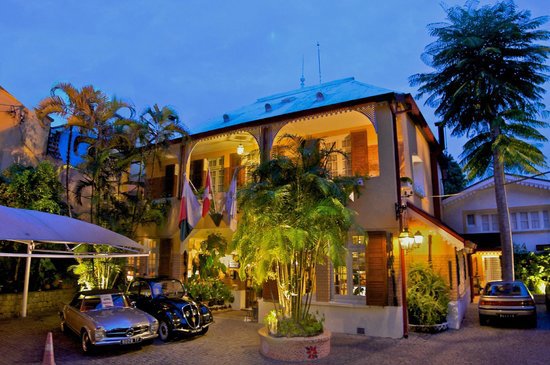
Transfer by road to La Varangue Hotel.

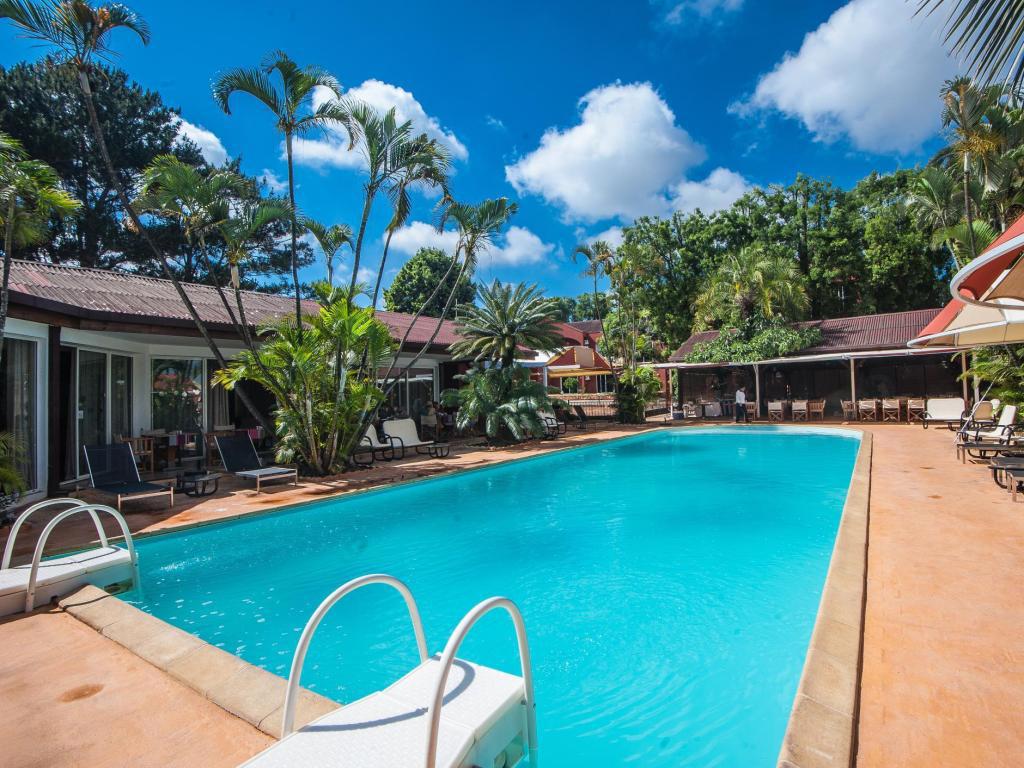
This is a charming guest house in the centre of an upscale neighbourhood of the capital. Fruit of the marriage of Malagasy and colonial style architecture, this house offers the proximity of the commercial district of Antaninarenina.

Charm with genuine hospitality are the order of the day, the smiles and the competence of the team will make you appreciate the good life, typical of the “Big Island”.  This hotel offers unique decoration, and an outstanding collection of antiques will amaze you and transport you to the past. 

Meal Plan: Dinner & breakfast

Overnight: La Varangue Hotel.

DAY TWO Thurs 20 August

Antananarivo – Andasibe (170km).

Embark on an unforgettable journey through the picturesque landscapes of Madagascar by driving from Antananarivo to Andasibe. This 140-kilometer route will take you on an adventure through verdant forests, charming towns, and rural villages.

Your experienced driver will ensure a comfortable and safe ride, while your English-Speaking guide will provide you with interesting insights about the local culture and traditions. 

Madagascar Countryside

1 p.m. – Lunch at Vakona Forest Lodge

Overlooking its beautiful old established gardens, enjoy the delicious foods of the island before meeting the lemurs.

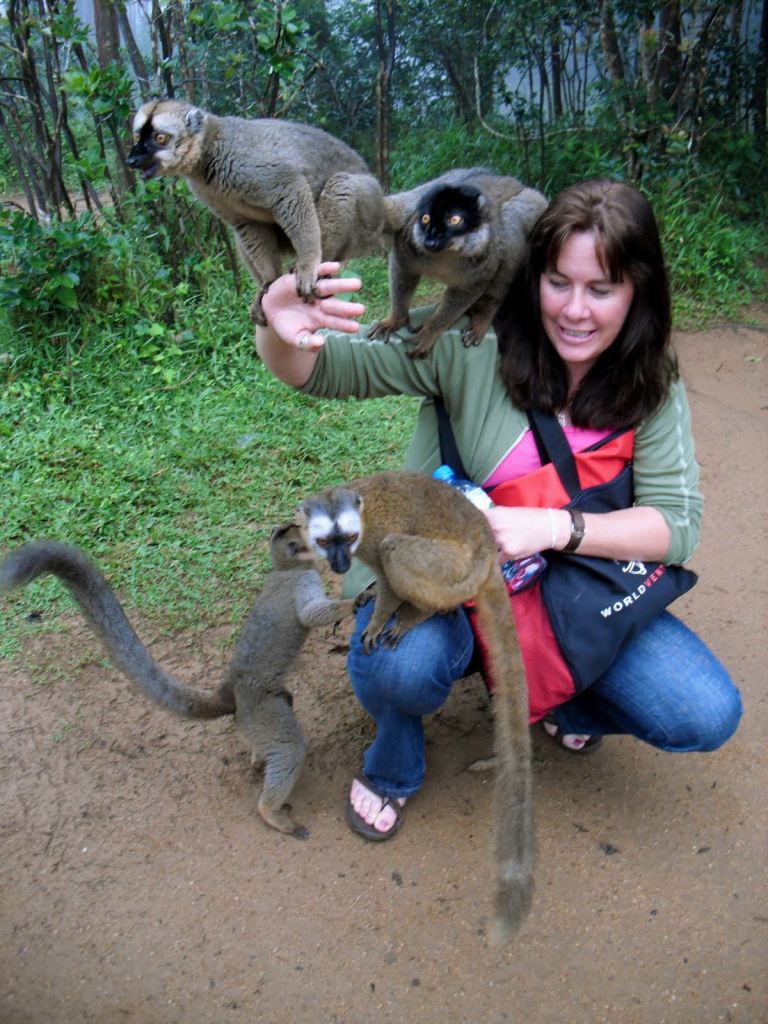
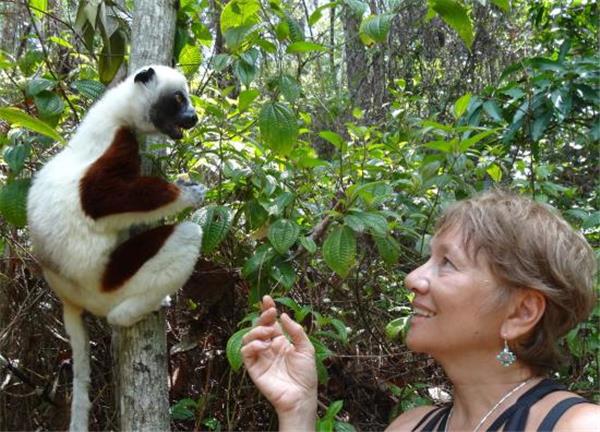
Lemurs Island – After lunch, you will enjoy an amazing personal experience with the lemurs in the lodge’s private reserve. It is a short walk from Vakona restaurant to a small rainforest of VOIMMA, which is protected by a local guides association.

Afternoon with lemurs

After your first meeting with the lemurs we will depart for Manjarano Lodge & Spa, a 20 minute drive.

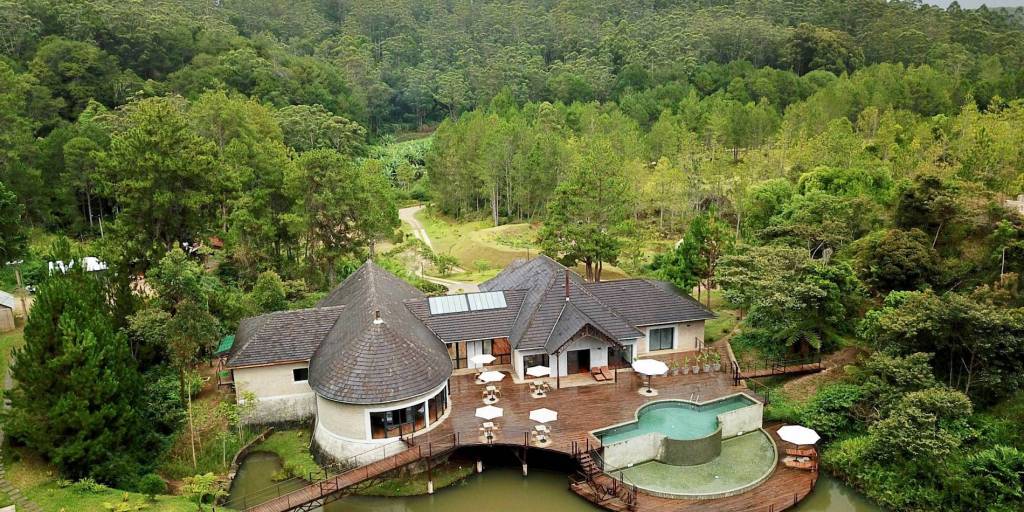
Manjarano Lodge & Spa

Indulge in luxury, tranquillity, and a seamless blend of European standards and natural beauty at Manjarano Lodge & Spa.

Manjarano Lodge & Spa

This exquisite Manjarno is a haven of comfort, elegance, and serenity, nestled in the heart of the magnificent Andasibe forest.

The lodge offers a serene retreat, where you can unwind and rejuvenate amidst the captivating sights and sounds of the wilderness.

From the moment you arrive, the lodge’s impeccable service and attention to detail will ensure a memorable stay. Indulge in luxurious accommodations that provide the perfect blend of comfort and sophistication. The stylishly appointed rooms offer a serene sanctuary, allowing you to unwind and recharge after a day of exploration with captivating nature walks, where you can encounter unique wildlife, including lemurs, birds, and a myriad of endemic flora and fauna.

6 p.m. – We will be escorted on a short night walk to see some of the nocturnal creatures. Grading of the trails is easy. Be sure to pack a strong torch with some spare batteries for night walks.

8 p.m. – Dinner

Indulge in delectable culinary experiences at the lodge’s restaurant, where skilled chefs blend local and international flavours to create a gastronomic journey that delights the senses. 

Overnight: Manjarano Lodge & Spa.

DAY THREE Fri 21 August

Guided visit to Analamazaotra Special reserve

Encounter with a Lemur, a special moment

After breakfast, a short drive will bring us to the captivating wonders of Analamazaotra, home to the most popular park within the reserve. This enchanting destination holds a special allure, primarily due to the presence of the rare indri, Madagascar’s largest lemur. Throughout the misty forest, the indri’s haunting and unforgettable wail resonates, creating an otherworldly ambiance that can be experienced throughout the day, but most prominently in the early morning. With approximately 60 resident family groups, each consisting of two to five indris, you’ll have ample opportunities to witness these magnificent creatures in their natural habitat.

While the indris steal the spotlight, the park is teeming with an array of other remarkable lemur species. Keep your eyes peeled for sightings of woolly lemurs, grey bamboo lemurs, red-fronted lemurs, black-and-white ruffed lemurs, and diademed sifakas, which are among the largest lemur species. In 2005, the Goodman’s mouse lemur, identified as a distinct species, was discovered here, further adding to the park’s biodiversity.

As you explore, you’ll also encounter eleven species of tenrec, the vibrant and immense Parson’s chameleon, and an impressive array of seven other chameleon species. Additionally, the park boasts over 100 bird species, 20 species of amphibians, and the endemic Ravenea louvelii palm tree, which is found exclusively within its boundaries.

You will enjoy the Indri 2 trail which encompasses the lakes and extends to the domains of two separate indri families and takes around 3 hours.

To witness the indris in their most active state, the early morning hours, specifically from 7 a.m. (park gates open at 0800) to 11 a.m., are the optimal time. Prepare to be enchanted by their calls and observe their graceful movements through the forest canopy, creating a truly mesmerising experience.

1 p.m. – Lunch at Manjarano Lodge & Spa

After lunch, we embark on a four hour drive (170kms) from Andasibe back to Antananarivo, offering you a captivating view of the breathtaking Angavo mountain ranges that demarcate the boundary between two distinct climate zones. As we traverse the picturesque landscapes, you’ll be greeted by charming villages that dot the route, each adorned with bustling markets teeming with vibrant energy. This presents the perfect opportunity for you to capture mesmerising photographs that encapsulate the region’s natural beauty and cultural essence.

Visit to Peyrieras Madagascar Exotic (Marozevo reserve)

Prepare to be amazed on your journey with a stop at the captivating Madagascar Exotic Park, owned by the renowned Peyrieras family. Situated on National Road N2 between the towns of Manjakandriana and Moramanga, approximately 75km (47mi) east of Antananarivo, this privately run park is a must-visit destination for wildlife enthusiasts.

Founded and owned by André Peyreiras, a French entomologist and naturalist, the park is also known as the Reserve Peyrieras or Peyrieras Butterfly Farm. Here, you’ll have the chance to witness the feeding of chameleons and observe a range of other fascinating reptiles, including iguanas, geckos, frogs, and crocodiles. The park is also home to the giant Atlas Moth, as well as a variety of butterfly species and tenrecs.

As you enter several large, caged buildings and greenhouses, accompanied by a knowledgeable park guide, you’ll be transported into a world of Malagasy fauna that will leave you in awe. With countless photo opportunities, the Madagascar Exotic Park is the perfect location to learn about Madagascar’s unique wildlife and to witness some of its most remarkable creatures up close. Don’t miss out on this extraordinary experience that will make your Madagascar trip truly unforgettable!

6 p.m. – We will arrive at Relais des Plateaux Hotel & Spa.

Relais des Plateaux Hotel

Situated a stone’s throw from Ivato Airport, the Relais des Plateaux hotel in Antananarivo offers utmost convenience with its complimentary shuttle service to both the airport and the city center. As you arrive, you’ll be greeted by a 24-hour reception, ensuring round-the-clock assistance for your comfort and peace of mind.

The hotel’s tropical garden provides a tranquil oasis, inviting you to unwind and immerse yourself in the serene surroundings.

8 p.m. – Dinner.

Indulge your taste buds at the buffet-style restaurant, adorned with charming, exposed beams, where you can savour a delightful array of culinary delights. 

After which, enter your elegant room which overlooks the captivating gardens.

Time permitting, enjoy a dip in the heated swimming pool, where you can bask in the gentle warmth while lounging on comfortable sun lounges. The hotel staff is known for their friendliness and warm hospitality, dedicated to providing top-notch service and ensuring your stay is both comfortable and memorable.

DAY FOUR Sat 22 August

8 a.m. Start your day with a wholesome island breakfast before the flight to Nosy Be.  Your hotel, the Relais des Plateaux, will manage your transfer today.

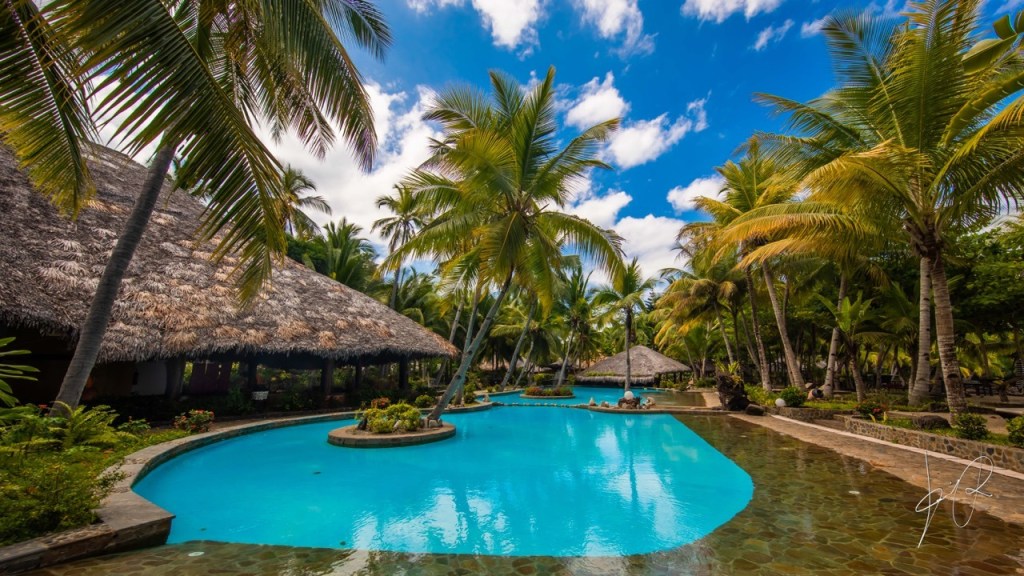
On arrival in Nosy Be you will be met and transferred to Ravinstra Wellness Hotel, a blend of nature and luxury on the west coast, famous for its stunning sunsets.

Here you spend the next four nights at Ravintsara Wellness Hotel

Ravinstra Wellness Hotel

Day at Leisure

Spend the day on the beach, snorkelling or just relaxing with a good book.

Perhaps enjoy a massage or other treatments.

DAY SIX Sun 23 August

Nosy Antsoa and Nosy Iranja

Enjoy an early breakfast before boarding your boat for your first adventure.

Heading south we stop at Nosy Antsoa for a quick swim and a guided walk through the forest to see up to seven species of lemur.

From here we head on to Nosy Iranja.

Two islands at high tide but one, joined by a 750m sandy spit, at low tide.

Nosy Iranja has often been voted the most beautiful of Indian Ocean Islands and deservedly.

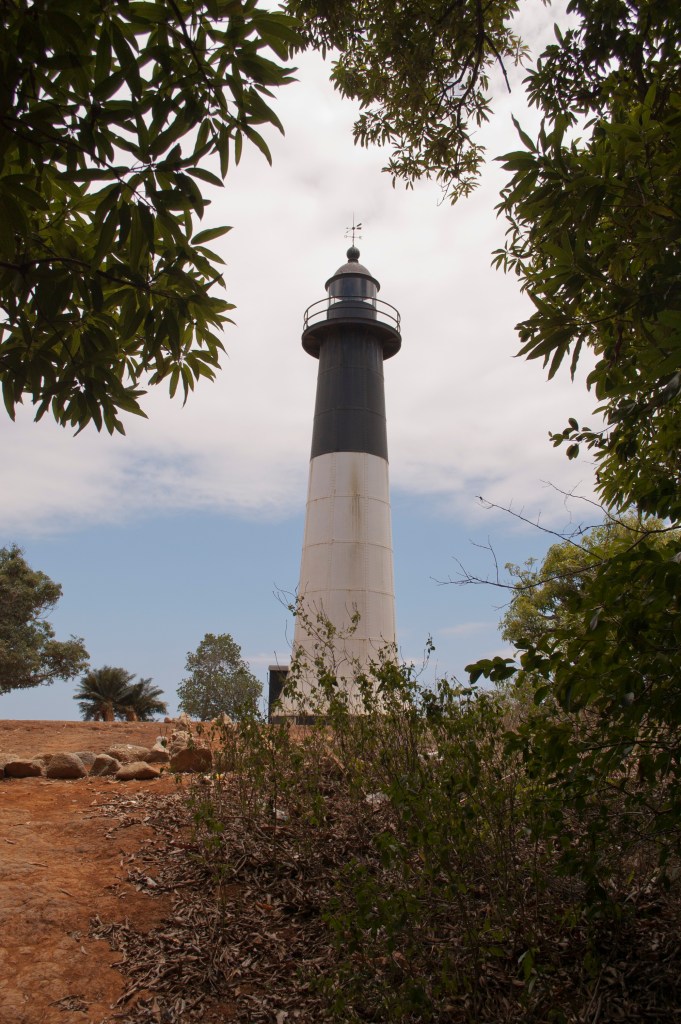
Metal lighthouse built by Gustave Eiffel in 1909 . Credit Tato Grasso

On arrival take a walk up to Gustav Eiffel’s lighthouse to enjoy the spectacular view of the island. Explore the village, walk along the spit (take water and a hat!) and if you are lucky you might witness turtles hatching.  

After an ice-cold drink at the ‘Tiki Bar’ you will enjoy a fabulous lunch before returning to Nosy Komba.

OVERNIGHT: Ravintsara Wellness Hotel HB

DAY SEVEN Mon 24 August

Tanikely Marine Reserve

Everybody talks about this magical island.

Nosy Tanikely is a tiny, uninhabited island surrounded by patches of shallow coral and sandy beaches. 

Nosy Tanikely Marine Reserve

Nosy Tanikely means “island of the little land”. 

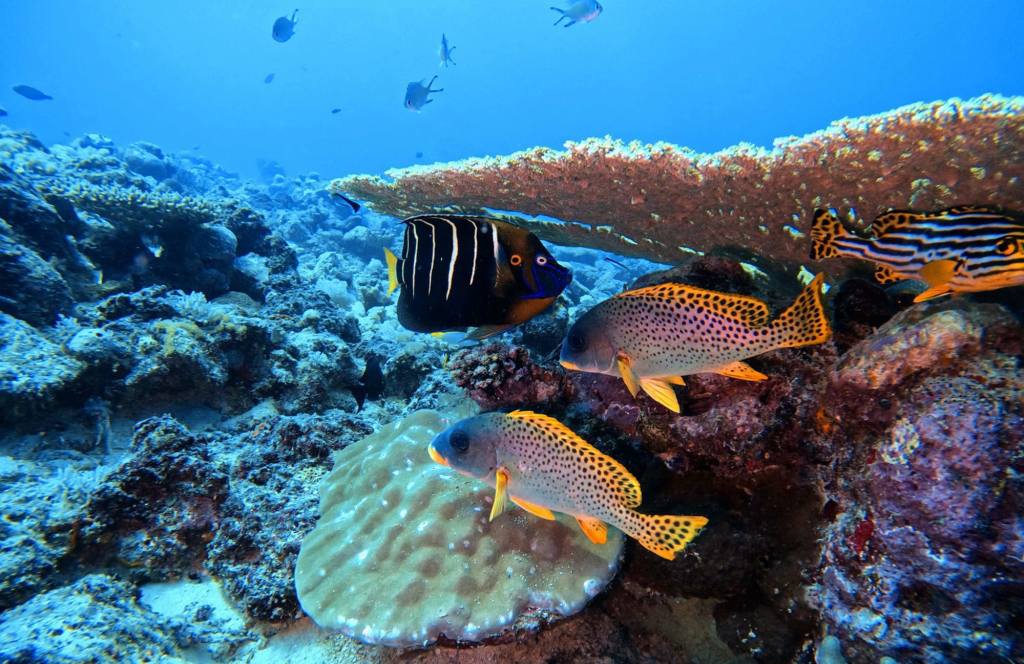
This natural aquarium is famous for its marine reserve teeming with underwater flora and fauna. It offers superb snorkelling in warm waters with great visibility. You can discover angelfish, clown fish, puffer fish, grouper and spotted stingrays.

Angelfish, Clownfish, Triggerfish, turtles, parrot fish, spotted stingrays and pufferfish are just a few of the vast array of life here, under the sea.  

Take a walk up to another of Gustav Eiffel’s lighthouses probably spotting a few resident Black Lemur along the way.

Return to hotel until dinner.

OVERNIGHT: Ravintsara Wellness Hotel HB

DAY EIGHT Tues 25 August

Nosy Sakatia

This is a Half day excursion.

Nosy Sakatia is a charming island situated just 15 minutes from Nosy Be. 

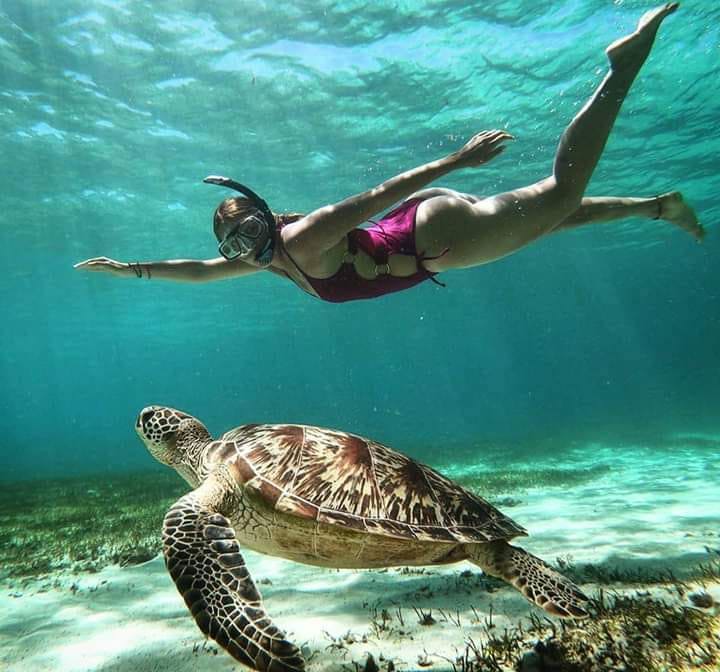
Swimming with the turtles at Nosy Sakatia

Known as the Perfume Island it is also famous for its lack of roads, green turtles, incredible snorkelling and friendly villagers.

There is a sacred forest, endless beaches and mangroves.

OVERNIGHT: Ravintsara Wellness Hotel HB

DAY NINE Wed 26 August

After breakfast, transfer to Nosy Be Airport for flight to Antananarivo for your international flight.

END OF SERVICES.

COST:

Approximately depending on group size:

PP: USD 6,800 PP

PPS: USD 6,500 PPS

Excluded 

Premium Drinks

Tips

Additional activities/excursions

Spa treatments

Items of a personal nature

Laundry

Use of jacuzzi at Ravintsara

International airfare

Included

All stated in itinerary – SUBJECT to availability of the accommodation and flights quoted.

2 glasses of wine/beer at dinner

To Book your Spot:

Contact Rupi Mangat CEO Moonlion Safaris or email me: rupimangat@yahoo.com

Culture: Samburu heritage preserved in new museum

By Rupi Mangat

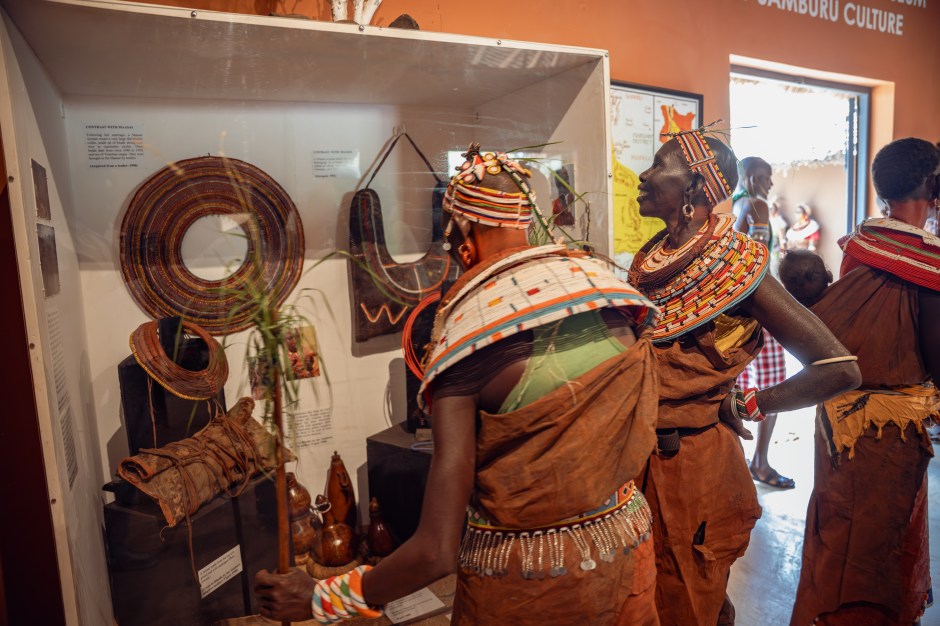
Above: Samburu women admiring all things Samburu during launch of the Rhodia Mann Museum of Samburu Culture at Sasaab Luxury Camp- Image by Klein Nettoh

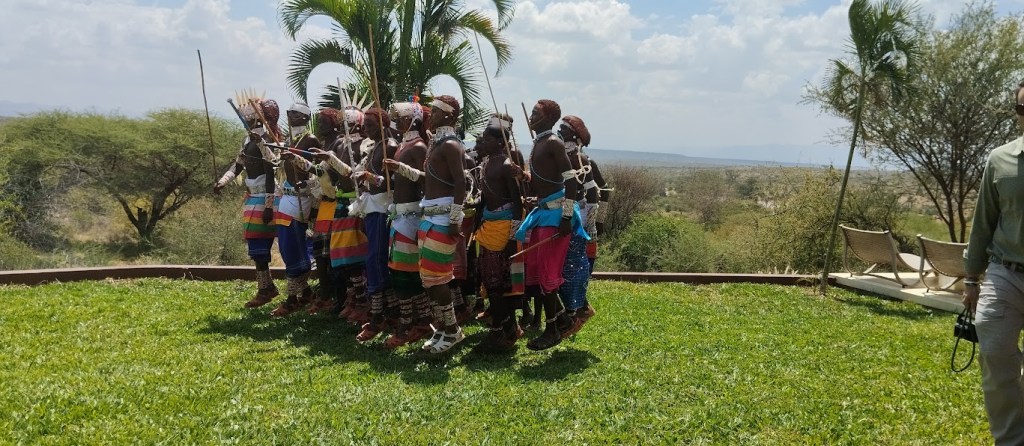
It’s a day of celebration with the Samburu elders blessing the ceremony, the women dressed in traditional regalia of beaded necklaces singing songs of praise and the morans dancing with high leaps and deep-throated beats.

Samburu morans dancing at the opening of the Rhodia Mann Museum of Samburu Culture at Sasaab. Picture: Rupi Mangat

“This is a moving day for me of a story that began when l was nine years,” tells Rhodia Mann her voice emotional as she begins the story of how the Rhodia Mann Museum of Samburu Culture came into being.

Inaugurated on 5th December 2025 at the Sasaab Luxury Tented Camp in Westgate Conservancy in the heart of Samburu land, it is Rhodia’s collection of all things Samburu collected over a span of six decades.

It houses 60 artefacts, 150 photographs and pages of maps, diagrams, charts and text that were transported from Nairobi in a seven-ton truck filled with 53 crates to Samburu, the land where it all came from. “I had to give it all back because it rightfully belongs there,” tells Rhodia, now in her 80s.

Standing by the museum that is the only one of its kind in the world that houses the Samburu culture, Rhodia continues her story. Dressed in an earth-red shirt and pants, now increasingly frail with an autoimmune condition, she’s still feisty and here to see the museum come to life – a collection she put up in four days with her eye to detail.

The Start of the Journey

“My father brought me to Maralal,” narrates Rhodia to a rapt audience against a backdrop of ancient rocks weathered in time over a span of 25 million years that once stood taller than the tallest mountain Kenya that’s dated at two million years.

Born of immigrant parents – her Polish father Igor and Romanian mother Erica who fled the Nazi regime in the second world war – she grew up in a house full of intellectuals, artists, writers and political activists from around the world. Her father was a veterinary doctor and became the world authority in parasitology and her mother, Nairobi’s earliest town planner commissioned to plan the largest city between Cape and Cairo of 250,000 people, recalls Rhodia.

Her father being a vet in the colonial regime was posted to the northern lands to develop the livestock industry at a time when it was closed to the outside world and deemed dangerous. On many of these forays into the north, he was accompanied by his wife and daughter.

On her first safari, Rhodia remembers. “I was at a Samburu manyatta and everyone was all over me. I was the first white child the Samburu had seen. I was totally admired and pampered and by the end of the visit, I was completely covered in ochre and dust. But it was the happiest day of my life.

“The provincial administrator then drove us to a point and asked me to close my eyes. He guided me a few steps and then asked me to open my eyes. What I saw was the most beautiful sight. I was standing at the edge of the Great Rift Valley at a place called Losiolo and I had the whole world spread below me. I wrote about it in my diary.”

Fast Forward

School took over and then further studies in New York in fashion design and business administration. Marriage followed with a bitter divorce where she fought for custody of her two sons – and lost.

While in the US, her father sent her beads from Afghanistan. “I strung the first ones into a necklace for myself but when a friend saw it, she asked if she could by it. Off my head, I quoted USD 60 and she paid. At that time (in the 1970s) it was a lot of money.”

It was the beginning of Rhodia’s jewellery business that saw her travel to remote and far-flung places like Ladhak, Mongolia, Pakistan, India, Bali and more, buying beads to fashion into unique pieces of jewellery with sold-out exhibitions in high-end galleries like on Madison Avenue.

Returning Home

In 1981, Rhodia returned home to Kenya never to return to the US. At a loose end on what to do and with no money, she discovered a bead shop in downtown Nairobi selling old beads.

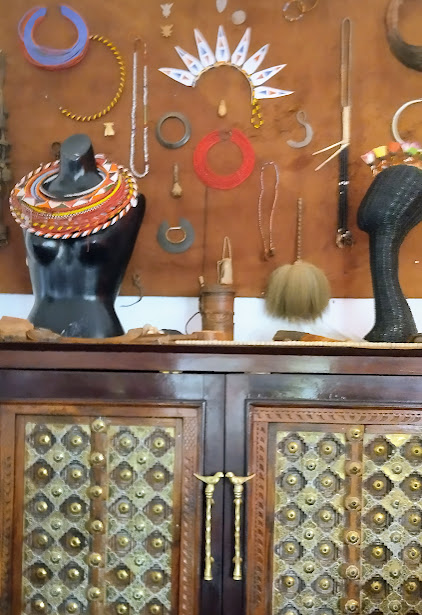
Collection of Samburu jewellery in Rhodia Mann private collection. Image by Rupi Mangat

“I started designing jewellery again with beads available here and began travelling the world again.”

When Rhodia talks beads, she’s talking about beads bought from local people, nomads, refugees like in western Tibet fleeing from Chinese invasion. They are selective pieces of historical significance in today’s industrial age of mass manufacture.

And then one day she chanced upon her childhood diary that her mother had kept. In it she had written about a dream when she was 16 of standing at the same place as a nine-year-old at the edge of the escarpment at Losiolo.

To Follow the Dream

The discovery of her childhood diary was the cue to return to Samburu.

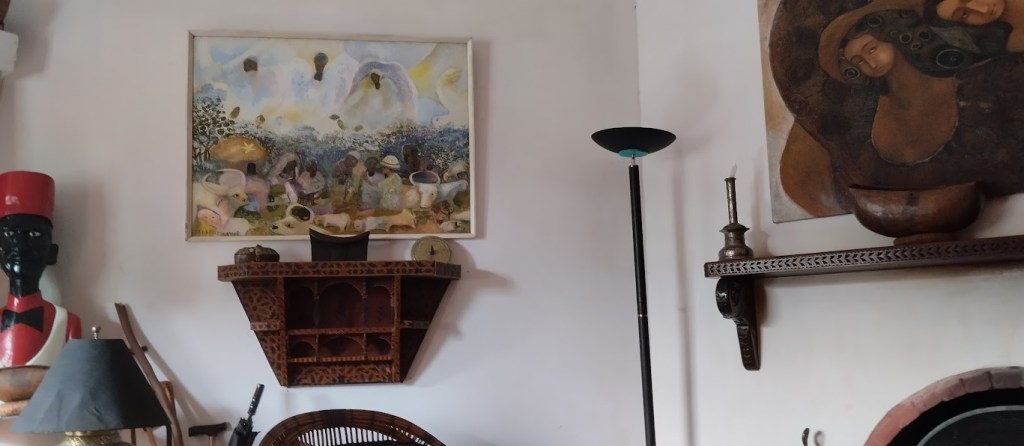
Painting by Jak Katarikawe the acclaimed Ugandan artist of Rhodia meeting her Samburu family hanging in her living room. Picture Rupi Mangat

In 1996, Rhodia drove herself in her tiny shoebox-sized car to Maralal. She met a Samburu blacksmith who showed her all the things he made. She also found the manyatta with the same family she had been to as a child. It was the start of her many safaris to the vast parts of northern Kenya stretching from Moyale to Mandera, the border towns of the Ethiopian and Somalia respectively.

“I spent years learning the Samburu culture. Cultures enrich you. I started bringing tourists here. At the time there were few tourists coming here. My Samburu mother adopted me and gave me her wedding necklace, which is passed on from mother to daughter.”

Her Samburu mother, Ntaipi Lelenguyu, was a respected holy woman. With her adopting Rhodia and naming her Noongishu meaning cattle in Samburu, all doors were opened to Rhodia. The name Noongishu implies a woman who has her own wealth and does not need a man to provide for her.

Documenting Samburu Culture

From 1996 to 2000, Rhodia and Clive Ward photographed rituals and ceremonies, many that had never been seen by the outside world. Ward a professional mountaineer, guide and photographer passed away in April this year.

They are in the museum.

“Rhodia is a living legend,” commented Her Excellency Ms. Nicol Adamcová,

the Czech Ambassador to Kenya.

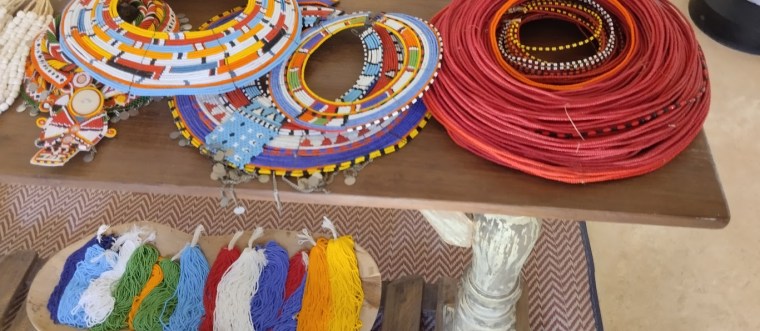
Since 1976, every bead used by the Samburu has come from the Czech Republic. Picture by Rupi Mangat

“Since 1976, every bead used by the Samburu has come from the Czech Republic and we are proud of this special bond, 50 years of Czech beads in Samburu.”

“Rhodia, thank you for this museum,” added Steven Lelendoia, Westgate conservancy’s wildlife warden, “for bringing back home this collection. It is a great honour for us because some of the things in the museum are not easy to see today. This collection is for all generations to come.”

Sitting amongst the Samburu women who earlier on blessed the ceremony is Masulani Lenaiwasae from a village near Sasaab. “I wasn’t aware that our culture is changing so much. Many of the things in the museum are now rare. I’m happy to see our culture being preserved here.

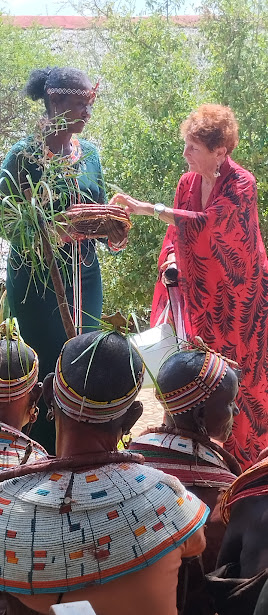
Rhodia Mann presenting Stella Napanu, her Samburu ‘daughter’, a necklace that spans generations made of elephant hair and with a string of Venetian beads in the middle, the style no longer made today. Napanu will only wear the necklace once she is married.

“I remembered my dream and followed it. I am now at the end of my dream,” stated Rhodia. With that she passed her necklace to Stella Napanu, her Samburu ‘daughter’, a necklace that spans generations made of elephant hair and with a string of Venetian beads in the middle, the style no longer made today. Napanu will only wear the necklace once she is married.

Accepting the marriage necklace, said an emotional Napanu, “We are slowly losing our culture. This museum will play a vital role in preserving our culture and therefore it is really  important that the Samburu including Samburu children are able to access it to learn about our roots and our connection to our lands.

With that, Rhodia unveiled the sign to the museum.

The Samburu

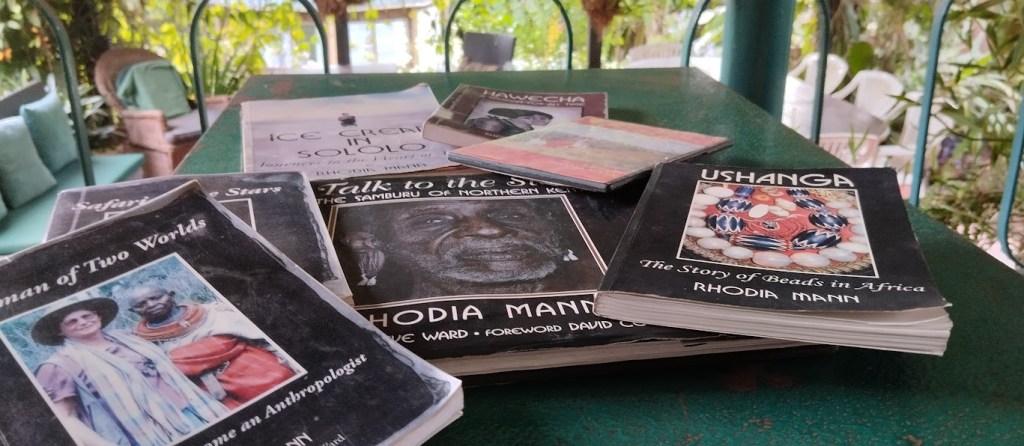
Rhodia Mann’s books authored by her. Image Rupi Mangat

Ntimayon kumontare is the planet Venus on the headpiece of Samburu women. It represents the morning star and acts as a guide and brings good omen to the wearer.

The Samburu, a Nilotic people, believe they lived on Venus. Then God made a new world and sent them there. The people climbed down the ladder and landed on a rock. The rock, now revered holy,  is in the middle of Kisima, a large water body in Samburu county.

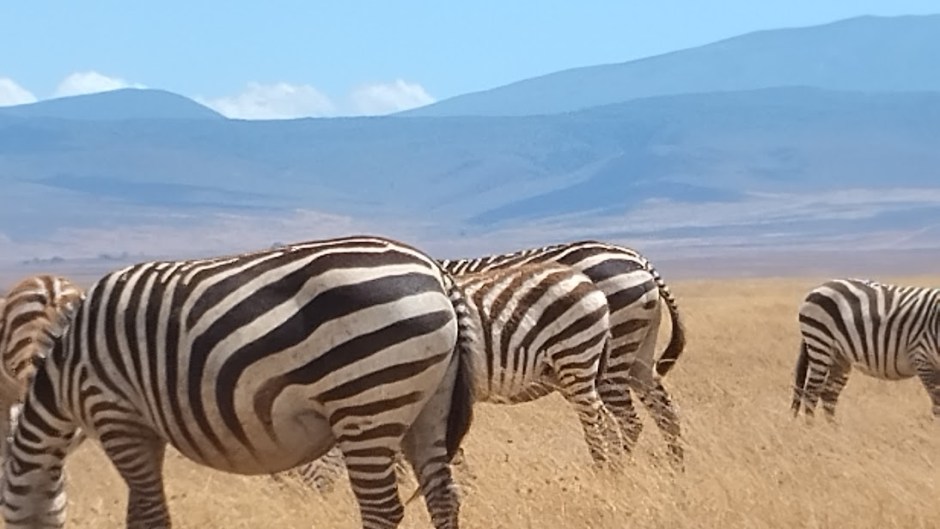
Where the earth opens: A morning inside Ngorongoro Crater

By Rupi Mangat

Published: 20 December 2025 Saturday Nation magazine

We drive out of Karatu to reach the gates to Ngororongoro Conservation Area that’s home to the spectacular crater and the endless plains of the Serengeti – a fitting name borrowed from the Maa word, Siringit.

Dawn is breaking and the idea is to catch sunrise in the crater. At the gate, the baboons stir from the night trees, stretch and yawn to reveal massive jaws.

The gate keepers to the heavenly abode scrutinise our tickets, especially the Kenyan IDs. My Dad’s Kenyan ID states place of birth as India. For the Tanzania National Park’s (TANAPA = Kenya’s KWS) he must provide his passport to prove he is Kenyan or else he will not be allowed out of the NCA. Bizarre.

To cut a long story short, we do miss sunrise over the rim – but the view is surreal, for no one seeing this for the first time would believe there’s a crater below the opaque white-mist blanket

And as the ethereal orb in fiery hues of gold rises to chase away the mist, it’s jaw-dropping to watch the ancient crater reveal itself.

Continue reading “Where the earth opens: A morning inside Ngorongoro Crater”

Tracing East Africa’s beauty from Kitengela to Ngorongoro Crater

A road trip where history, wildlife and modern East Africa meet at every turn. The journey is unforgettable as the destination itself. By Rupi Mangat

Published: Saturday Nation magazine 6 December 2025

The road from Nairobi to Ngorongoro on either side of the Kenya-Tanzania border has changed rapidly since the millennium. Kitengela, once a dusty road-side village is now a busy town with modern malls like Nairobi. The tarmac road leads us past Il Bisil that boasts a little-known Neolithic site when Homo sapien was beginning to settle around 10,000 years ago and then to the one-stop border at Namanga on the foothills of the Black Mountain or Ol Donyo Orok more popularly called the Namanga Hills. It was on this road I saw my first Greater kudu dash across the murrum road caught in the car light one night in 1974.

The one-stop border is efficient without the long wait of the old days and we’re in Tanzania.

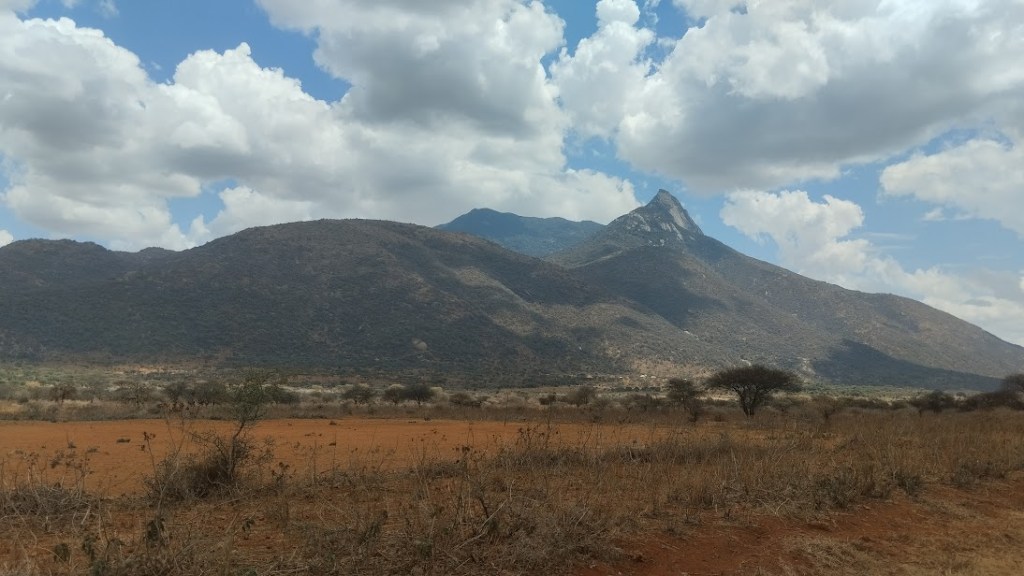
The nyika is dry. It’s October and the land is parched. Mile after mile, it’s the thorn trees and scrub with only the green on Mount Longido breaking the monotone of earth and a solitary young Maasai giraffe.

Continue reading “Tracing East Africa’s beauty from Kitengela to Ngorongoro Crater”