A road trip where history, wildlife and modern East Africa meet at every turn. The journey is unforgettable as the destination itself. By Rupi Mangat
Published: Saturday Nation magazine 6 December 2025
The road from Nairobi to Ngorongoro on either side of the Kenya-Tanzania border has changed rapidly since the millennium. Kitengela, once a dusty road-side village is now a busy town with modern malls like Nairobi. The tarmac road leads us past Il Bisil that boasts a little-known Neolithic site when Homo sapien was beginning to settle around 10,000 years ago and then to the one-stop border at Namanga on the foothills of the Black Mountain or Ol Donyo Orok more popularly called the Namanga Hills. It was on this road I saw my first Greater kudu dash across the murrum road caught in the car light one night in 1974.
The one-stop border is efficient without the long wait of the old days and we’re in Tanzania.
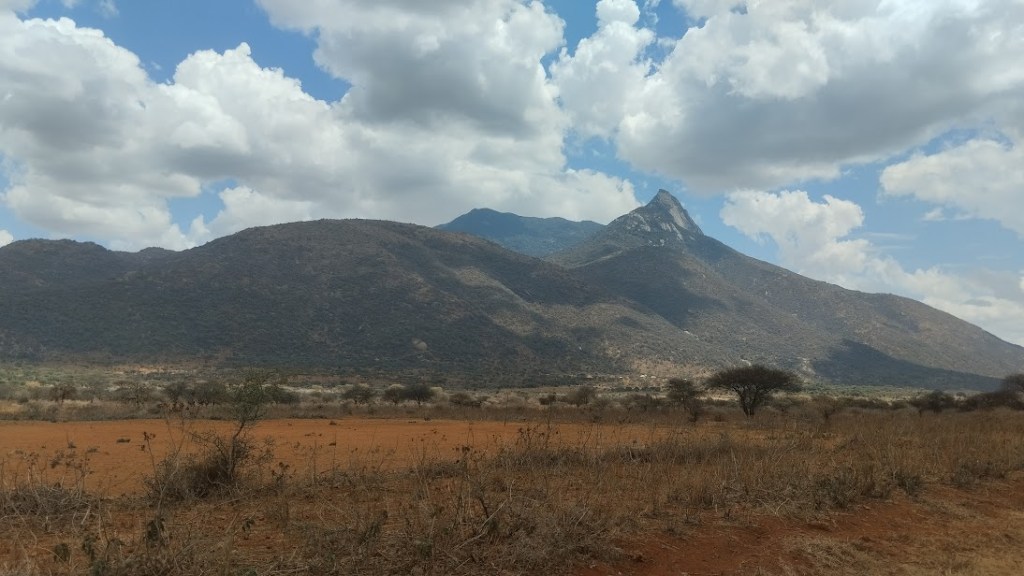
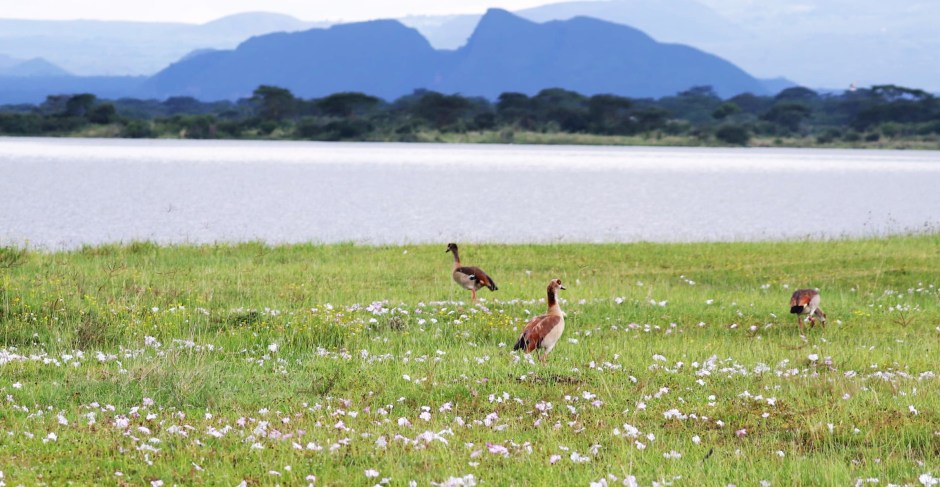
The nyika is dry. It’s October and the land is parched. Mile after mile, it’s the thorn trees and scrub with only the green on Mount Longido breaking the monotone of earth and a solitary young Maasai giraffe.
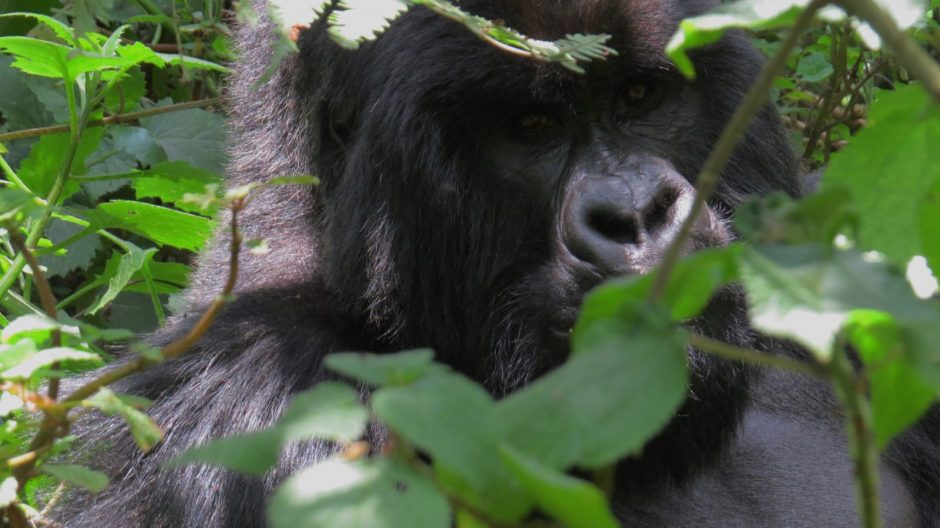
In the stillness of the forest, the silence is interrupted by the sound of snapping branches. “It’s the forest elephants moving through the forest,” tells Chelimo Salim in a quiet tone. He’s our gorilla guide on the trek to see the greatest ape on the planet – the gorilla and to be specific, the Mountain gorillas of Bwindi.
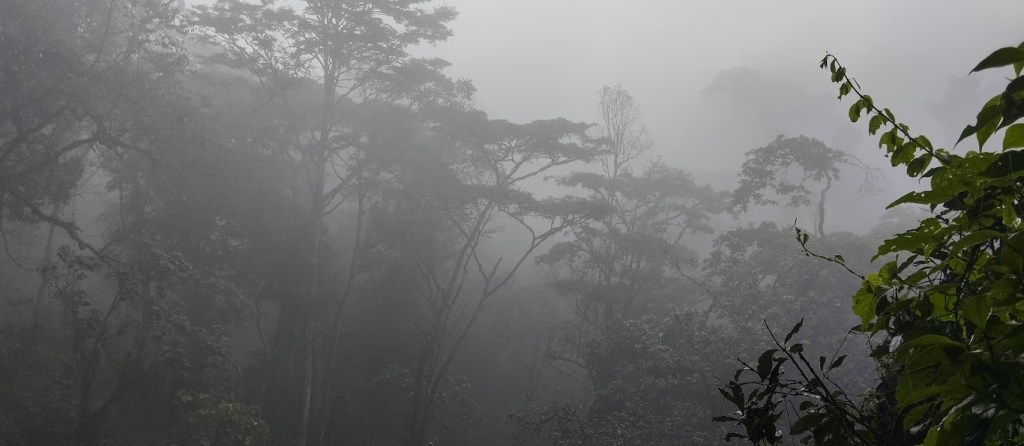
The morning mist is rising to reveal the dense forest covering the mountain range of the Virunga volcanoes that stretch into neighbouring Rwanda that is also home to these gorillas.
But at this moment I want to see the unique forest elephants that are rare and adapted to living in the dark, dense forests of Bwindi. Smaller than the African savannah elephants, they have rounded ears and straighter downward pointing tusks which make it easier for them to move through the forest. It’s anybody’s guess how many there are in the forest – estimates waver between 40 and 300.
The sound ebbs as the elephants move deeper into the impenetrable forest that few outsiders knew about until recently. Its sudden claim to fame came with the ‘discovery’ of the Mountain gorillas – and that not even by sight but from their droppings below their night nests when researchers began to venture into the thick forest glades. That was in the 1980s when Uganda was in the midst of political turmoil. Needless to say, this ‘discovery’ made little headlines.
FYI – Bwindi means place of darkness from the Runyakitara word Mubwindi.
On Global Big Day 10 May 2025 from Lake Elmenteita Serena Camp
Above: The Sleeping warrior aka Delamere’s nose between Lake Elmenteita and Mt Eburru. Credit Aloise Garvey
By Rupi Mangat
Published Saturday Nation newspaper magazine 17 May 2025
It’s the calm of the morning, serene and quiet, one that l don’t want broken, one that l am alone in. In this world in front of me, a solitary Great White Pelican swims in the expanse of the grey-blue lake, reflected in its still waters as is the massif of Eburru and the profile of the Sleeping Warrior that we knew as Delamere’s nose in days past.
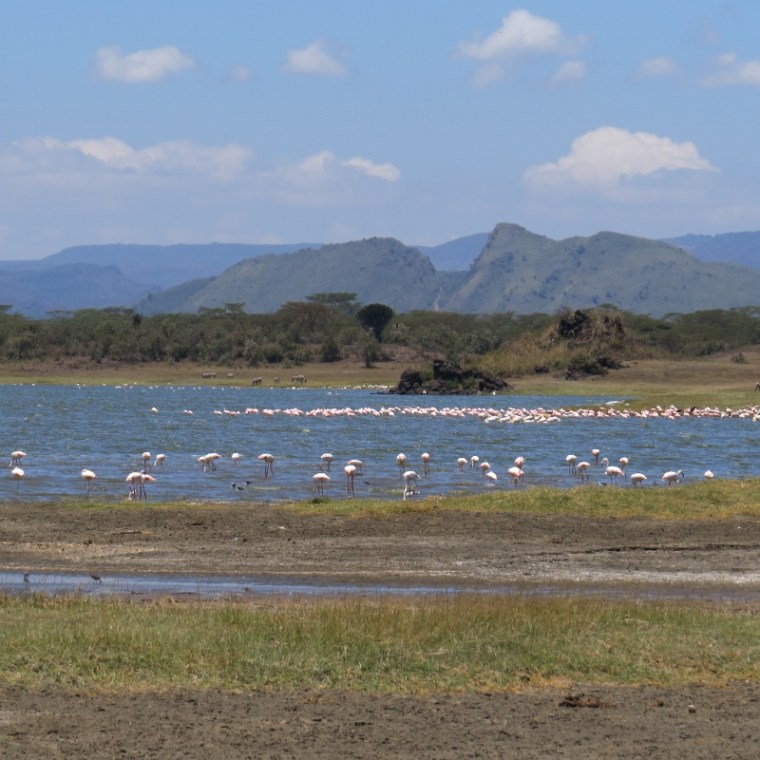
Soysambu Conservancy with Flamingos on Lake Elmenteita and Delamere’s Nose. Copyright Rupi Mangat
It’s still early and it’s the day to celebrate birds for it’s the Global Big Day for birders all over the world with birders in Kenya fanned out in the country except in the north-eastern. I’ve teamed up with two super birders Aloise Garvey Maina and Anthony Mokaya at Soysambu Conservancy to log in as many species of the feathered kind on the eBird app in a bid to make Kenya ranked amongst the top ten countries for birding. The giants of the birding world that have never been toppled since the start of GBD in 2014 are Colombia, Peru and Ecuador with Kenya hovering in the 7th or 8th position. Our mission is to inch closer to the coveted top spot.
As the morning warms the yellow-barked acacia woodland and the lawns of Lake Elmenteita Serena come alive with the cacophony of birds where Aloise is a most sought-after naturalist. By 8 in the morning, Aloise and Anthony have logged in 50 species at the camp and after a filling breakfast of freshly-baked pastries and fresh fruits followed by a hearty helping of a cooked breakfast, we’re driving out into the conservancy that takes its name from the Maasai words for ‘the place of striated rock’ and ‘Sambu’ for the cattle colour, aptly chosen by the first Lord Delamere.
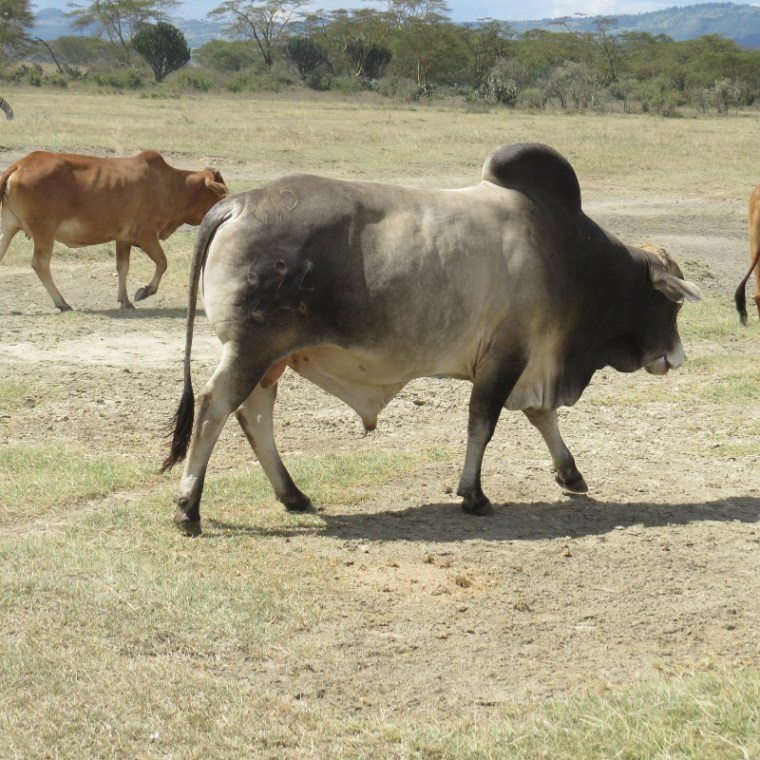
Boran cattle at Soysambu. Copyright Rupi Mangat
A colourful character from the past, he walked some 1,000 kilometres from Berbera in Somaliland to arrive in Kenya in 1897 when only in his early twenties. He then swopped his palatial estate in Cheshire to fund his projects in his adopted home building himself a mud-hut that was doorless and windowless to sleep. Delamere introduced the short-horn cattle and cross-bred them with the indigenous Borana cattle that became a hallmark of the beef industry. It’s history framed on the canvas wall of the palatial lounge fashioned after the early days of safaris that the rich came to Africa for in the early 1900s.
Lake Elmenteita Serena Camp
Having morphed from only a cattle ranch into a wildlife conservancy that’s famed for its 450 species of birds, lions, 10 percent of the global population of the endangered Rothschild giraffes, and so much more, we’re regaled by a Green-headed sunbird which the two men are keen to photograph. “The Green-headed sunbird is a central Kenya species but when it’s too cold in the highlands, it flies south for warmer climes,” narrates Aloise who grew up fascinated by nature mentored by his grandfather.
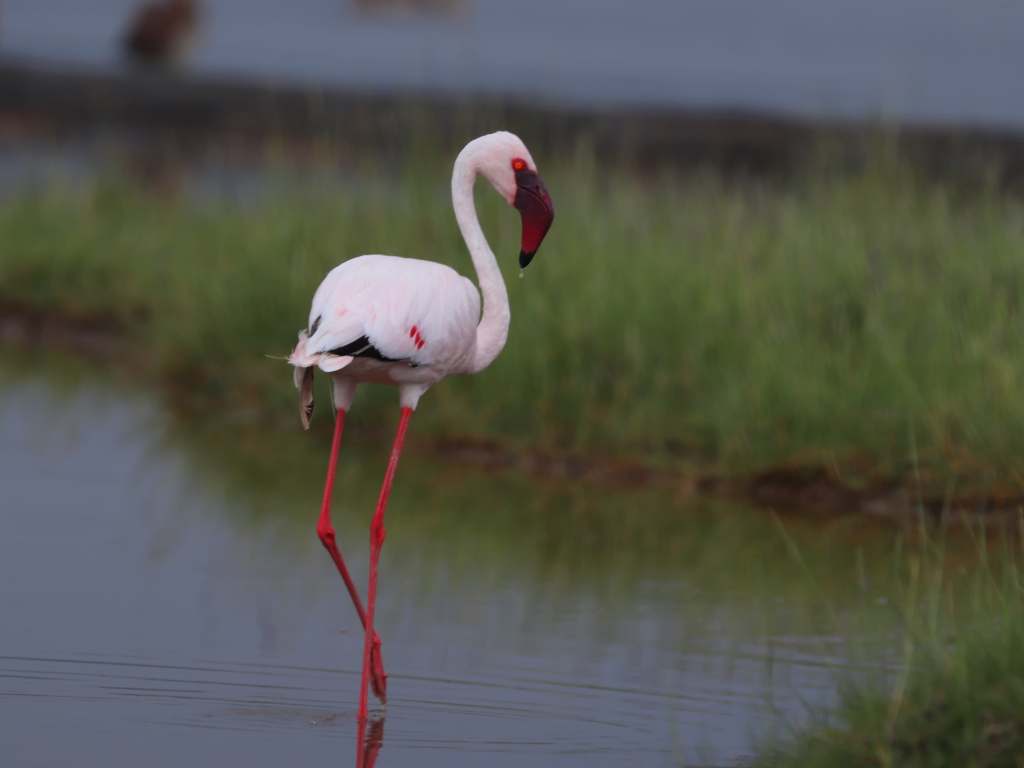
A solitary Lesser flamingo in the now-fresh Lake Elmenteita. Credit Aloise Garvey
Armed with binoculars and super-powerful cameras like the Cannon R5 with a 200-800 mm lens, we scan the plains peppered with lilac and white wild flowers and scour the blue skies. The men shoot the Martial that’s the most powerful and a pair of Tawny that has them wandering into the grassland when they are surprised by a pair of Secretarybirds stalking for their menu of snakes and rodents. Numerous until recently, these stately birds are now labelled ‘endangered’. Mokaya is elated when he logs in the Coqui francolin, a lifer for him – meaning it’s the first time he’s seeing it.
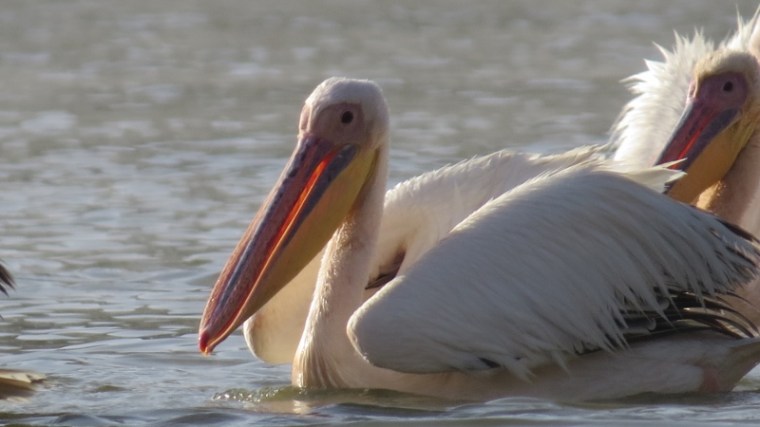
The list expands, a herd of Rothschild amble by, a pair of Silver-backed jackals frolic in the long grass and by the lakeshore that’s risen from a single-digit foot to 30-plus, the handsome bulls for beef with impressive humps are herded for a drink to the lake in the company of the Grey white pelican that perform a synchronized dance to gulp their fish. The now-submerged islands in the lake are their only breeding ground in East Africa.
Great White Pelicans getting ready for breakfast. So they have to pool together and start herding the fish in a tigtt fist. Then the pelicans will upturn themselves with just their ‘tutus’ showing while they open their great big bills and snap up the fish. Copyright Rupi Mangat
The Merorani flows in spate, few flamingos grace the lake and by eventide with 166 species logged in, we return to the comfort of the camp to dine on exquisite foods. Click the linkhttps://ebird.org/checklist/S235684791 to see Aloise’s bird list on GBD. The preliminary results has Kenya ranked 8th.
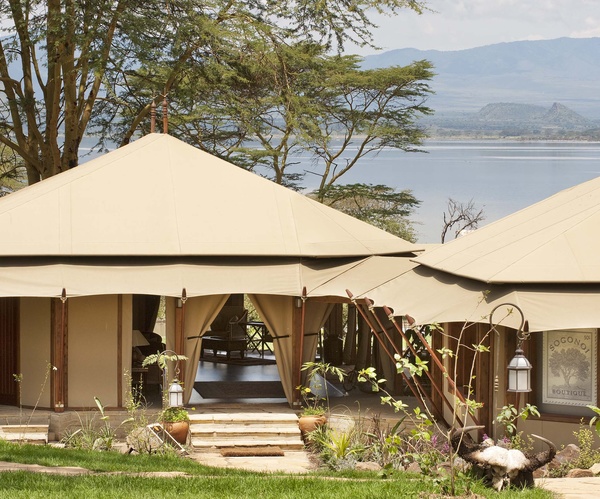
Log Lake Elmenteita Serena Camp to see the 24 palatial en-suite tents that come complete with king-sized beds and chandeliers. Lake Elmenteita Serena is for the discerning traveller without the crowds. Indulge at the signature spa, swim in the heated pool, or ride the horses and camels by the lakeshore, game drives and nature walks– the camp’s fashioned to revel in nature.
Lions, Rhinos, Elephants and Mountains on a Wildlife Safari
November 17-24, 2025
7 nights, 8 days
Game drives in customized safari cruisers
Overview:
Rejuvenate with a safari to discover Kenya’s rich wildlife and its diverse cultures in this tropical paradise on the Equator, the denizen of big game – elephants and rhino; lions, leopards and cheetahs; rhinos and mighty raptors that soar the skies.
The Kenya classic safari takes you through the tapestry of sweeping grasslands, and lush swamps with snow-topped mountains that is home to this spectacular wildlife.
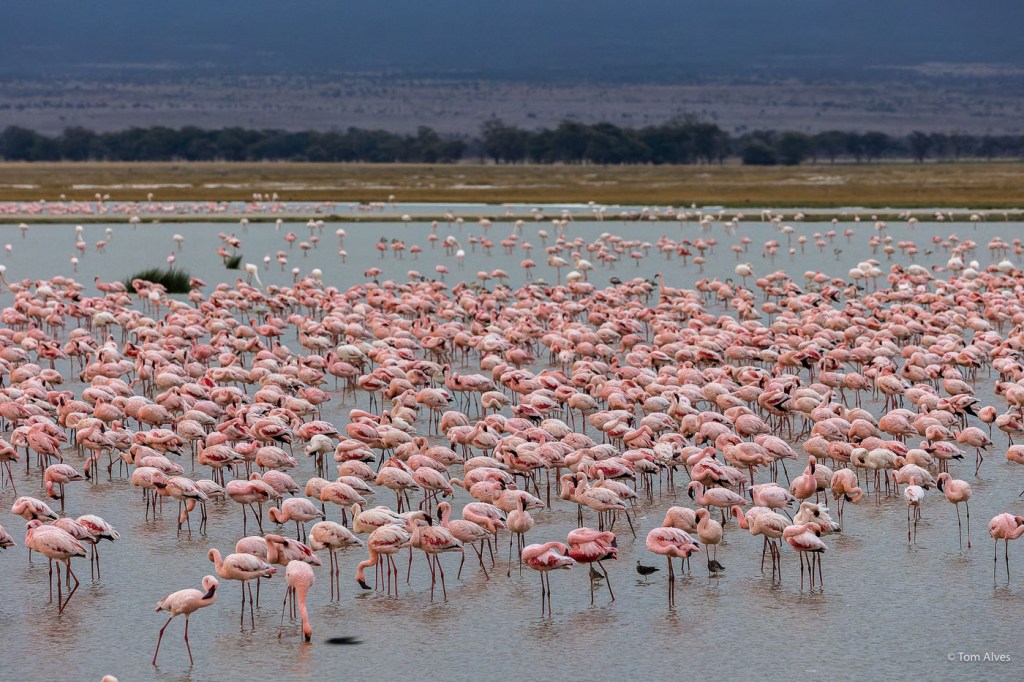
Lesser flamingoes in the Amboseli wetland
Highlights
Luxury Safari in three diverse game parks
Seeing Africa’s big game in the wild, it’s a lot different than the zoo!
Stay in two unique tented camps
See the Samburu 5, rare endemic animals only found in this particular arid ecosystem.
Stay in a beautiful Nairobi hotel
See Africa’s two highest mountains – Kilimanjaro and Kenya
Visit the elephant research camp in Amboseli to learn about the world’s longest studied elephants in the wild
Indulge in mouth-watering international and local cuisine
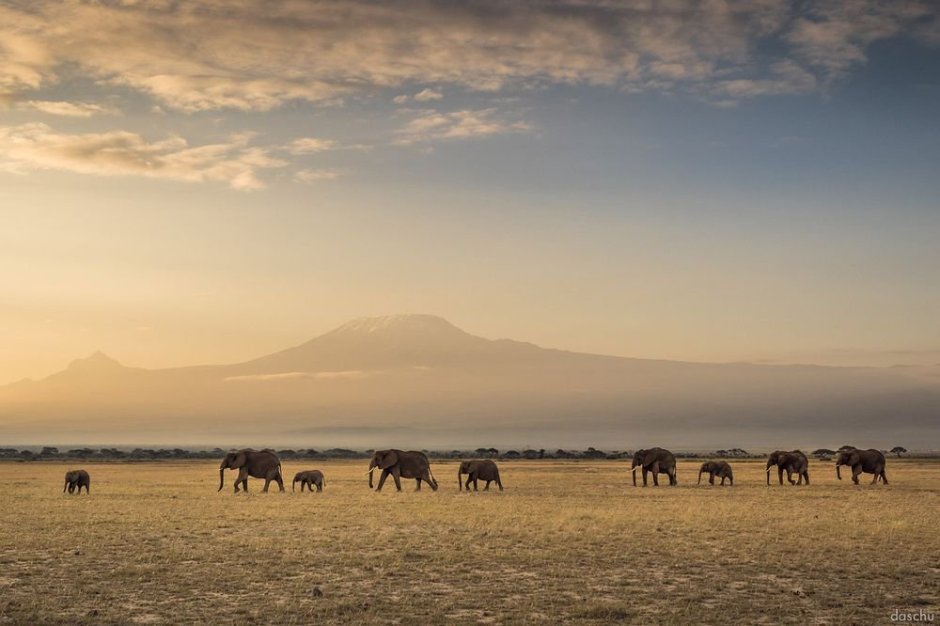
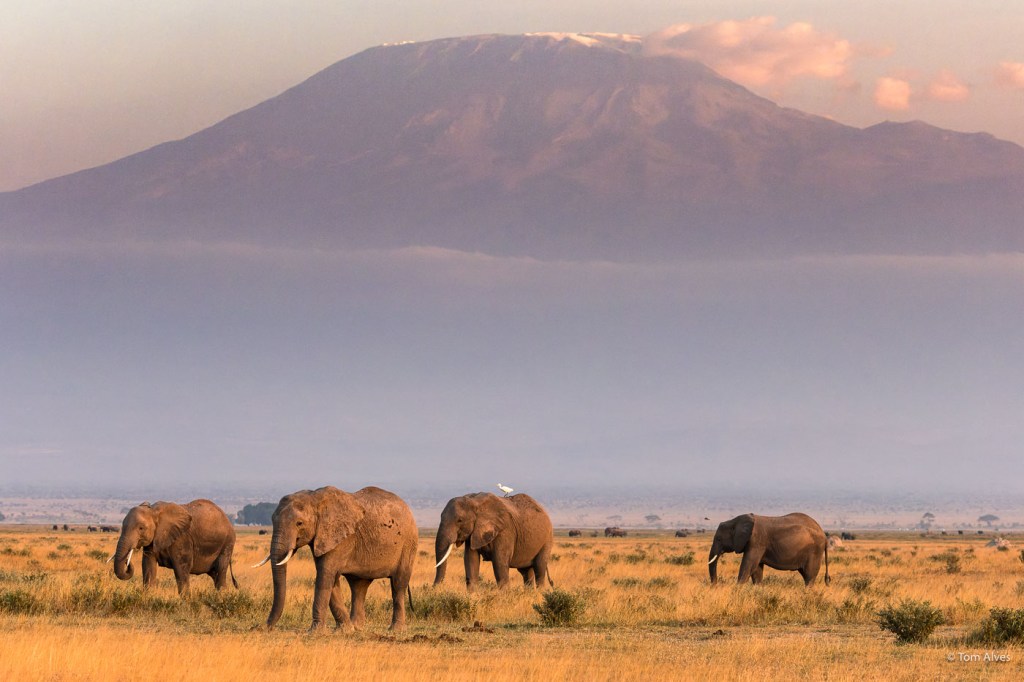
Contemplate watching elephants under the gaze of the snow-capped Kilimanjaro and ending the day with a game drive to catch the ‘golden light’.
Amboseli elephants on the plains of Mount Kilimanjaro
This specially curated safari is for you to be awed by Africa’s big game to give you a front seat view of African life in the 21st century with the hope of survival thanks to scientists and people who have dedicated their lives to it.
All camps are luxurious with en suite baths and toilets, spas, swimming pools and gourmet meals. This safari is for people who love nature, want to see big and small game, birds and plants while also enjoying the finer things in life. Nature walks are optional and can be arranged at the camps.
More on your safari planner, Rupi Mangat
Rupi is a travel writer with a particular concentration on wildlife conservation and sustainability. She is 3rd generation Kenyan who has been on safari countless times since she started writing professionally in 1998. She works with the Wildlife Clubs of Kenya as the editor of Komba, the magazine to promote wildlife conservation amongst schoolchildren. With her strong connections with conservation organizations like Action for Cheetahs in Kenya, Grevy’s Zebra Trust and the Mara Meru Cheetah Project she gives you an insiders view of their amazing and often challenging world.
Day 1 Monday November 17
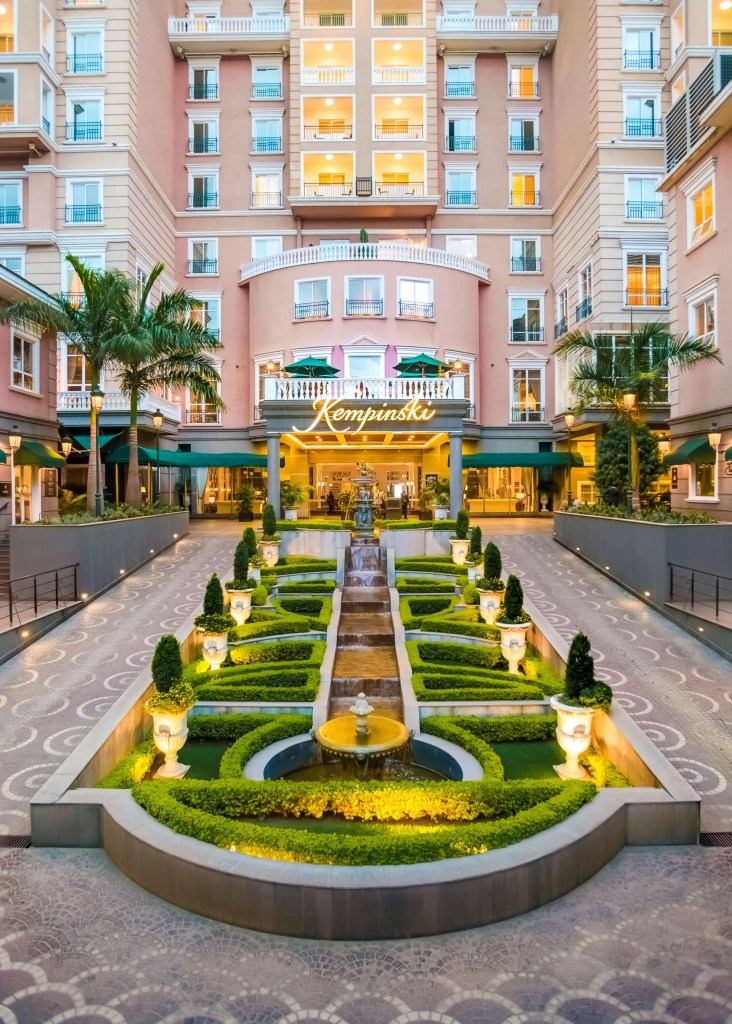
Fly into Nairobi the capital city of Kenya. You will be met at the airport by our representative who will guide you through arrival. You will then be driven by your driver-guide to your hotel, the Villa Rosa Kempinski.
The Villa Rosa Kempinski is one of Nairobi’s finest hotels that has played host to world leaders like former U.S. president Barack Obama and famous artists like Lupita An’yong. It boasts a beautiful spa to pamper yourself.
The day is at leisure. Villa Rosa is a few minutes’ drive to the central business district. Nairobi is a fast-paced city. The core of the city centre boasts early colonial architecture and modern high-rise towers. Day excursions can be booked at the reception.
Day at leisure
Dinner – the hotel boasts a variety of restaurants to choose from or we can suggest restaurants in the city.
It’s an early start to the day. After a hearty breakfast we will fly to Amboseli National Park 250 kms southeast of Nairobi, under the Snows of Kilimanjaro. It’s a 45-minute flight over Karen Blixen’s (Out of Africa) famed Ngong Hills and Nairobi National Park, the only wildlife park in a capital city that today it is still home to black rhinos, the big cats and more.
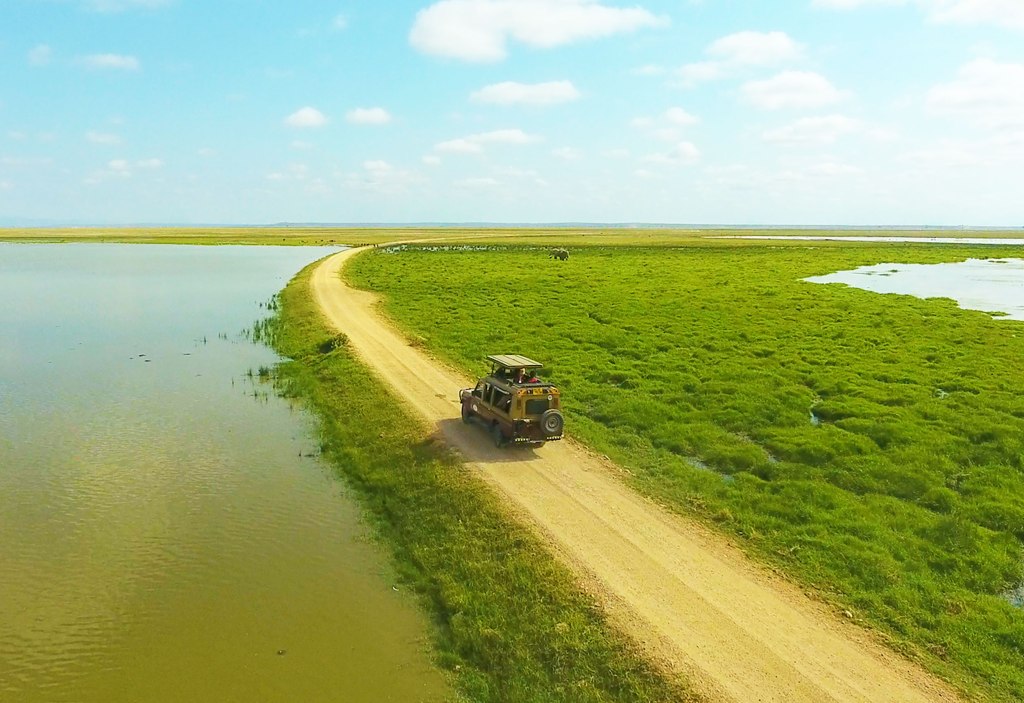
You will be collected from the airstrip and driven to Ol Tukai Lodge at the foot of Mt. Kilimanjaro in Amboseli with a game drive en route in our custom-made safari cruisers driven by expert driver/guides.
The 392-square-kilometer Amboseli sits on the border with Tanzania where Kilimanjaro looms. The park is spectacular for its wildlife and tapestry of grassland, forest and swamps fed by the snows of Kilimanjaro which at 19,340 feet is the roof of Africa. Amboseli comes from the Maasai word ‘empusal’ meaning salty dust because of the dry lake bed from where plumes of dust rise.
By now it’s lunch time.
Enjoy your gourmet lunch buffet under the gaze of Kilimanjaro and in the company of elephants that linger in the wetland.
Iced tea at lunch at Ol Tukai Lodge watching elephants and zebra in the swamp
Amboseli is home to the longest studied elephant population in the wild, a research pioneered in 1972 by Dr Cynthia Moss of the Amboseli Trust for Elephants. All the elephants in the park are known to the research team with files on individuals dating from the first elephants in the study dating back 50 years.
3 p.m. – Leave for an exciting talk on elephant research at the Amboseli Trust for Elephants research centre in the park.
After the talk proceed for an afternoon game drive in search of big game like lions and elephants plus we’ll enjoy the rich birdlife with a short climb up the ancient hill by to have a sweeping view the vast Amboseli lands before returning to camp at sunset.
7.30 p.m. Meet for a cocktail at the bar and then dine on delicious foods with Kilimanjaro in a blanket of darkness. We’ll exchange the day’s highlights and later be entertained by the local Maasai performing traditional dances with their signature high leaps and throaty chants celebrating love, lion hunts, war and happiness. You may want to join in.
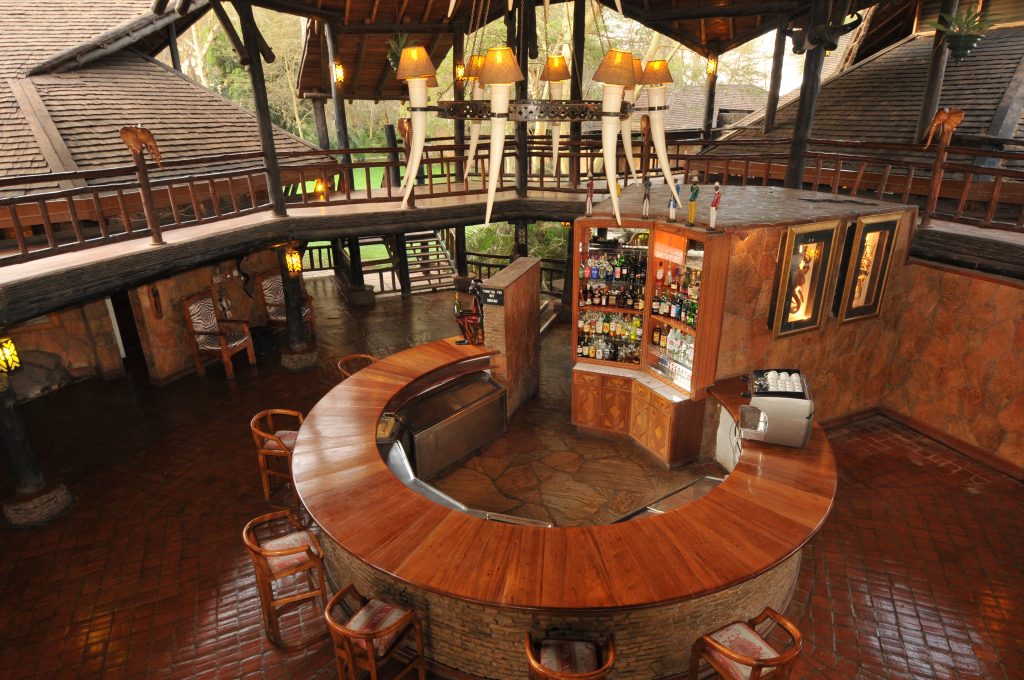
Elephant Bar at Ol Tukai Lodge
The Maasai have co-existed for many years with African wildlife because both the wildlife and the large herds of cattle owned by the Masai need wide spaces to survive.
6 a.m. – It’s an early start to the day at Wake up calls can be arranged. Enjoy a cuppa coffee or tea and biscuits.
6.30 a.m. Leave for an early morning game drive. This is the best time to enjoy wildlife as well as late afternoons before the sun goes down. It’s the time when the animals are most active before the sun becomes too hot for them and lethargy sets in. The lionesses would rather hunt when it’s cooler but being opportunistic the hunt is on if the quarry is easy. Lions do not have sweat glands and you’ll hear them panting a lot.
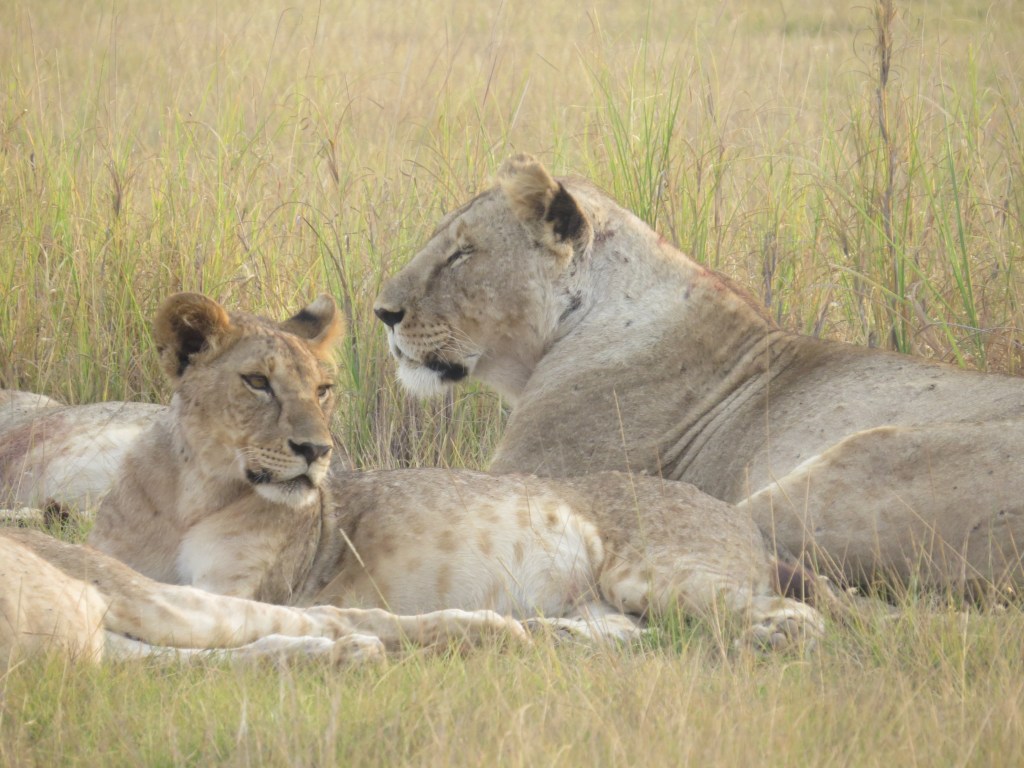
Lioness in Amboseli
9 a.m. Return to the lodge for breakfast.
Take time to relax, swim, read a book and enjoy the grounds.
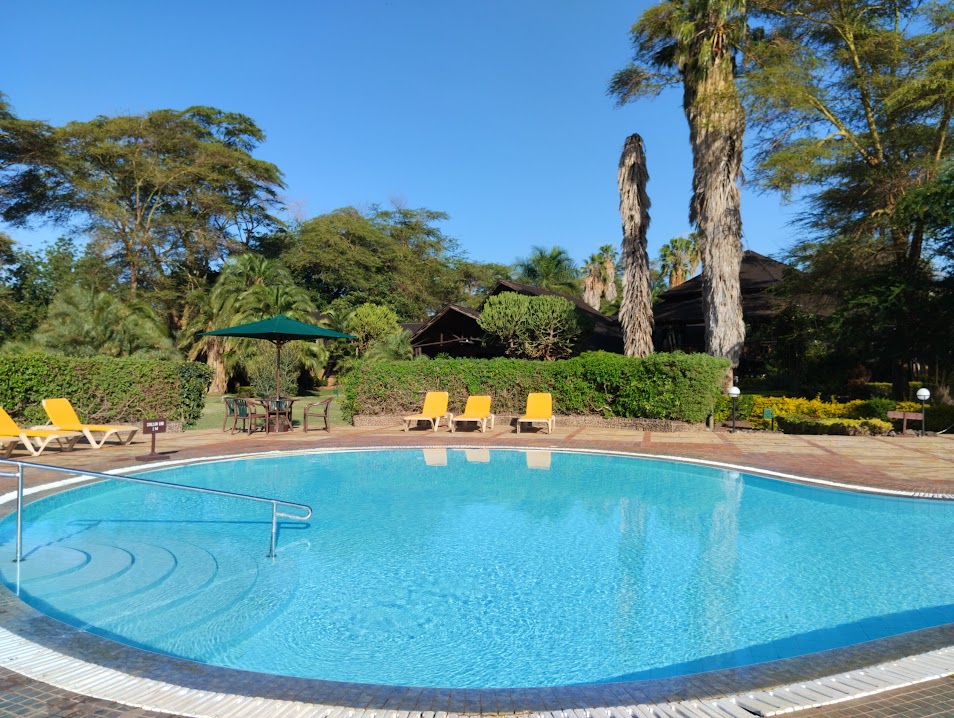
Ol Tukai Lodge – cool off in the swimming pool
1 p.m. – Lunch
4 p.m. – Depart for an exciting afternoon game drive
6.30 p.m. – Return to the lodge.
Take some time to refresh with a cold beer at the bar or a cool shower.
7.30 p.m. Enjoy another gourmet feast while entertained by the local Maasai or with a talk on amazing Amboseli by the resident naturalist before retiring to bed. Having a nightcap by the fire pit is a nice way to end the day.
8 a.m. After breakfast depart to the airstrip for a 90-minute flight to Samburu National Reserve in the arid lands, north of the equator with a short stopover in Nairobi and a light lunch at the in-house restaurant. Be assured the menu serves sumptuous meals and great Kenyan coffee.
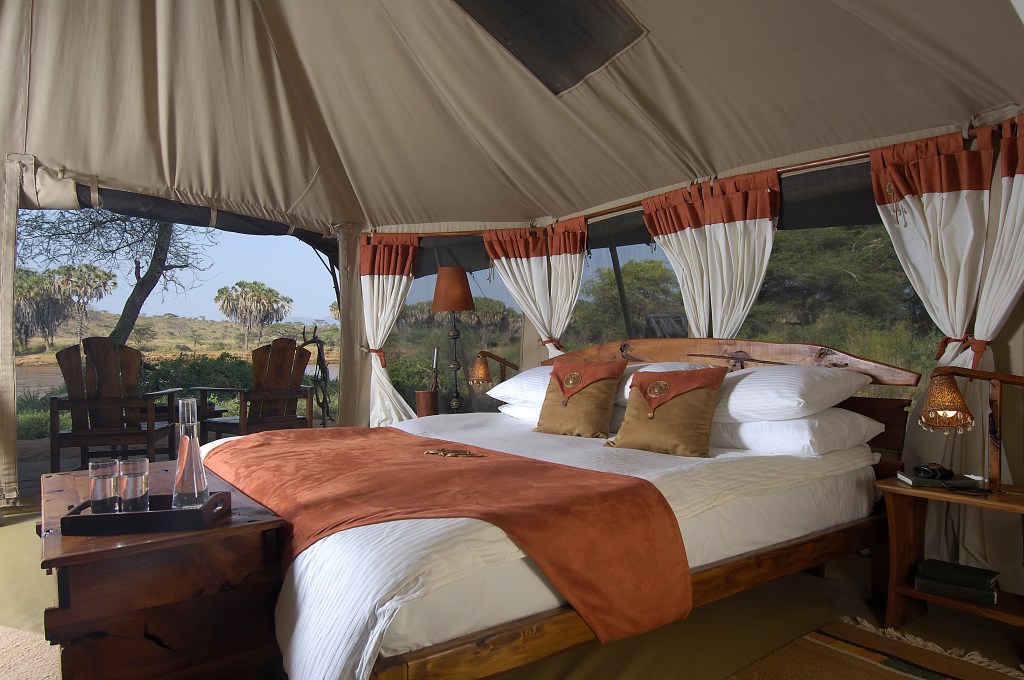
Elephant Bedroom Camp on the banks of the Uaso Nyiro River – image courtesy
Have your cameras ready. If it’s clear you will see Mount Kenya on the equator. This volcanic mountain at 17,057 feet (5,199 meters) is Kenya’s tallest. When the first explorers reported of the snow-capped mountains on and near the equator, they were ridiculed – for who had ever heard of snow on the equator?
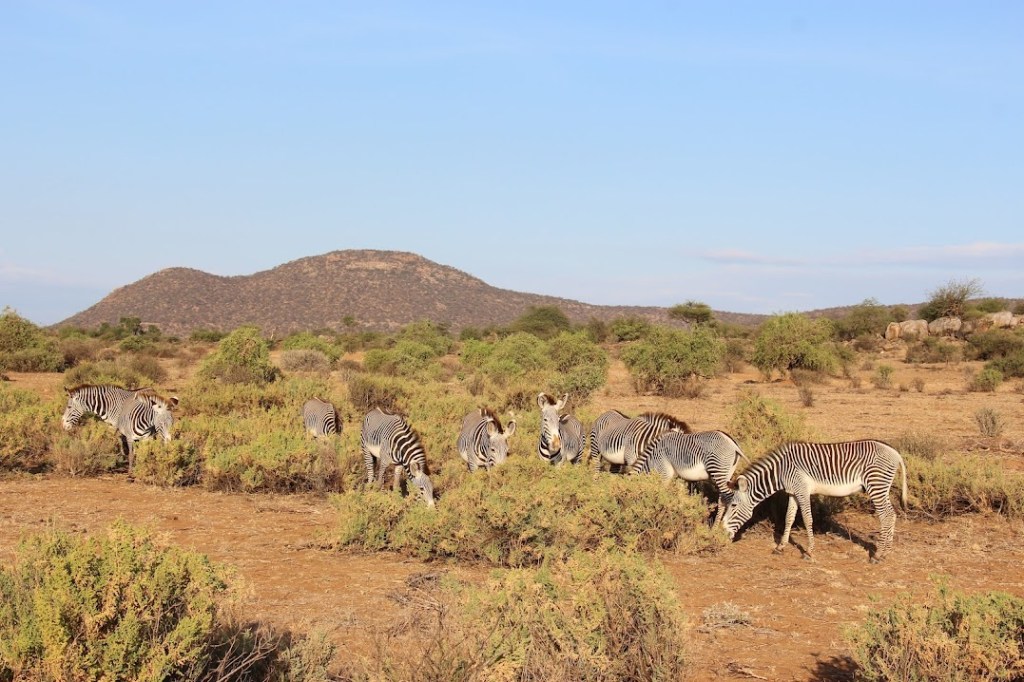
Samburu is the land of the Samburu Special, wildlife only found north of the equator and adapted to life in the arid lands such as: the Reticulated giraffe, Grevy’s zebra, Beisa oryx, gerenuk and Somali ostrich. These species have adapted to life without water, surviving just on morning dew. The life-lung of the land is the Ewaso Nyiro River that is to this region what the Nile is to Egypt.
The rarest zebra on earth – Grevy’s in Samburu
On arrival early afternoon at Samburu National Reserve we will be transferred from the airstrip to the camp with a game drive en route before checking in and enjoying time at the camp by the River.
3.30 p.m. Embark on another exciting game drive through the arid bush and the lush oasis by the river. Look out for leopard, lions and elephants and raptors before returning to camp at sunset.
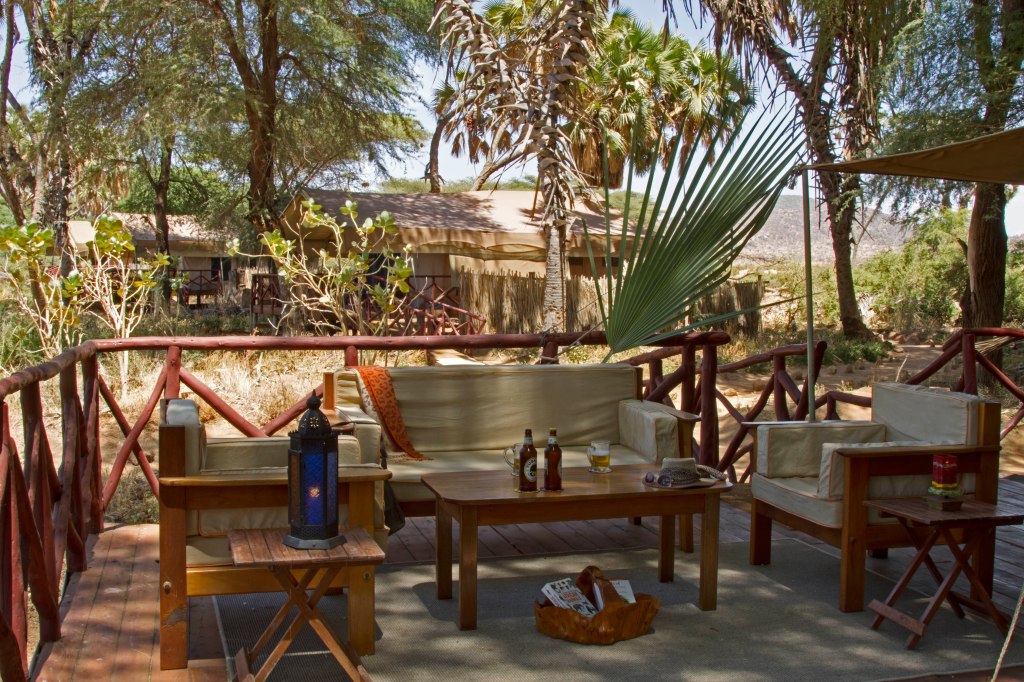
Relax at Elephant Bedroom Camp
6.30 p.m. Return in time for a sumptuous dinner freshly prepared under the stars of the northern hemisphere. If you’re a star gazer, this is the perfect spot close to the equator to see the constellations straddling the two hemispheres.
You might be entertained by local Samburu dancers with the songs and dances of their ancestors.
The Samburu like the Maasai belong to the Nilotic ethnic group that came into present day Kenya from the north along the Nile some five centuries ago. Interestingly, in addition, the Samburu believe that they hail from Venus the planet.
Enjoy your evening and a good night’s sleep in your luxurious tent.
6.15 a.m. Another glorious morning in Africa. Rise and shine for an early morning game drive after a cuppa. The landscape is surreal with mountains and rocky insets.
9 a.m. Return for breakfast and then enjoy your morning watching the local wildlife or treat yourself to a spa treatment in the wild.
1 p.m. – Lunch.
4 p.m. – Samburu is also part of the lion project pioneered by Ewaso Lions. The driver-guides will point out to some on the game drives.
Return for a starlit dinner followed by a night cap by the campfire and finally to a peaceful slumber in your ‘tent’.
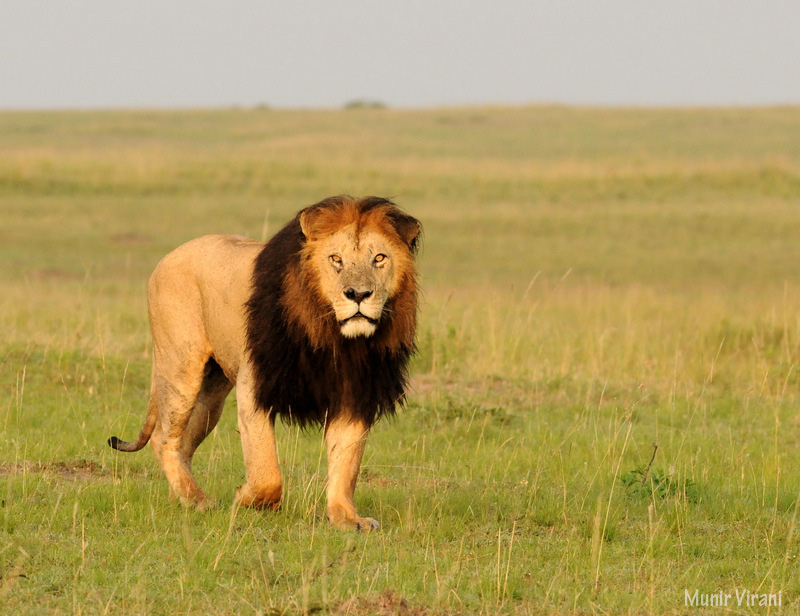
A 90-minute flight from Samburu via Nairobi, and you will land in the Maasai Mara, after flying over the Great Rift Valley. It is the planet’s longest valley on land stretching 6,000km from Lebanon in the Middle East to Mozambique in South-eastern Africa and best seen in Kenya. The flight then enters the savanna grassland in the mighty Mara that is home to the Big 5 – elephant, rhino, buffalo, lion and leopard (and cheetah). This is lion country famous for its black manned lions and it is possible to see all the three big cats – lion, leopard and cheetah – in a day.
King of Beast – the famous black maned lion of the Mara – courtesy of camp
You will be collected from the airstrip and driven to the glam canvas camp with a short game drive en route. After check-in, relax and enjoy an exquisite lunch.
The spotted sphinx in the Mara with wildebeest in the background – image courtesy of camp
3.30 p.m. Leave for the afternoon game drive at to return at sunset to the camp.
Take a few minutes to refresh before dinner will be under the stars with lots of lively exchanges on your first night in the Mara, dubbed one of the seven natural wonders of the modern world.
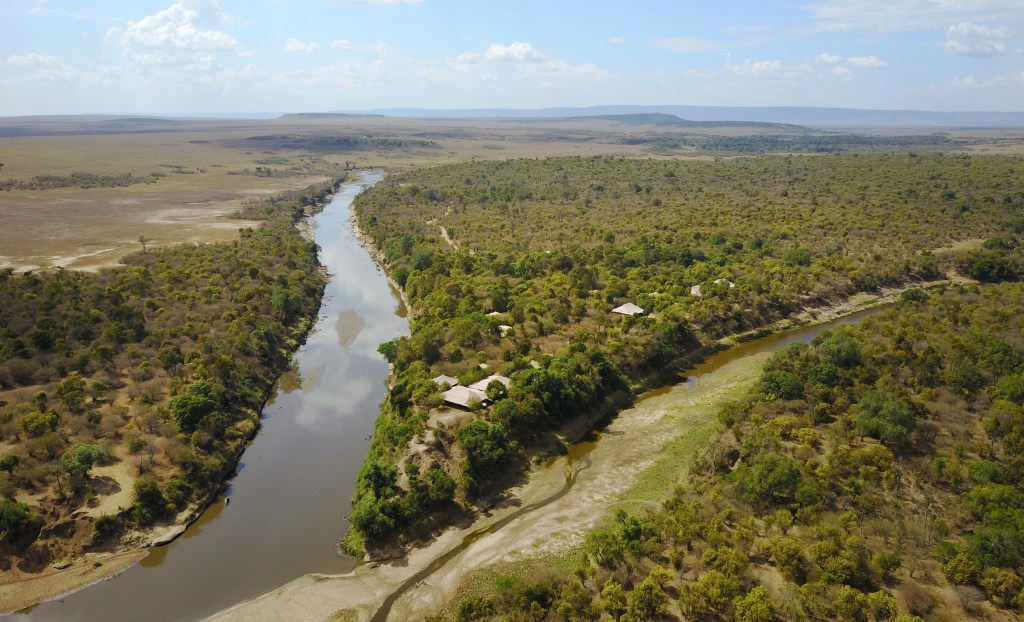
Mara Ngench Tented Camp aerial view on the banks of the mighty Mara River – image courtesy
Finally it’s lala salama, ‘a peaceful sleep’ in Kiswahili.
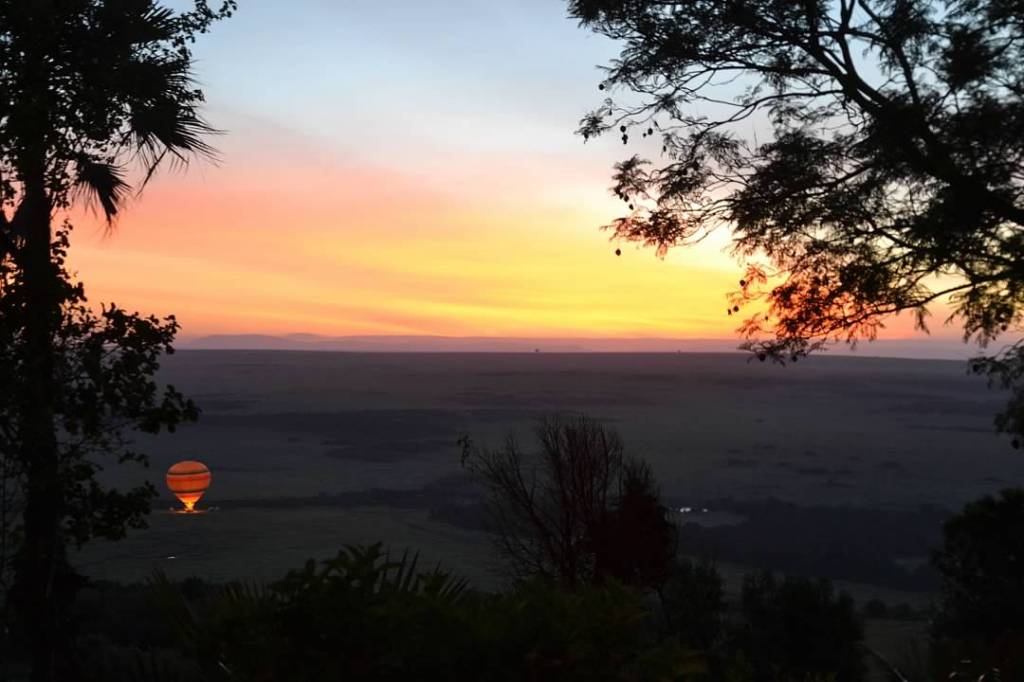
5 a.m. – After a cuppa tea/coffee, OPTIONAL AT EXTRA COST depart for a thrilling balloon safari (Please wear long pants and warm jacket, a hat and shoes) at sunrise with a champagne breakfast on landing. It’s a novel way of game watching catching an eagle’s eye view of the land and life below.
Sunrise over Africa with a balloon safari in Maasai Mara. Image by Inderjit Singh Mangat
6.30 a.m. OR enjoy a morning game drive followed by breakfast.
The morning is at leisure.
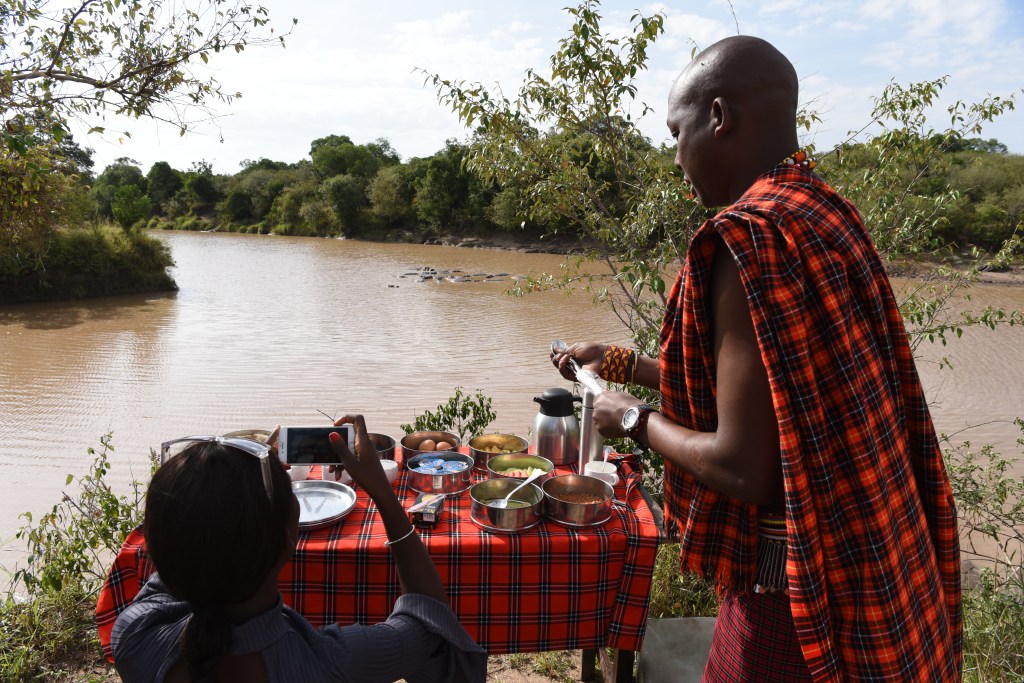
1 p.m. – lunch by the river.
Lunch by the Mara River with hippos in the river – courtesy
4 p.m. – Depart for a game drive in search of the spotted cat whose global population in the wild is less than 10,000 today compared to 100,000 a century ago. Kenya is a stronghold for these cheetahs.
7.30 p.m. – It’s your last night in the African bush with dinner under the stars before we wish you ‘lala salaama’.
After a sumtuous breakfast in the Mara, fly back to Nairobi to arrive by midday and head to the Jomo Kenyatta International Airport for your flights the next day or that night to Cape Town, South Africa and onwards to Maputo to board your cruise.
As Karen Blixen, the author of ‘Out of Africa’ said: “If there were one more thing I could do, it would be to go on safari once again.”
NOTE:Ms. Mangat reserves the right to alter the itinerary based on weather, availability as well as exciting opportunities that might crop up!
*You have an option at the Four Points at Sheraton at Jomo Kenyatta International Airport hotel. Because you might be flying back that evening you can book your room as a day room or for the whole night depending on when your flights are. For this reason we didn’t include this night in our overall price. The hotel will transfer you to the airport terminal.
Prices range from $128 – $171 and include a transfer to the airport. Lunch or dinner at the buffet at the hotel is around $30.
Not to worry – Vegetarians will be well fed in all camps as well as those on wheat intolerant diet or others. Just let us know in advance.
What’s Included?
Everything stated in itinerary above including all meals. Meals on the first day in Nairobi are not included as people will be arriving at different times.
All entry fees and all transport including transfers to and from the airport on safari.
What’s Not Included?
Roundtrip airfare to Kenya. Any additional spa treatments desired beyond what is described. Last day accommodation at Nairobi Airport hotel. Any personal souvenirs or purchases. Wine, beer or spirits. Travel insurance (very highly recommended) and trip medical coverage (required for travelers over 50 years of age).
Tips for the driver-guides and lodging staff.
Next steps?
I’m interested so what do I do next?
Whatsapp on an agreed time with Rupi on +254 791 401 490 to ask any questions or voice any concerns you may have. This will give you a better understanding of your African safari.
Or email: rupimangat@moonlionsafaris.org
Quick reads:
Cheetahs in Meru and Maasai Mara – Action for Cheetahs in Kenya and The Mara-Meru Cheetah project with fascinating insights into the spotted cat whose global population in the wild is less than 10,000 today compared to 100,000 a century ago. Kenya is a stronghold for these cats.
SAFARI COST
USD 8,500 per person in single room
USD 7,900 per person sharing
SPECIAL FOR ‘JOURNEY WOMAN 30th ANNIVERSARY’ MEMBERS – USD USD 250 OFF FOR PER PERSON
The rate includes:
Everything stated in the safari itinerary
Game drives with professional driver-guides in safari cruisers with window seats
Flights: Nairobi –Samburu – Mara – Nairobi.
All park and conservancy fees are included.
Not to worry if you can’t do the pre-cruise safari, you can do it after the cruise or any other time
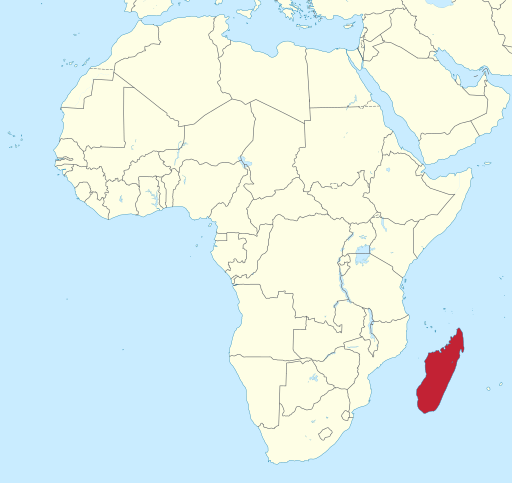
The island country lying off the south-eastern coast of Africa is the only home of the lovable lemurs. Our adorable cousins – for they are primates just like us – come in all shapes and sizes with over a 100 species. Your days in Madagascar will be filled with spotting as many as you can.
The world’s fourth largest island and the second-largest island country broke off the supercontinent Gondwana 150 million years ago that separated the Madagascar-Indian landmass from Africa.
A bit more shaking around the Earth’s core saw Madagascar finally split off from the Indian tectonic plate 70 million years later.
Isolated on the Indian Ocean, its flora and fauna developed independently creating 98% endemism – meaning what you see is only in Madagascar and nowhere else in the world.
Let’s discover Madagascar, one of the world’s top ten biodiversity hotspots.
Island History
Slightly larger than France, the tropical island boasts surreal ocean life to ravishing forests that are, of course home to the lemurs and so much more.
Its capital and largest city is Antananarivo affectionally known as Tana.
With 28 million islanders, Malagasy and French are spoken by ethnic groups of Malayo-Indonesian, mixed African and Malayo-Indonesian, and people with an Arab ancestry.
Archaeological research in the 20th century found evidence that human settlers reached Madagascar about five centuries before Europeans discovered the island. Malay-Indonesian seafarers arrived around the first century CE, Arabians followed in the sixth century and established trading posts there.
Here’s what we have planned for you.
DAY ONE Wed 20 August
Arrive in Tana.
Our Airport Meet and Assist Service ensures the most seamless arrival for our guests. Upon completing customs formalities, a dedicated representative will be there to assist you with various tasks, such as currency exchange, obtaining a local SIM card, setting up data on your SIM, and addressing any other requirements you may have. To ensure your convenience, we recommend handling currency exchange and SIM card acquisition before departing the airport.
A visitor’s visa is required and issued on arrival at Tana Airport for 10 euro for up to 13 days and 35 euro for 14 – 30 days.
Transfer by road to La Varangue Hotel.
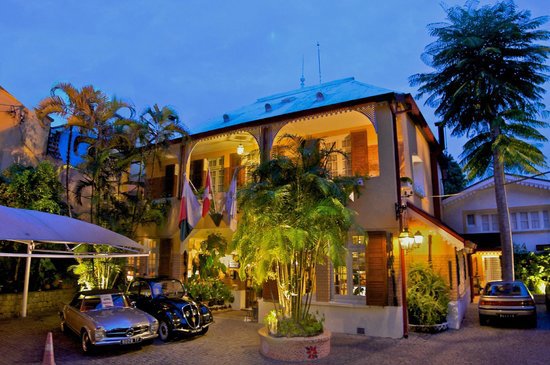
La Varangue
This is a charming guest house in the centre of an upscale neighbourhood of the capital. Fruit of the marriage of Malagasy and colonial style architecture, this house offers the proximity of the commercial district of Antaninarenina.
Charm with genuine hospitality are the order of the day, the smiles and the competence of the team will make you appreciate the good life, typical of the “Big Island”. This hotel offers unique decoration, and an outstanding collection of antiques will amaze you and transport you to the past.
Embark on an unforgettable journey through the picturesque landscapes of Madagascar by driving from Antananarivo to Andasibe. This 140-kilometer route will take you on an adventure through verdant forests, charming towns, and rural villages.
Your experienced driver will ensure a comfortable and safe ride, while your English-Speaking guide will provide you with interesting insights about the local culture and traditions.
Madagascar Countryside
1 p.m. – Lunch at Vakona Forest Lodge
Overlooking its beautiful old established gardens, enjoy the delicious foods of the island before meeting the lemurs.
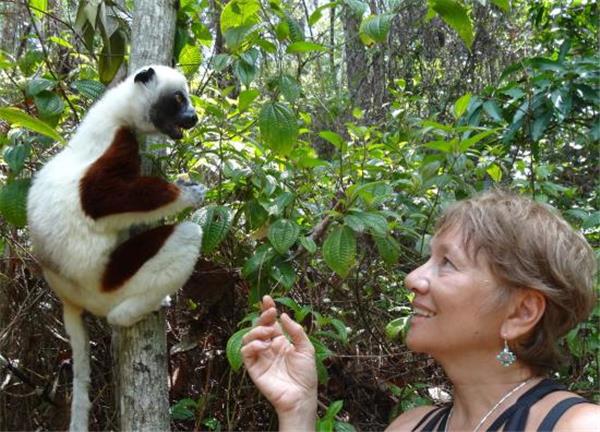
Lemurs Island – After lunch, you will enjoy an amazing personal experience with the lemurs in the lodge’s private reserve. It is a short walk from Vakona restaurant to a small rainforest of VOIMMA, which is protected by a local guides association.
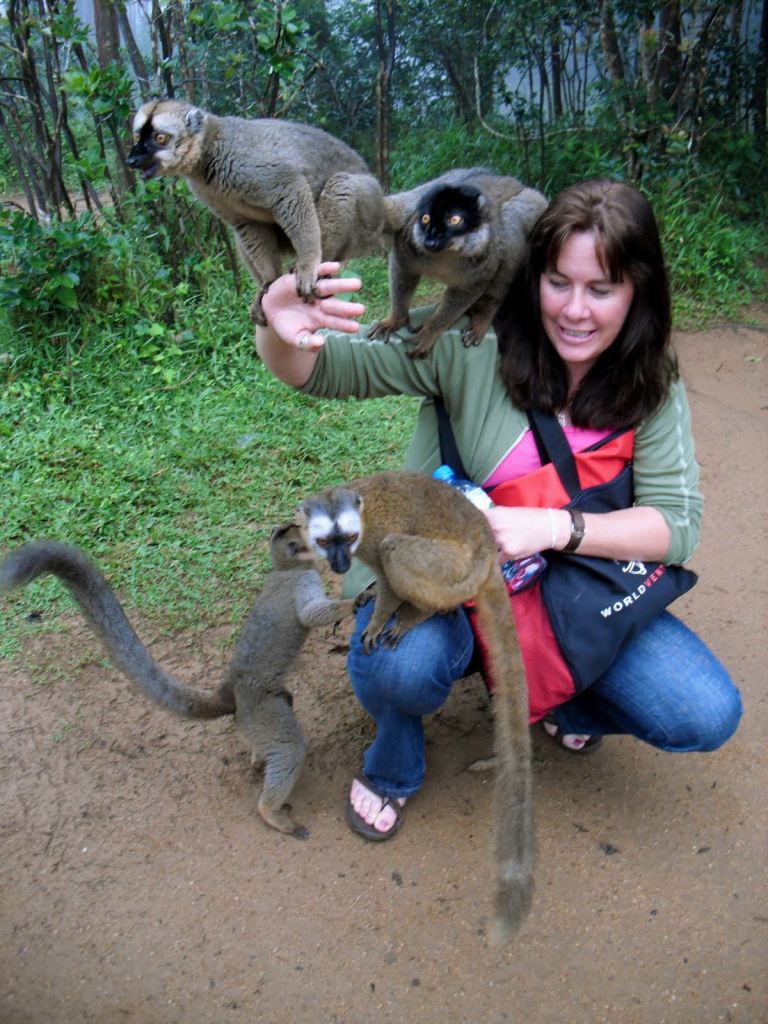
Afternoon with lemurs
After your first meeting with the lemurs we will depart for Manjarano Lodge & Spa, a 20 minute drive.
Manjarano Lodge & Spa
Indulge in luxury, tranquillity, and a seamless blend of European standards and natural beauty at Manjarano Lodge & Spa.
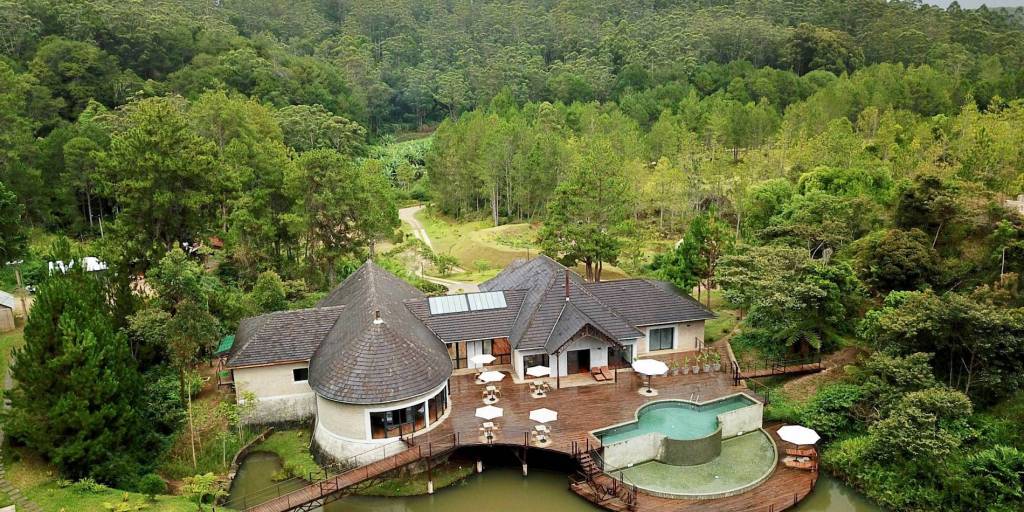
Manjarano Lodge & Spa
This exquisite Manjarno is a haven of comfort, elegance, and serenity, nestled in the heart of the magnificent Andasibe forest.
The lodge offers a serene retreat, where you can unwind and rejuvenate amidst the captivating sights and sounds of the wilderness.
From the moment you arrive, the lodge’s impeccable service and attention to detail will ensure a memorable stay. Indulge in luxurious accommodations that provide the perfect blend of comfort and sophistication. The stylishly appointed rooms offer a serene sanctuary, allowing you to unwind and recharge after a day of exploration with captivating nature walks, where you can encounter unique wildlife, including lemurs, birds, and a myriad of endemic flora and fauna.
6 p.m. – We will be escorted on a short night walk to see some of the nocturnal creatures. Grading of the trails is easy. Be sure to pack a strong torch with some spare batteries for night walks.
8 p.m. – Dinner
Indulge in delectable culinary experiences at the lodge’s restaurant, where skilled chefs blend local and international flavours to create a gastronomic journey that delights the senses.
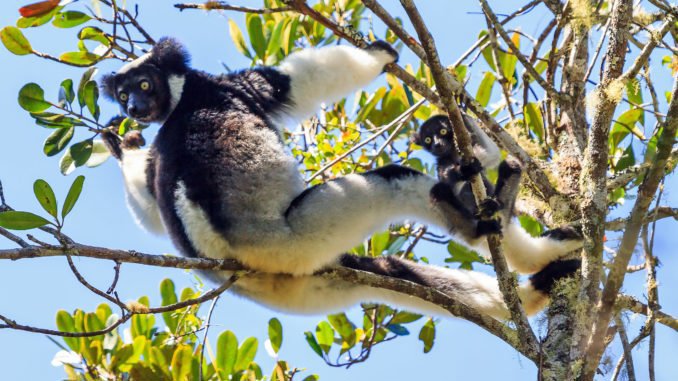
After breakfast, a short drive will bring us to the captivating wonders of Analamazaotra, home to the most popular park within the reserve. This enchanting destination holds a special allure, primarily due to the presence of the rare indri, Madagascar’s largest lemur. Throughout the misty forest, the indri’s haunting and unforgettable wail resonates, creating an otherworldly ambiance that can be experienced throughout the day, but most prominently in the early morning. With approximately 60 resident family groups, each consisting of two to five indris, you’ll have ample opportunities to witness these magnificent creatures in their natural habitat.
While the indris steal the spotlight, the park is teeming with an array of other remarkable lemur species. Keep your eyes peeled for sightings of woolly lemurs, grey bamboo lemurs, red-fronted lemurs, black-and-white ruffed lemurs, and diademed sifakas, which are among the largest lemur species. In 2005, the Goodman’s mouse lemur, identified as a distinct species, was discovered here, further adding to the park’s biodiversity.
As you explore, you’ll also encounter eleven species of tenrec, the vibrant and immense Parson’s chameleon, and an impressive array of seven other chameleon species. Additionally, the park boasts over 100 bird species, 20 species of amphibians, and the endemic Ravenea louvelii palm tree, which is found exclusively within its boundaries.
You will enjoy the Indri 2 trail which encompasses the lakes and extends to the domains of two separate indri families and takes around 3 hours.
To witness the indris in their most active state, the early morning hours, specifically from 7 a.m. (park gates open at 0800) to 11 a.m., are the optimal time. Prepare to be enchanted by their calls and observe their graceful movements through the forest canopy, creating a truly mesmerising experience.
After lunch, we embark on a four hour drive (170kms) from Andasibe back to Antananarivo, offering you a captivating view of the breathtaking Angavo mountain ranges that demarcate the boundary between two distinct climate zones. As we traverse the picturesque landscapes, you’ll be greeted by charming villages that dot the route, each adorned with bustling markets teeming with vibrant energy. This presents the perfect opportunity for you to capture mesmerising photographs that encapsulate the region’s natural beauty and cultural essence.
Prepare to be amazed on your journey with a stop at the captivating Madagascar Exotic Park, owned by the renowned Peyrieras family. Situated on National Road N2 between the towns of Manjakandriana and Moramanga, approximately 75km (47mi) east of Antananarivo, this privately run park is a must-visit destination for wildlife enthusiasts.
Founded and owned by André Peyreiras, a French entomologist and naturalist, the park is also known as the Reserve Peyrieras or Peyrieras Butterfly Farm. Here, you’ll have the chance to witness the feeding of chameleons and observe a range of other fascinating reptiles, including iguanas, geckos, frogs, and crocodiles. The park is also home to the giant Atlas Moth, as well as a variety of butterfly species and tenrecs.
As you enter several large, caged buildings and greenhouses, accompanied by a knowledgeable park guide, you’ll be transported into a world of Malagasy fauna that will leave you in awe. With countless photo opportunities, the Madagascar Exotic Park is the perfect location to learn about Madagascar’s unique wildlife and to witness some of its most remarkable creatures up close. Don’t miss out on this extraordinary experience that will make your Madagascar trip truly unforgettable!
6 p.m. – We will arrive at Relais des Plateaux Hotel & Spa.
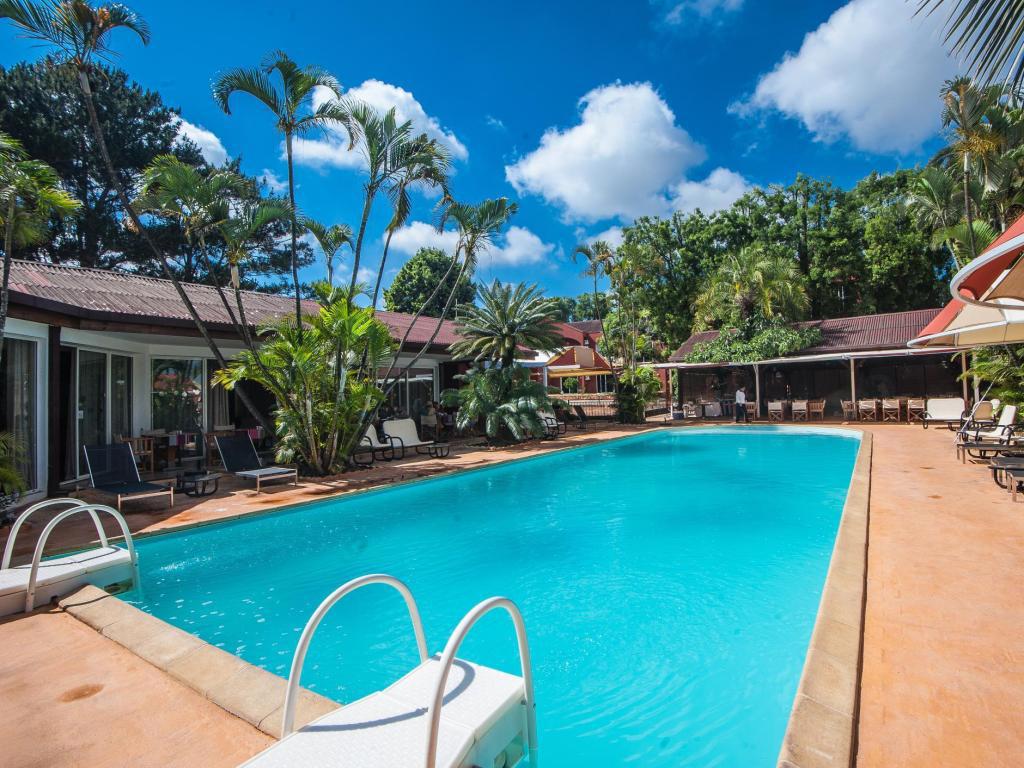
Relais des Plateaux Hotel
Situated a stone’s throw from Ivato Airport, the Relais des Plateaux hotel in Antananarivo offers utmost convenience with its complimentary shuttle service to both the airport and the city center. As you arrive, you’ll be greeted by a 24-hour reception, ensuring round-the-clock assistance for your comfort and peace of mind.
The hotel’s tropical garden provides a tranquil oasis, inviting you to unwind and immerse yourself in the serene surroundings.
8 p.m. – Dinner.
Indulge your taste buds at the buffet-style restaurant, adorned with charming, exposed beams, where you can savour a delightful array of culinary delights.
After which, enter your elegant room which overlooks the captivating gardens.
Time permitting, enjoy a dip in the heated swimming pool, where you can bask in the gentle warmth while lounging on comfortable sun lounges. The hotel staff is known for their friendliness and warm hospitality, dedicated to providing top-notch service and ensuring your stay is both comfortable and memorable.
DAY FOUR Sat 23rd August
8 a.m. Start your day with a wholesome island breakfast before the flight to Nosy Be. Your hotel, the Relais des Plateaux, will manage your transfer today.
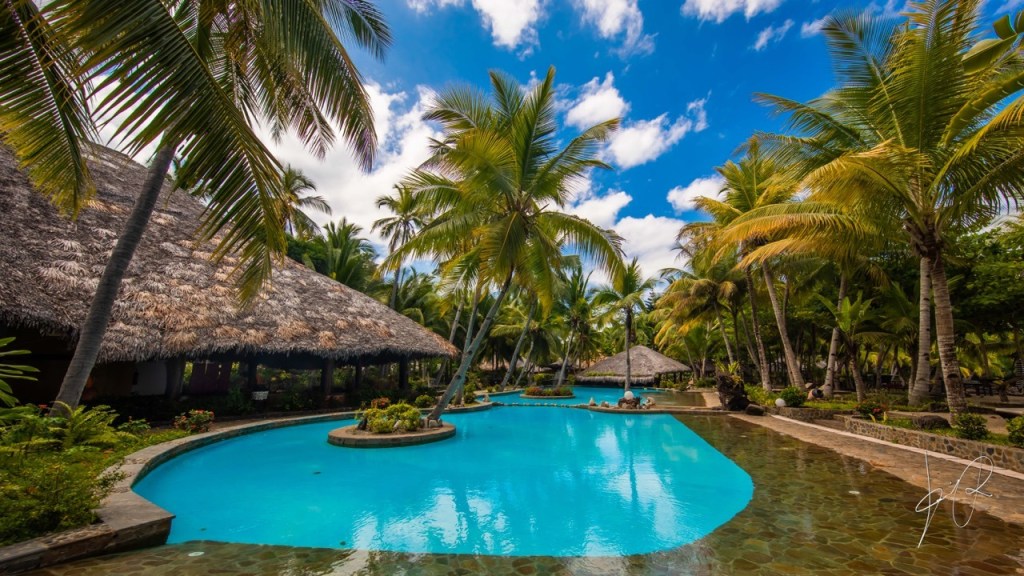
On arrival in Nosy Be you will be met and transferred to Ravinstra Wellness Hotel, a blend of nature and luxury on the west coast, famous for its stunning sunsets.
Spend the day on the beach, snorkelling or just relaxing with a good book.
Perhaps enjoy a massage or other treatments.
DAY SIX Sun 24th August
Nosy Antsoa and Nosy Iranja
Enjoy an early breakfast before boarding your boat for your first adventure.
Heading south we stop at Nosy Antsoa for a quick swim and a guided walk through the forest to see up to seven species of lemur.
From here we head on to Nosy Iranja.
Two islands at high tide but one, joined by a 750m sandy spit, at low tide.
Nosy Iranja has often been voted the most beautiful of Indian Ocean Islands and deservedly.
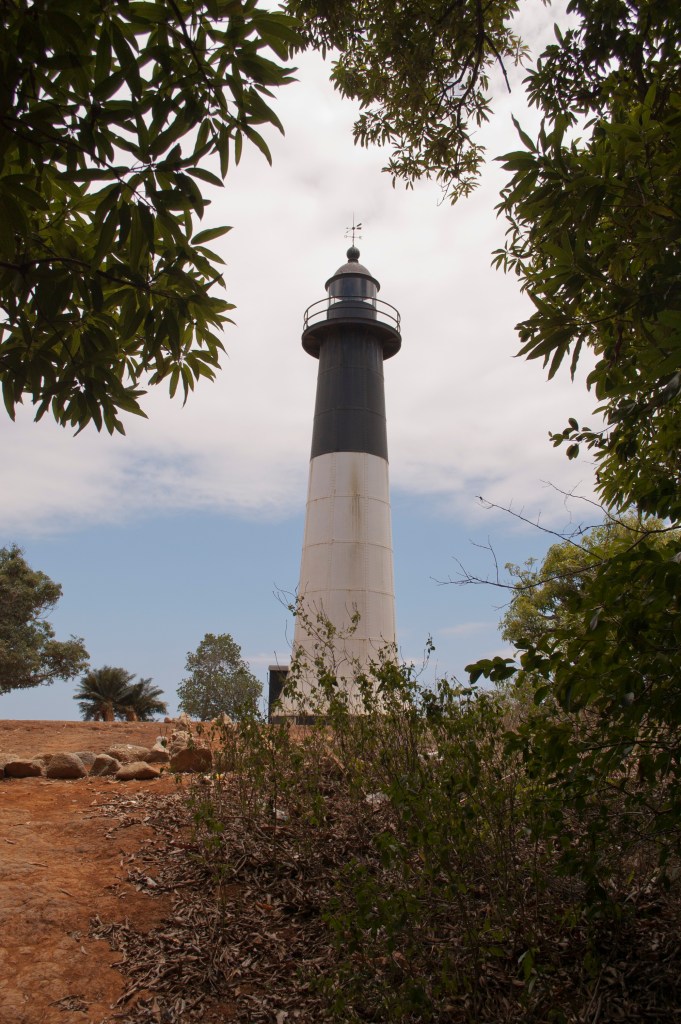
Metal lighthouse built by Gustave Eiffel in 1909 . Credit Tato Grasso
On arrival take a walk up to Gustav Eiffel’s lighthouse to enjoy the spectacular view of the island. Explore the village, walk along the spit (take water and a hat!) and if you are lucky you might witness turtles hatching.
After an ice-cold drink at the ‘Tiki Bar’ you will enjoy a fabulous lunch before returning to Nosy Komba.
Nosy Tanikely is a tiny, uninhabited island surrounded by patches of shallow coral and sandy beaches.
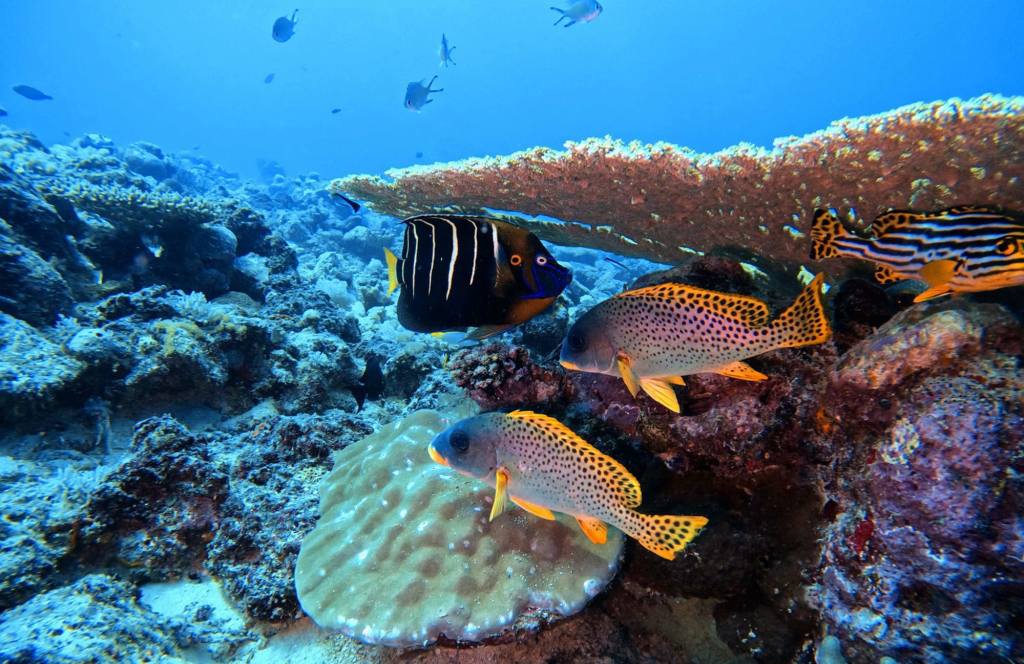
Nosy Tanikely Marine Reserve
Nosy Tanikely means “island of the little land”.
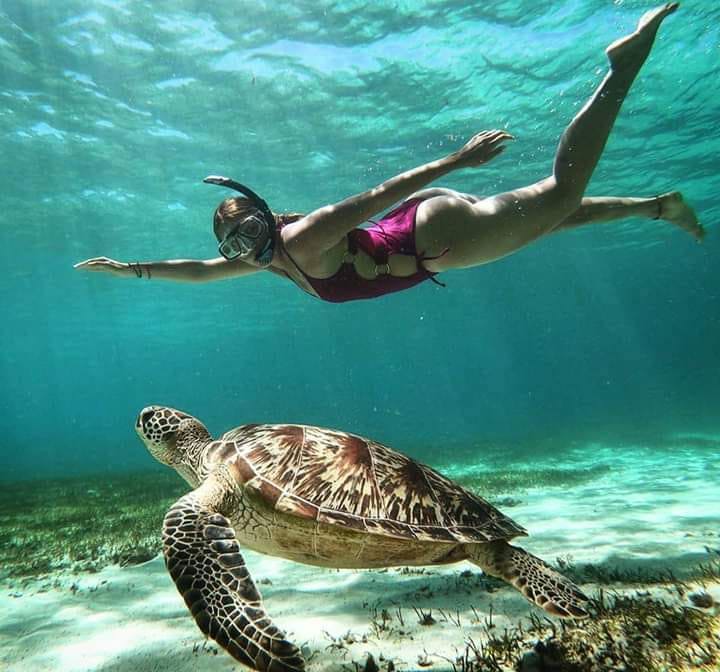
This natural aquarium is famous for its marine reserve teeming with underwater flora and fauna. It offers superb snorkelling in warm waters with great visibility. You can discover angelfish, clown fish, puffer fish, grouper and spotted stingrays.
Angelfish, Clownfish, Triggerfish, turtles, parrot fish, spotted stingrays and pufferfish are just a few of the vast array of life here, under the sea.
Take a walk up to another of Gustav Eiffel’s lighthouses probably spotting a few resident Black Lemur along the way.