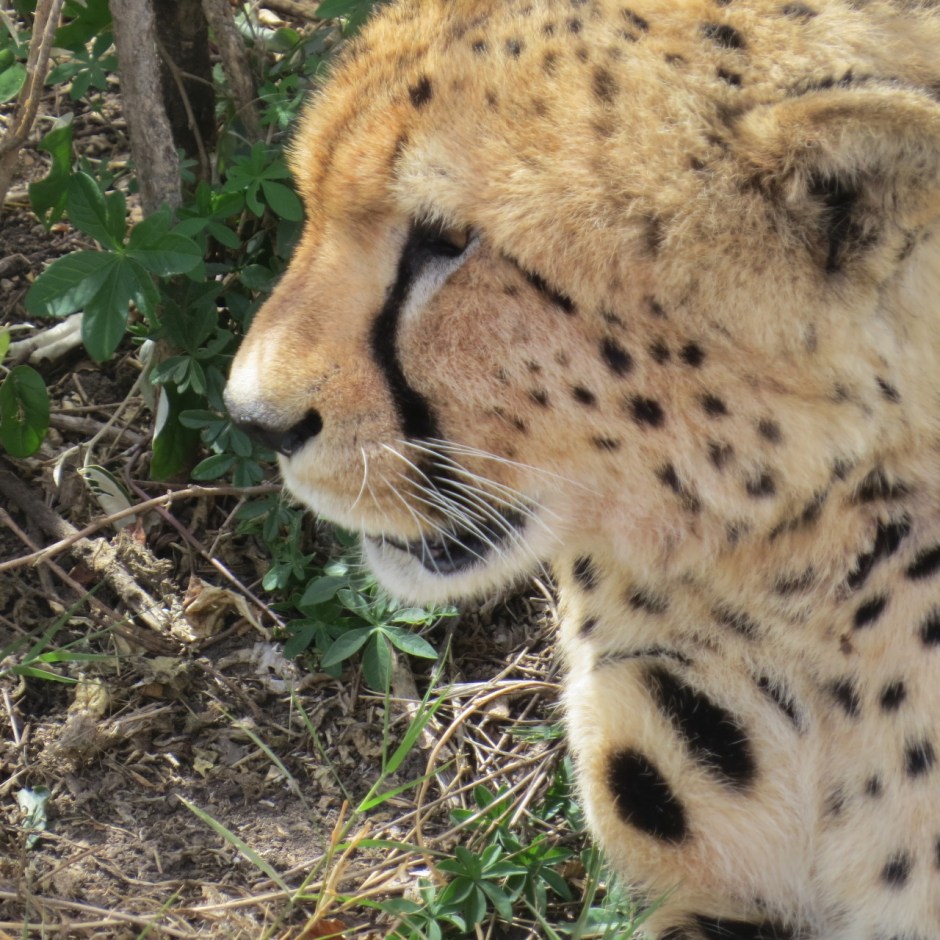
Above: One of the Fast Five in Maasai Mara. Copyright Rupi Mangat
Published: 24 November 2018
Within minutes of driving past the fenced lands of the Maasai and Sekanani gate, we’re in the great Mara. It’s phenomenal that the difference can be so stark. One side is people, cattle and fences where until a decade ago there were few.
Young giraffe with ox-peckers feeding on the ticks in Maasai Mara. Copyright Rupi Mangat
Published: The East African Nation 17 November 2018
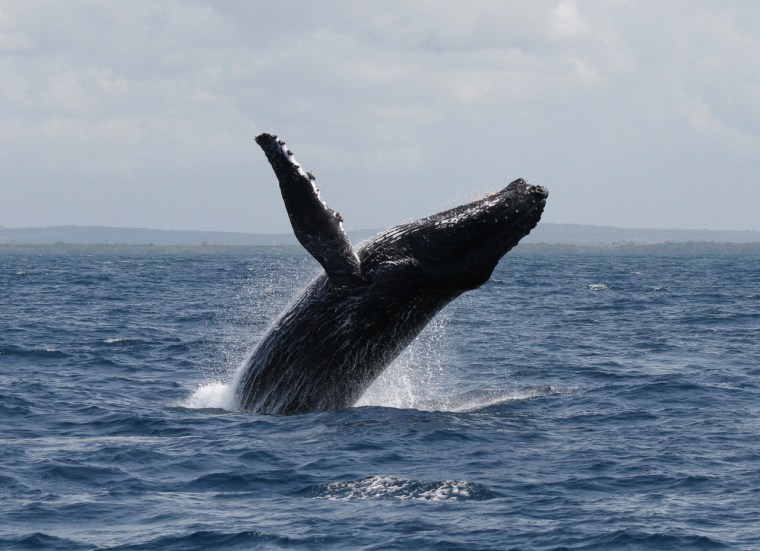
With the Humpback whales now on their way back to the Antarctica with their babies in tow, my bucket list still has room for the gentle giants of the ocean because l missed seeing them. For decades nobody saw the whales on our side of the Kenyan coast since they had been hunted close to extinction.
Then one fine day in 2011 people out sailing beyond the reef in Watamu thought they were seeing things when they saw gigantic whales leaping out of the water and reported the sightings to Watamu Marine Association. It was the start of whale-watching safaris organized by the Hemingways Hotel, a staunch supporter of the whale conservation. The whales only began to recover after the international ban on whaling in 1979.
Humpback whale in Watamu, Kenya coast, Indian Ocean, doing its back flip Copyright Jane Spilsbury/Watamu Marine Association
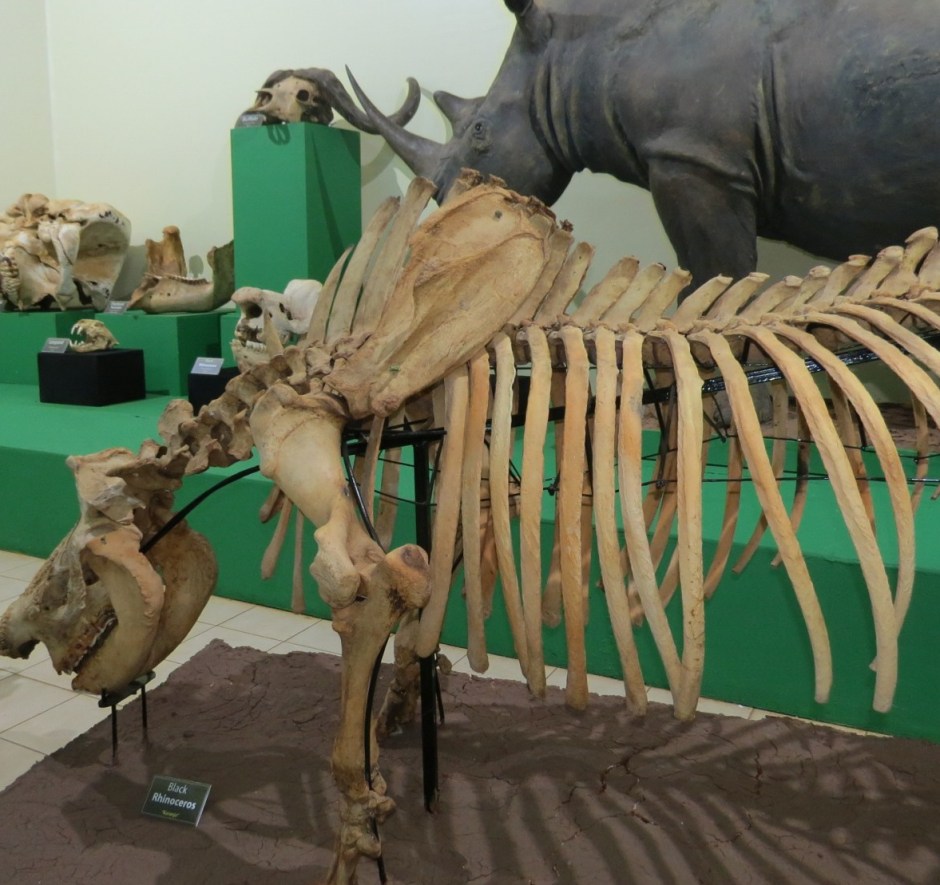
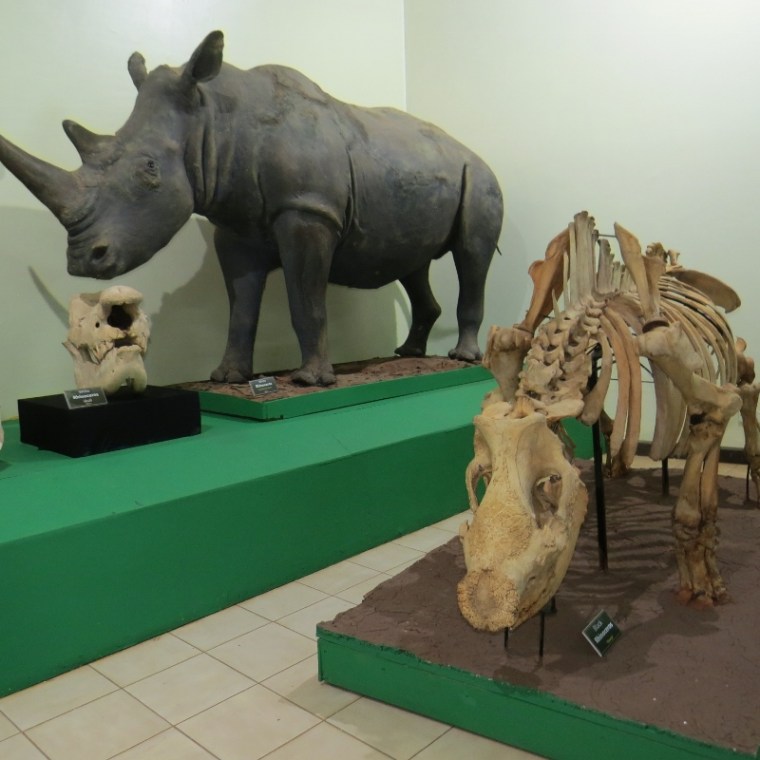
Above:Karanja the black rhino – his skeleton next to a model of a white rhino – copyright Rupi Mangat
Pubished 17 November 2018
In keeping with his celebrity status, Karanja the black rhino charmed important dignitaries that included the ambassadors to Kenya from Italy, Ethiopia and Algeria, researchers, curious guests and all to his opening day on 31 October 2018 at the Nairobi National Museum.
Karanja the black rhino – his skeleton next to a model of a white rhino – copyright Rupi Mangat
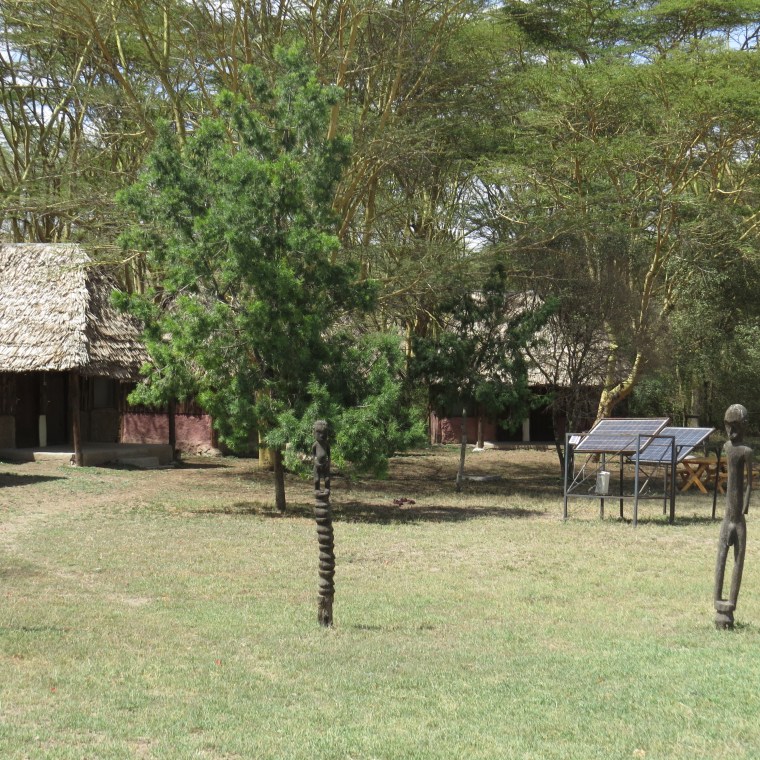
Above: The Wildlife Foundation Centre at Naretunoi Conservancy, Kitengela
Copyright Rupi Mangat
Published: 10 November 2018
“We have everything here,” says Moses Parmisa of The Wildlife Foundation. “If you had spent the night here you would have heard the lions and the hyenas.”
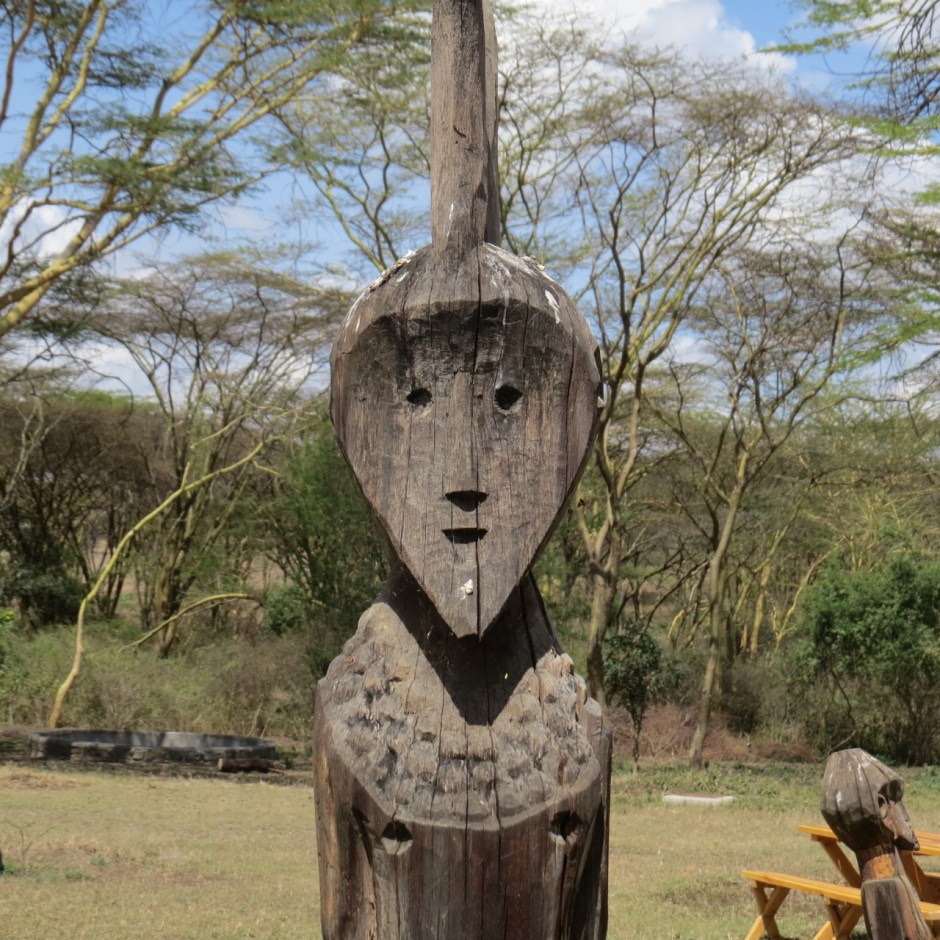
We’re chatting over a cuppa tea and cakes at The Wildlife Foundation Centre on a lawn dotted with wooden sculptures collected from different parts of Africa. On arrival we’ve been met by Impi the two-year-old female antelope whose mother was killed by a predator. The foal was found on the grounds and now thinks she’s a ‘people’.
The Wildlife Foundation Centre at Naretunoi Conservancy, Kitengela Copyright Rupi Mangat
Meeting the Apex Hunter in Ngong Road Forest Sanctuary
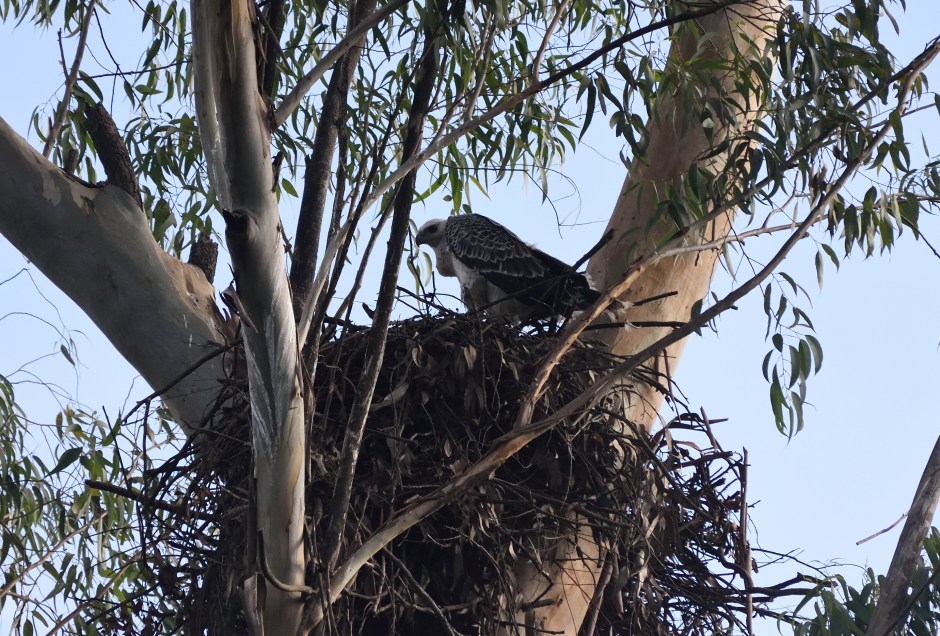
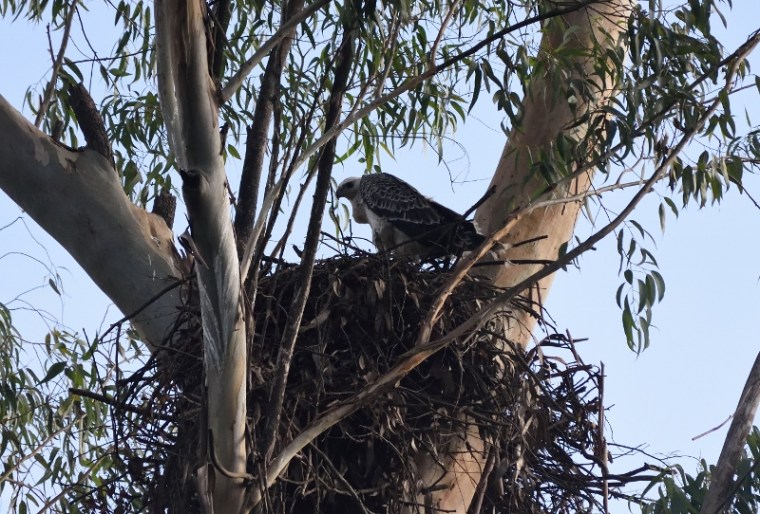
Above: African crowned eagle at nest Ngong Road Forest Sanctuary copyright Washington Wachira
Published: 3 November 2018
“Listen,” said Fleur Ng’weno of Nature Kenya.
A piercing shrill drifted through the trees in the forest.
“It’s the African crowned eagle.”
african crowned eagle Ngong Road Forest Sanctuary copyright Washington Wachira
It was what we were hoping for but like any creature on the wild, nothing is guaranteed.
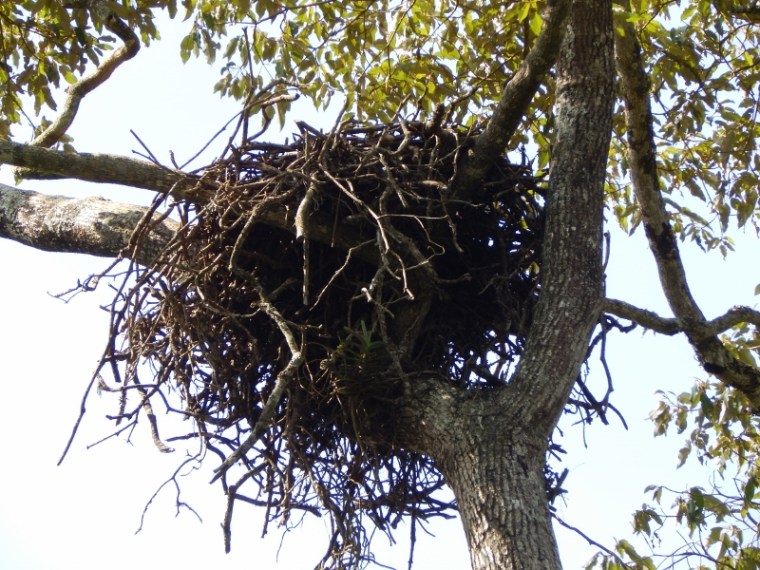
Quietly we walked along the path and there in the tall croton tree, was perched Africa’s mightiest raptor by its nest.
An OMG moment!
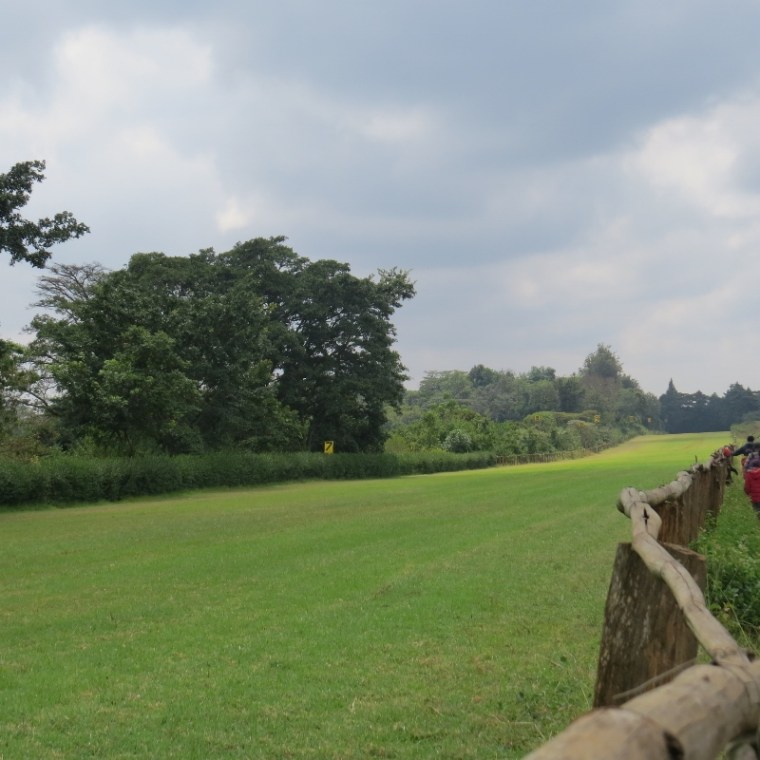
Ngong Race Course that is in Ngong Road Forest Sanctuary Copyright Rupi Mangat
Here we were at the Ngong Race Course that is in Ngong Road Forest Sanctuary, in one of the busiest part of a city of four million people – and in its midst we’re in a natural forest that’s home to some of the rarest creatures including the Jackson tree snake.
Urban Crowns
I’ve borrowed the title from a short film by Washington Wachira, a young ornithologist studying the African crowned eagle.
Nest of African crowned eagle Ngong Road Forest Sanctuary copyright Washington Wachira (800×600)

 Moonlion Safaris