More Hikes on Taita Hills

Part 2 of 2

Published Saturday magazine Nation media 20 January 2018

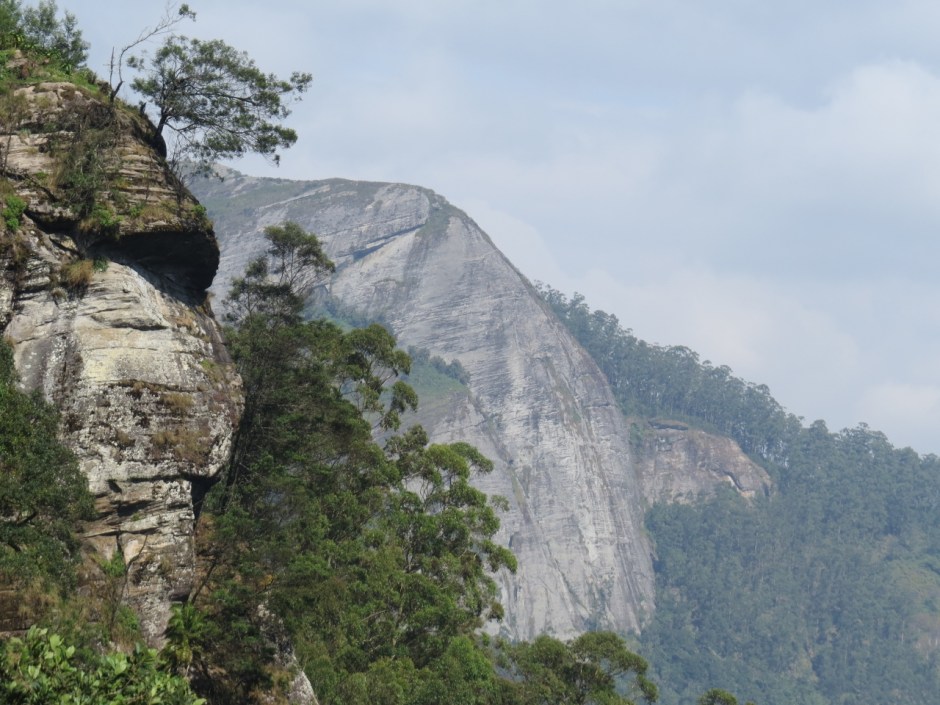
Above: The peak of IYale – second highest of Taita Hills
Copyright Rupi Mangat

Older than the age of dinosaurs these hills continue to fascinate nature lovers
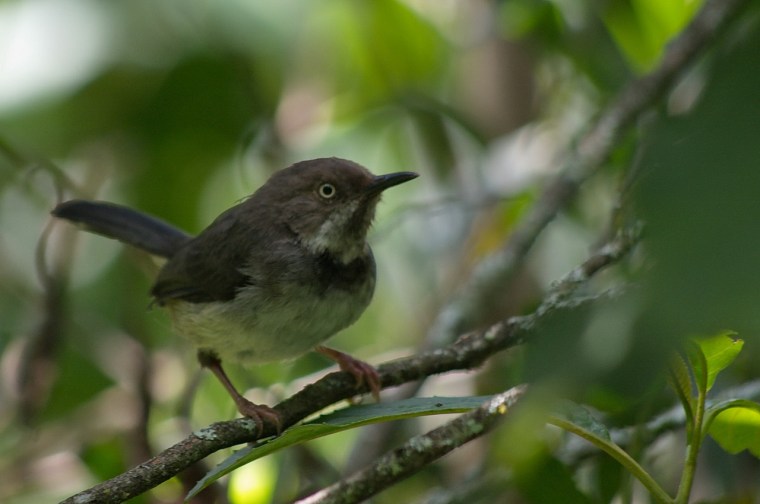
Critically endangered bird Taita apalis adult. Copyright Luca Borghesio

With a few more days in the hills with a mission to spot Taita apalis, our next stop is to Ngangao the largest forest block, Vuria the highest peak, followed by Msindunyi a tiny forest block where Dr Luca Borghesio and research assistant Lawrence Wagura – both associates of the National Museum of Kenya – discovered an undocumented population of Taita apalis in 2012. In total, the indigenous forests measure less than five square kilometres.

Continue reading “More Hikes on Taita Hills”

Hiking in the Hills of Taita


Part 1 of 2

An ancient massif of endemic plants and animals

Published: Saturday magazine, Nation newspaper 13 January 2018

Above: Taita apalis – criticaly endangered – fewer than 200 survive today in fragmented forests of the Taita Hills in an area of five square kilometers (copyright Luca Borghesio)

The mist swirls and whirls, white and dense, hiding and revealing the valleys and peaks of the hills. We’re on a climb to reach the top of the ancient bare rock that tops the forest of Yale in the Taita Hills.

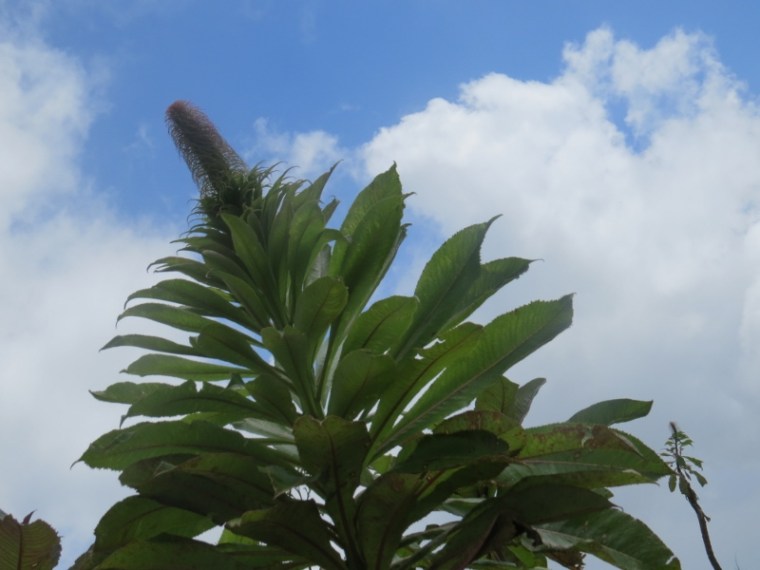
Indigenous plant of the mountains - Lobelia gibberoa on Yale hilltop that is part of Taita Hills. Copyright Rupi Mangat
Indigenous plant of the mountains – Lobelia gibberoa on Yale hilltop that is part of Taita Hills. Copyright Rupi Mangat

Continue reading “Hiking in the Hills of Taita”

A ‘Selfie’ with Wildlife

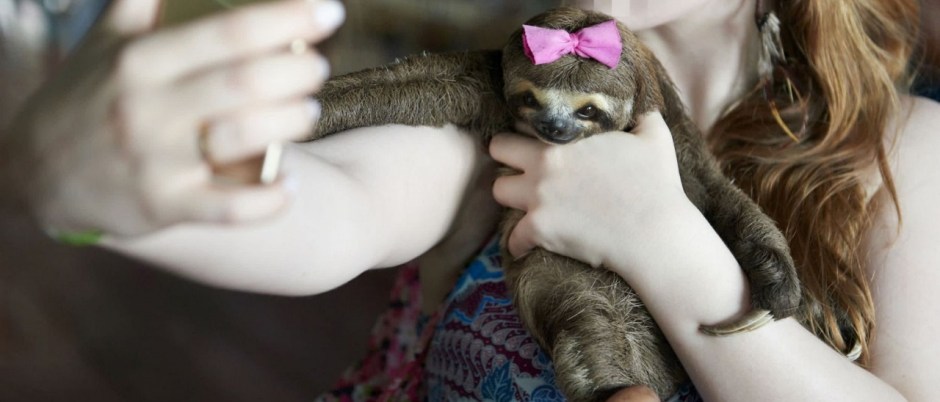
Above: Cruel taste – a sloth dressed in pink bow with a tourist. Wath the horrendous clip below on how the sloths are captured and put in sacks to be sold in the tourist trade

Published in The East African Nation media December 16, 2017

There’s a right way and the wrong way of doing it…as the recent case of two tourists trampled to death trying to get too close to an elephant … all for a ‘selfie’.

Selfies with wild animals have proliferated over the last two years on social platforms like Instagram, Facebook and Twitter driving the suffering and exploitation for some of the world’s most iconic animals across the world, reads a new report titled Wildlife Selfies launched in Nairobi by the World Animal Protection whose loge reads – Protect animals globally.

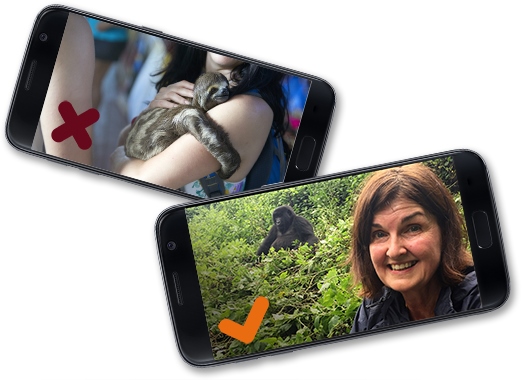
wildlife selfie 1 (522x380)
There’s a right way and the wrong way of doing it

Continue reading “A ‘Selfie’ with Wildlife”