Swara Plains Acacia Camp

A little garden of Eden

Published Saturday magazine, Nation media 8 July 2017

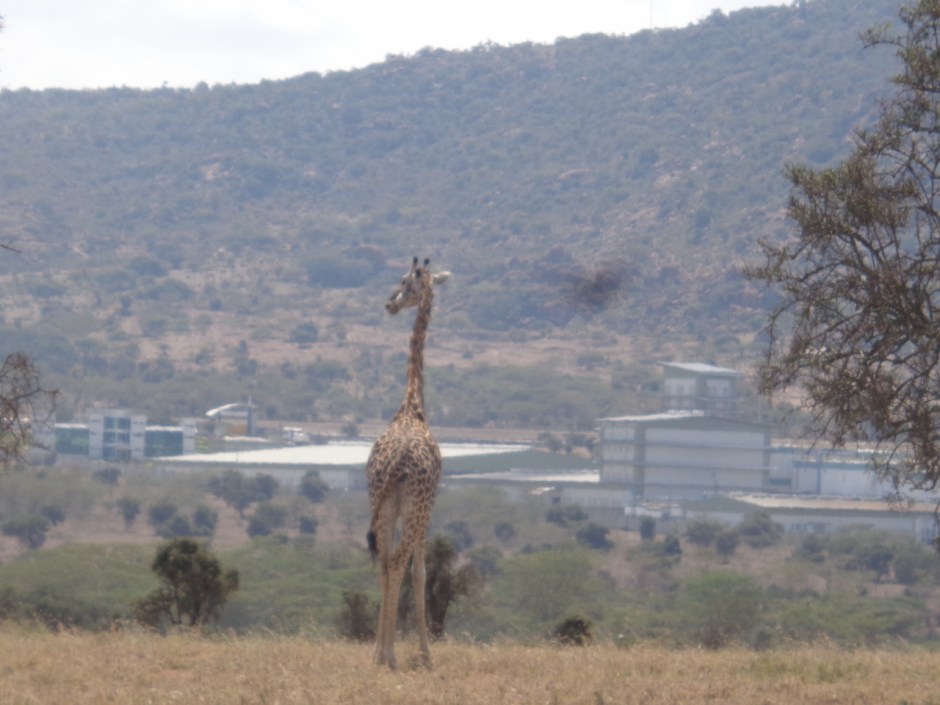
Above: Masai giraffe looking at cement factory by Lukenya Hill on Athi-Kapiti plains outside Nairobi
Copyright Rupi Mangat:

At first l think l must be seeing things but blinking my eyes again, l am looking at a fringe-eared oryx mixed in a herd of eland and wildebeest.

It’s a day full of surprises.

Swara Plains outside Nairobi Copyright Rupi Mangat

Continue reading “Swara Plains Acacia Camp”

Winds of Change

Critically Endangered vultures threatened by wind farm

Published The East African, Nation media 22-28 April 2017

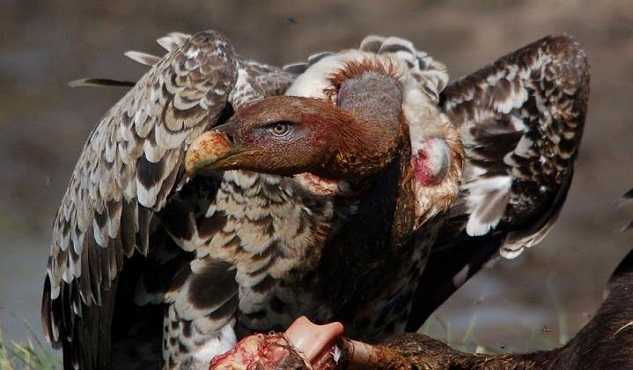
Ruppell’s vulture landing – copyright Munir Virani

Since 2015 four of the eight species of vultures in Kenya have been listed as Critically Endangered by the International Union of Conservation of Nature (IUCN). This means they are one step short of becoming extinct.

ruppells-vulture-photo-by-s-kapila-633x370
Ruppell’s vulture Copyright Shiv Kapila

Continue reading “Winds of Change”

Jaunt at Jipe

With an amazing raptor-filled day in Tsavo West

Published Saturday magazine, Nation newspaper 22 April 2017

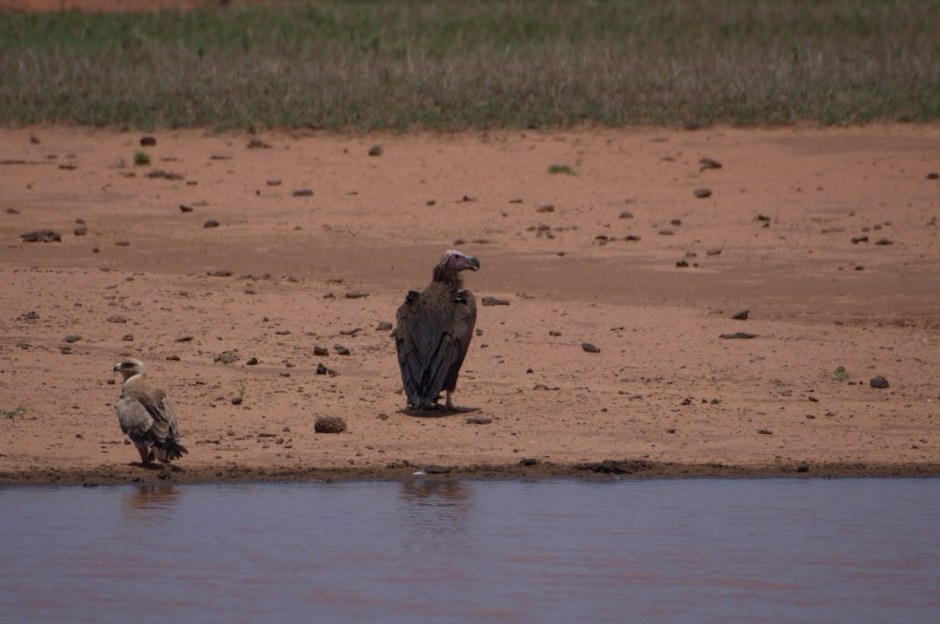
Above: Lappet-faced vulture with Tawny eagle in Tsavo West National Park at Lake Jipe on the Kenya-Tanzania border
Copyright Rupi Mangat

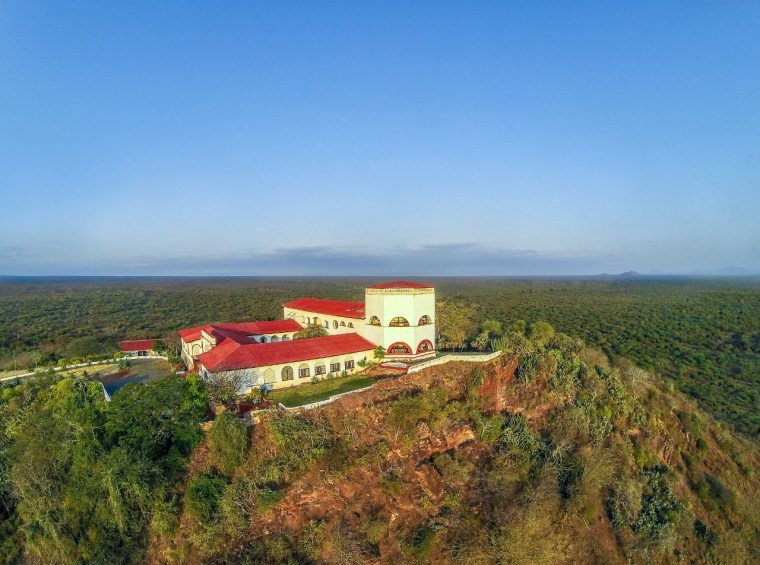
Aeriel view of Grogan's Castle with Kilimanjaro Copyright Grogan's Castle
Aeriel view of Grogan’s Castle with Kilimanjaro Copyright Grogan’s Castle

The road from Grogan’s Castle is a long thin thread through a bush-filled veld of Prosopis juliflora, one of the most terrible invasive plants in the world. These water-suckers compete for water with indigenous species and are so aggressive that one was found with roots at 175 feet deep in the earth.

Continue reading “Jaunt at Jipe”

Rüppell’s Vulture

Marathon runners of the sky

Dr Darcy Ogada

Rüppell’s Vultures are the marathon runners of the sky.  They soar over huge distances to find their favourite meal of carrion.  When they arrive at a carcass, often together with White-backed vultures, they can strip a carcass bare in a matter of minutes.  They are such highly-evolved scavengers that no other animal can match their efficient removal of flesh from a carcass.  This means that without Rüppell’s and other vultures, carcasses can lie uneaten for days, and there is a much greater chance of the spread of disease.

Over the last 30 years Rüppell’s Vultures have disappeared from the skies of East Africa.  Although they can still be seen in most game parks, their numbers have declined dramatically due to poisoning.  Poisons are often used by pastoralists to kill predators, such as lions and hyenas that have attacked livestock.  Rüppell’s and other vulture species are the unintentional victims of such poisonings because they often arrive first at carcasses and in large numbers.

Continue reading “Rüppell’s Vulture”