Women in a Venomous Field

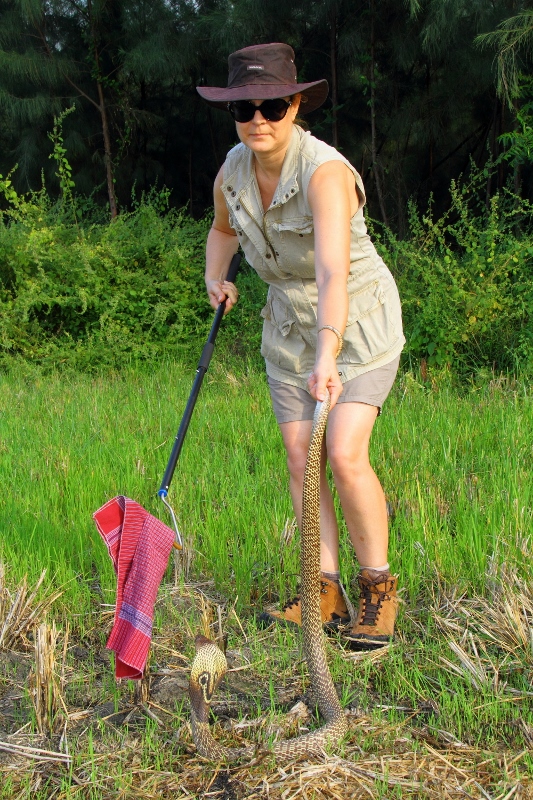
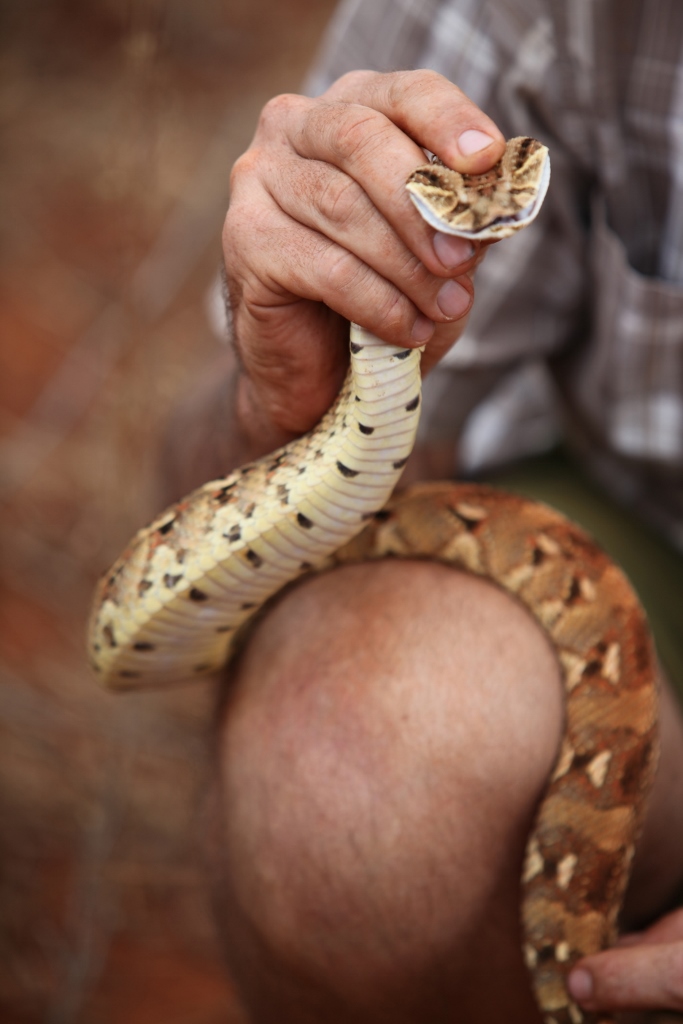
Four amazing women make a career of working with snakes. Attending the tenth international snakebite seminar at Bio-Ken snake farm in Watamu recently, each narrates the path taken.

East African 7-13 Jan 2017

Handling live venomous snakes is an extra-ordinary noble but extremely dangerous profession.

One reason for handling venomous snakes is to milk them – which is the only way to obtain snake venom to produce supplies of anti-venom. Without anti-venom being readily available and administered, a bite from any venomous snake can be deadly. Ironically, anti-venom can only be produced from ample supplies of venom from live venomous snakes. And it takes some dexterity to do that.

Diana Barr

Young and dynamic, Barr’s job as technical support officer at the Australian Venom Research Unit at the University of Melbourne and Global Snakebite Initiative, an Australian non-profit organisation working to reduce snakebite deaths and disability around the world, puts her in very close contact with the most venomous snakes in the world.
Continue reading “Women in a Venomous Field”

Snakes and Blunders

The 10th Bio-Ken International Snakebite Seminar, Watamu

Published Daily Nation 29 November 2016

Useful Snake contacts in Kenya: 0718 290324 Bio-Ken Snake Farm www.bioken.com  www.antivenomtrust.com   www.snakebiteinitiative.org

13-year-old Menza Benjamin was picking up cashewnuts on the ground when he felt a burning hot bite on his leg followed by another. He started to vomit and broke out in a cold sweat. Close to his hut he fainted. He never saw the snake.

That was three years ago and he’s lucky to be alive, sitting at the snakebite seminar held in Watamu early November.

green mamba
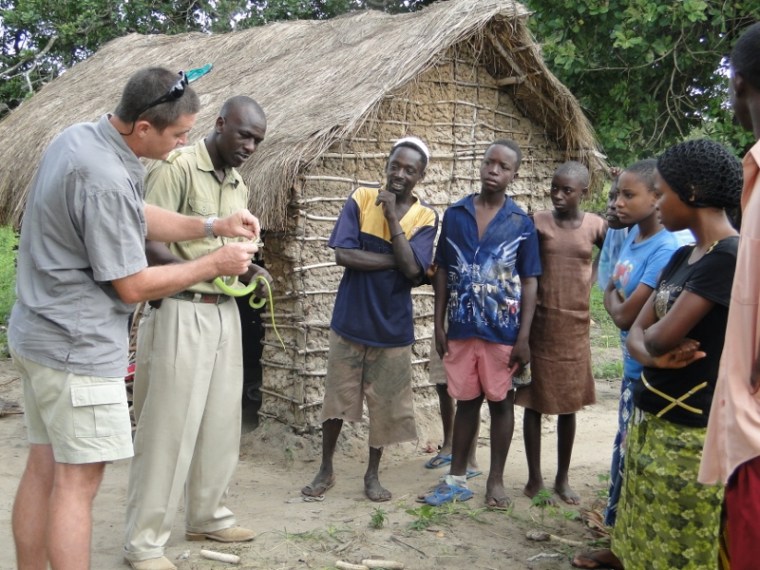
Royjan and Boniface who had been called by these villagers to catch a snake in the roof of one of their huts. It was a green mamba. Royjan and Boniface took some time to talk to them and answer their questions. Picture copyright Royjan Taylor

What saved Menza was the speed with everything that followed. His uncle saw him and immediately put him on a pikipiki and took him 12 kilometers to the Bio-Ken Snake Farm.  By the time they reached the snake farm, the boy was already showing rapidly advancing symptoms of black mamba bite. He was rushed by car – along with a supply of suitable antivenom to the local private hospital where he was treated by the hospital’s founder, Dr. Erulu, also present at the seminar.

Black mambas are among the fastest and deadliest snakes in the world. A bite requires urgent urgent attention.

Continue reading “Snakes and Blunders”