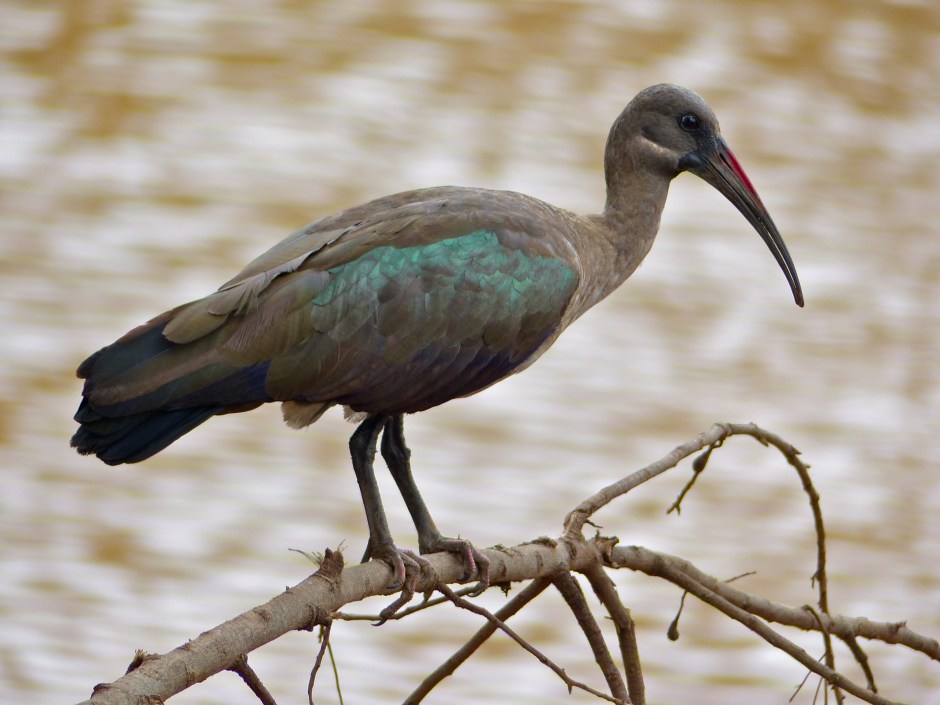
Above: Hadada ibis by Bernard DUPONT
Published: The East African Nation 9-15 May 2020
By Rupi Mangat
with unusual birdsong heard and massive flocks seen in cities
“The wake-up call of Hadada ibis in my estate (Buru Buru in Nairobi) was always 4.30 a.m.,” remarks Jennifer Oduori, a veteran birder and member of the birders’ group at Nature Kenya. “Now because it’s so quiet, they have changed the time to 6 a.m.”
The Hadada ibis, a common bird in Nairobi, has one of the loudest calls in the bird world and it’s enjoying the bliss of a quiet sleep during the current Corona-curfew days …just like many humans are.
What’s even more interesting is that Nairobi which is the birding capital of the world with more than a thousand species has new arrivals that Oduori is trying to identify from pictures sent to her by other birders.
More unusual reports are coming in from Kenyan birders, members of Nature Kenya, the country’s oldest natural history society established in 1909 by like-minded people interested in nature.
In late April afternoon, Abigail Church sent a video from Nairobi’s Giraffe sanctuary of 1,000 Great white pelicans flying over it, wave after wave for 15 minutes en route to Lake Magadi, a phenomena never recorded before of such large numbers in the city. It made the video go viral amongst the birders.
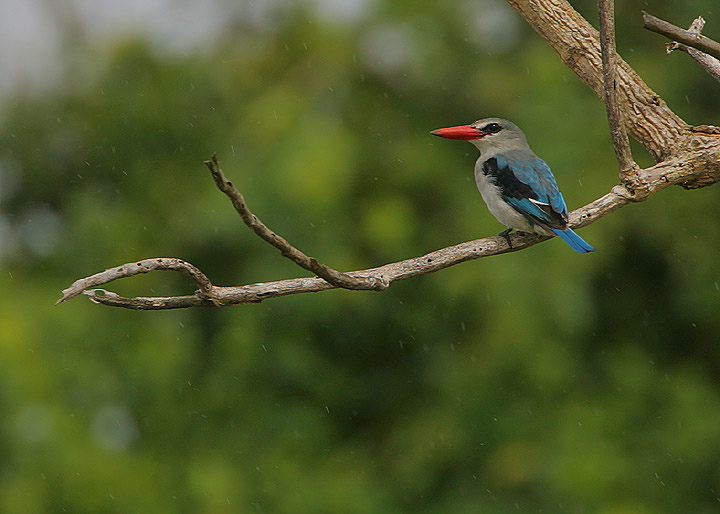
Meanwhile in Mombasa the built-up island with few trees, another bird not recorded on the island before, has surprised Mustafa Adamjee. “ I heard Mangrove kingfishers call all night in the middle of Mombasa town where there are few trees , noisy and so built up..
Mangrove kingfishers are intra-African migrants seen around the island or along the beaches lined with mangroves and coastal bush but never in town.
The list is endless of the many unusual sighting around the world’s cities, but it’s in the far-away port of Mumbai, that is India’s largest city of some 20 million people, that’s currently stealing the show.
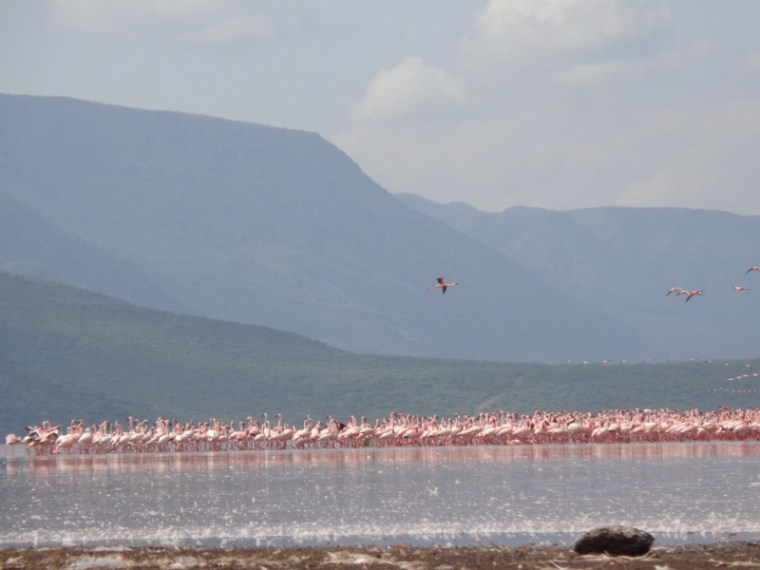
It’s turning pink…with tens of thousands of flamingos after the country’s nationwide lockdown that’s quietened down the city. According to the Bombay Natural History Society the flamingos are also spreading to wetlands where they were rarely seen before “because there is no human activity there now.”
In terms of birding, it’s getting exciting in the era of the Corona.
Calling out Loud
According to the British Trust for Ornithology, just like Oduori, Adamjee and a thousand other Kenyan birders the daily chorus of birdsong is now more audible in the heart of the cities.
In the current quieter world, the feeling amongst birders is that it could be helping the birds to be heard by potential mates which increase their breeding success. However this has to be verified scientifically by continued survey even during these social distancing cash-strapped corona days. And that depends on volunteers who are keen birders.
Birding – a World of Volunteers
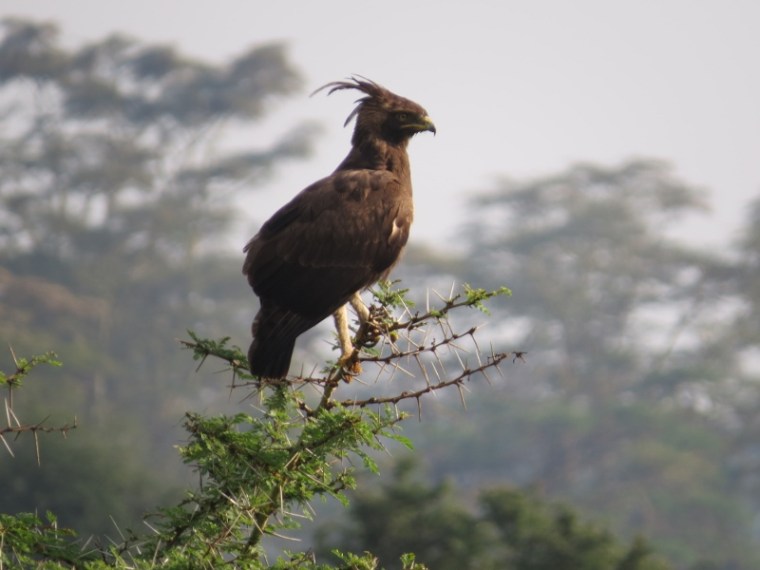
Birds are everywhere – in air, water and land. Keeping track of the avian world depends largely on volunteers whose data can be used by research scientists and policy makers to safeguard their realm and in Environmental Impact Assessments when taking on any infrastructural project, for birds are indicators of the environment.
Birding in Kenya is largely thanks to Fleur Ng’weno of Nature Kenya who in February 1971, started the Wednesday Morning Birdwalks from the Nairobi National Museum. For the last 35 years the walks have taken place weekly, rain or shine led mostly by Ng’weno or someone if she’s not around. Nature Kenya has branches almost everywhere in the country.
Despite the walks being suspended for the first time in Kenya which to the birders’ chagrin is the March-April migration time, Ng’weno the octogenarian is still busy birding with a face mask in the Nairobi Arboretum, Karura Forest and Nairobi National Park as are others in the country, filling in their data diligently.
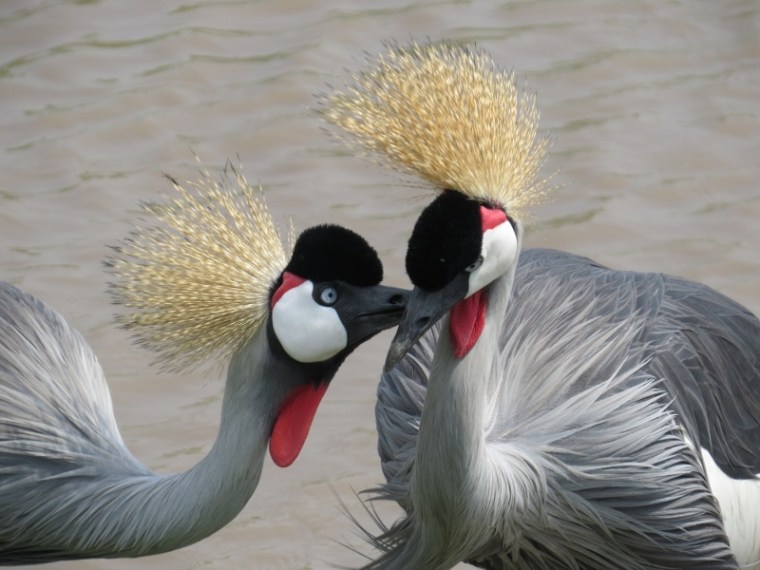
‘Back to Normal’
The world-over, reports abound of wildlife stepping into cities and towns as nature rebounds during the pandemic. There’s less pollution and noise, the air is clearer with snow settling back on mountains such as Kenya and Kilimanjaro from where it had vanished to a point of a sliver. However, the big question is, will any short-term gains made by wildlife be reversed once the lockdown is over?
Or will shape policy for a healthier world with nature as the pandemic ebbs?
On the Flip Side
However, according to Darcy Ogada Assistant Director of Africa Programs for the Peregrine Fund the CV19 will probably have a large negative effect on all wildlife in rural areas because of the economic fallout. “People are hungry. Poaching of smaller species like antelope has most certainly increased and birds will be poached for food too. Protected areas aren’t excluded. As parks fees and tourism declines it has an immediate impact on security operations in these areas,” she comments.




 Moonlion Safaris