Published Nation newspaper Saturday magazine 11 Feb 2017
Bungee-jump on Sagana River that flows into the mighty Tana River with Savage Wilderness
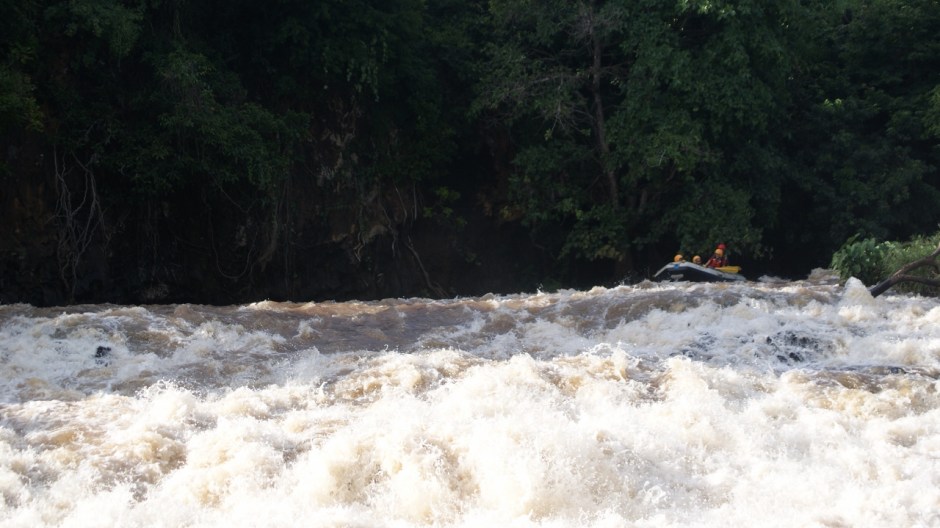
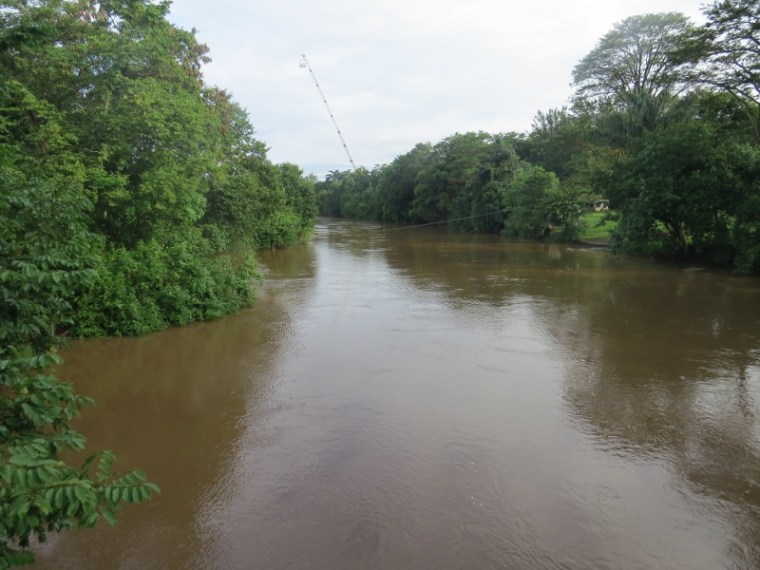
To counter the pulsating rush of adrenalin from white water rafting, l cross over the suspended bridge over the Tana at Sagana Wilderness and head out with Samuel Maina Muruiki to hike the hill in Sagana.
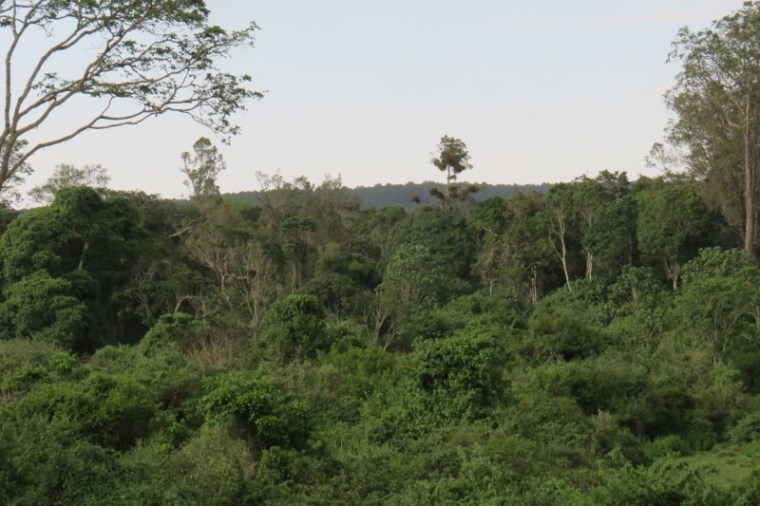
The magnet for the hill is that it has a forest on the crest.
Muruiki points to the huge rock near the top of the hill. “That’s what we’re heading for.”
It looks far away and tiny and with the day turning hotter, the temptation to return to base is strong.
“Persistence does away with resistance,” urges the young man. Humm..
Shafts of morning sunlight filter through the canopy of the massive tall trees and spread on the forest floor. The ground is wet with the morning dew, the grass cool and the air so fresh that taking in deep breaths is rejuvenating. It’s forest therapy.
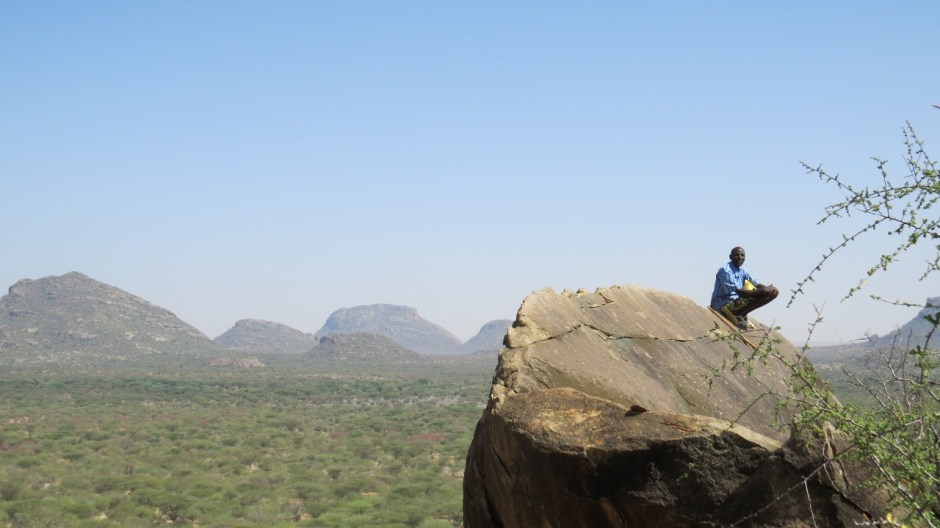
Mountains and plains – the Ndoto range in northern Kenya – Copyright Maya Mangat
Published Nation newspaper 21 January 2017
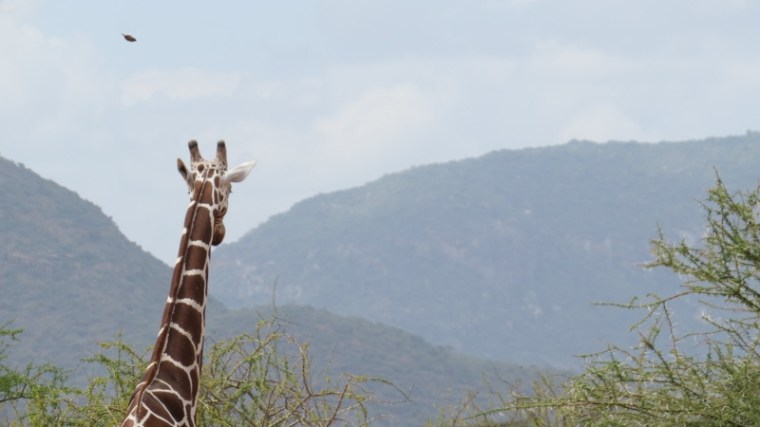
Reticulated giraffe in northern Kenya Copyright: Maya Mangat
A Reticulated giraffe stands alone in the midst of the green thorn scrub past the iconic Ololokwe mountain – the loaf-shaped of the northern drylands. It’s a giraffe listed in December 2016 as ‘Vulnerable’ on the IUCN (International Union for Conservation of Nature) and therefore threatened with extinction. Fewer than 100,000 exist on the planet with the Reticulated even more endangered than the other species. Understandably, we stop on the side of the newly tarmacked road that stretches all the way from Nanyuki via Isiolo past Samburu to Moyale on the Kenya-Ethiopia border.
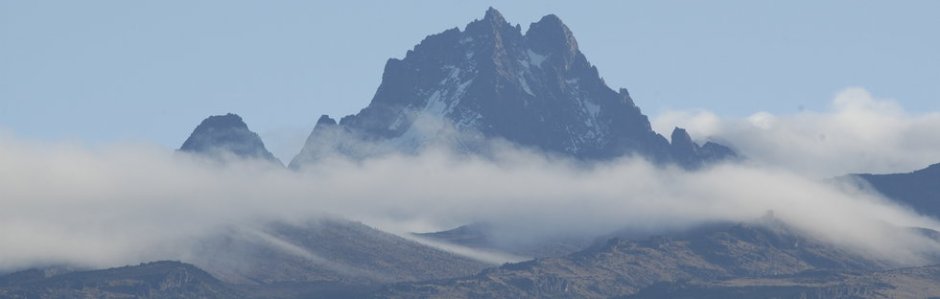
In 1893, the famous British geologist of the ‘rift valley’ fame, Dr John W Gregory led the first scientific expedition up Mount Kenya but could not make it past the ice glaciers to reach the summit. The mountain top was decked in ice and snow. He spent several hours at the Lewis Glacier at 15,000 feet before descending.
Watamu Marine Association and Kenya Wildlife Service report an amazing sigh for the first time ever.
Picture above: False killer whales recorded first time in Kenya in December 2016.
They are witha pod of Indo-Pacific botlenose dolphins. Courtesy Jane Spilsbury/Watamu Marine Association
Published: Satmag Nation 14 Jan 2017
The gorgeous blue-ocean waters of Watamu reveal the first ever sighting in Kenya of False killer whales during a survey carried out by team from Kenya Wildlife Service and the Watamu Marine Association. The excitement is far-reaching.
“False killer whales are similar to Killer whales but smaller,” says a very excited Jane Spilsbury of WMA. “We were about two kilometres from shore when we saw these animals which are normally found in much deeper water.
False killer whales off Watamu, Kenya November 2016. Courtesy Jane Spilsbury/Watamu Marine Association
She continues. “These 13 to 19 feet long animals were hunting in a group of 50 – 100 and were accompanied by Indo Pacific Bottlenose dolphins. For an hour that we watched them the whales covered an area of over three square kilometers hunting sailfish.
“This shows that the Malindi Watamu Marine Protected Area has a rich biodiversity to attract such a rarely documented, data deficient species and also why it is an important conservation area for dolphins and whales. We’re so excited!”
Hoping off the boat after a morning sail in Mida Creek landing by the village of Dabasso, I stop to chat with Spilsbury at Eco-World. I had no idea that wine bottles had more than one use as she shows me around the newly built resource centre at Eco-World.
Thousand bottle Bottle-nose dolphin by Andrew McNaughton at EcoWorld, Watamu Picture copyright Rupi Mangat
Recycled wine bottle door by Andrew McNaughton at EcoWorld, Watamu Picture by Rupi Mangat
Seahorse from trashed waste from sea – rubber slippera into gifts – at EcoWorld, Watamu Copyright picture: Rupi Mangat