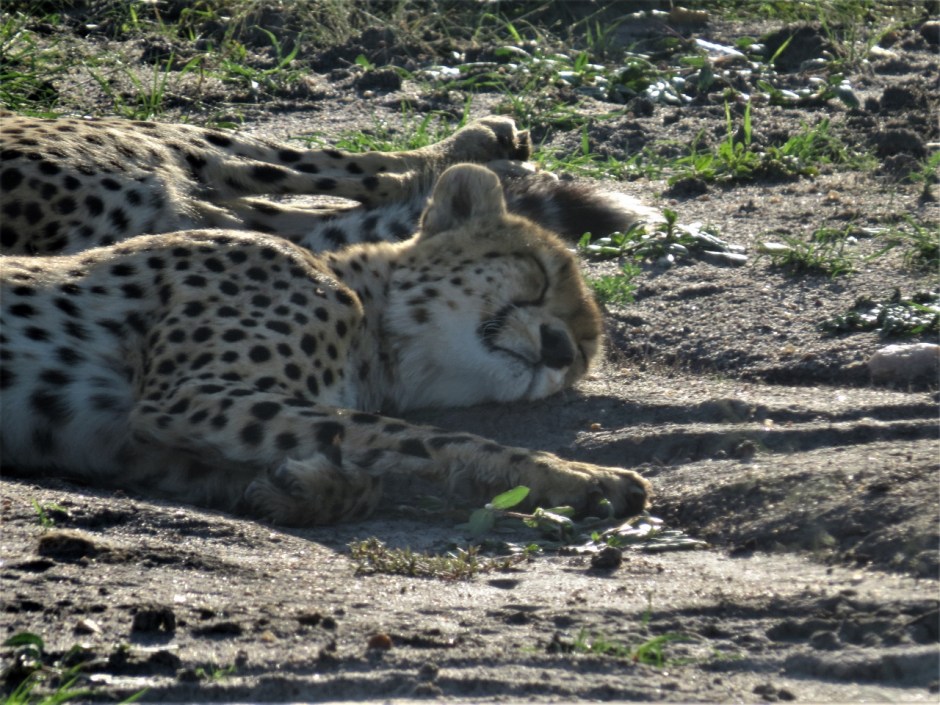
Above: One of the five famous cheetah band at rest in Masai Mara. Copyright Rupi Mangat
Published: Saturday, Nation newspaper – Saturday 23 June 2018
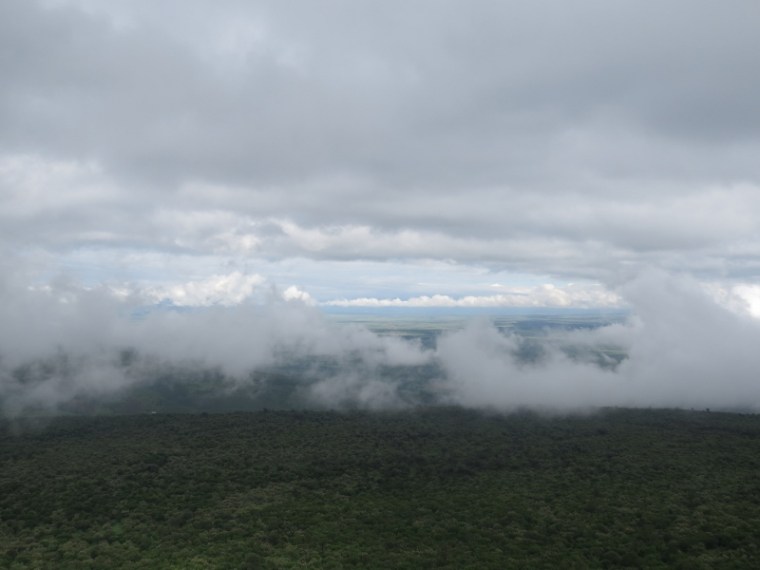
Rain clouds hurtle down the escarpment to fill the deep valley of the Great Rift. Copyright Rupi Mangat
Rain clouds hurtle down the escarpment to fill the deep valley. Everything gets shrouded in white. We are looking over the famous Great Rift Valley that can be seen from outer space. Filled with volcanic mountains like Longonot that for now is invisible, we have to drive across it to reach our destination – the famously famous Masai Mara – the land of the Big 5, lion country, an eighth wonder of the modern world and more. Continue reading “Rain in the Maasai Mara”→
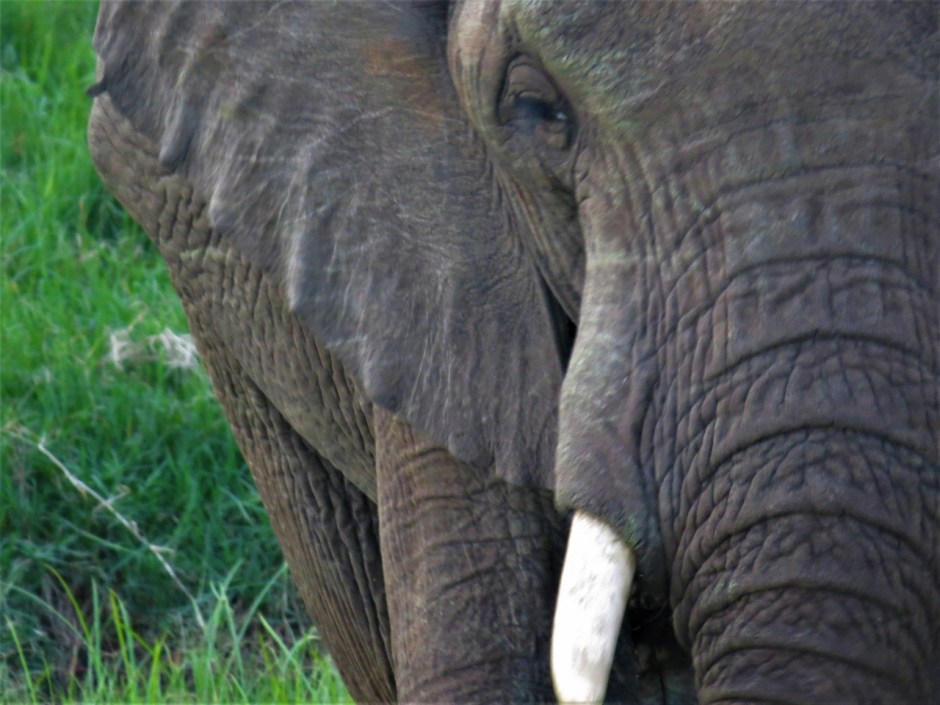
Above: Elephant feeding in the lush swamp in Siana Springs Conservancy
Copyright Rupi Mangat
Published: Saturday Magazine 16 June 2018
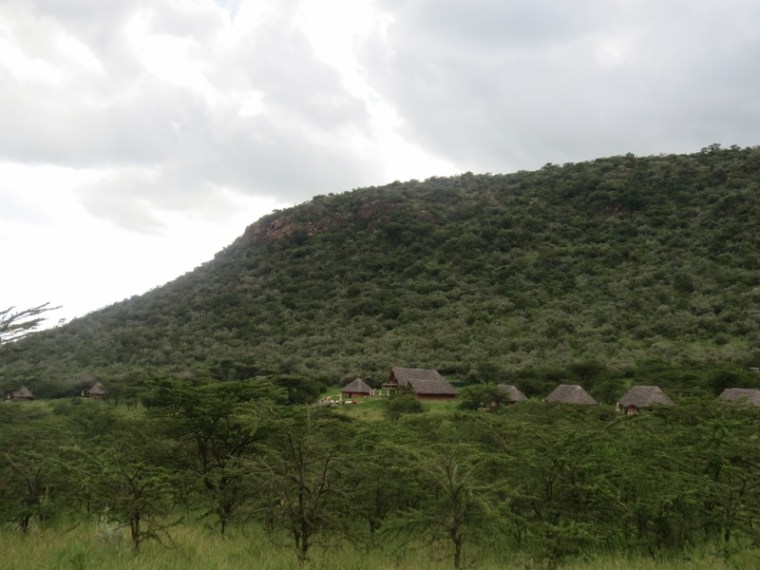
Spirit of the Masai Mara blending into the hills. Copyright Rupi Mangat
Nestled in the craggy hills of Ngama from where the springs that give the wildlife haven its name, Siana, the sound of water and the wind add to the drama of the day. I scan the copper-coloured bare cliffs of the hills where the leopard hides. The view of the Masai Mara from up the hills is unbelievable. Continue reading “Nightlife at Siana Springs, Maasai Mara”→
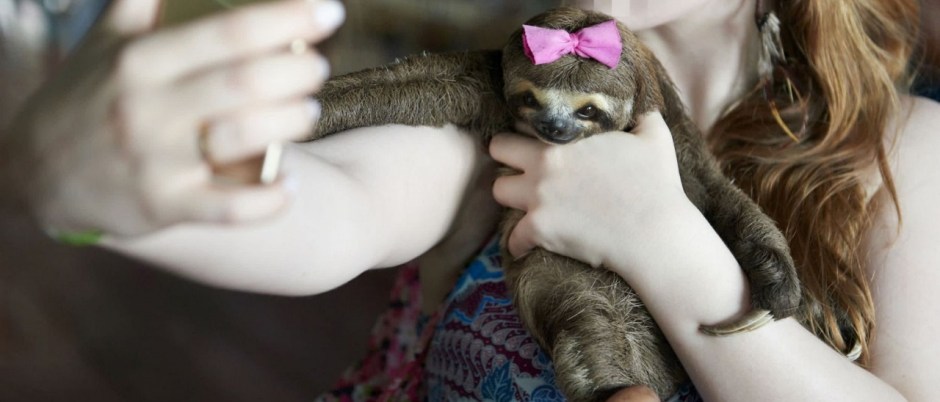
Above: Cruel taste – a sloth dressed in pink bow with a tourist. Wath the horrendous clip below on how the sloths are captured and put in sacks to be sold in the tourist trade
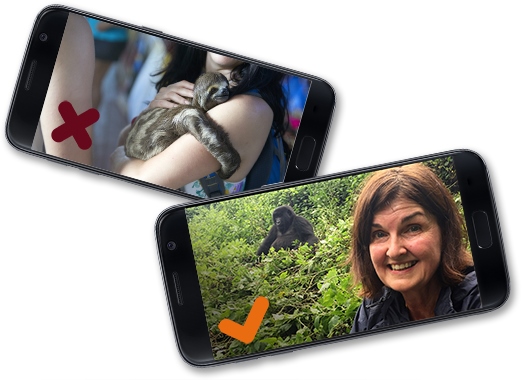
There’s a right way and the wrong way of doing it…as the recent case of two tourists trampled to death trying to get too close to an elephant … all for a ‘selfie’.
Selfies with wild animals have proliferated over the last two years on social platforms like Instagram, Facebook and Twitter driving the suffering and exploitation for some of the world’s most iconic animals across the world, reads a new report titled Wildlife Selfies launched in Nairobi by the World Animal Protection whose loge reads – Protect animals globally.
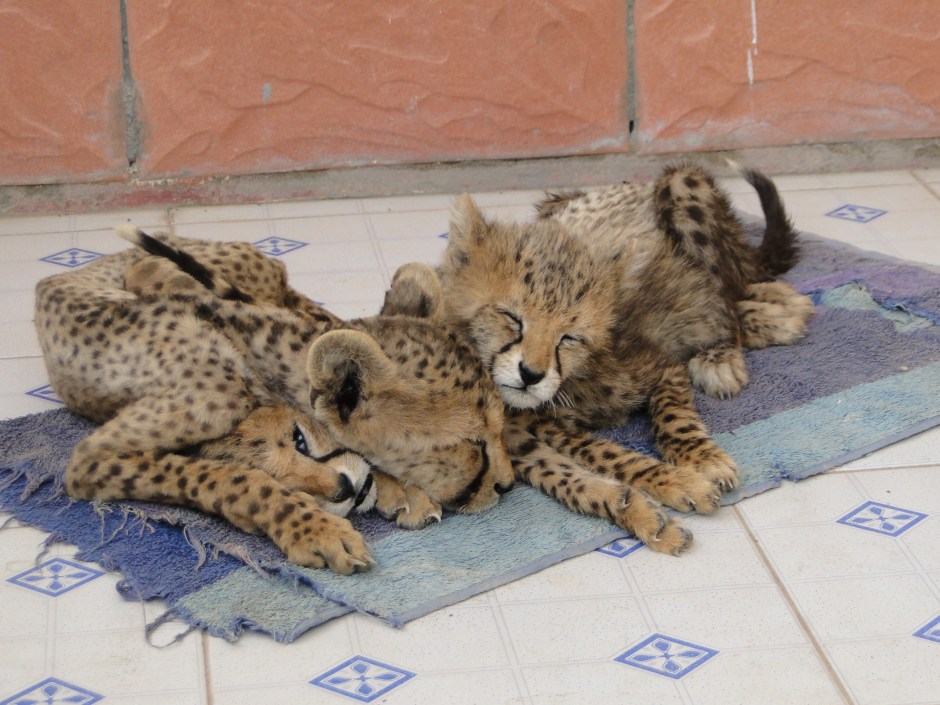
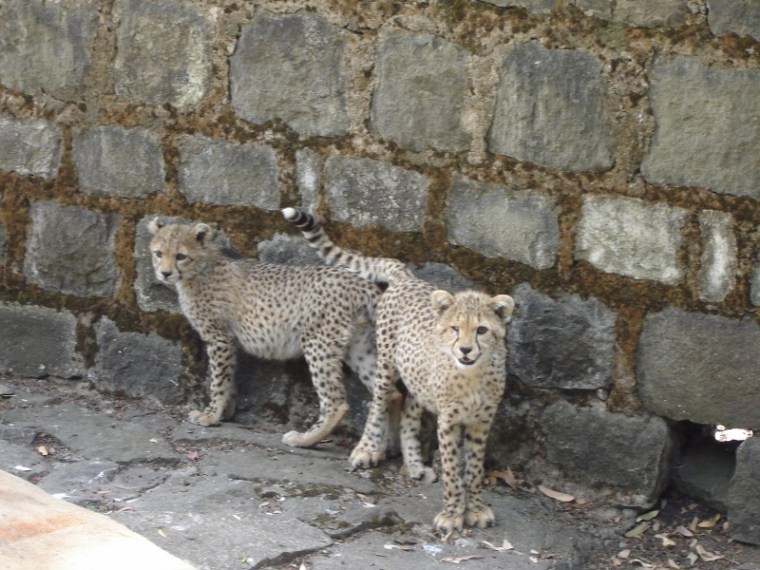
The horrific illegal trade in cheetah cubs and other endangered wildlife fuelling the exotic pet trade
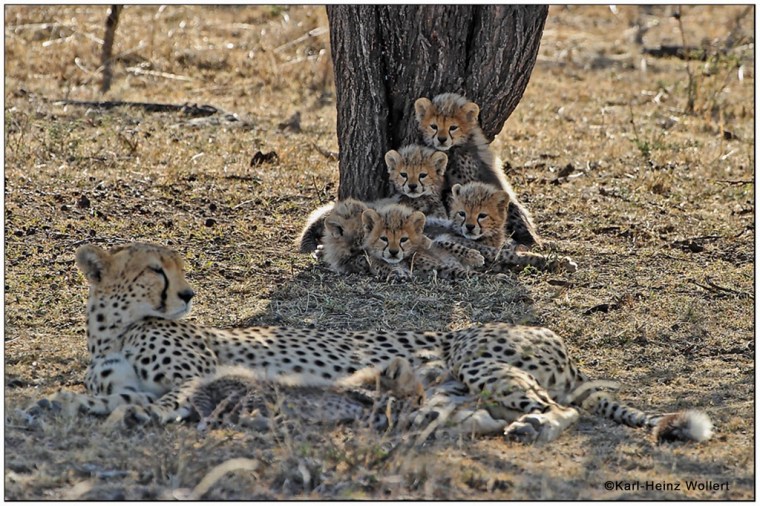
Wild Cheetah cubs with their mother in the Maasai Mara National Reserve, Kenya Picture copyright Karl-Andreas Wollert.
It was a phone call from a U.S. Marine in November 2005 that put the wheels in motion for Patricia Tricorache, assistant director for strategic communications of the Namibia-based Cheetah Conservation Fund (CCF) to add ‘illegal wildlife trade’ to her title.
“He was calling from Ethiopia about two cheetah cubs that were tied with ropes outside a restaurant in Gode, a remote village in eastern Ethiopia. He was a vet and said that the cubs would die soon; he was considering buying them.
“I begged him not to buy them because it would only encourage more poaching. We frantically began calling everyone we knew in Ethiopia, including the Environmental Protection Agency (EPA), the Ethiopian Wolf Conservation Program and the U.S. Embassy.
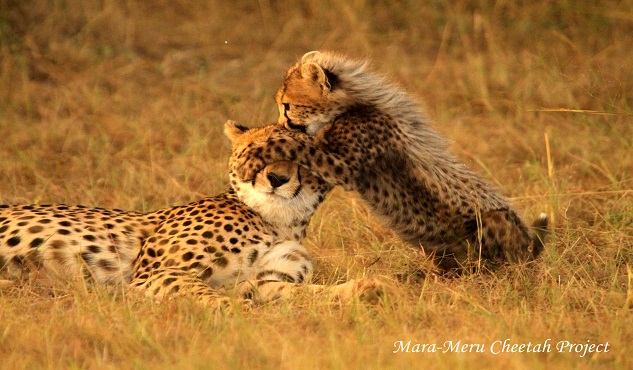
Dr. Elena V. Chelysheva (PhD) is Project Founder and Principal Investigator of Mara-Meru Cheetah Project
Q and A about why we MUST be clear about Cheetahs
Can you explain briefly why we need to save cheetah
Cheetah as a species survived a genetic bottleneck approximately 12,000 years ago, when only a few thousands individuals were left in the world. Cheetah recovered in numbers, and in the beginning of 20th Century there were around 100,000 animals in Africa and Asia. Growth of human population, its activities and expanding their territories led to the drastically declining of cheetahs in the wild. Today the known cheetah population is only 6,700 (IUCN Red List, 2015) and estimated to be not more than 10,000! Such a rate of declining could lead to the total extinction of the species in the next 50 years. Saving the cheetah for posterity – is protecting its environment by working with local communities, stakeholders and authorities, as well as with international organizations and people.
 Moonlion Safaris