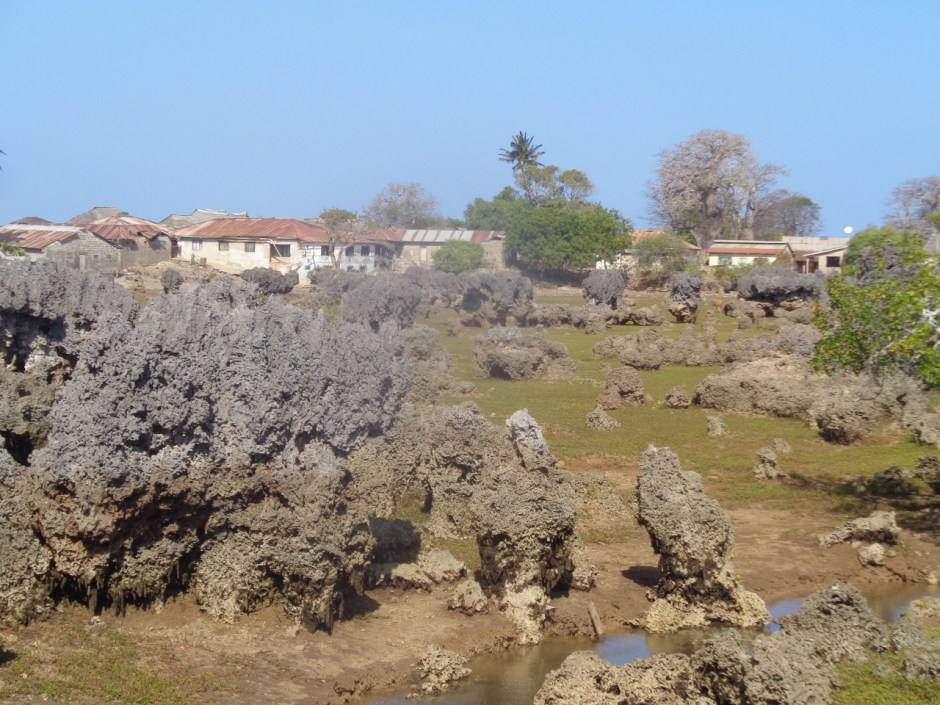
Wandering on the island of Wasini


Above: Coral garden at low tide on Wasini – copyright Rupi Mangat

Published Saturday magazine Nation newspaper 25 March 2017

A dug-out canoe sails to the dhow anchored in Wasini Channel to paddle me to the shores of the island. In a few minutes we’re on the ancient island of fossilized coral. Wasini once a little village of makuti-thatched coral rag single-storey houses now has a few multi-floored brick buildings coming up. The century-old, ‘Arab’ houses are beginning to crumble and replaced with modern brick.

Our first port of call is to the island restaurant Kaole. Plate after plate of mouth-watering Swahili dishes waft out of the deceptively simple kitchen of the restaurant on coral rag floor and four walls with open frontage to the channel. We’re fed on crab delivered on wooden platters which Husni the waiter knocks the shell open to show diners how to tease the meat out. The table fills with spiced seaweed with chapatti, ‘wali’ and cassava cooked in coconut milk and more. We eat to our fill with the ocean breeze cooling the afternoon temperatures.
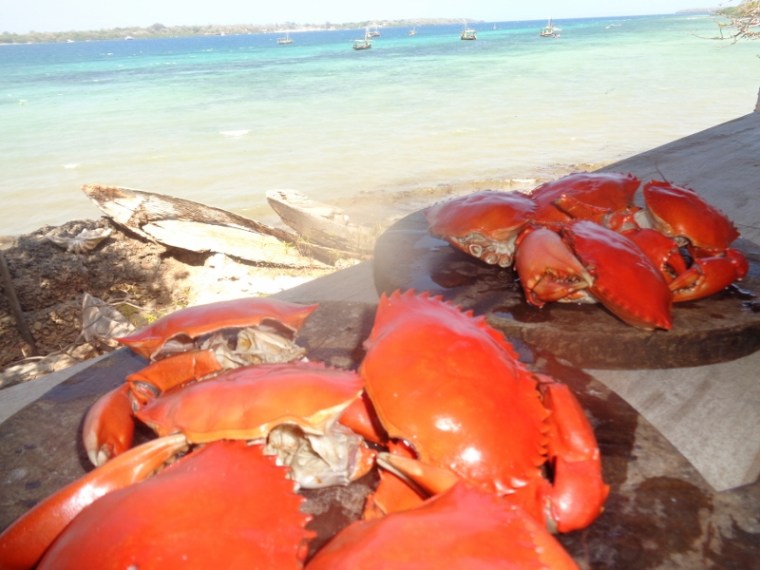
DSC06323 (800x600)
Yummy Crabs at Kaole restaurant – copyright  Rupi Mangat

Continue reading “Wandering on the island of Wasini”

Lamu plastic dhow sails to save oceans

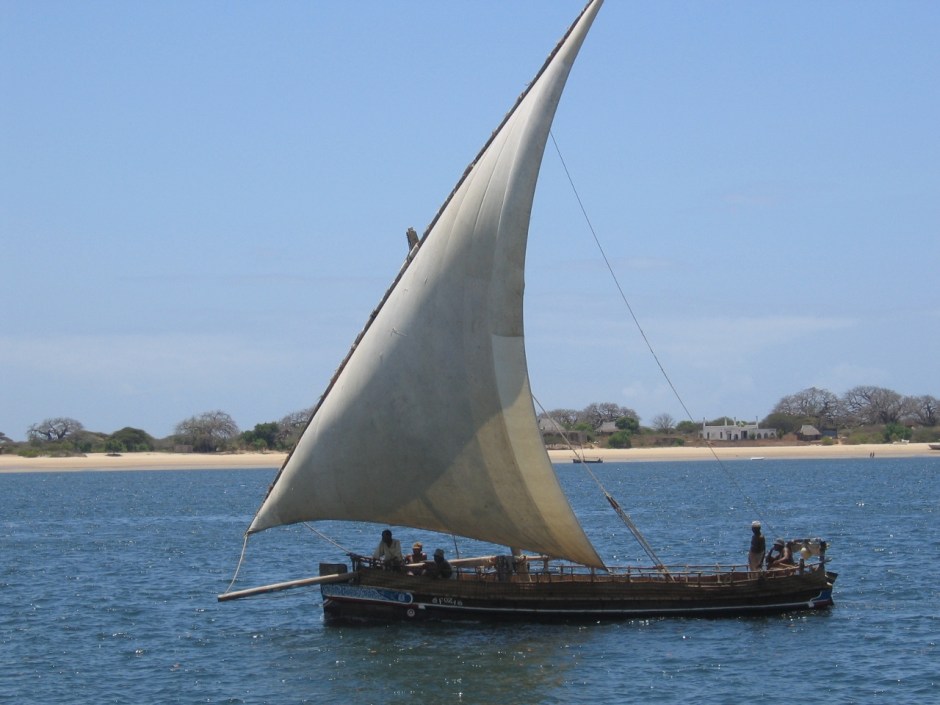
Above: Traditional dhow asail on Lamu seafront. Courtesy Dipesh Pabari

Published in The East African, Nation media 25 February-3 March 2017

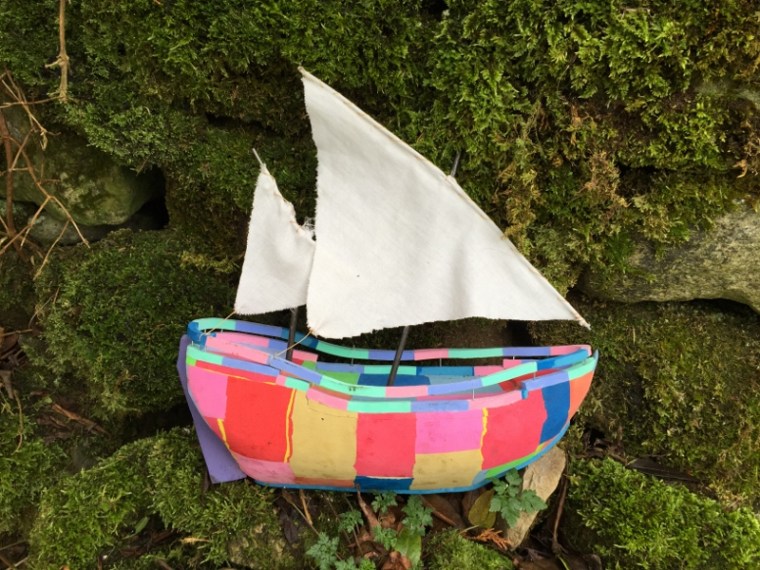
6-model-of-the-flipflop-covered-dhow-800x600
A model og the Plastic dhow that will sail from Lamu in Kenya to Cape Town, South Africa  – the first journey of its kind – Picture courtesy: Dipesh Pabari

A chance meeting of two high school friends puts in motion something the world has never seen – a life-size plastic dhow to sail Lamu to Cape Town with a message – stop dumping plastic in the ocean.

“There’s enough plastic trash in the ocean to make a flotilla,” states Ben Morrison who had an awakening two years ago walking a 10-meter stretch across the beach to the ocean. It was covered in plastic trash. Sailing past were ancient wooden dhows with their lateen sails billowing in the wind that have frequented the east African coast since antiquity.

Continue reading “Lamu plastic dhow sails to save oceans”

Forest Serenade

at Serena Mountain Lodge on slopes of Mount Kenya

Published Nation newspaper Saturday magazine 4 February 2017

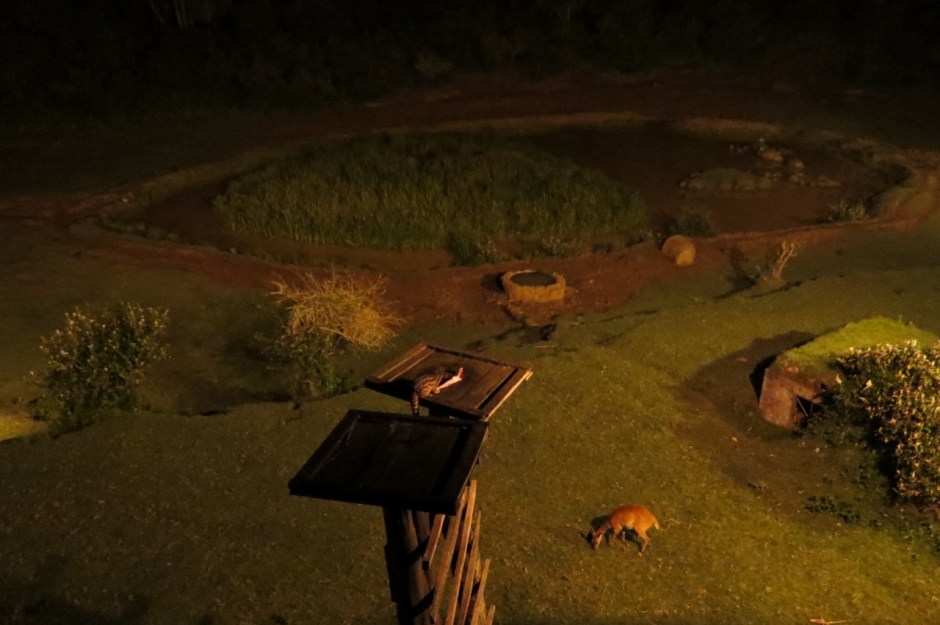
Above: Nightlife at Serena Mountain Lodge at the waterhole – the genet comes out to eat on it high perch. Copyright picture by Maya Mangat

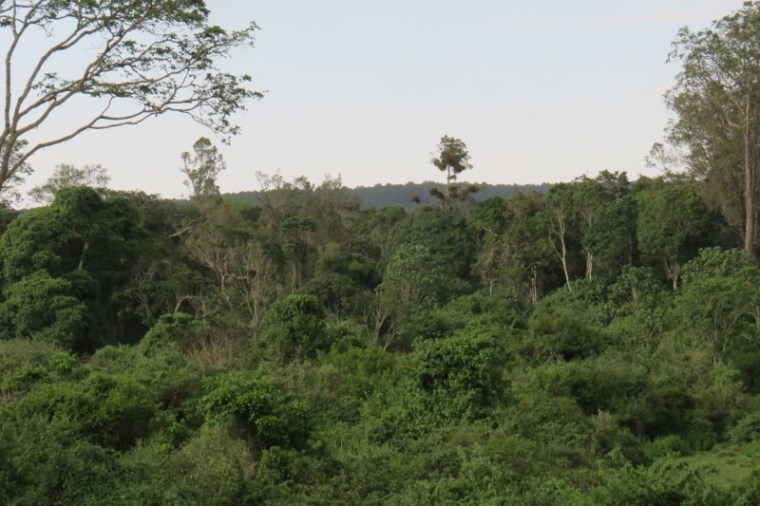
Indigenous forest surounding Serena Mountain Lodge
Indigenous forest surounding Serena Mountain Lodge – Copyright Maya Mangat

Shafts of morning sunlight filter through the canopy of the massive tall trees and spread on the forest floor. The ground is wet with the morning dew, the grass cool and the air so fresh that taking in deep breaths is rejuvenating. It’s forest therapy.

Continue reading “Forest Serenade”

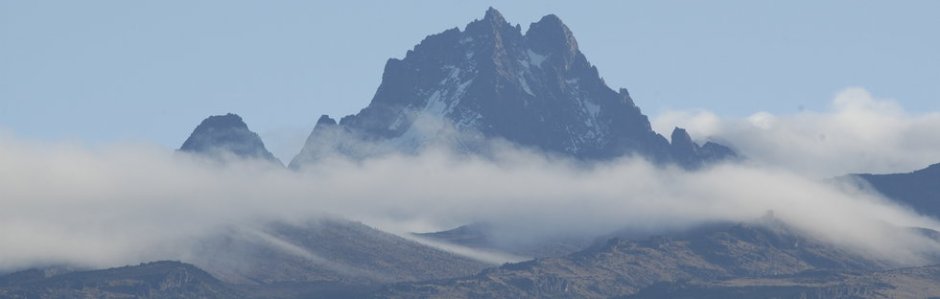
Vanishing glaciers of Mount Kenya

In 1893, the famous British geologist of the ‘rift valley’ fame, Dr John W Gregory led the first scientific expedition up Mount Kenya but could not make it past the ice glaciers to reach the summit. The mountain top was decked in ice and snow. He spent several hours at the Lewis Glacier at 15,000 feet before descending.

Continue reading “Vanishing glaciers of Mount Kenya”

The Train and Tuskers of Tsavo

The impact of the SGR on the mega-herbivore in the last of its stronghold – the mighty Tsavo

Published The East African Nation media -31 Dec 2016-6Jan 2017

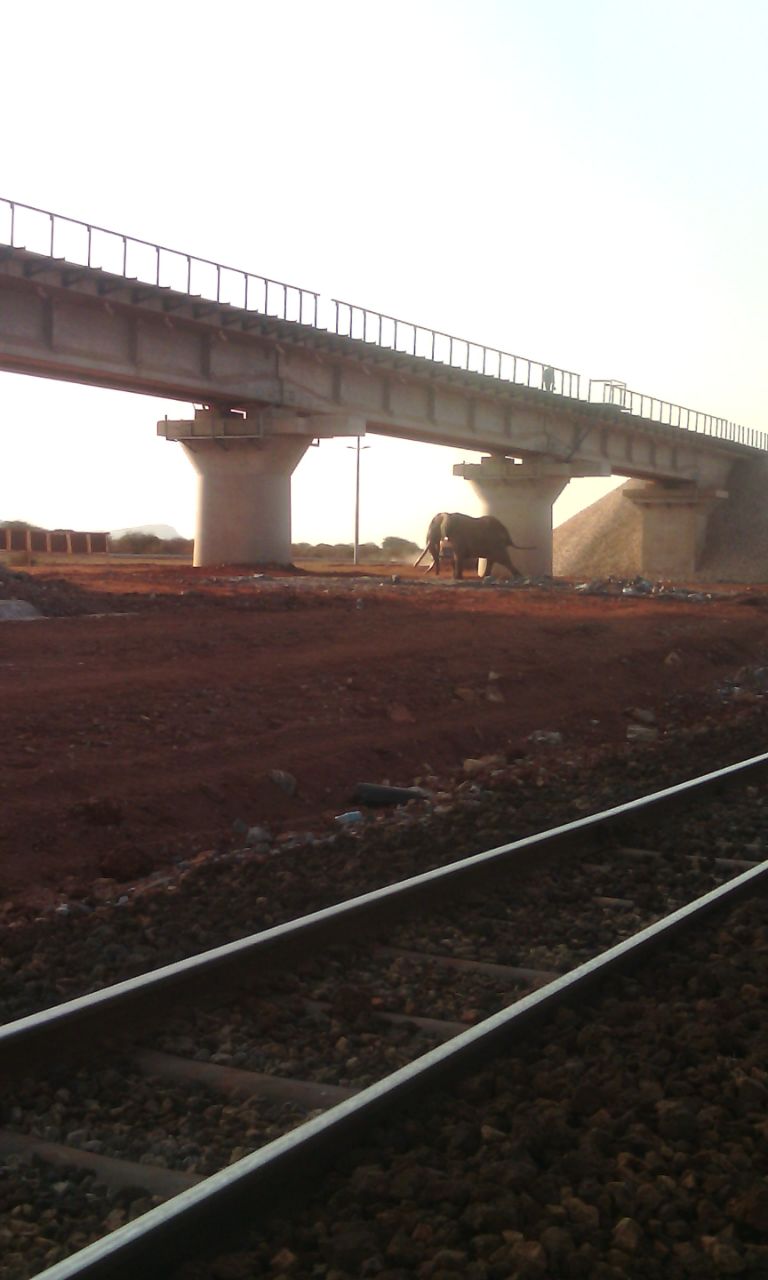
Caption above – Elephant crossing under the bridge of the new SGR crossing point.by Limo Elisha

Under the searing sun of the Tsavo East National Park, a herd of elephants as red as the soil browse near the newly constructed standard gauge railway cutting across the 13,747 square kilometres park.

This section of the railway line near the park’s Manyani Gate is raised on a steep embankment to attain the gradient for the high-speed trains for the SGR. A 70-meter-wide and five-meter-high underpass in the embankment allows the mega herbivore to move to and fro from the adjoining 9,065-square-kilometer Tsavo West National Park – making the two parks the largest protected elephant park.

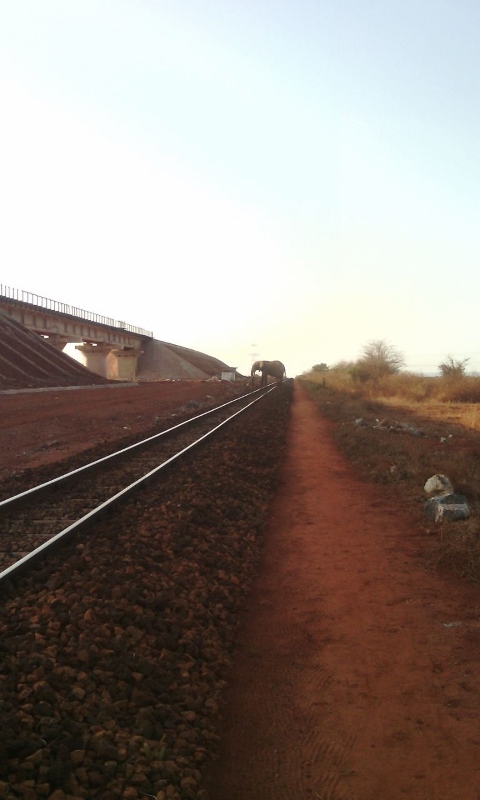
Until this steep embankment of the SGR was built a year ago, the elephants of Tsavo crossed the Nairobi-Mombasa Highway and the century-old railway line from anywhere they wished along the 137-kilometer span of the highway and rail that ran through the two parks.

An elephant crossing the old Meter gauge railway
An elephant crossing the old Meter gauge railway Copyright Limo Elsiha

Continue reading “The Train and Tuskers of Tsavo”