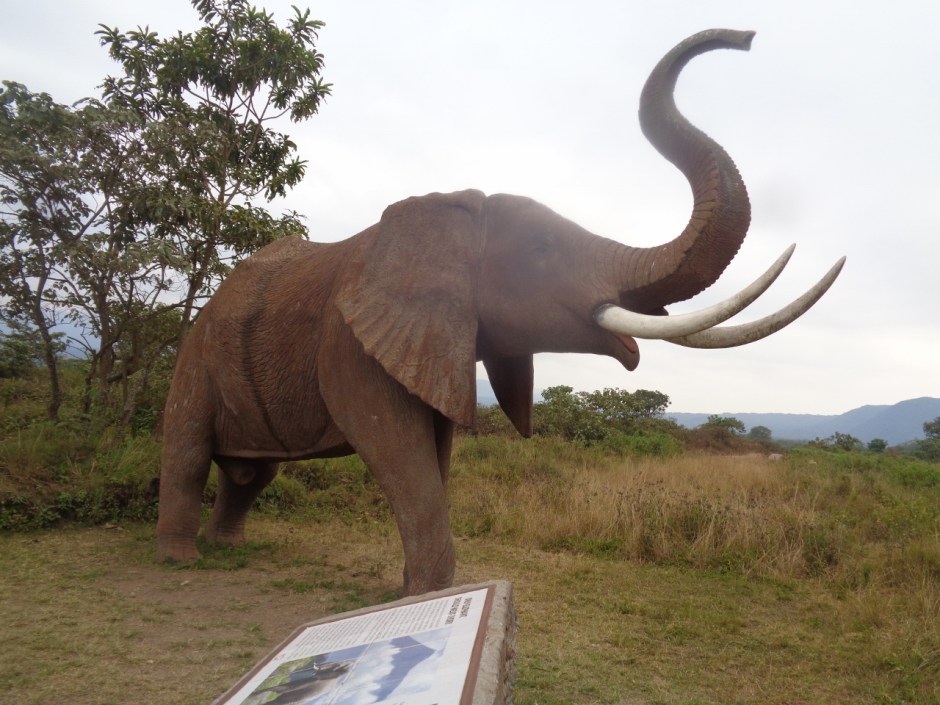
Above: Elephant at entrance of Lake Arusha Naional Park
Copyright Rupi MangatArusha’s a fascinating city on the foothills of Mt Meru –Africa’s fifth highest mountain at (14,968 ft). A dormant volcano it’s a stunning backdrop to the city and a great mountain to explore.
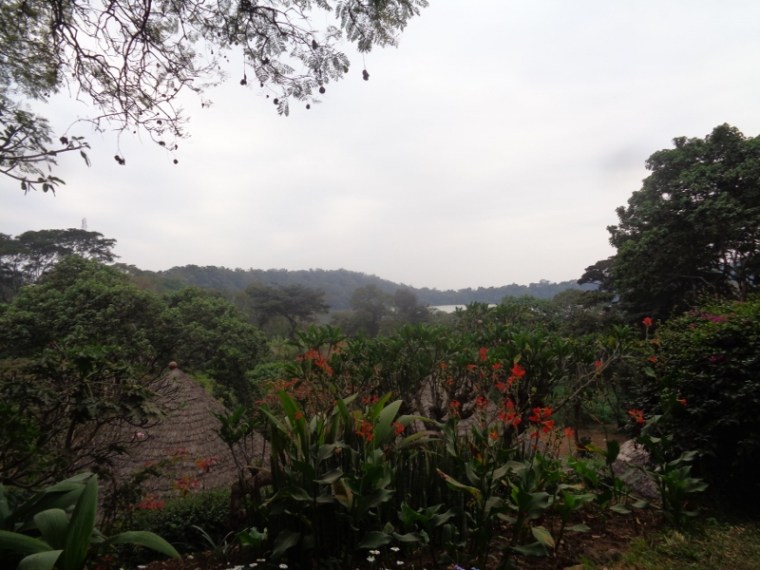
Lake Duluti Serena by the cusp of its crater lake Copyright Rupi Mangat
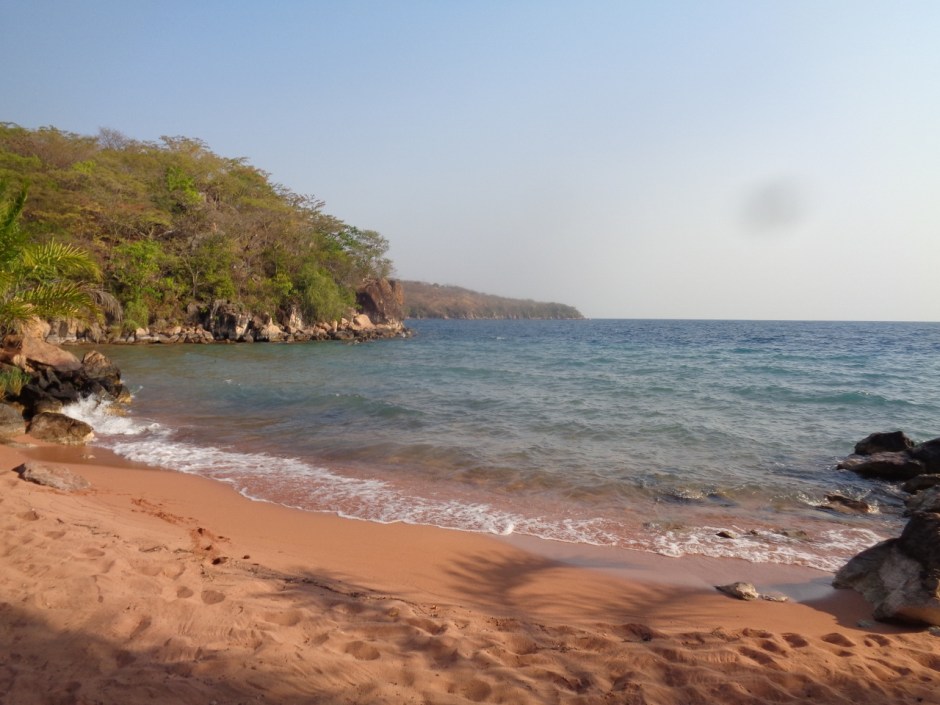
Superlatives fill the lake as l dive into the dazzling blue warm waters Lake Tanganyika. It is Africa’s longest and deepest lake – a veritable African Great Lake in the Albertine Rift, the western arm of the Great Rift Valley. It is also the world’s longest freshwater lake stretching 675 kilometers and holds 18 per cent of the world’s fresh water.
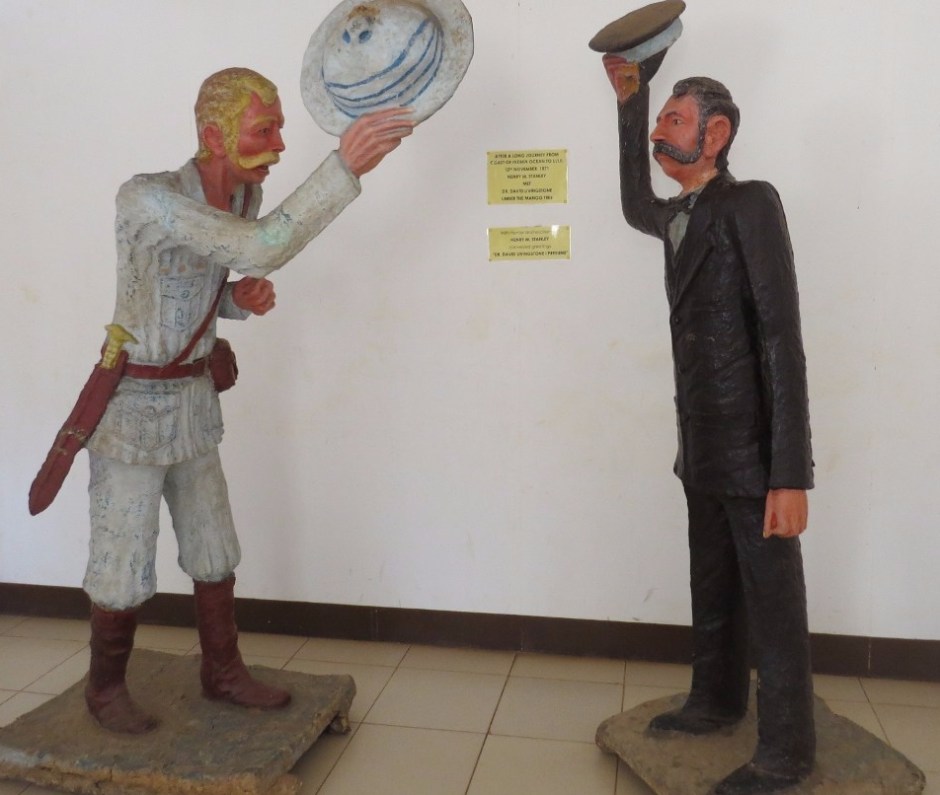
Above: “Dr Livingstone, L presume?” The epic soundbite delivered by Henry Morten Stanley (l) to Dr David Livingstone(r) on 10 November 1871
Copyright Rupi Mangat
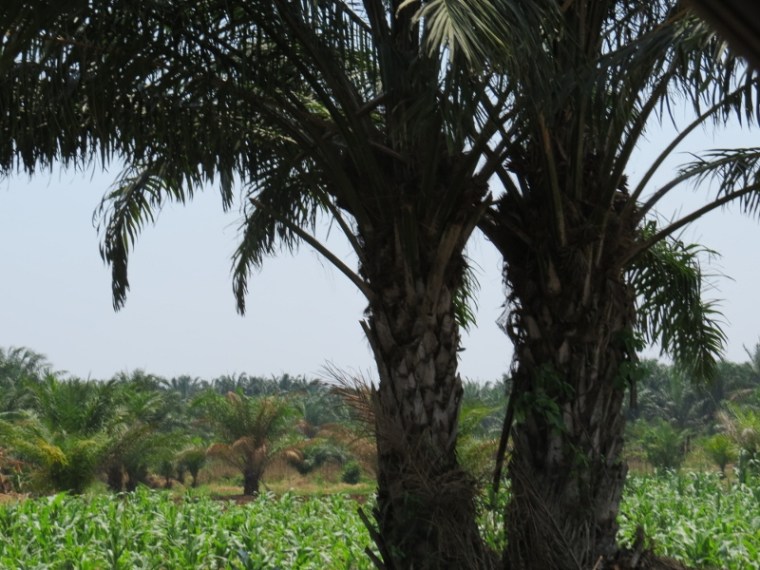
Along the East African coast of Tanzania – the sturdy palm oil tree – an important economic oil plant Copyright Rupi Mangat.
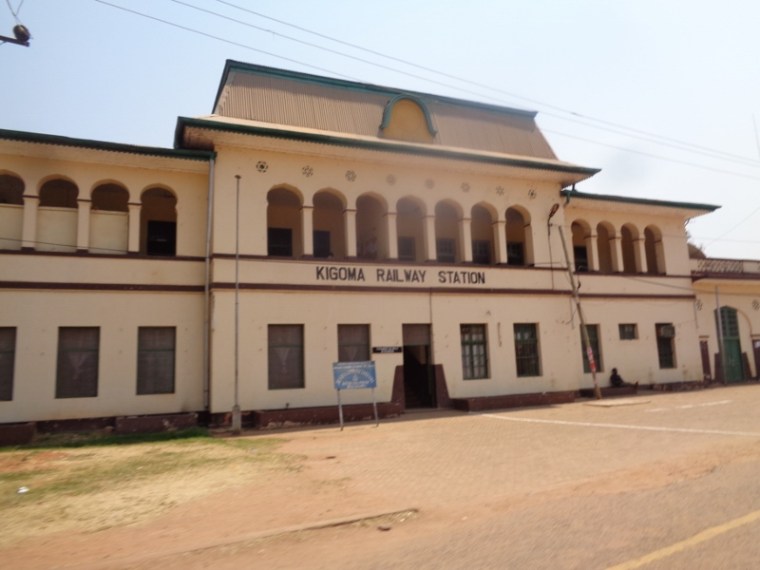
We’re driving through a narrow cobbled street, ten kilometers south of Kigoma to reach the historic village of Ujiji a few meters from the shores of Lake Tanganyike. The road is lined with simple single-storeyed houses fitted with tin roofs – like the old Arab-Swahili settlements along the East African coast and sturdy palm oil trees – an important economic tree.
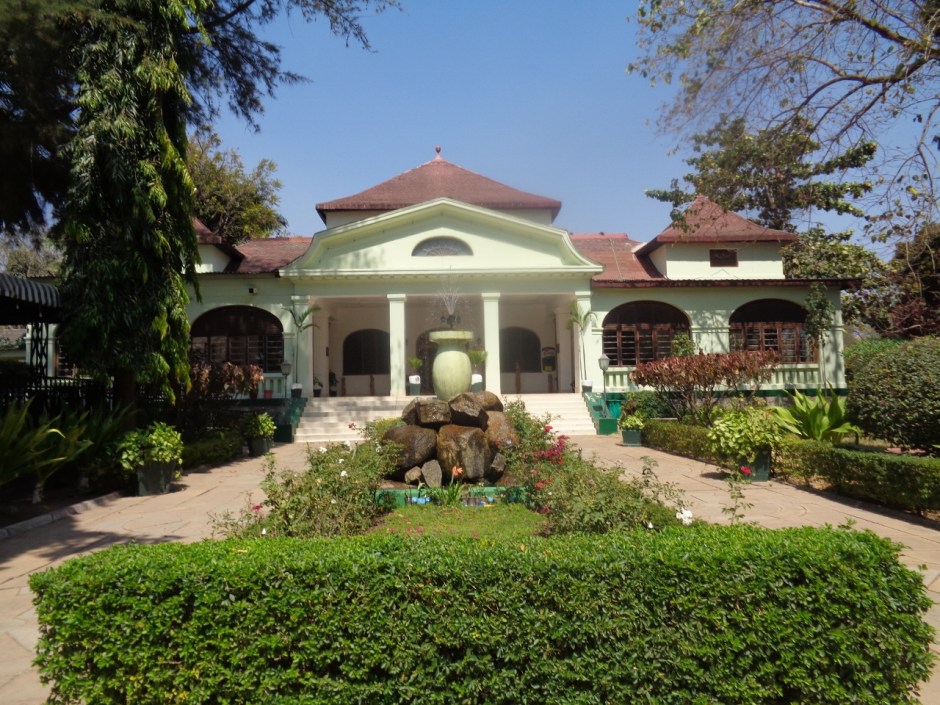
Above:The century-old Orion Tabora Hotel Copyright Rupi Mangat
The half-way town from Arusha to Kigoma
Published Nation media Saturday magazine 4 November 2017
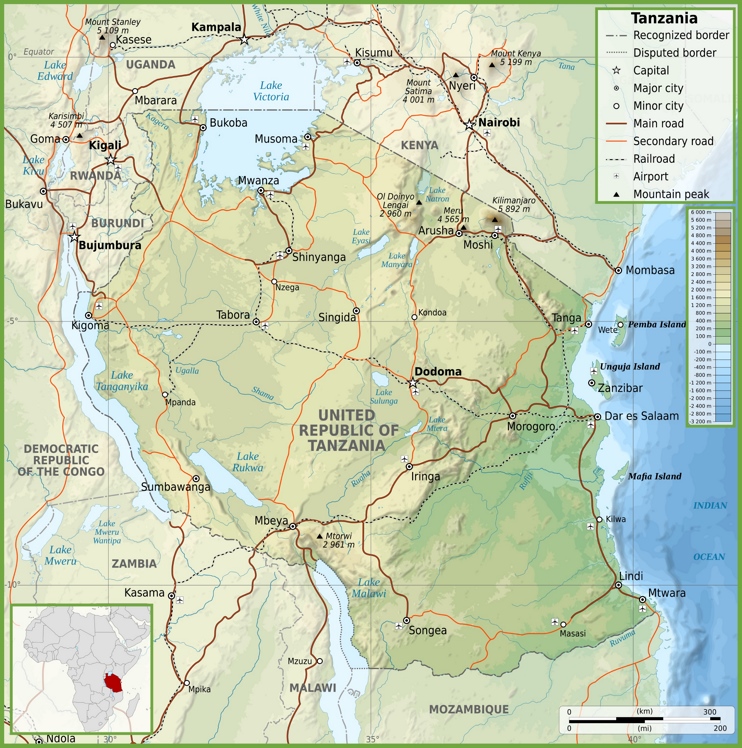
Road map of Tanzania – trace our journey from Nairobi via Arusha to Tabora and then L.Tanganyika
650 kilometers west of Arusha, we’re in Tabora
It has long intrigued me. David Livingstone and Henry Morton Stanley, the hard-wired calculating American (but British-born) journalist spent five months in 1872 at Kazeh near Tabora after the epic meeting in Ujiji on the shores of Lake Tanganyika – with Stanley’s famous quote ‘Dr Livingstone, l presume’.
PublishedSaturday magazine Nation newspaper 21 October 2017
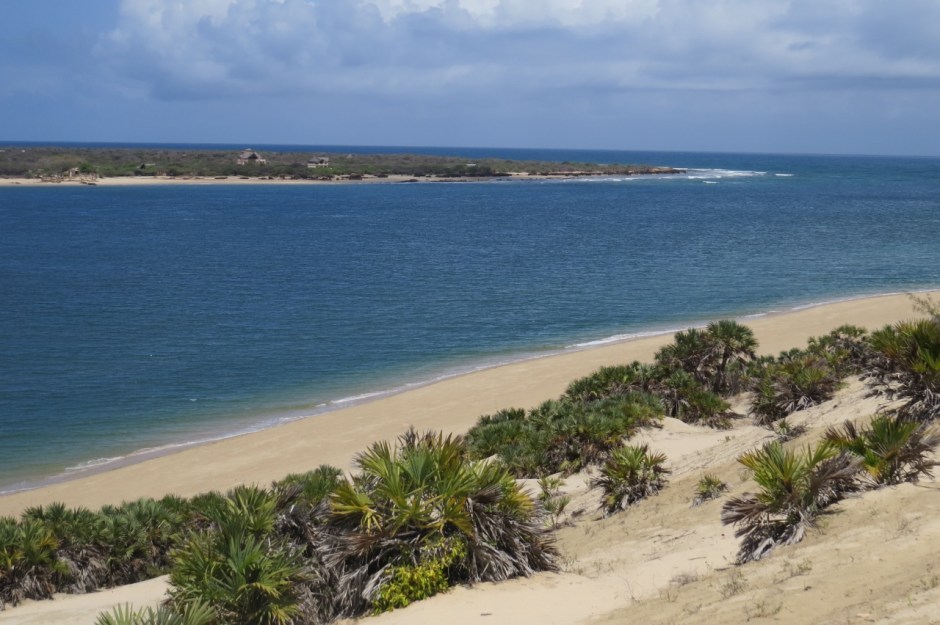
Above: Sand dunes of Shela looking across at Manda Island – Copyright Rupi Mangat
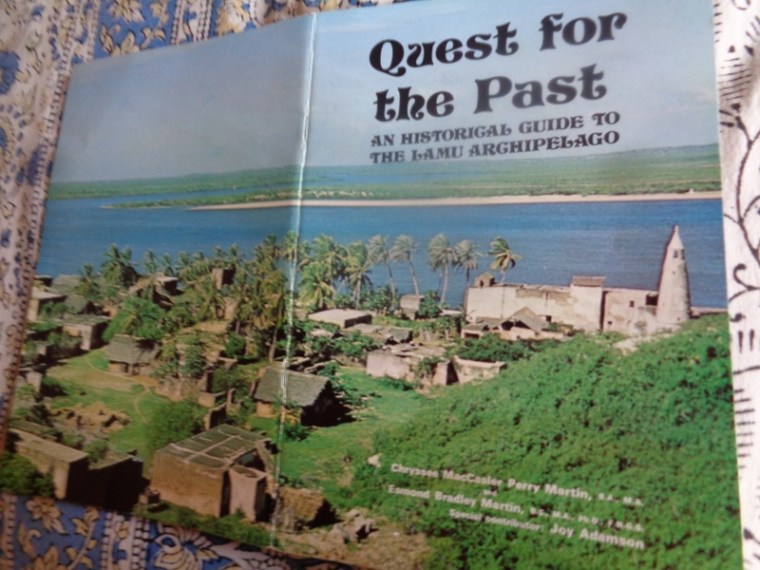
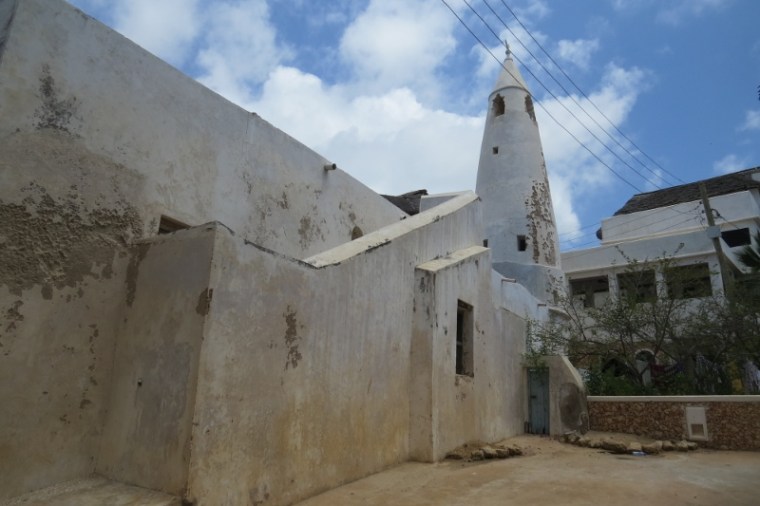
1960s picture of Shela with the 1829 Friday mosque so prominent – featured on the booklet on Shela ‘Quest for the Past’ an historical guide to Lamu archipelago by Chrysee MacCasler Perry Martin and Esmond Bradley Martin published in 1969.The 1829 Friday mosque in Shela today – notice the electricity power lines above that are nowhere in the 1960s picture. Copyright Rupi Mangat
Shela was Lamu’s (town) poorer cousin. Set on the same island of Lamu, l’m reading an interesting account of Shela in ‘Quest for the Past’ an historical guide to Lamu archipelago by Chrysee MacCasler Perry Martin and Esmond Bradley Martin published in 1969. The sultan of Pate sacked Kitau on Manda island in mid-14th century and the people fled to Lamu town as refugees. 200 years later, they asked the Sheikh of Lamu if they could build their own town. He agreed but on condition that no stone building was to be built in Shela.
 Moonlion Safaris