Part 1 of 3
Published Saturday magazine, Nation newspaper 20 May 2017
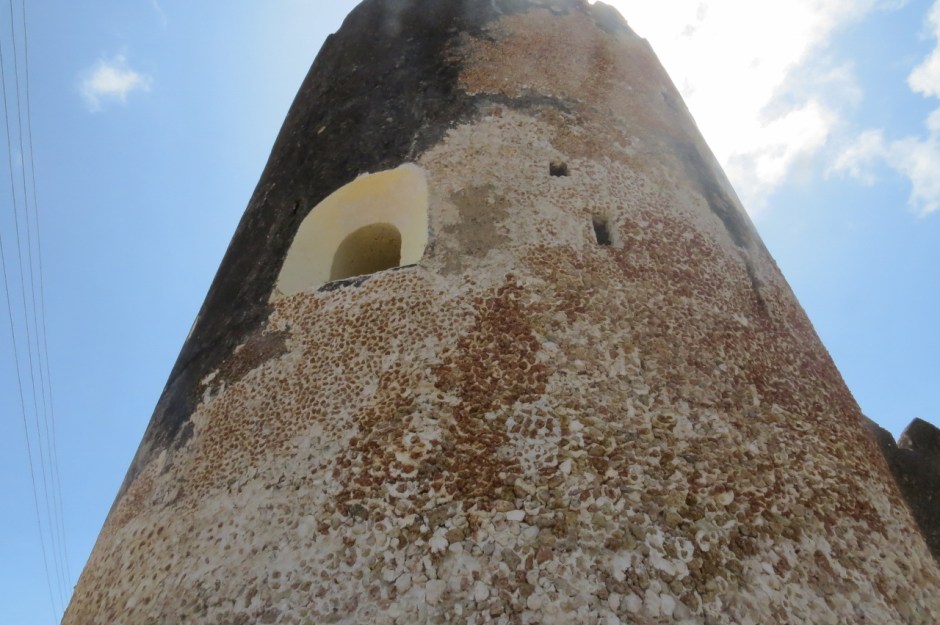
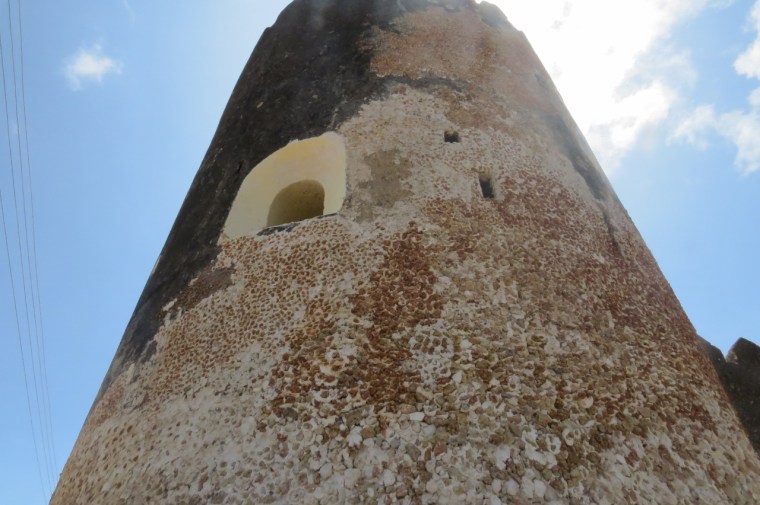
Above: Siyu Fort – the only fort known to have been built by the locals under the thriving sultanate of Bwana Mataka bin Oman Famau in the 19th century – Pate Island. Copyright: Maya Mangat
It’s neap tide.
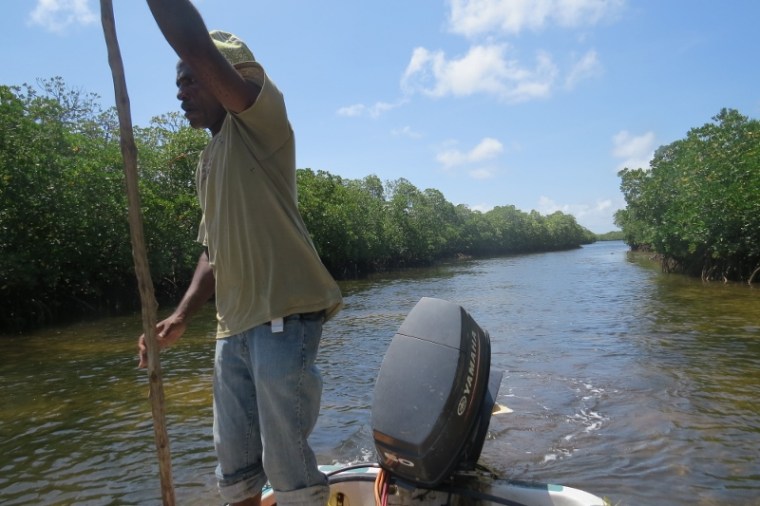
Captain Lalli of Kenya Wildlife Service, with whom l sailed five years ago to Kiunga Marine National Reserve is at the Lamu pier in his speedboat christened, Pweza for octopus. As the crow flies or the turtle swims, it’s a distance of 50 kilometers northwards. The 270 square-kilometer marine reserve borders the south side of Somalia.
The plan is to stop at the isle of Pate – the largest in the Lamu archipelago to see the recently restored Siyu Fort and more.
It’s a beautiful morning with a blazing sun shining on the deep blue waters of the Indian Ocean. Captain Lalli eases the boat though the dredged Kililana Channal between mainland Africa and Manda island. Towering cranes and gigantic Chinese ships come into sight at the new Lamu Port being built. It’s a veritable industrial area popping out of the sea – where five years ago it was pristine mangrove forest.
In the sweltering heat, two hours later, we reach the hidden inlet into Siyu. The tide is going out, our Captain hops off and carefully pulls the boat over sharp coral rag to the impressive fort with tall turrets where guards were positioned to watch out for the enemy – the Omani Arabs and the Portuguese.
Siyu Fort is the only fort known to have been built by the locals under the thriving sultanate of Bwana Mataka bin Oman Famau in the 19th century.
The local guide materializes, unlocks the padlock on the flimsy wire fence and begins his narration of the battles fought. Past the rumbling mosque of coral and up the steps to the high turrets he points to a patch left un-plastered where a sentry might have whiled away time etching dhows on it.
Siyu is thought to have sprung up in the 13th century. In the 15th century, the Chinese sailor Zheng He sailed to it and passed by Malindi where the Sultan presented him with a giraffe to take to the emperor. When they landed in China, the Chinese were astounded for never had they seen such a creature. Zheng He even dedicated a poem to the giraffe.
Local lore had it that his ‘junk’ (Chinese ship) sunk here in 1415 and the survivors settled in Siyu. They married the Siyu women – something proven by recent DNA testing on the locals and from archaeological digs. Another one is of Indians shipwrecked here around the same time – and the carved wooden doors of Siyu feature the same features from northern India.
By the 17th century Siyu was the largest and most powerful town on the island and even crushed Sultan Seyyid Said’s army of 2000 soldiers in the great battle of 1844-1845. But the wily old Sultan who had moved his capital from Oman to Zanzibar in 1840 persisted and Siyu finally came under Zanzibar.
The plan to walk through the village that is famed for its magnificent – but crumbling tombs and mosques is abandoned for the tide is really low and unless we want to stay the night, we must leave and opt to return another time.
The midday gets hotter. A faster speedboat flies past us. It’s laden with bales of miraa to Somalia. A fishing dhow sits on the water and the Bajuni fishermen show us the catch of the day – lobster and sea cucumbers with one still spurting a stream of water out of its mouth. It’s a strange creature – shaped like a cucumber – and a delicacy in many cultures. Without this strange creature the oceans would be filthier for they feed on the organic detritus lying on the ocean floor.
The fishers on the dhow have been out for hours. Skinny youths surface with snorkels in their mouths, diving for lobster and other marine animals. In Kenyan waters, local fishers can only harvest lobsters that are the size of a dinner plate and catch only what they can as long as they can hold their breath – it’s a way to control over-harvesting of lobsters by fishers wearing scuba-diving gear and wiping everything off the corals.
It’s heart breaking when they ask for ‘maji’ to drink. Our supplies are short and the journey long. Even money at this point has no meaning.
Sail to Siyu
It’s expensive sailing with hired boats but worth it – can cost anything upwards Ksh 10,000 but if you share the cost it’s cheaper. Sailing in a local dhow is a few hundred shillings and if you’re lucky and the wind blowing the right direction it can take anywhere from three hours up.
Contact National Museums of Kenya (www.museums.or.ke) and Kenya Wildlife Service (www.kws.go.ke) for advice. You can make it a bigger sail all the way to Kiunga Marine National Reserve and camp or stay at the guest house – carry food and water – although you can eat local too.
The heat can be killing – so be prepared.
If you love history, crumbling ruins and water – this is the place – don’t rush your visit – there are inexpensive guest houses to stay at – it’s for the intrepid.
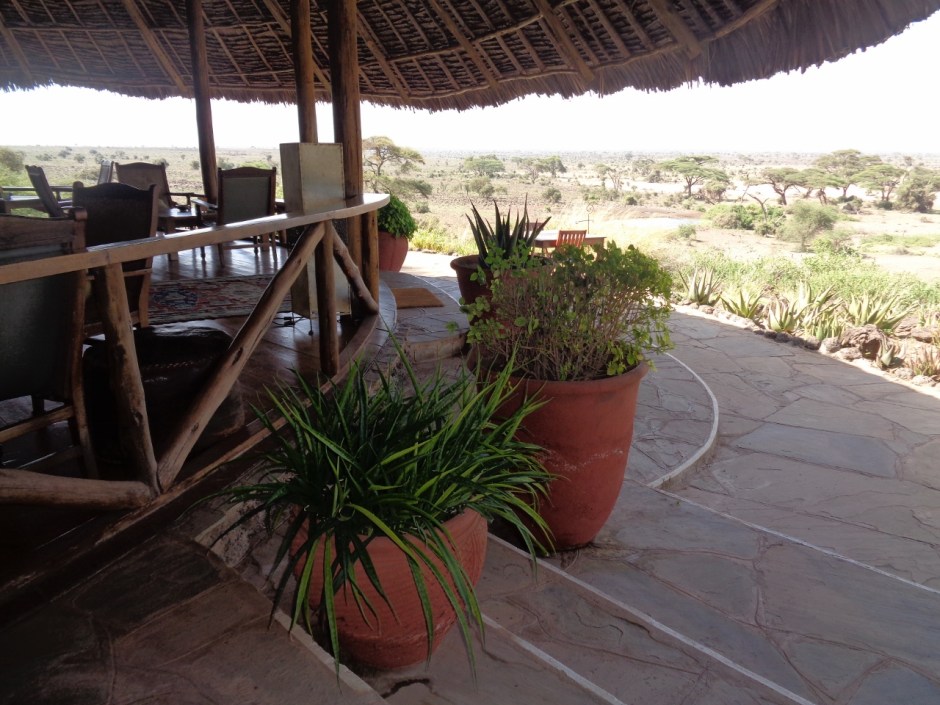
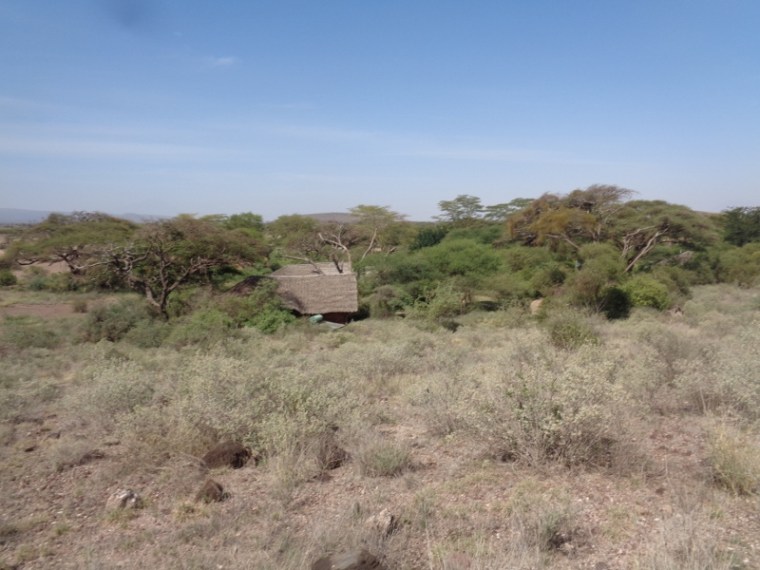 Twenty-two years ago l landed at Tortilis Camp bordering Amboseli National Park and l was enchanted – a tiny camp, beautifully built in a grove of equally beautiful thorn trees that looked like they had been sculpted to adorn the camp.


 Moonlion Safaris