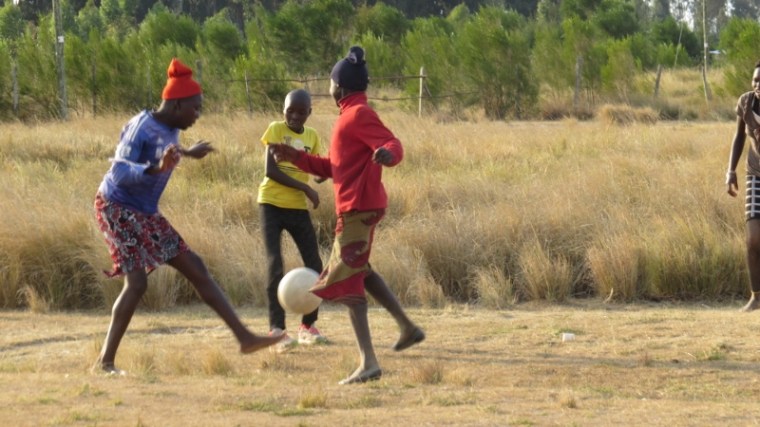
I have little fingers running through my hair sitting by Lake Ol Bolossat in central Kenya. First it’s the girls returning from school who are surprised to see me standing in the field near their village. A smile and a ‘hi’ gets them closer. After a few minutes of checking me out, they open up with questions like ‘what is your name?’, ‘where are you from?’ They find it strange when l reply l’m Kenyan. “But you are not black,” says one.
Korongo girls’ fotball team at Lake Ol Bolossat Copyright Rupi Mangat
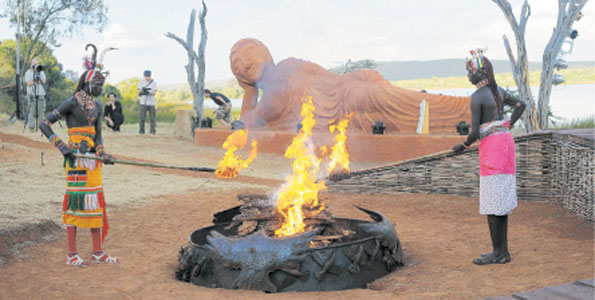
Above: Njemps tribesmen light a ceremonial fire in front of a statue of Buddha at Laikipia Nature Conservancy
From the archives 2007 March
Our Earth, the only living planet in the galaxy of millions has never received so much attention as it is now. That it is in dire straits goes without saying. Climate change and global warming are the topics of debate amongst the environmentalists, industrialists, scientists, artists and anyone concerned about our welfare on Earth. It is after all, like l said, the only planet supporting life.
On the edge of the Great Rift Valley, the cradle of human kind, is Ol Ari Nyiro, Laikipia Nature Conservancy, a 100,000-acre of wild country full of gorges and canyons, bush and arid land, water filled dams to support the last of the wild. The Conservancy has been described as ‘the most botaniocally diverse non-forested area in East Africa’ (TP Young 1989). It is home to an indigenous population of black rhinos where Kuki Gallmann established the first rhino sanctuary in Kenya when poachers had almost wiped out more than 95% of the country’s black rhino population by the early 1990s. It is also home to most of the African plethora of wildlife from lions and elephants to the tiny dung beetle and migratory birds like the Ethiopian swallows.Continue reading “Earth – Healing The Rift: A Musical Performance For The Earth”→
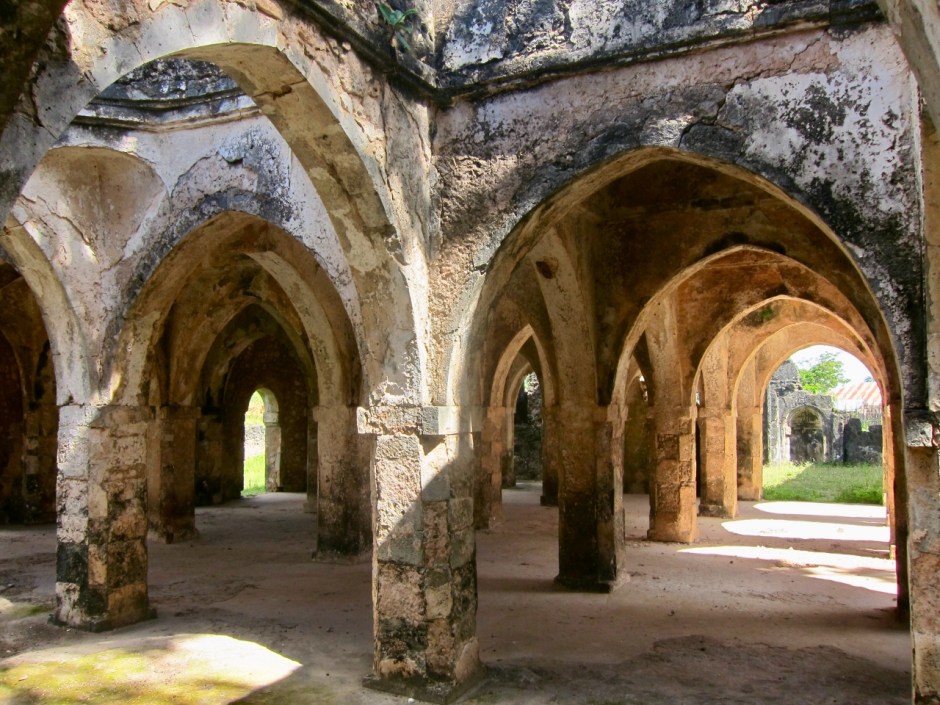
Above: The prayers room inside the extension of the great mosque of Kilwa at Kilwa Kisiwani. It was build as part of the first arabic settlement and nowadays an UNESCO World Heritage Site. Credit Robin Chew
Lying idyllic on the magical blue waters of the Indian Ocean, the tiny island kingdom of Kilwa Kisiwani was once upon a time, rich and grandiose, sophisticated and stunning. It was unrivalled – a tiny paradise sultanate off the African shore. Walking through that great kingdom centuries later, it’s not hard to slip into the sultanate of yesteryears for what’s left of its stunning palaces and mosques, still has the power to sway the idyllic.
Great Mosque of Kilwa Kisiwani 11th to18th century Credit: Richard Mortel
I can see in my mind’s eye, as l stand under the arches of the Great Mosque, now so silent and empty, the great Sultan and his people entering the arched entrance for the Friday prayers. The thick coral walls, high domes supported by the strong pillars and arches and the beautiful carved windows kept the mosque cool for the faithful as the sun blazed merciless outside. The dome, under which l stand, reports the Kilwa Chronicle, is thought to be the first true dome on Africa’s east coast. Even the noted Moroccan scholar and sailor, Ibn Battuta who visited Kilwa in 1331, remarked on the splendor of the dome, which was, until the nineteenth century, the largest dome on the East African coast. With the extension in the 15th century, the Great Mosque of Kilwa, made its mark as the largest covered mosque on the east coast of Africa and taking departure from traditional mosques, it had no courtyard.
With the prayers done, the gentry of the time, robed in silks embroidered in gold, would have strolled out and continued with the trade that brought riches beyond imagination to this tiny jewel on the sea.
This was the Kilwa of yesteryears – rich and prosperous. History dates it from early 4th century when the island was bought by a trader, Ali bin al-Hasan and it prospered as a trading center. Art and architecture flourished, and literature with the Kilwa Chronicle written. Only excerpts remain of the lost chronicle now. By the 12th century, it had become the most powerful city on the East African coast, an island state that was the hub of trade between Africa as far as the south and Asia. Slaves, ivory, iron, gold, and coconuts exchanged for fine silks and cloth from India and porcelain from China.
This was the Shirazi dynasty and lasted until the early 16th century. It was so strong a port for international trade, that it minted its own gold coins for ease of exchange and accounting. Historically, gold coins had been produced centuries earlier in the old dynasty of Aksum in today’s Ethiopia.
In the 14th century, the ruler Sultan al-Hasan ibn Sulaiman had started the construction of Husuni Kubwa, the grand palace and was extending the Great Mosque of Kilwa. In 1502, when the Portuguese, Vasco da Gama who was set to ‘discover’ the sea route to India from Europe, anchored on its shores, he reported to his king about the stunning sultanate with its hundred-room palace.
Time of Decline
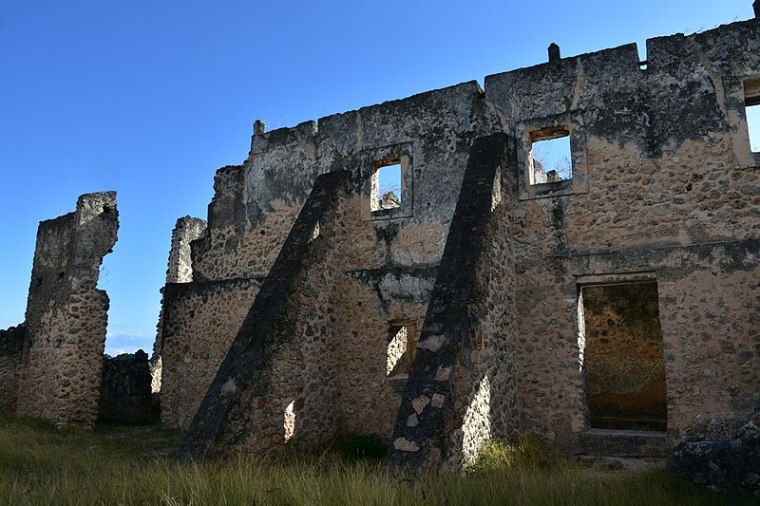
Makutani Palace ruins, Kilwa Kisiwani, built by the Omanis in the 18th century. Credit Richard Mortel
Slowly with the passage of time, the beautiful palaces and mosques fell apart and buried under the shifting sands. These are the ‘gofuni’ as the local inhabitants call them now in Kiswahili, the national lingo of Tanzania. It was not until the mid 1950s that excavation began to reveal the forgotten splendour of the past. Climbing the ruined steps of Husuni Kubwa, the palace that would have housed the noble ladies of the royal house, a carved inlay in the wall catches my eye. The finely sculpted décor on the coral walls speaks volumes of a grand past. Through the windows, the royal women would have let their gaze wander through the green gardens stretching to the sea, shaded by the monumental baobab trees.
But with the traders sailing in from far and wide, including Europe, the islanders were struck by bubonic plague towards the end of the 14th century, and then by the Zimba tribe from the mainland who had cannibalistic tastes. In its weakened state, they were no match for the Portuguese keen to create a stronghold on the East African coast in order to control the trade routes to the East. The Portuguese took control by force and ruled from 1505 to 1512, but were finally disposed off be an Arab.
But in 1598 tragedy struck again.
The cannibalistic Zimba from the mainland took a toll. The Omani rulers of Zanzibar, having established their sultanate in Zanzibar, took control of Kilwa in 1784 but it never regained its splendour and by the 1840s, it was abandoned. In the late 18th century, with the flourishing slave trade, it somewhat made a rebound but once the slave trade was abolished, all trade ceased. With the Scramble for Africa, Kilwa became part of German East Africa from 1886 to 1918.
Ambling in Kilwa Kisiwani
Be prepared for a hot walk. Take a nice wide brimmed hat or shuka. Bottled water is available on the island. If you’re into archaeology, you can spend hours. If not, simply drift into the aura of the past as you walk in and out of the mosques and palaces like the
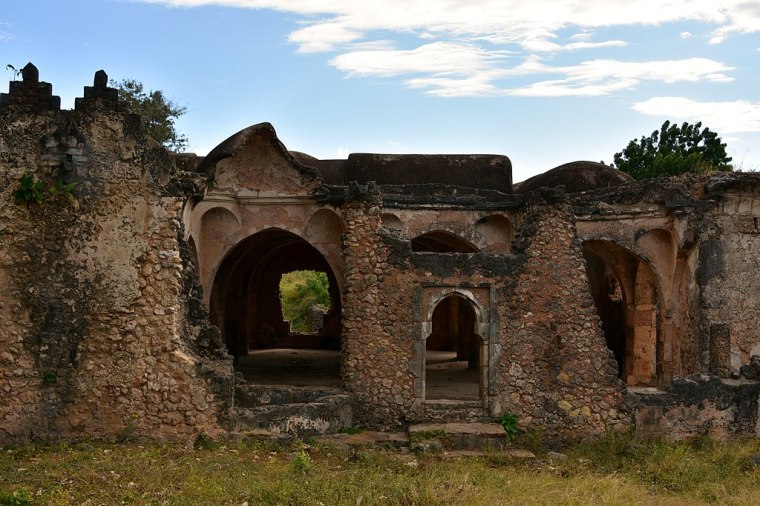
Small domed mosque, a few metres away from the Great Mosque. Built in the mid 15th century, one of the great domes has toppled over. It was modeled after the Great Mosque just like the Jangwani Mosque. Both the 15th century mosques had nine domes.
Step into Husuni Kubwa and Husuni Ndogo, visit the royal tombs of the Sultans, and the imposing Guereza fort, which you see as you sail from mainland Kilwa Masoko. You must buy the permit from Kilwa Masoko at the Antiquity office – but rates can change – however it’s the equivalent of about US$ 2 per person. Guides are available from Kilwa Masoko.
There are local buses (from Ubongo bus station in Dar es Salaam and costs app Tsh 20000 per person) plying the route and clean inexpensive hotels and very up market ones to stay at Kilwa Masoko. Local food is cheap and excellent quality. Take mosquito repellent because of the mossies.
Kilwa Kisiwani and the nearby island of Songo Mnara (two hour sail if the winds are in your favour by a local dau) with their resplendent ruins are World Heritage Sites but also under threat of further destruction from the elements of nature.
Published: The East African Nation magazine 20 April 2019
The fastest growing sector in tourism now is birding. With an estimated eight million American bird watchers looking for new vistas to fly to in search of the feathered kind, East Africa is a top destination. Then there is the rest of the world with a few more million birders.
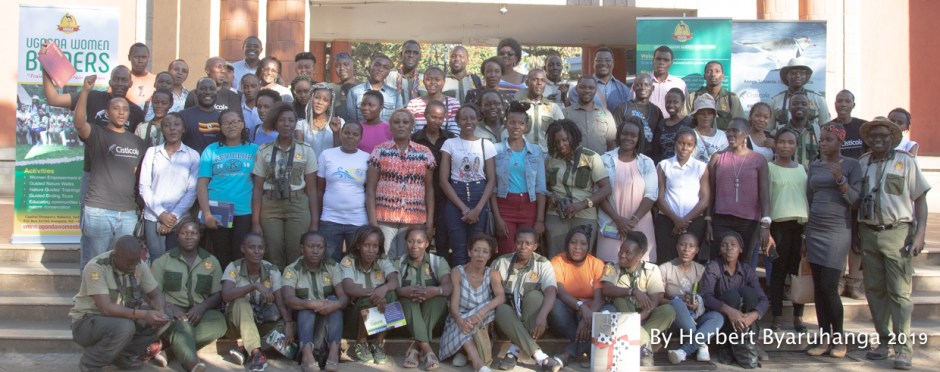
The Rwandans and Ugandans have tapped into this figure and are investing in training guides including women guides. Both countries have their respective chapters: launched Rwanda Women Birders and Uganda Women Birders in 2013 to draw in the other half of the population.
Following hot on the heels is Kenya with the launch of the Kenya Women Birders on 29 March 2019.
“The reason for launching a chapter for women is because despite having really top-rated women birders in Kenya, when it comes to bird guiding, there are very few,” explained Washington Wachira of Cisticola Tours who joined hands with the Uganda Safari Guides Association (USAGA) to kick-start the Kenyan women birders.
“Cisticola Tours will host the Kenya program to train professional bird guides. The plan is to have an East African group of women birders who can lead birding tour groups and research groups.”
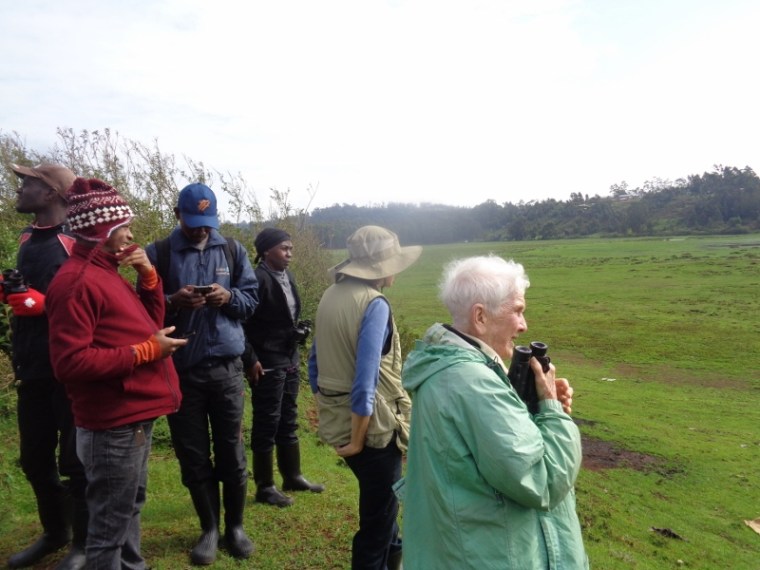
Fleur Ng’weno in green jacket who has started bird walks in Nairobi in February 1971 and still at it – Manguo Swamp March 2018 Copyright Rupi Mangat
Fleur Ng’weno the widely acclaimed top Kenyan woman birder was at the launch and honoured for her work in birding. At 80 she stills leads the bird walks every third Sunday of the month and the weekly Wednesday morning walks she has done since 1971 – 48 years ago. Almost every bird guide in the country has passed through Fleur’s ‘school of birding’.
Opportunities
“There are many opportunities that arise through birding,” quipped Fleur at the launch. “In Kenya, we now have Site Support Groups in many parts of the country.”
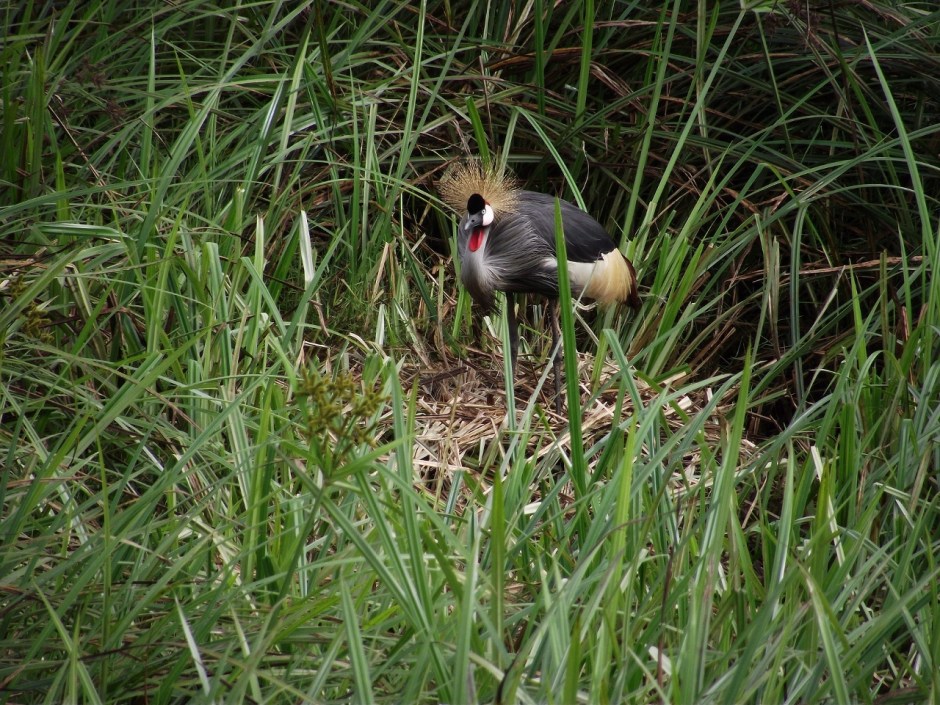
Site Support Groups under the umbrella of Nature Kenya (East African Natural History Society) are a spin-off from the bird walks in Nairobi. The local groups guide visitors and monitor the birds, rare and endemic like the Clarke’s weaver in Kilifi, Papyrus Gonolek along Lake Victoria’s shores and Grey crowned cranes at Lake Ol Bolossat.
“Birders come for many days in search of the birds they want to see,” remarked Herbert Byaruhanga of USAGA. Rare and endemic birds means patience and a stay of more than a night.
In Uganda, women birders now own tour companies, hotels and support community projects. “When you empower a woman, you empower the whole community,” remarked Lilian Kamusiime owner of Kigezi Biota Tours Ltd based in Kabale town which she started in 2013 and is a driver-guide herself. She was once a teacher.
“As a female tourist driver, yes I have encountered difficult moments like when I went to pick up seven clients from Kigali (Rwanda),” continued Kamusiime. “They were not expecting a lady guide – and they were all women from overseas.
“Anyway, it was the best trip ever for the clients. When they flew back, the leader wrote on her facebook for the 2018 International Women’s Day that I was among the best women to celebrate because I did my job as well as any other best male guide.”
Challenges
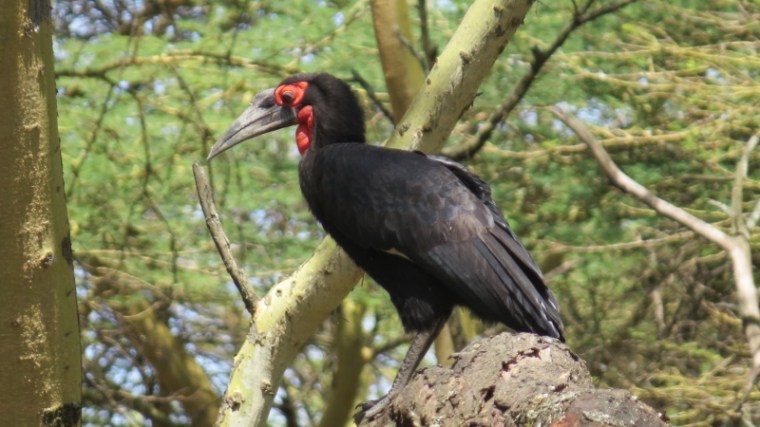
Ground Hornbill rarely seen on a tree at Lake Naivasha KWS ground Copyright Rupi Mangat
But the challenges are there for women. “I’ve had to deal with safari drivers who don’t take women guides seriously,” stated Jennifer Oduori, a protégé of Fleur and amongst the top rated bird guides in Kenya. “But you have to take a stand and show that you know what you are talking about.
“It’s the same in Uganda,” added Kamusiime. “Like most African countries, Uganda is also a male-dominated country and that was a factor why we as women had to unite to form the birders group for professional bird guides.
Research and Policy
Lilac breasted rolller Maasai Mara Copyright Rupi Mangat
African Grey Parrot -Psittacus erithacus timneh-, adult on tree, native to Central Africa and West Africa. Copyright: World Animal Protection
As an invited speaker – despite being really bad at identifying the feathered kinds – l love birding. And as a writer passionate about conservation and the environment, birds are indicators of the state of the environment. Policy makers must partner with researchers and use their data to inform the way forward on sustainable development. For when the last vulture vanishes, the crane crashes and the song bird silences, we know we’ve lost our swamps, forests, grasslands and rivers – the very ecosystems that we humans depend on.
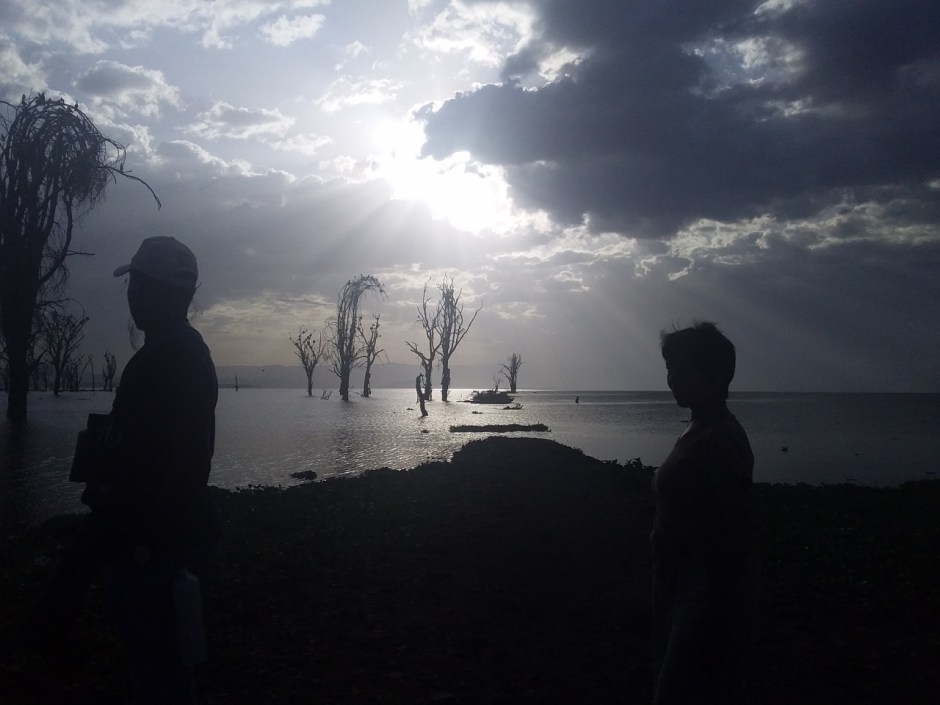
Above: Evening light on shores of Lake Naivasha. Copyright Desire James Wainaina
Published: 20 April 2019
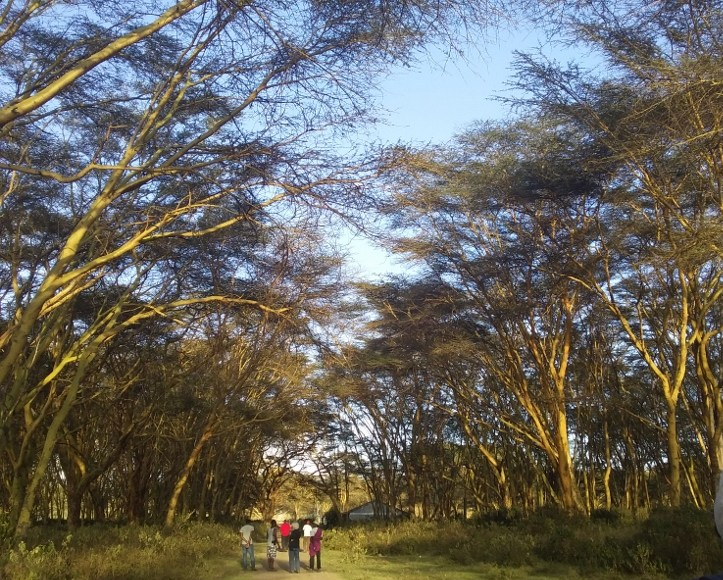
Grey shafts of light stream from the clouds to the lake casting an ethereal glow in the late afternoon. Fishermen stride into the freshwater lake on the floor of the Great Rift Valley. In the cooling day, shy waterbuck emerge from the grove of yellow fever trees nibbling the soft grasses along the swampy shores as dainty jacanas on long skinny legs trod the floating mass of water hyacinth while the cormorants deck the trees ready to settle for the night.
A walk in the yellow barked acacia forest at Lake Naivasha by the KWS ground. Copyright Desire James Wainaina


 Moonlion Safaris