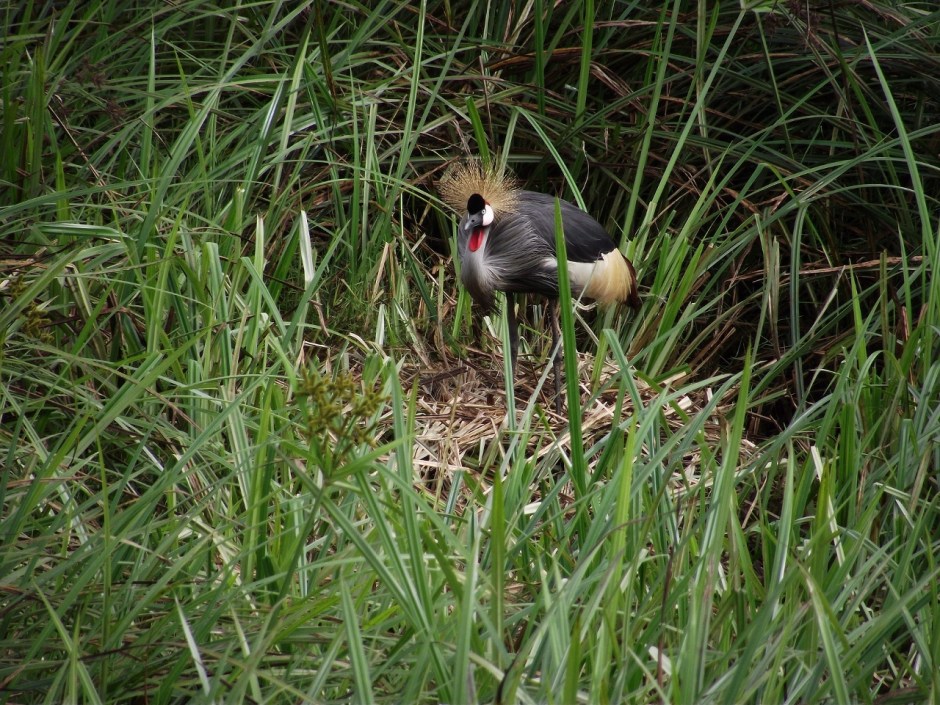
Above: Grey Crowned Crane on its nest Copyright: International Crane Foundation / Endangered Wildlife Trust Partnership
The only big lake in central Kenya is one of the last strong hold of the gorgeous Grey Crowned Crane
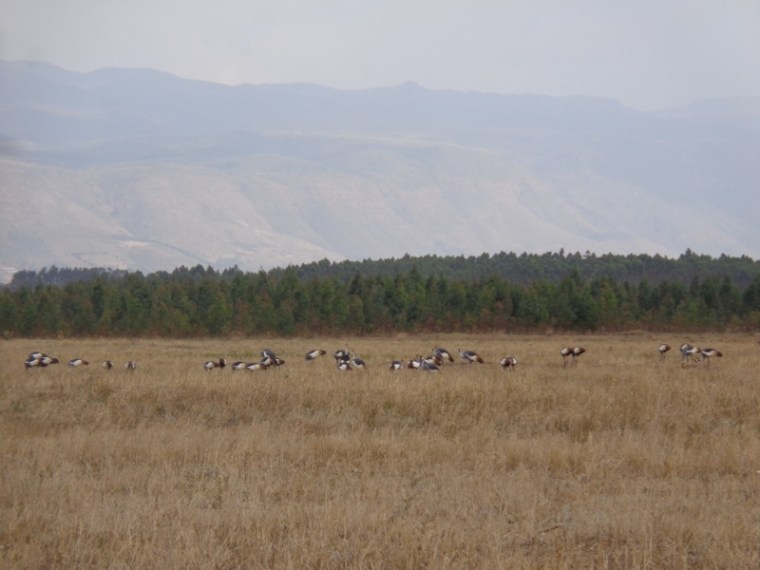
Flock of Grey crowned cranes by Lake Ol Bolossat in the shadows of the Aberdares in central Kenya Copyright Rupi Mangat
It’s busy, busy, busy with 500 Grey Crowned Cranes in front of us pecking for grains on the recently harvested wheat field by the shores of Lake Ol Bolossat stretched in the shadows of the Aberdares.
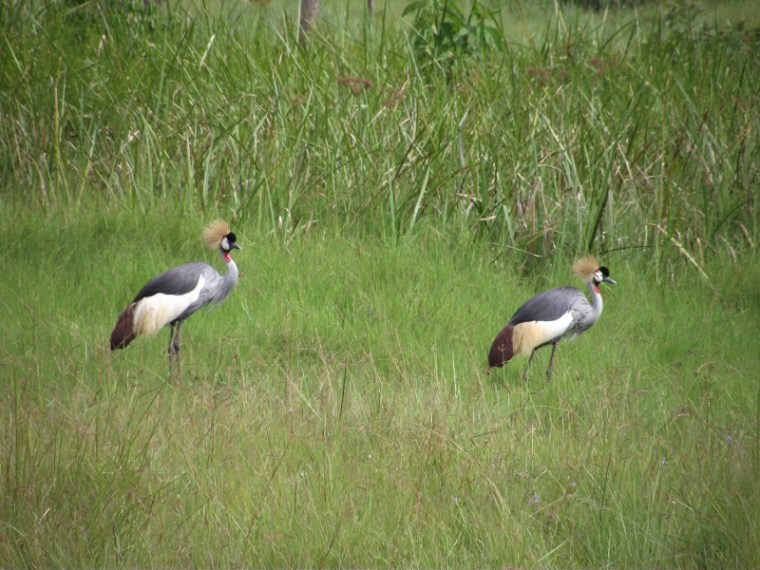
Grey Crowned Cranes pair for life Courtesy: International Crane Foundation / Endangered Wildlife Trust Partnership
“The Grey Crowned cranes are here all the time,” tells George Ndung’u, founder of the Nyahururu Bird Club, Olbolossat Biodiversity Conservation Group and of recent, the Crane Conservation Volunteers.
In Kenya’s Northern rangelands it’s home to amazing wildlife
Published Saturday magazine, Nation newspaper 10 June 2017
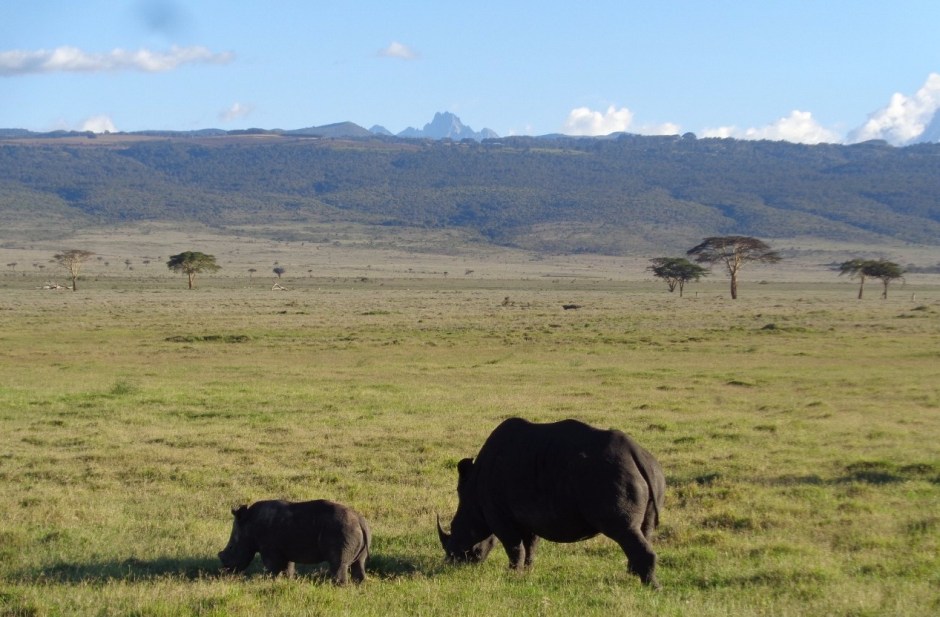
Above: Southrern white rhino female and her calf at Lewa Conservancy with Mount Kenya as a backdrop – Copyright Rupi Mangat
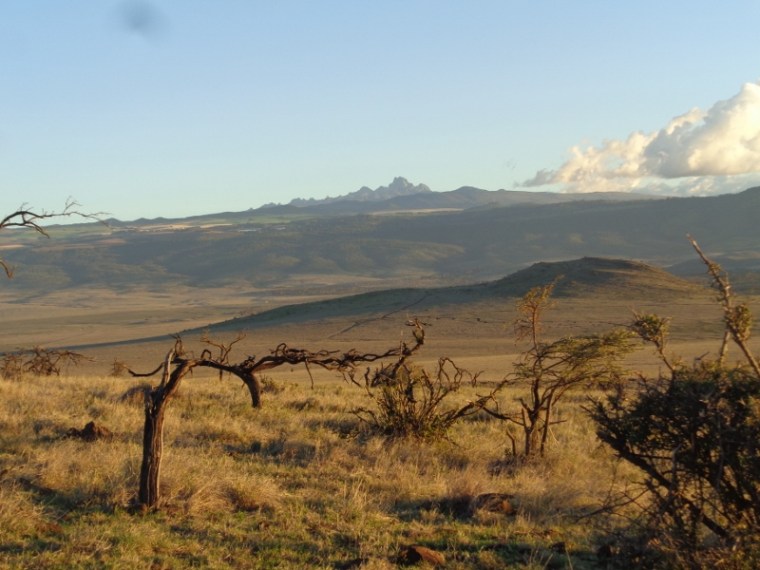
From the high peaks of Mount Kenya to the plains at Lewa -copyright Rupi Mangat
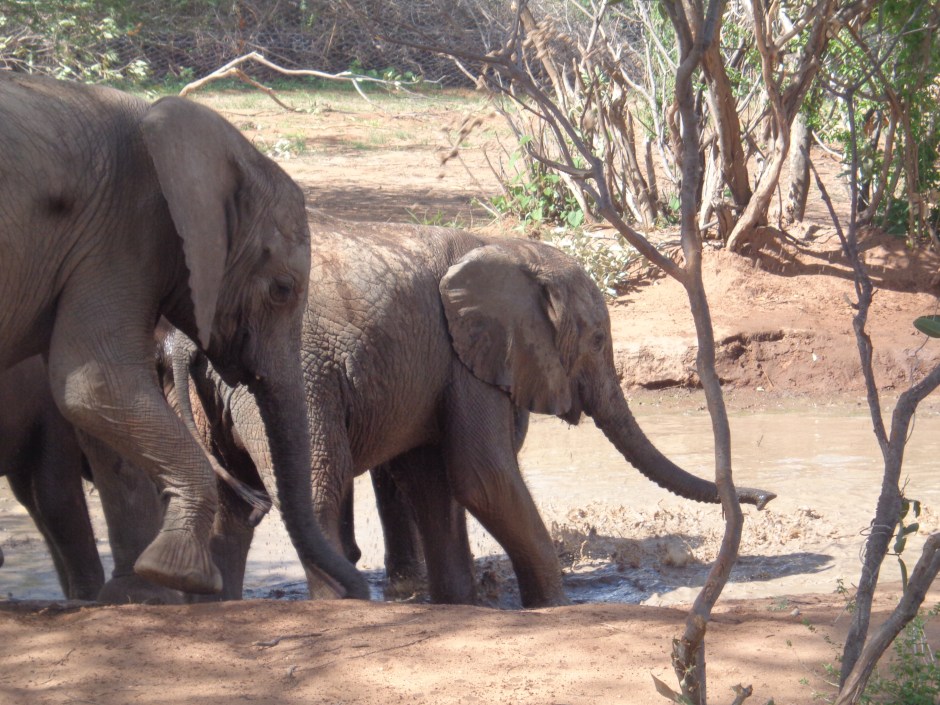
From the high slopes of Mount Kenya, the northern rangelands fill the horizon with massif peaks and plains. Driving over the under pass on the main road before turning in to Lewa and Isiolo, elephants walk through it safely migrating between the low arid plains of the north and the high slopes of Mount Kenya.
Published 3 June 2017 Saturday magazine Nation media
It’s a dream world.
We sail past a forest of the tallest mangrove trees that l’ve ever seen. Sparkling white sand bars appear in the low tide. It’s an endless blue planet from where we are when suddenly a dolphin slips in and out – too far to tell what species it is.
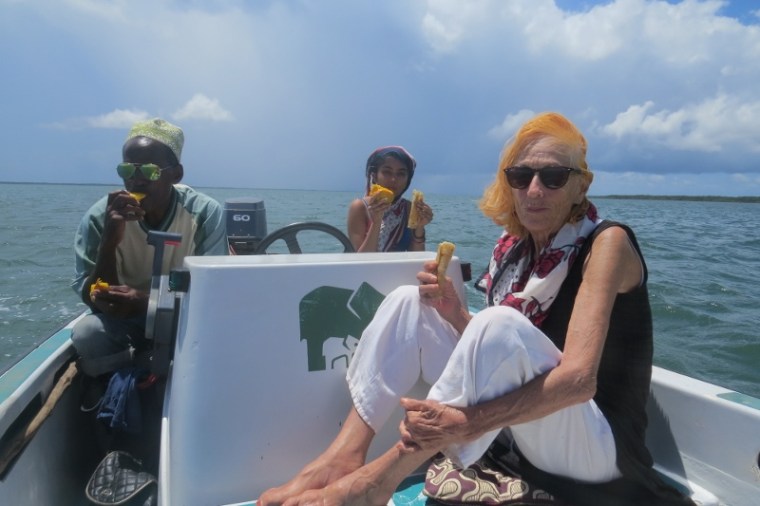
Captain Lalli, of Kenya Wildlife Service Maya Mangat and Kiki Aarts of Subira House Lamu – picnic at sea sailing to Pate island Copyright Maya Mangat
Towards midday Captain Lalli stops to refuel the tank and produces delicious, juicy mangoes – an impromptu picnic on the ocean.
Sailing on, he points to Faza, then Ndau – once powerful and independent sultanates on the island of Pate. We pass a Kenya Navy patrol dinghy and then get off at Mtangawanda, a tiny ‘port’ so named because it has black sand on its shores.
Landing at Mwangawanda (the place of black soil) to catch matatu to Pate village on Pate island Copyright Maya Mangat
Sailing through a storm on Indian Ocean to Pate island Copyright Maya Mangat
Fisherman on Pate island Copyright Rupi Mangat
Fresh catch of the day on Pate island Copyright Maya Mangat
Fresh catch of the day on Pate island Copyright Maya Mangat
Safaricom Marathoners support Kenya’s rugged northern-scape
Published In The East African,Nation media 20-26 May 2017
The iconic loaf-shaped mountain Ololokwe, and the Warges of the Mathews Range behind – a high peak at 8,000 feet high above the plains. Tthe local Samburu call Mathews Range Ol-doinyo Lenkiyieu It stretches 80 kilometers north copyright Rupi Mangat
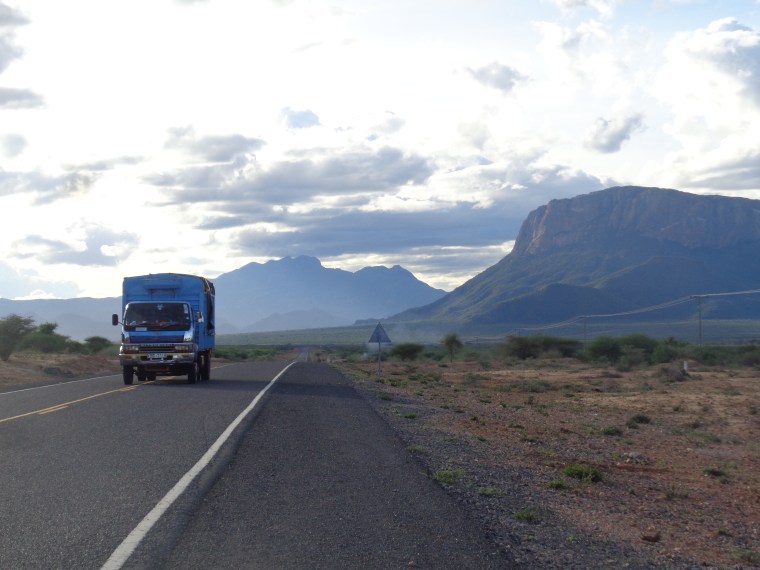
From the high glades of Mount Kenya down to the flatlands of Samburu, past the Ewaso Nyiro River that is the life-lung of the arid lands and the iconic loaf-shaped mountain Ololokwe, a high peak pops 8,000 feet high above the plains. It’s the Warges of the Mathews Range that the local Samburu call Ol-doinyo Lenkiyieu stretching 80 kilometers north.
Kenya’s choice for the worst option for energy – coal
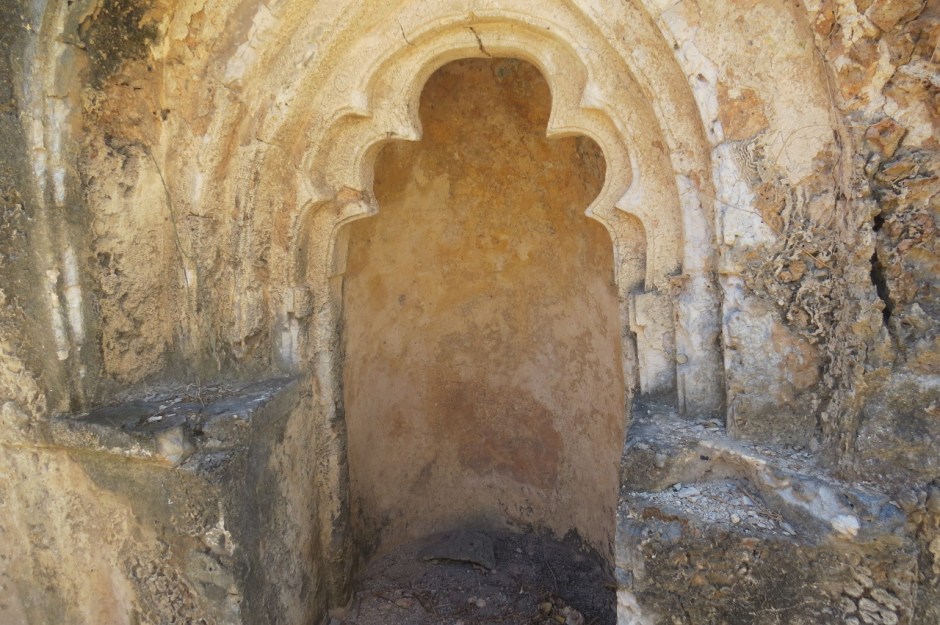
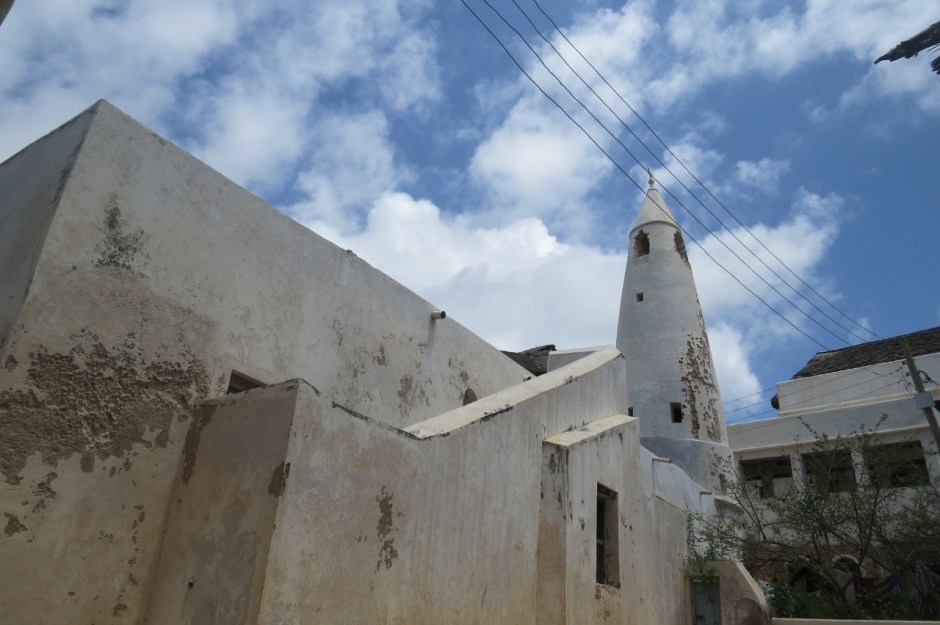
Above: The 19th century Friday Mosque in Shella on Lami Island – copyright Rupi Mangat
Published The East African/Nation media – 12-19 May 2017
It’s a sweltering April afternoon. We’re inside the ‘box’, a term used by the locals in Kwasasi in Lamu county. The ‘box’ is a 900-acre tract of bushland scattered with centuries-old baobab trees and abandoned farms. It’s now marked with cemented beacons.
Fishers meeting at Kwasasi about the proposed coal plant in Lamu – 21 km north of Lamu on the mainlnd – copyright Maya Mangat
Few Kenyans beyond Kwasasi have ever heard of it because it is so remote – yet it is the proposed site for Lamu Coal Plant – something that will irrevocably change the face of the Lamu Archipelago in the Indian Ocean – forever and beyond repair.
Cemented beacon on the ground inside the ‘BOX’ 900 acres for the proposed plant- copyright Rupi Mangat
Inside the ‘BOX’ 900 acres for the proposed plant – deserted now by the community that lived inside it – this is a pen for goats and their droppings colected on the ground are used as manure copyright Rupi Mangat
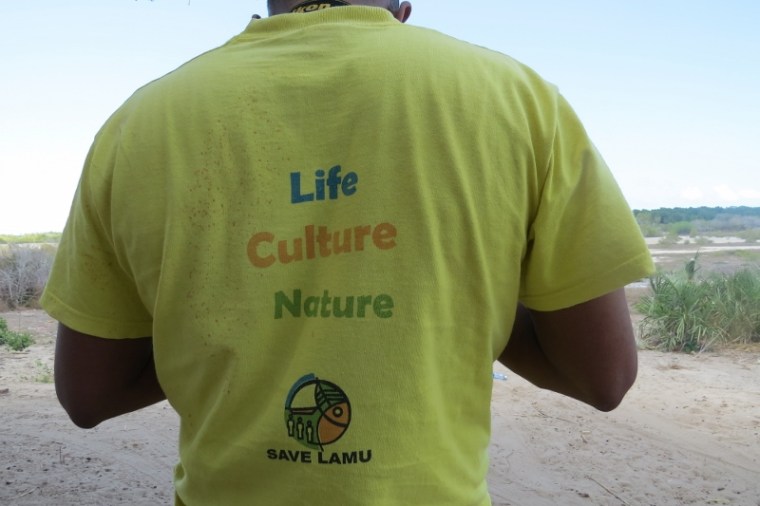
At Kwasasi – Save Lamu – a coalition of more then 36 local Community-based organizations fighting to stop the coal plant – copyright Rupi Mangat
On the right hand side of the murram road, we’re outside the ‘box’ with a community of Bajuni fishers and small-scale farmers meeting with a team from Save Lamu, a CBO registered in 2012.
At Kwasasi – Save Lamu – a coalition of more then 36 local Community-based organizations fighting to stop the coal plant – copyright Rupi Mangat




 Moonlion Safaris