Celebrating her 70th ‘Birthday’ on the Saturday 17th December, 2016
Zebra on the plains of Nairobi National Park Copyright Rupi Mangat
Beautiful sky and savanna of Nairobi National Park Copyright Rupi Mangat
Nairobi National Park will be celebrating her 70th ‘Birthday’ on the Saturday 17th December, 2016.
We will mark this day with a peaceful Save Nairobi National Park/Commemoration Walk From Nyayo Stadium to Bomas of Kenya along Lang’ata Road from 10 a.m. to 1 p.m.
This is a great opportunity for those who have not been able to participate in the peaceful protests we have had during the midweek.
13-year-old Menza Benjamin was picking up cashewnuts on the ground when he felt a burning hot bite on his leg followed by another. He started to vomit and broke out in a cold sweat. Close to his hut he fainted. He never saw the snake.
That was three years ago and he’s lucky to be alive, sitting at the snakebite seminar held in Watamu early November.
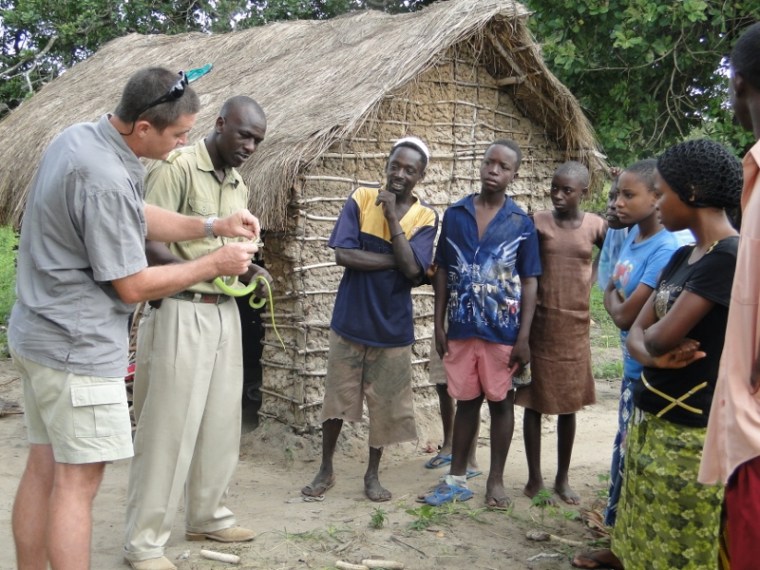
Royjan and Boniface who had been called by these villagers to catch a snake in the roof of one of their huts. It was a green mamba. Royjan and Boniface took some time to talk to them and answer their questions. Picture copyright Royjan Taylor
What saved Menza was the speed with everything that followed. His uncle saw him and immediately put him on a pikipiki and took him 12 kilometers to the Bio-Ken Snake Farm. By the time they reached the snake farm, the boy was already showing rapidly advancing symptoms of black mamba bite. He was rushed by car – along with a supply of suitable antivenom to the local private hospital where he was treated by the hospital’s founder, Dr. Erulu, also present at the seminar.
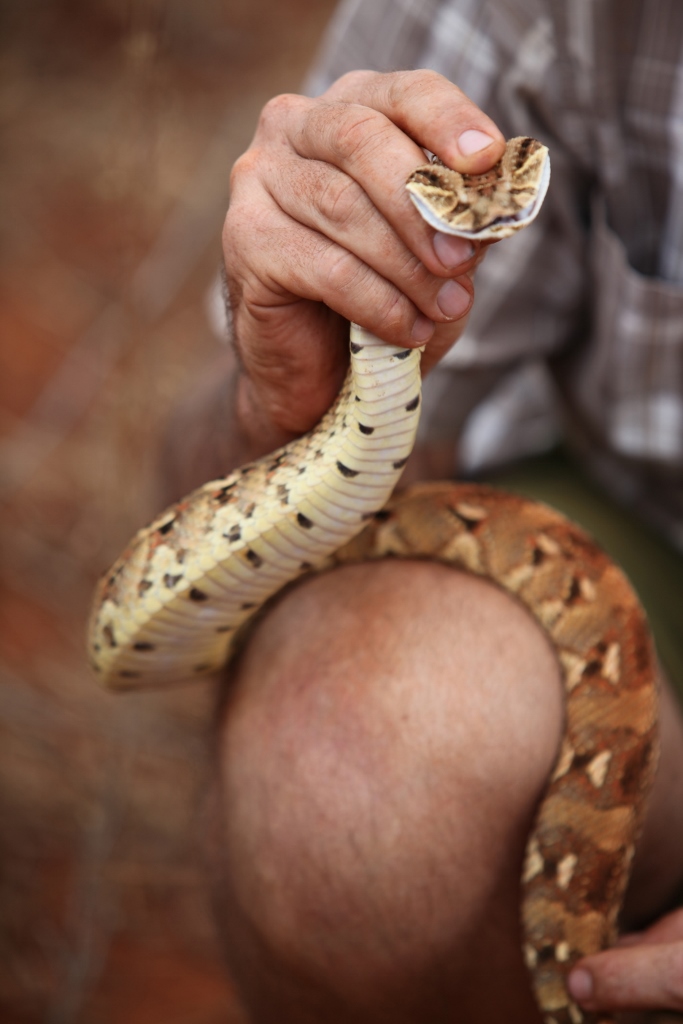
Black mambas are among the fastest and deadliest snakes in the world. A bite requires urgent urgent attention.
Young Menza with Royjan after surving in his Black Mamba bite. Copyright picture: Rojjan Taylor
A young Orma girl who was treated successfully with good Antivenom from a Red Spitting Cobra bite. Picture copyright Royjan Taylor
The young man who recently died in Voi from bad Antivenom.
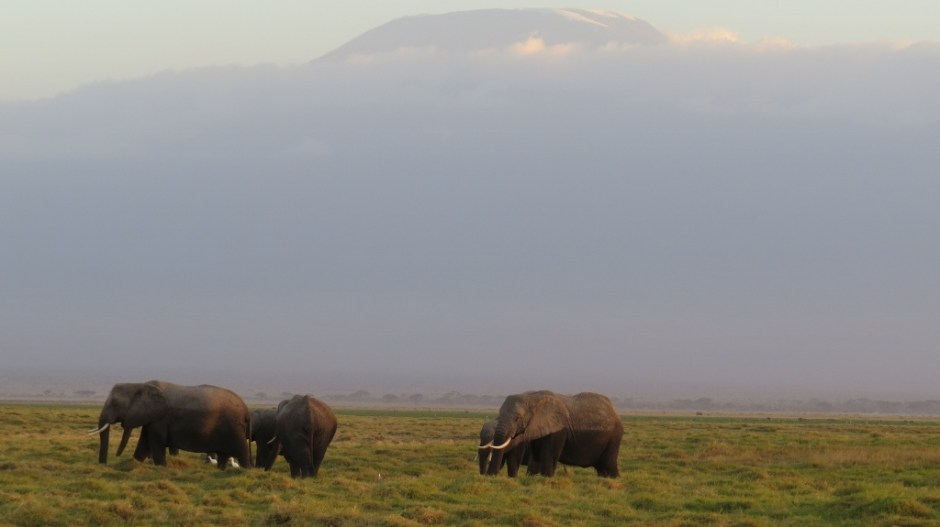
Kilimanjaro is resplendent in the blazing morning sun – but its snow cap’s on the peak of Kibo has melted to a thin teardrop. The Maasai bring their cattle into the park under the watch of the Kenya Wildlife Service rangers. As the skeletal cattle head for the swamps, they raise a halo of dust on the dry plains of Amboseli – derived from Empusel, the Maasai word for dry dusty plains. “There’s no water outside for the cattle,” explains the KWS ranger. “So we allow the community to bring the cattle for a few hours to drink in the swamps.”
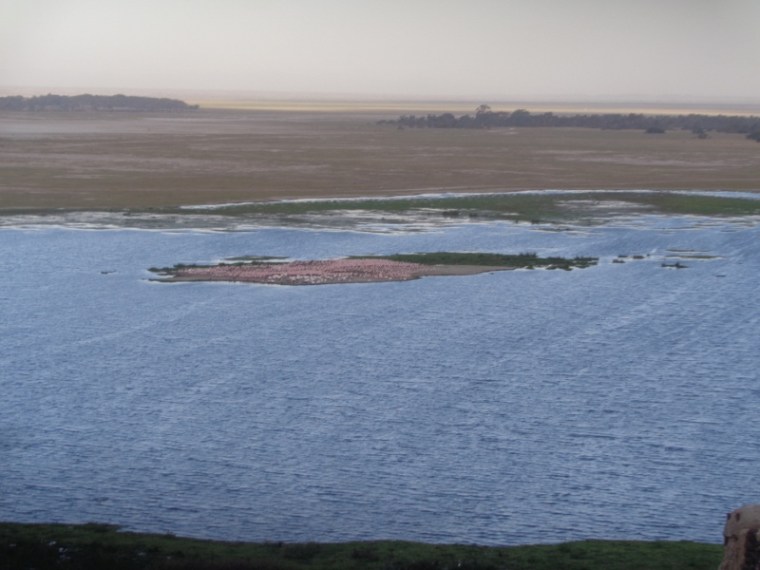
Away from the edge of the park, we’re up on Observation Hill or Noomotio that’s juxtaposed between the lush swamp and the dry-white dust plains under the watchful gaze of Kilimanjaro. It’s surreal for in the midst of the drought-parched land, the deep blue lake has an islet brimming with the beautiful pink bird – the lesser flamingos and flocks of white pelicans.
It’s an exciting game drive in the custom-designed safari cruiser from Ol Tukai Lodge. By the edge of a swamp an enormous Verreaux’s eagle owl with its pink-eyelids so visible through the binoculars is perched on its yellow-bark acacia tree. It is Africa’s largest owl and the only owl with pink eyelids – we’re suitably impressed.
A dry lake bed catches the eye near Iremeto Gate into Amboseli National Park off the Emali Road. On a whim, we decide to take a walk over the small hill to the dry pan that looks similar to the dry Lake Amboseli inside the park in the shadow of Kilimanjaro.
Months-old dry elephant dung near a waterless lake outside Amboseli National Park Copyright Maya Mangat
On the trail of the elephant dung Copyright Maya Mangat
To the dry lake bed outside Amboseli National Park Copyright Maya Mangat








 Moonlion Safaris