Lamu plastic dhow sails to save oceans

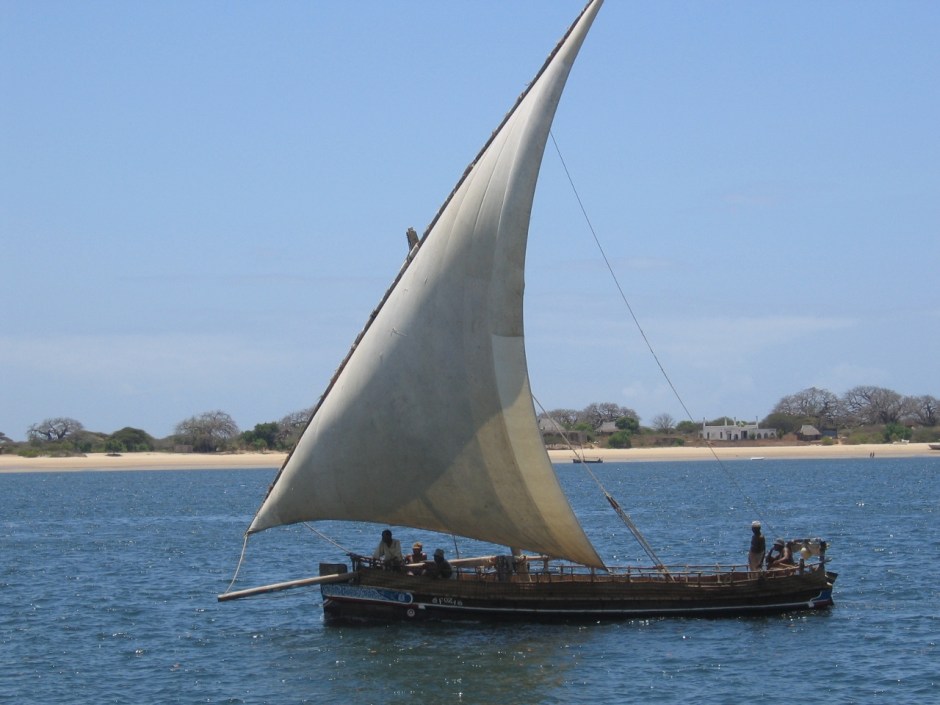
Above: Traditional dhow asail on Lamu seafront. Courtesy Dipesh Pabari

Published in The East African, Nation media 25 February-3 March 2017
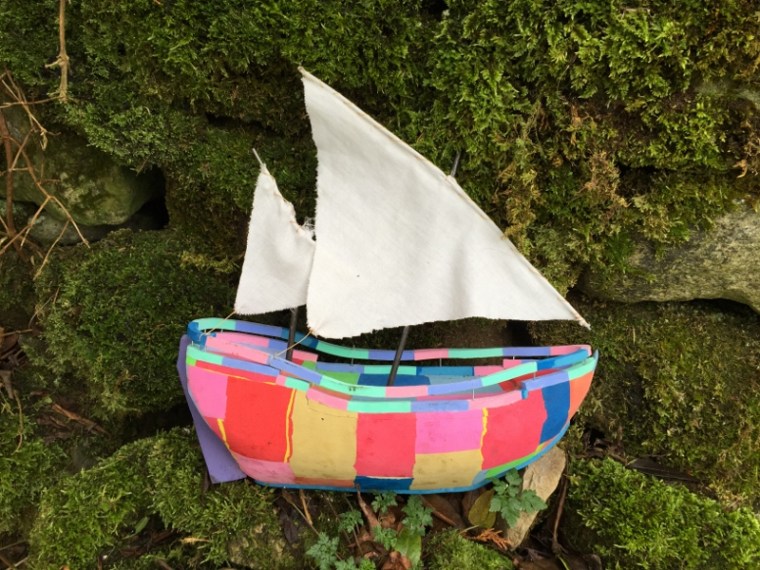
6-model-of-the-flipflop-covered-dhow-800x600
A model og the Plastic dhow that will sail from Lamu in Kenya to Cape Town, South Africa  – the first journey of its kind – Picture courtesy: Dipesh Pabari

A chance meeting of two high school friends puts in motion something the world has never seen – a life-size plastic dhow to sail Lamu to Cape Town with a message – stop dumping plastic in the ocean.

“There’s enough plastic trash in the ocean to make a flotilla,” states Ben Morrison who had an awakening two years ago walking a 10-meter stretch across the beach to the ocean. It was covered in plastic trash. Sailing past were ancient wooden dhows with their lateen sails billowing in the wind that have frequented the east African coast since antiquity.
Continue reading “Lamu plastic dhow sails to save oceans”

Women in a Venomous Field

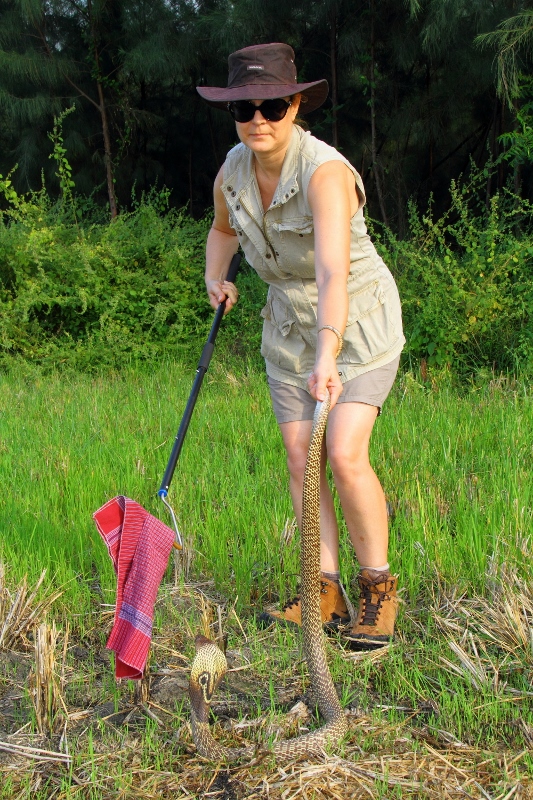
Four amazing women make a career of working with snakes. Attending the tenth international snakebite seminar at Bio-Ken snake farm in Watamu recently, each narrates the path taken.

East African 7-13 Jan 2017

Handling live venomous snakes is an extra-ordinary noble but extremely dangerous profession.

One reason for handling venomous snakes is to milk them – which is the only way to obtain snake venom to produce supplies of anti-venom. Without anti-venom being readily available and administered, a bite from any venomous snake can be deadly. Ironically, anti-venom can only be produced from ample supplies of venom from live venomous snakes. And it takes some dexterity to do that.

Diana Barr

Young and dynamic, Barr’s job as technical support officer at the Australian Venom Research Unit at the University of Melbourne and Global Snakebite Initiative, an Australian non-profit organisation working to reduce snakebite deaths and disability around the world, puts her in very close contact with the most venomous snakes in the world.

Continue reading “Women in a Venomous Field”

The Train and Tuskers of Tsavo

The impact of the SGR on the mega-herbivore in the last of its stronghold – the mighty Tsavo

Published The East African Nation media -31 Dec 2016-6Jan 2017

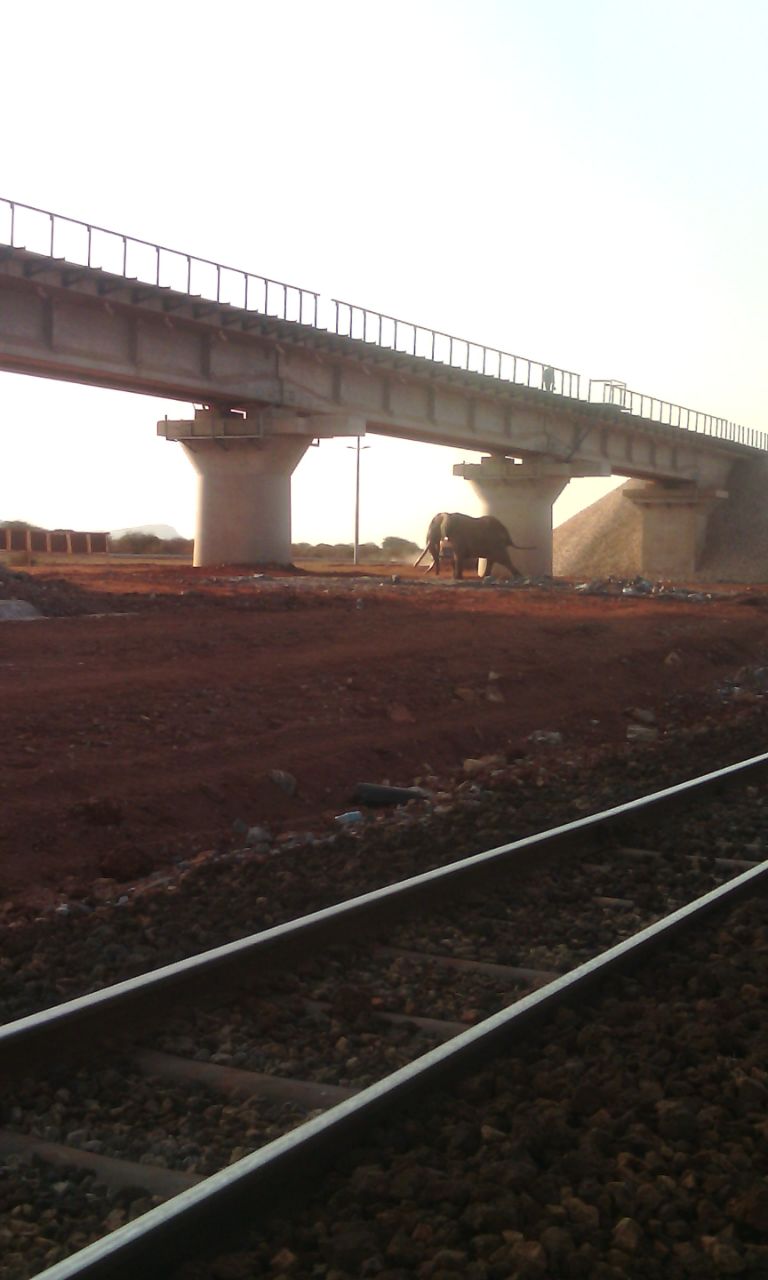
Caption above – Elephant crossing under the bridge of the new SGR crossing point.by Limo Elisha

Under the searing sun of the Tsavo East National Park, a herd of elephants as red as the soil browse near the newly constructed standard gauge railway cutting across the 13,747 square kilometres park.

This section of the railway line near the park’s Manyani Gate is raised on a steep embankment to attain the gradient for the high-speed trains for the SGR. A 70-meter-wide and five-meter-high underpass in the embankment allows the mega herbivore to move to and fro from the adjoining 9,065-square-kilometer Tsavo West National Park – making the two parks the largest protected elephant park.

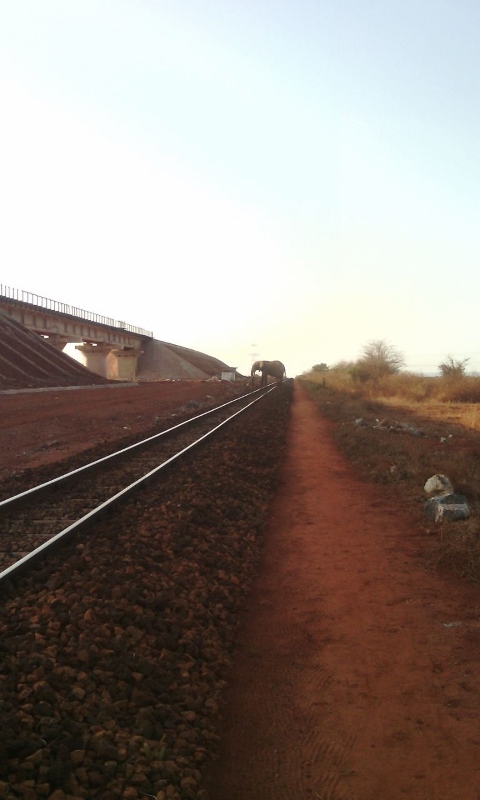
Until this steep embankment of the SGR was built a year ago, the elephants of Tsavo crossed the Nairobi-Mombasa Highway and the century-old railway line from anywhere they wished along the 137-kilometer span of the highway and rail that ran through the two parks.

An elephant crossing the old Meter gauge railway
An elephant crossing the old Meter gauge railway Copyright Limo Elsiha

Continue reading “The Train and Tuskers of Tsavo”