Why African Fish Eagle is under threat of extinction

By Rupi Mangat

Published: East African Nation 11 July 2011

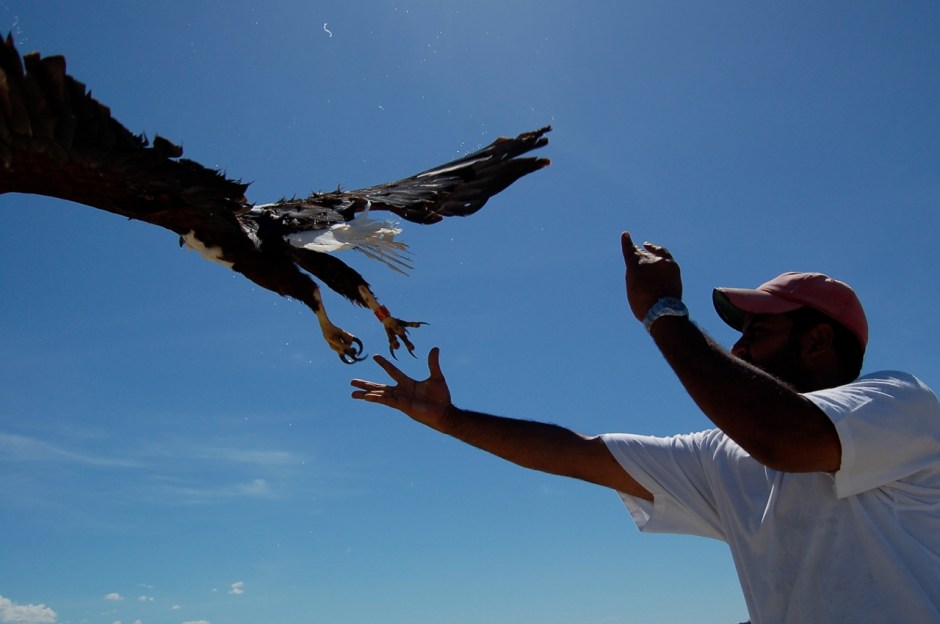
Above: Shiv Kapila releasing African Fish Eagle. Copyright Shiv Kapila

The African fish eagle is one of Africa’s most charismatic raptors. Donned in a copper-coloured mantle with a clear white collar, its very presence commends respect. Its loud and distinctive call is unmistakable – once heard, always remembered – the call of Africa. Its hunting prowess is legendary – it can spot a fish from the highest tree and swoop with talons outstretched to scoop it out of the water. Many a wildlife film has been shot on this powerful hunt.

Continue reading “Why African Fish Eagle is under threat of extinction”

The Giraffe …Going, going… Can we save the Maasai giraffes of Maanzoni from ‘Gone’

By Rupi Mangat

Published: Daily Nation Kenya 27 January 2019

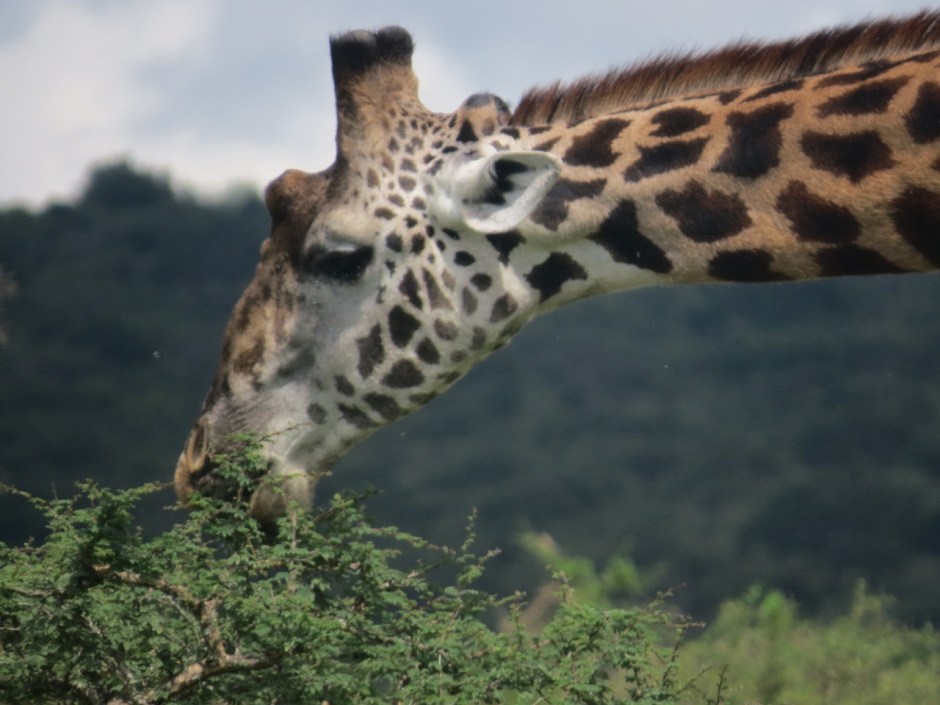
Above: Maasai giraffe browsing in Maanzoni

In Ancient Egypt’s royal tomb of the famous  pharaoh, Tutankhamun are images of giraffes  nibbling leaves while he sits in state some 3000 years ago.  Giraffes and elephants including the rare okapi lived in the midst of the Egyptians until the forests were plundered to build boats and pyramids for the pharaohs, which heralded in the Saharan Sands.

Giraffes have globe trotted the earth since the Miocene era 23 million years ago when their range included Europe and Asia.

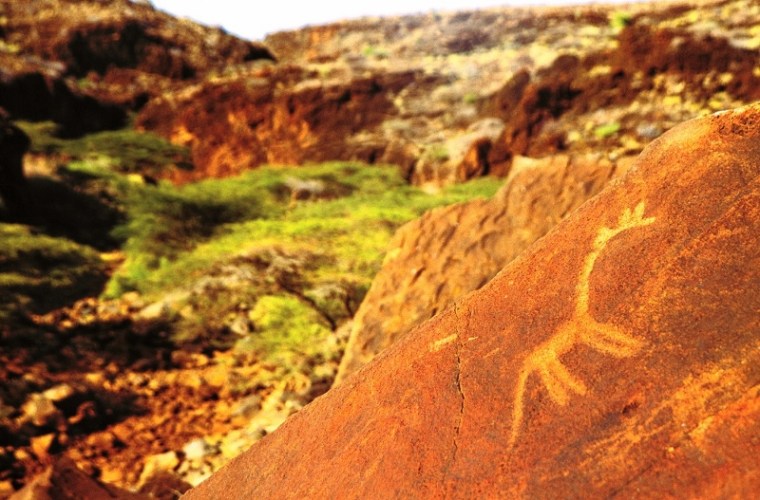
Engraving of giraffe in Afgaba gorge northern Kenya made around a thousand years ago by hunter gatherers who might have been Batwa.. Copyright David Coulson of Trust for African Rock Art TARA (800x527)
Engraving of giraffe in Afgaba gorge northern Kenya made around a thousand years ago by hunter gatherers who might have been Batwa.. Copyright David Coulson of Trust for African Rock Art TARA

“Giraffes appear more frequently than most other animals on rock art,” states David Coulson of the Trust for Africa Rock Art (TARA) that is a digital repository of Africa’s most important prehistoric rock art. “It is the earliest  artistic expressions of humankind, a window on how our ancestors related and interacted with nature and the natural world,” continues Coulson.

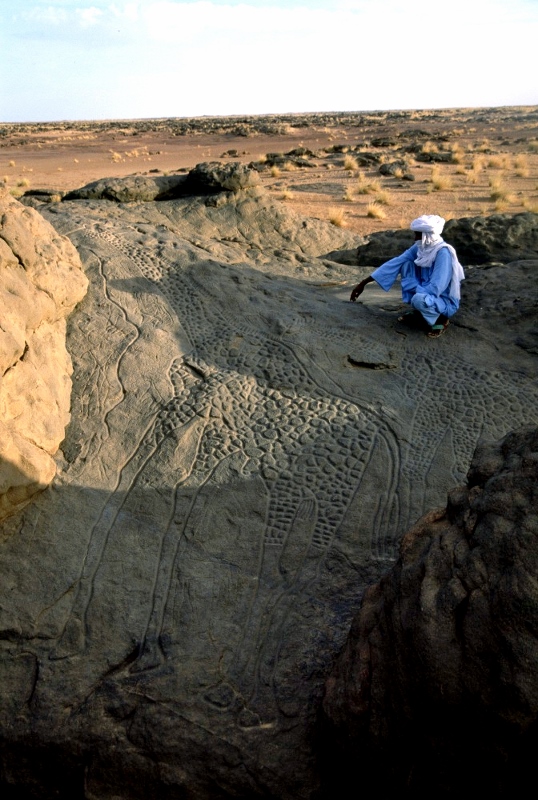
A Tuareg man by a 6,000 year life size engraving of giraffes in Niger. Copyright David Coulson of Trust for African Rock Art TARA (538x800)
A Tuareg man by a 6,000 year life size engraving of giraffes in Niger. Copyright David Coulson of Trust for African Rock Art TARA

Continue reading “The Giraffe …Going, going… Can we save the Maasai giraffes of Maanzoni from ‘Gone’”

Mcmillan Memorial Library in Nairobi

Published: The East African Nation 3 May 2010

It was curiosity that led me to Mcmillan Memorial library, an iconic building of the 1930s in the midst of Nairobi’s central business district. The curiosity was fuelled by a visit to Mcmillan’s castle in Thika which lay in disrepair and devoid of any belongings or artifact belonging to the Mcmillans’ who were part of Kenya’s colonial history. Researching on this notorious character who was lar

ger than life – literally – seven feet tall with a girth that needed a five-foot belt to go around, the library was built in his memory by his wife. Mcmillan Memorial library is still an impressive building housing priceless first edition books and works of art, many which may be lost. l was looking for the clothbound book by Richard Minsky, a critically acclaimed American artist whose work sells for thousands of dollars. After an extensive search, the book with a price tag of US$ 2,700 today, seems to have disappeared off the shelves.

Mcmillan Memorial library

mcmillan
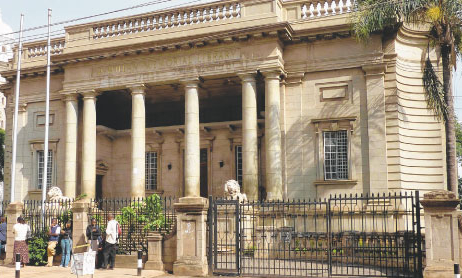
Mcmillan Library, Nairobi.

It was the axis around which modern Nairobi evolved – with the law courts directly in front of it, and other important buildings coming around it like the Bank of Baroda, the New Stanley hotel (now The Stanley), the railway headquarters and station, the Royal College of East Africa (today’s University of Nairobi) and the Parliament building.

Continue reading “Mcmillan Memorial Library in Nairobi”

Springing on Ondiri Swamp, Kenya’s unique bog

Above: Standing on the quacking bog, it’s as deep as the pole. Copyright Rupi Mangat

Published: Saturday Nation magazine 18 January 2020

The wind is a constant in Kikuyu town on the outskirts of Nairobi. Standing on the periphery of the urban jungle that came about in the early 1900s because of the Uganda railway, we’re looking at a green glade of grasses ruffled by the breeze.

“Ondiri comes from ‘old lake’,” explains Naftali Mungai who is the patron of Friends of Ondiri Wetland Kenya (FOWK). “When the white people came here a century ago, they called it the old lake. The local Kikuyu could not pronounce old lake so it became Ondiri.”

Picnic by Ondiri Swamp. Copyright Rupi Mangat (800x800)
Picnic by Ondiri Swamp. Copyright Rupi Mangat

Continue reading “Springing on Ondiri Swamp, Kenya’s unique bog”

Barefoot on the Beach in Malindi, Kenya

Above: Barefoot Beach Camp dining by the beach at Ungwana Bay near Malindi Copyright Rupi Mangat

Published: Saturday Magazine, Nation media 11 January 2020

The sand dunes stretch along the ocean and l’m barefoot on the beach. It’s the ethos of being at the Barefoot Beach Camp, an unpretentious little camp tucked away in a secluded bay 20 kilometres north of Malindi.

Sand dunes by Barefoot Beach camp near Malindi Copyright Rupi Mangat (800x600)
Sand dunes by Barefoot Beach Camp near Malindi Copyright Rupi Mangat

Continue reading “Barefoot on the Beach in Malindi, Kenya”