2013 Ecotourism Journalist of the Year (Ecotourism Society of Kenya) | Editor, Komba Magazine (Wildlife Clubs of Kenya) | Contributor, The East African and Saturday Magazine (Nation)
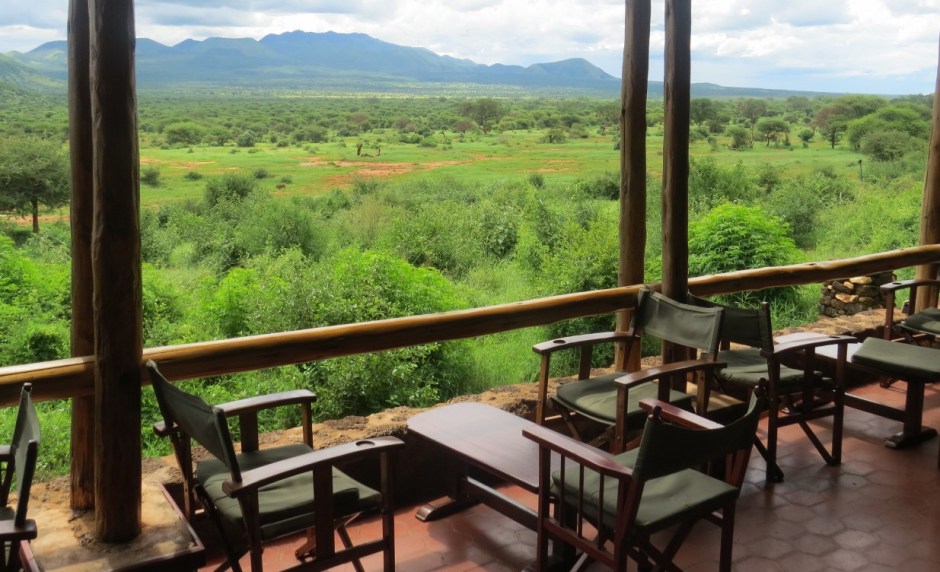
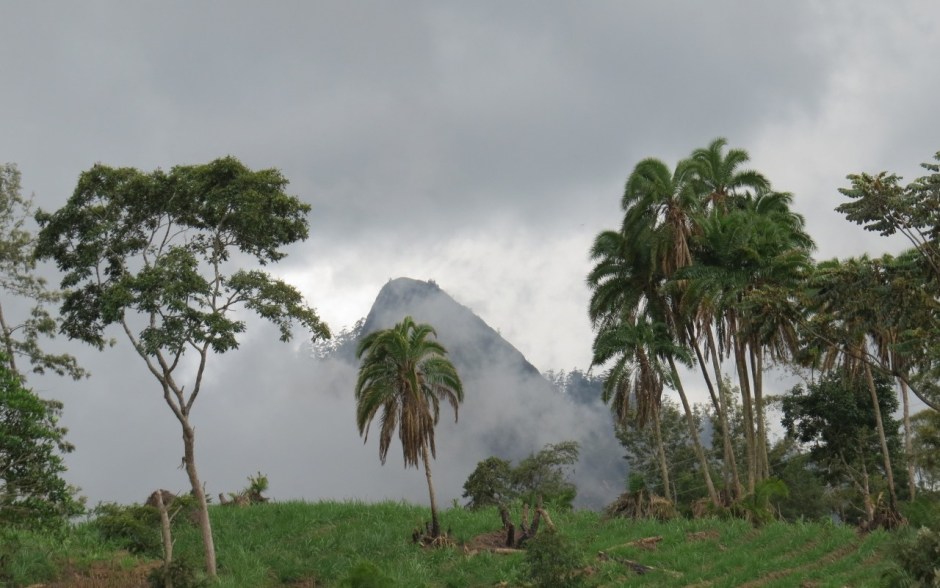
Above: Chyulu Hills from Kilaguni Serena Lodge in Tsavo West Copyright Rupi Mangat
Rediscovered Chyulu Hills Blade-horned Chameleon that hadn’t been seen in nearly 40 years in Chyulu Hills (and considered extinct and found by Spawls in April 2018) Copyright Stephen Spawls
“Look out for chameleons on every tree and bush,” l asked the Kenya Wildlife Service ranger as we drove very carefully through the tall lush grass growing over what is supposed to be the road. Heavy grey clouds sat atop the stately peaks of the Chyulu Hills draped luscious green.
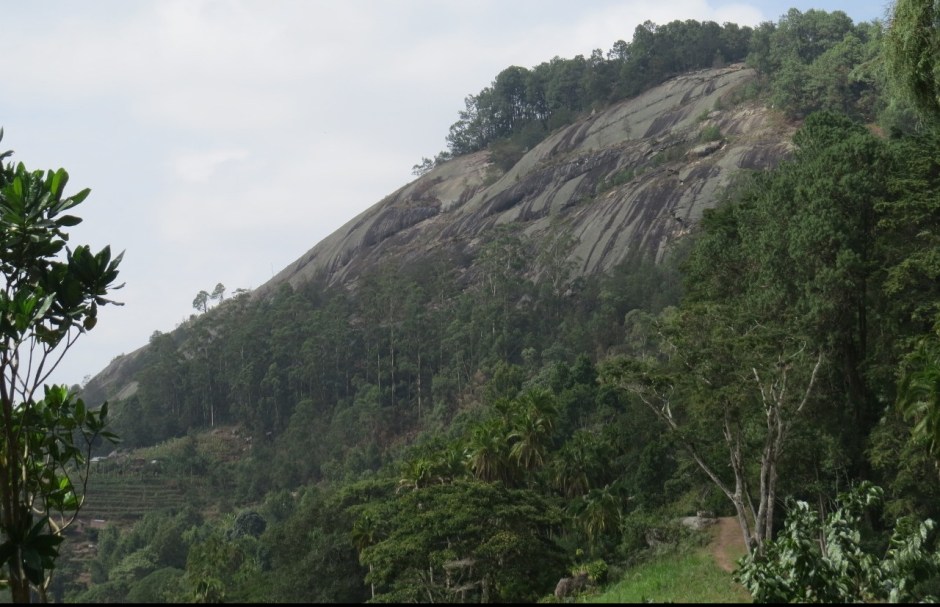
Above: The ancient crystalline rock face of Ngangao some 260 million years old in Taita Hills – during the time of the dinosaurs.
Copyright Rupi Mangat
Published:Saturday magazine, Nation newspaper, 19 May 2018
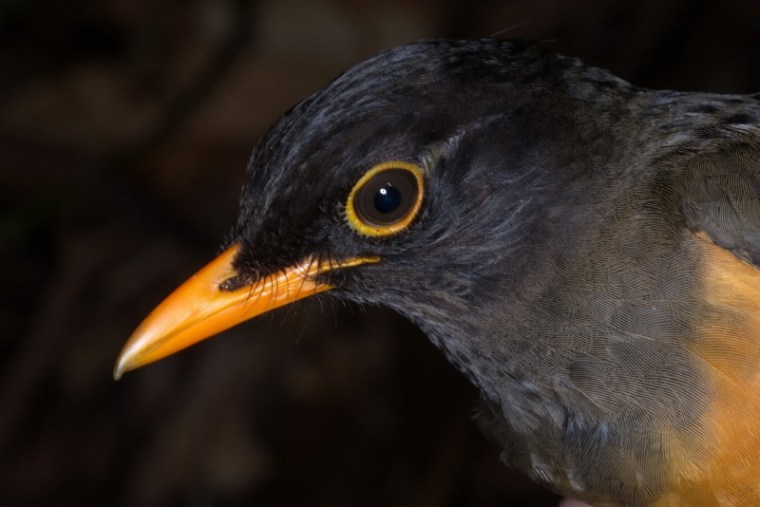
Taita Thrush in neighbouring Yale forest where there are 2 pairs in 2015 – copyright Luca Borghesio
“It’s the nest of Taita thrush,” whispers Handrison Mwameso, the guide from Dawida Biodiversity Conservation group (DABICO). We’re inside Ngangao forest on the high peaks of the magical Taita Hills in southeast Kenya. We’ve walked a few metres from our campsite into the forest entering though a narrow path shaded by a bunch of Phoenix reclinata, a common palm tree here.
Moss and lichens on Vuria in Taita Hills – copyright Rupi Mangat
Wild plants of Vuria in Taita Hills – copyright Rupi Mangat
Wild flowers on Vuria in Taita Hills – copyright Rupi Mangat
The plan is to enjoy the indigenous forest of Vuria. I have no intention of puffing up to the peak which is the highest of the Taita Hills and the highest point at the coast reaching 2,228 metres (7,310 ft). But we lose the group in the forest. Trying to find it, we’re on the peak a few hours later, looking at the plains below. The mission was to search for the legendary skull caves of the Taita people.
Dry weather in November 2017 – Mt Esakut from Olorgesailie – copyright Rupi Mangat 5 May 2018
I’m alone walking between two ancient volcanoes on sands that have weathered the times and bleached white by the relentless sun with volcanic rubble strewn around. Tiny white flowers and petals of yellow on skeletal green stalks that otherwise are so brittle during the dry season carpet the ground.
I’m at Olorgesailie, home of our ancestors, the upright human or Homo erectus who walked out of Africa and into the bigger world a million years ago.
Above: Black rhino and her calf in Nairobi National Park with Nairobi city in the horizon.
Copyright Rupi Mangat
Published Nation Newspaper – Saturday magazine – 21 November 1998
The Nairobi National Park – a rare place where modern skyscrapers brush shoulders with the creatures of the wild
Space, beauty, vast savanna in Nairobi city in the horizon. Copyright Rupi Mangat
The uninterrupted flow of the sky, the wide open space, the grass carpet on the savannah, the unexpected thrill of seeing a wild animal – it’s all so fascinating. So it never fails to amaze me when someone remarks, “We never saw anything at the Nairobi National Park.” How on earth can anyone say that? But l guess for a lot of people the idea of a national park is a place teeming with wild animals where drama is the order of the day, where the glossy brochure lion strides majestically across the plains, where the cheetah sprints at full throttle and where eagles soar in the sky. Fed up with such stories from the array of glossy holiday brochures and coffee table books showcasing the models of the wild, it’s not hard to imagine why so many people expect to find things like they do in a shopping mall – where whatever you want to buy or see is where it always is. We are used to the expected, and so when we visit the national park, the animals must be all there for us! But national parks aren’t zoos – you don’t go from one cage to the next, where neat little signs tell you what animal you are looking at. The national park is about the unexpected – you go there as a guest to experience the grand spectacle of life. And that is what Nairobi National Park is all about. Continue reading “City Breaks”→