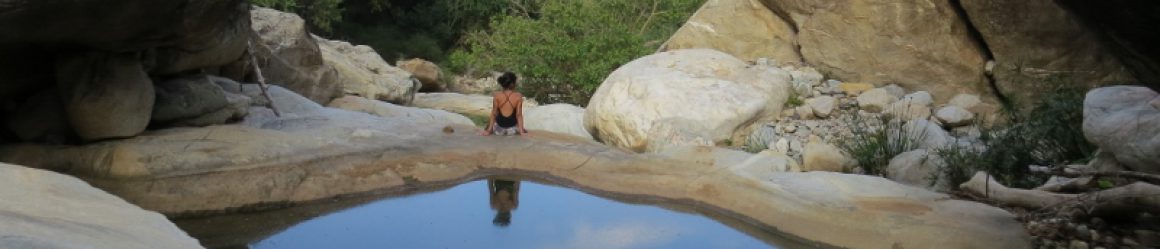

A road trip where history, wildlife and modern East Africa meet at every turn. The journey is unforgettable as the destination itself. By Rupi Mangat
Published: Saturday Nation magazine 6 December 2025
The road from Nairobi to Ngorongoro on either side of the Kenya-Tanzania border has changed rapidly since the millennium. Kitengela, once a dusty road-side village is now a busy town with modern malls like Nairobi. The tarmac road leads us past Il Bisil that boasts a little-known Neolithic site when Homo sapien was beginning to settle around 10,000 years ago and then to the one-stop border at Namanga on the foothills of the Black Mountain or Ol Donyo Orok more popularly called the Namanga Hills. It was on this road I saw my first Greater kudu dash across the murrum road caught in the car light one night in 1974.
The one-stop border is efficient without the long wait of the old days and we’re in Tanzania.
The nyika is dry. It’s October and the land is parched. Mile after mile, it’s the thorn trees and scrub with only the green on Mount Longido breaking the monotone of earth and a solitary young Maasai giraffe.
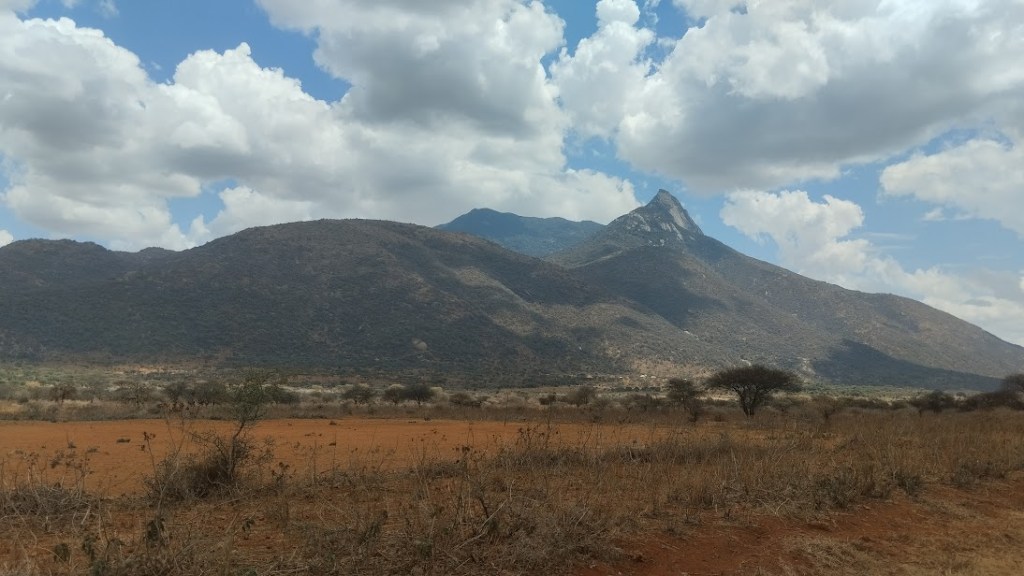
The perfect dome of Mt. Meru shows that we’re near Arusha, the midway town between Cape and Cairo. Every streetlight is festooned with Mama Samia peering out of her glasses, lest anyone forgets to vote for her. Even the seven-decade old town clock is draped with her and her running mate’s pictures.
Arusha is quaint. It’s growing and filling up with high-rise buildings shadowing the Boma, the military fort built by the German forces that took over the city in 1896 from the Waarusha who had settled here from the 1830s after migrating from the Pare Mountains that are part of the biodiverse Eastern Arc chain of mountains that include the Usambara.
After WW1, the Brits threw out the Germans and Arusha became a busy hub with the railway reaching it in 1929. Started by the Germans the main line between Tanga on the Indian Ocean to Moshi on the slopes of Kilimanjaro was built between 1891 and 1911.
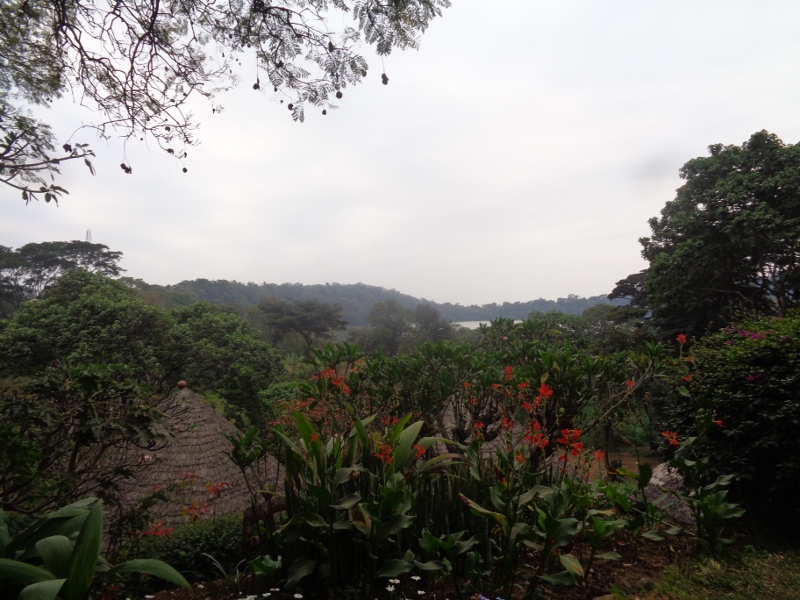
Lilac blooms fill the city’s blue sky with the jacaranda trees lining the roads. We enjoy a Greek lunch al-fresco before checking in at Greenside Hotel, our abode for the night. It’s charming by the hill, modern and in the heart of the city.
The afternoon is ours to explore the city’s sights. Our sights are set on driving to Mount Meru but a roadside sign points to Kilimanjaro Golf Club. With a golfer in the car, a small diversion to see this golf club is not asking for too much.
The dusty road leads us deeper into the African wilderness. It’s a beautiful drive with some of the fattest and tallest trees I’ve ever seen but the golf club is nowhere in sight – and the dust road is the only one leading to it.
Two hours later the golf club appears with the askaris at the gate vigilant of new entries.
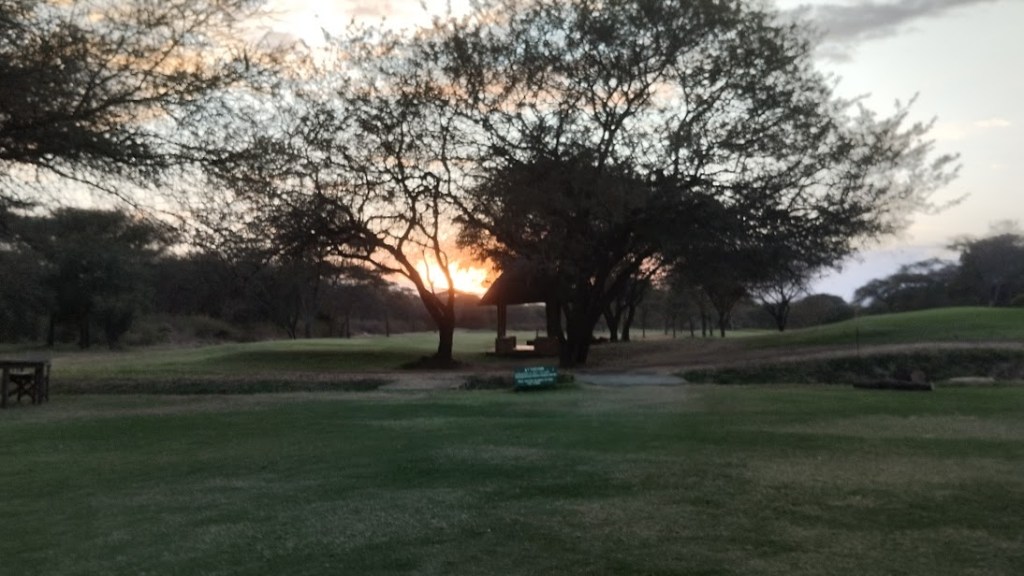
And the golf club takes our breath away. Set in the midst of untamed bush, the greens and fairways look like out of a fairytale. Gazelles graze on the lush grass – where else but only in Africa?
The golf club is picturesque – a commanding stone building and at a tee, two mountains appear – Kilimanjaro and Meru. With the sun setting in golden tones, it’s a magical moment.
Next stop is Karatu, 140 kms away. The road gradually climbs up the escarpment with Lake Manyara lying tranquil in the depths of the valley. The soda lake’s a birder’s paradise and famous for its tree climbing lions to escape the nasty bites of the tsetse flies.
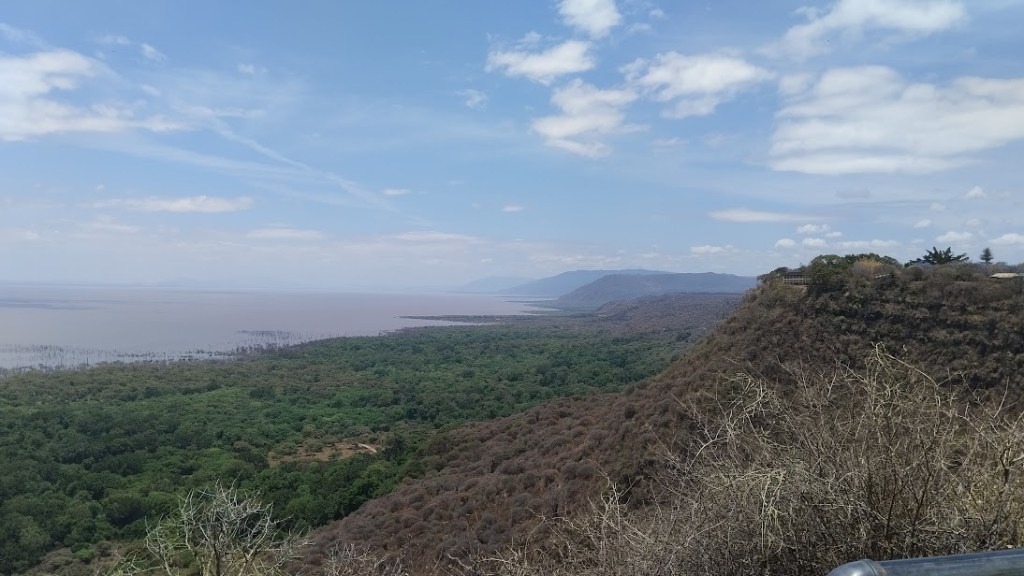
Around Mto wa Mbu or the river of mosquitos, the farmers are in the paddies collecting one of the world’s oldest domesticated foods from 10,000 years ago – rice.
A short drive away and we’re in Karatu that’s a rich agricultural hub with large coffee farms. Two decades ago, there wasn’t a single multi-storey building in town. Now modern hotels and shops line the one-street town. We check in at Lilac Hideaway – a real hideaway for few townsfolk know it. The famous crater’s rim is visible and the valley between has its pet project, the Black Rhino school boasting international standards.

The boutique hideaway is a cluster of 5 villas perfectly structured with coffee bushes planted in-between built by the students of its technical school. We’re treated to gourmet meals in our ‘private’ lodge for it can only accommodate us.
The afternoon drive leads us to the sign on the road to the elephant caves. These are the forest elephants that tunnel through the hills for salt as they do on Mount Elgon straddling Kenya and Uganda. It’s too late to hike up but it’s on the to-do list as is trying to meet the Iraqw people who have their origins in Ethiopia and the Hadzabe, one of the last group of hunter-gatherers on earth.
Next stop: Ngorongoro Crater
For safaris in East Africa, write to Rupi Mangat of Moonlion Safaris. Email: rupi.mangat@yahoo.com
 Moonlion Safaris