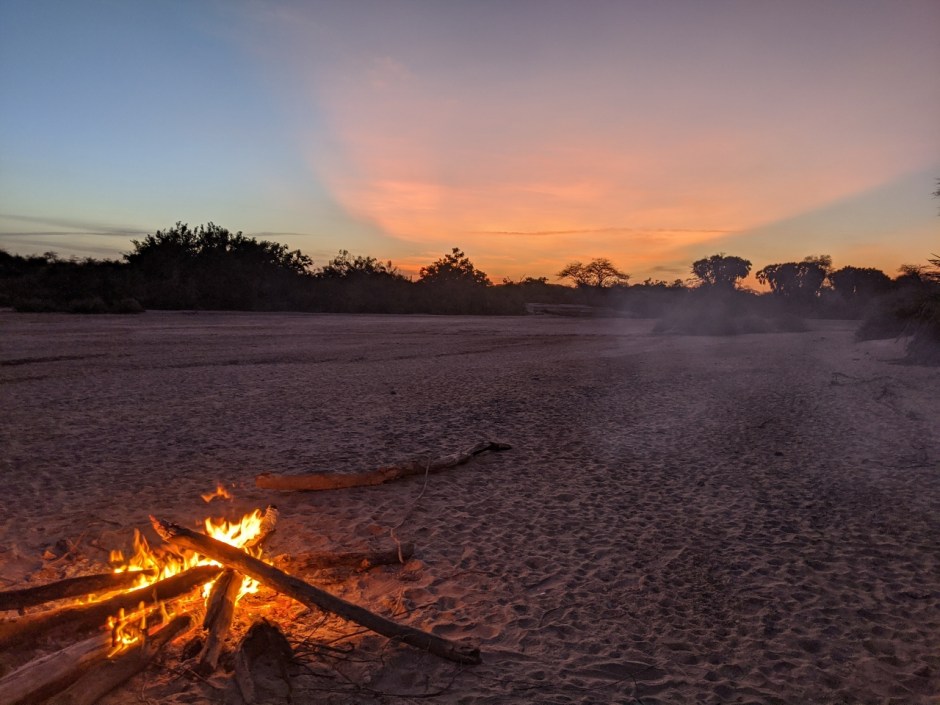
Above: Campfire at Melako community conservancy – Marsabit county. courtesy NRT
Published: The East African Nation media 16-22 May 2020
After COVID-19, escape to Kenya’s northern-scape or even now if you’re not in Nairobi or Mombasa during
By Rupi Mangat
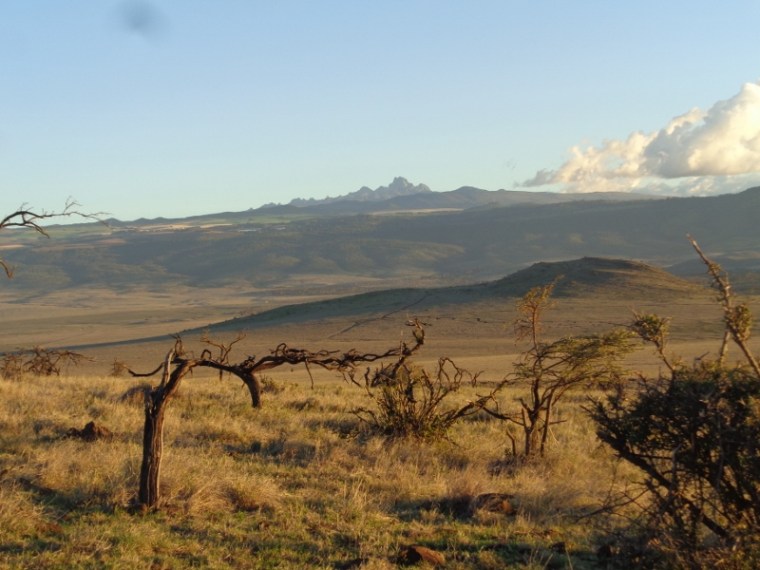
It is from the shoulder of god’s mountain that you get that first unforgettable view of the land below that stretches into infinity. It’s the plains and peaks of the northern frontiers of Kenya that is so alive with peoples, wildlife and cultures unique to this part of the world, adapted to the searing sun and resilient flora.
Until 20 years ago most of it was unknown to the outside world until the success of Lewa Conservancy that became one of the first black rhino sanctuaries during the infamous poaching era that saw the country’s rhino numbers crash from 20,000 black rhino in the 1970s to fewer than 300 by the 1980s.
5,000 acres were set aside for Ngare Sergoi Rhino Sanctuary in Lewa on request of the late Anna Mertz, your everyday woman who had to do something to save one of the world’s last mega-herbivore from extinction. Under the watch of committed wildlife rangers and Lewa’s Craig family the sanctuary had by 1988, 16 rhino including new births demanding that the sanctuary size be increased to 10,000 acres.
With the surreal landscape boasting the snow-covered granite peaks of Mount Kenya as a backdrop, visitors started flocking in, raising the demand for space to stay that saw the start of high end exclusive camps to affordable camping.
It became the catalyst for indigenous communities like the Samburu, Rendille, Borana, Maasai, Dorobo and other little-known communities queuing up to have their wildlife-filled ancestral lands turned into wildlife conservancies under the umbrella of the Northern Rangelands Trust (NRT) established in 2004 with 12,000 square kilometres.
In an area that today spans 42,000 square kilometres of 39 community conservancies you are spoilt for choice where to go which means there is no end to travelling up north.
Rufo Robo a local Borana woman and tourism officer at NRT, names a few spots that are still operating during these trying times.
“Ngare-Ndare forest , Reteti Elephant Sanctuary, Sera rhino tracking at Sera community conservancy and the new Melako bandas on the banks of River Merille in Melako community conservancy in Marsabit county are great places to visit now,” she says.
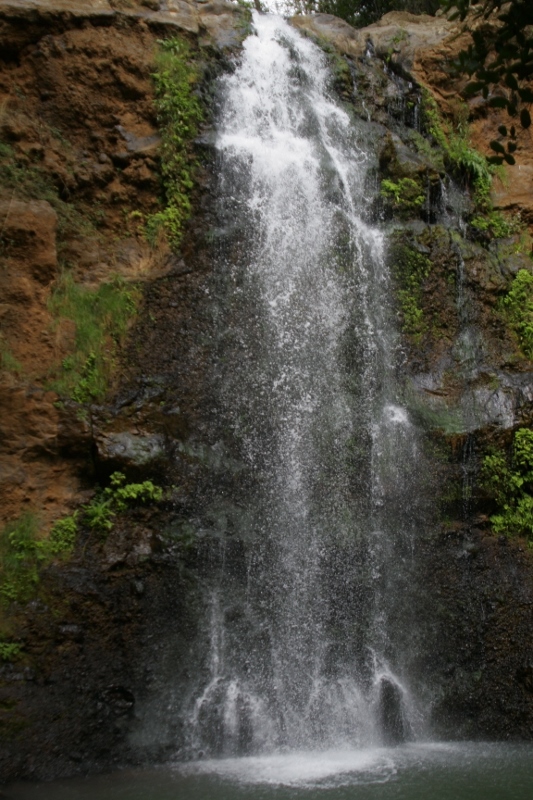
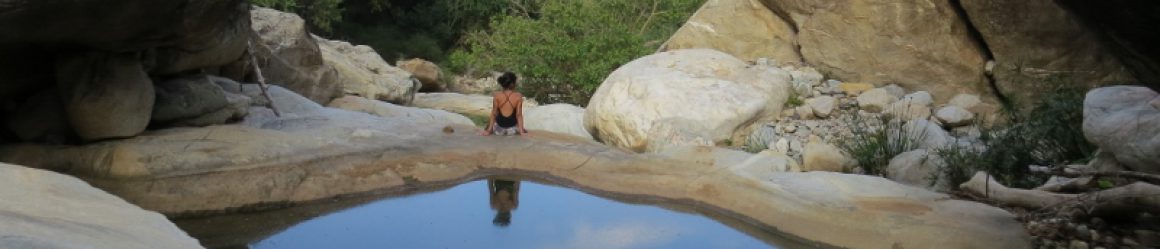
I can vouch for that. In Ngare-Ndare forest l’ve swum in the natural pool where otters build dams below a waterfall and then walked the bridge above the rarely-seen canopy world of the forest.
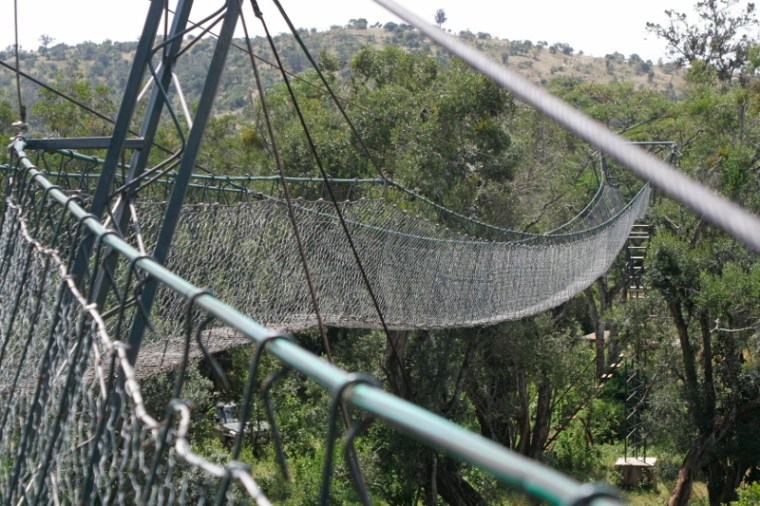
Reteti Elephant Sanctuary
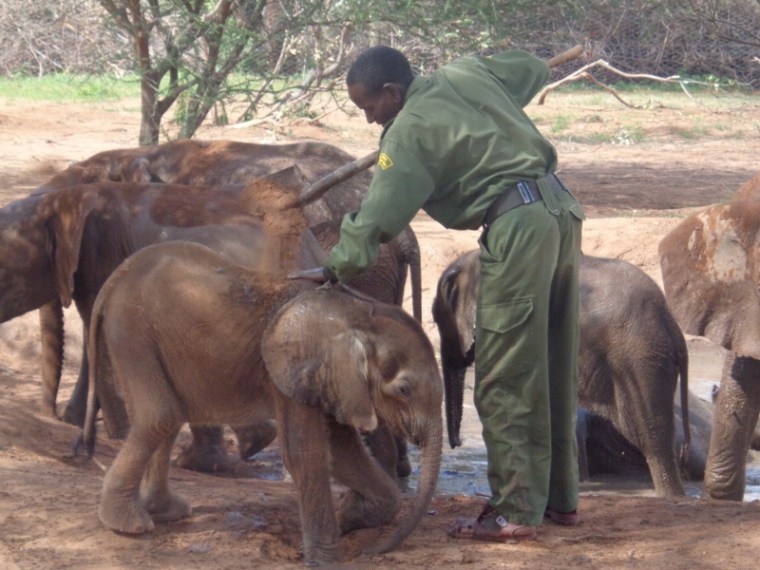
An hour’s drive from Lea through rough roads reachable by only four-wheel drive vehicles to the base of the magnificent Mathews Range is Reteti Elephant Sanctuary for orphaned elephants run by the Samburu community operating Namunyak Conservancy opened in August 2016 with nine elephant orphans and one black rhino calf.
Instead of sending the calves to Sheldrick’s elephant orphanage in Nairobi, the community decided it was better for them to care for their elephants at home including all other elephant orphans north of the Equator.
It’s cool to watch the young charges trooping to the waterhole under the watch of their carers, many of them women. Many have forgotten their traumatic past but some shy away keeping close to their human ‘mothers’ still traumatised from becoming orphaned.
Sera Rhino Conservancy
Further north is the newly-opened Sera conservancy for tracking 16 rhinos in the 540- square-kilometre sanctuary that boasts the big 5 of the northern drylands – the gerenuk, Beisa oryx, Reticulated giraffe, Somali ostrich and Grevy’s zebra besides elephants and buffaloes, the wild cats, reptiles and a rich birdlife.
The one thing you must not miss are the Fifty Wells or ‘Kisima Hamsini’, that are natural water springs where local pastoralists dig up water from the wells to fill up the troughs for their livestock, singing all the while as they continue to reach the depths of the earth for the one essential ingredient to life: water. It’s surreal.
Marsabit Melako Community Conservancy
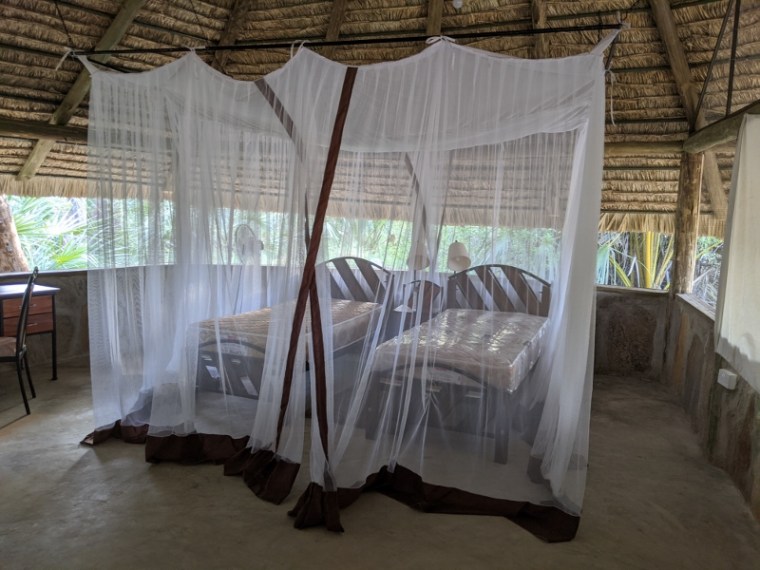
“One of our newest entrée are the Melako bandas on River Merille in Melako community conservancy in Marsabit county great for nature walks, bird watching and cultural immersions,” says Rufo.

I love Marsabit because it’s surrounded by craters and the Chalbi desert with Lake Turkana on the border with Ethiopia. Closer home its’ got Lake Paradise in Marsabit national park that was home to the legendary Ahmed, the elephant under 24/7 presidential guard until his death in 1974 aged 55 under natural causes. Each tusk weighed 67 kilograms. His skeleton and fibre-glass model are at the Nairobi Museum.
“We advise anyone travelling here to have medical insurance, with air evacuation cover, and ensure they carry plenty of drinking water, a first aid kit (with the knowledge of how to use it) containing paracetamol and follow the latest government advice on what to do if they feel unwell at this current time,” says Rufo. It includes no handshaking, keeping your distance of 6 feet, washing your hands with soap and water, and not crowding.
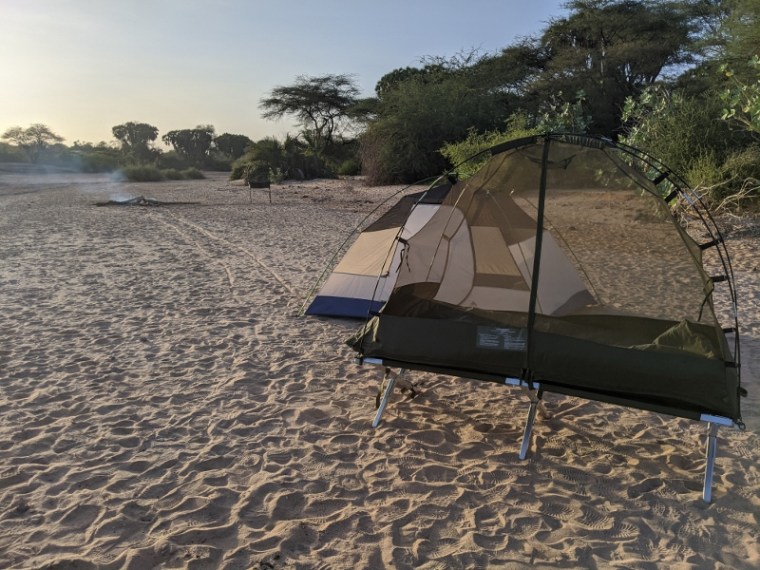
North Kenya is just the place for that.
For any questions log on to the NRT website: https://www.nrt-kenya.org/
- You can opt to stay in self-help bandas or houses that give you more control over your food and seclusion.

 Moonlion Safaris