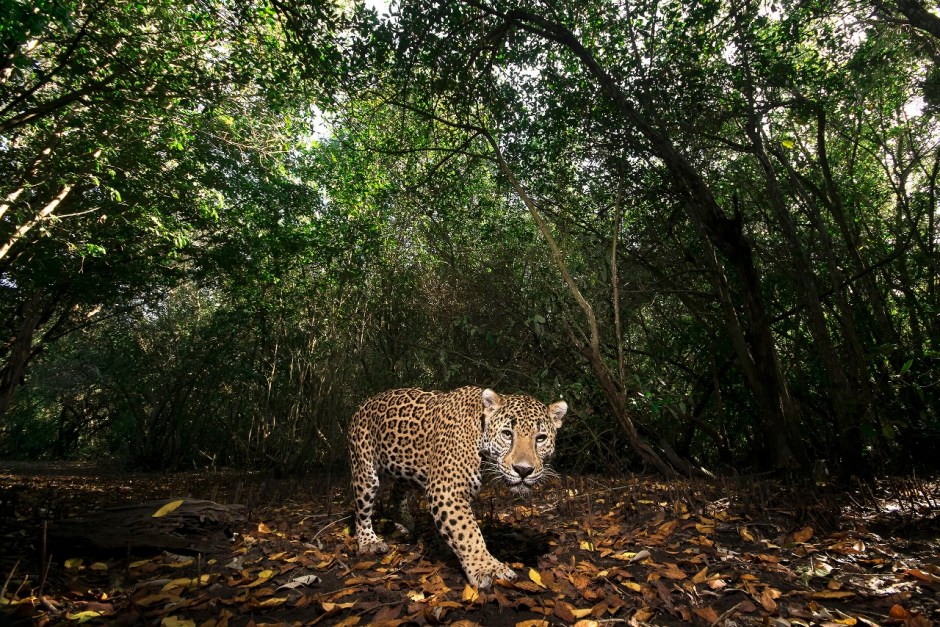
Above: Jaguar, in La Papalo, Mexico by Alejandro Prieto
Published: The East African Nation media 16-22 May 2020
By Rupi Mangat
The New Big 5 is an international initiative to create a New Big 5 (#NewBig5) of wildlife: the Big 5 of photography, not hunting. Shooting with a camera, not a gun. Check out this website and then vote for your five. The results will be announced later in the year. It’s open to all…young and old from any part of the world.
The project is supported by more than a hundred leading photographers, conservationists and wildlife lovers from across the world. It includes people like Dr Jane Goodall who pioneered chimpanzee research at Gombe National Park in Tanzania which brought to light how closely we are related to the great ape; Ami Vitale who shot the iconic image of Sudan the last northern white rhino in his dying days with his carer, ranger James Mwenda at the Ol Pejeta Conservancy in Kenya; and organizations like the Orangutan Foundation, Polar Bears International and Greenpeace.
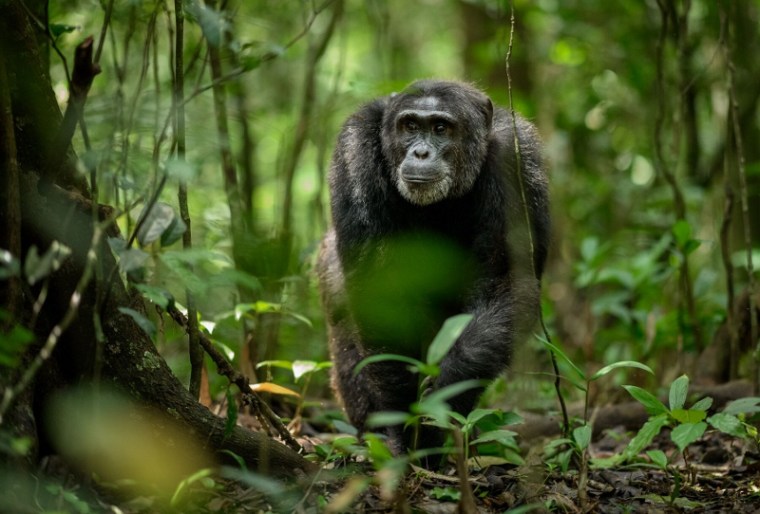
“There are so many incredible animals in our world, all fascinating in different ways. Any project that brings attention to animals, so many of whom are threatened or endangered, is truly important,” remarks Dr Goodall. “I wonder what the final choices will be (of the project)?”
“In 2020’s dark and difficult times, this is an exciting, positive project – a celebration of wildlife and wildlife photography,” states Graeme Green, the British wildlife photographer and journalist and founder of the project. “We want the New Big 5 project to focus attention on the world’s incredible wildlife and the urgent need to act together globally to save these animals, our planet and ourselves. The world’s wildlife is in crisis.
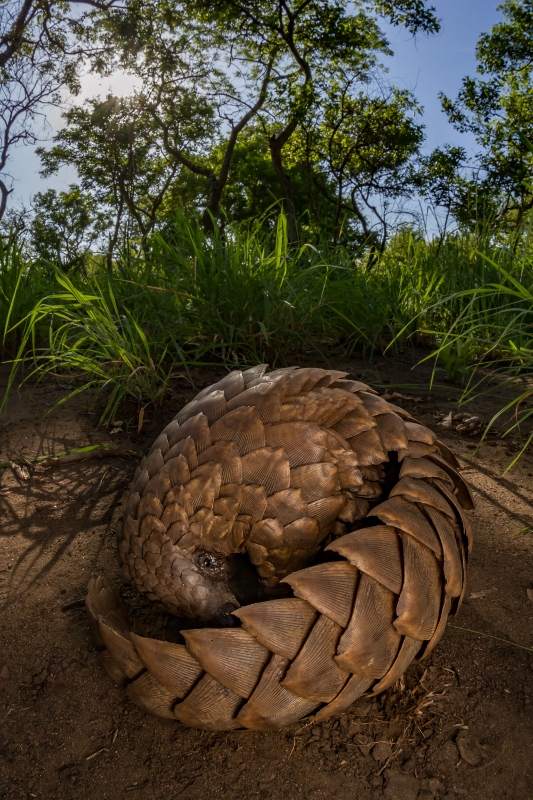
“A lot of people care about wildlife, but many don’t know how urgent the situation is with many species,” states Green. “We want to engage people by using photography to address conservation issues, like habitat loss, pollution, palm oil, poaching, exotic pet trade and others.”
Once the New Big 5 has been selected and announced, Green has many plans to take it further by introducing projects on ocean life, birds and so on.
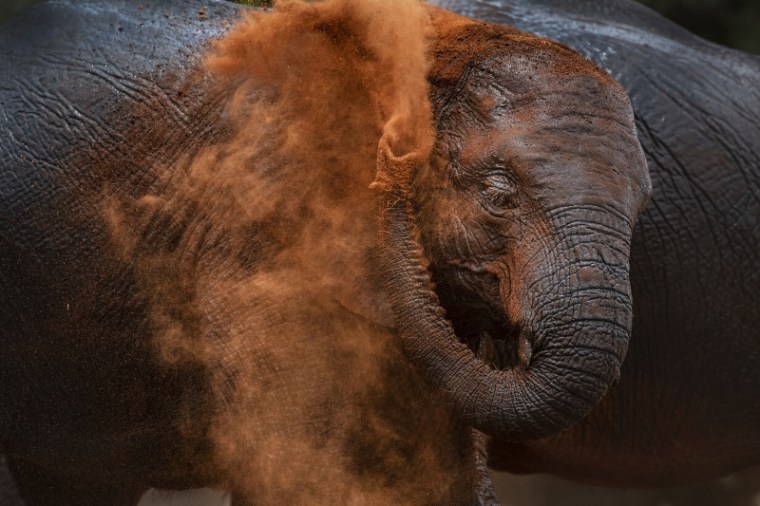
The old big 5 was based on the five toughest animals in Africa for colonial hunters to shoot and kill. The New Big 5 of wildlife photography is based on the world’s most popular animals to photograph and see in photos. It will include animals from all over the world.
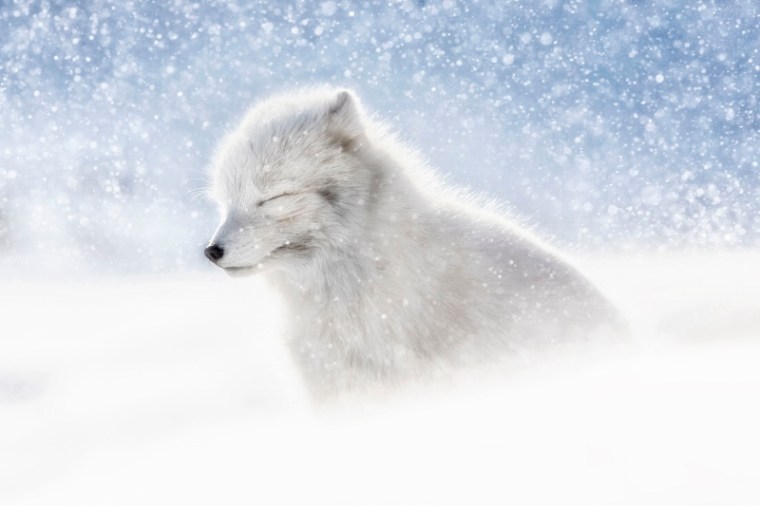
Asked if there’s danger of other land-based wildlife being ignored when the new list comes up, Green replies:
“I don’t think that would happen. We’re not trying to exclude any animals. The idea of the Big 5 of wildlife photography is to celebrate wildlife and wildlife photography, and to get people to think and care about all wildlife. We still want people to care about all wildlife, including all the favourites/icons and also smaller animals, lizards, birds, frogs…
“The New Big 5 will refocus people’s attention and get people talking…. But our message is that all wildlife needs protection, and certainly I don’t think anyone would stop caring about orangutans or tigers or chimps or any other if they don’t make the final list.
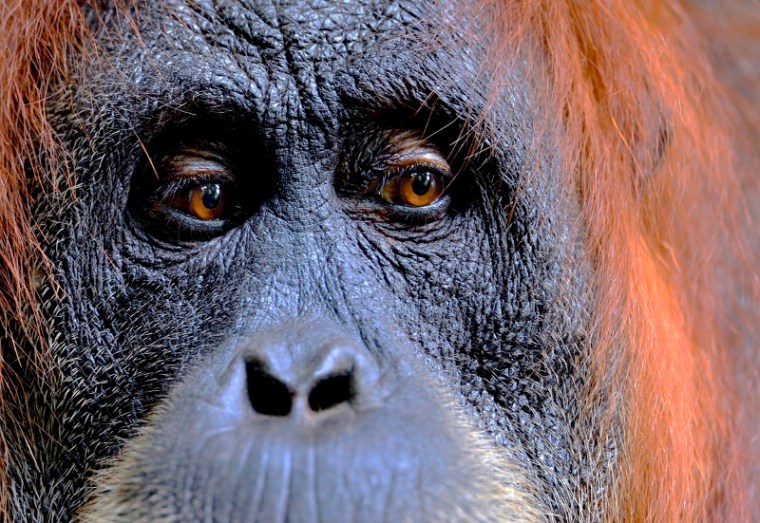
“The next 10 years are critical. More than a million species are currently at risk of extinction, species like elephants, cheetahs, orangutans, lions, tigers, grizzly bears, gorillas, wolves and polar bears to ‘unsung heroes’ and those little-known species, each too valuable to lose.”
 Moonlion Safaris