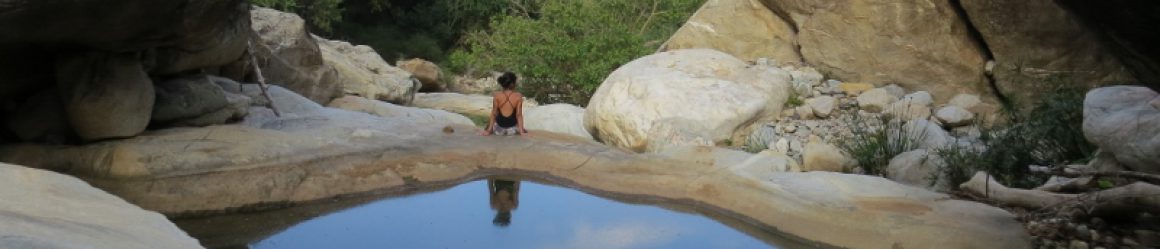

Gorgeous gorges and wide vales
Dr. Elena V. Chelysheva (PhD) is Project Founder and Principal Investigator of Mara-Meru Cheetah Project
Q and A about why we MUST be clear about Cheetahs
Can you explain briefly why we need to save cheetah
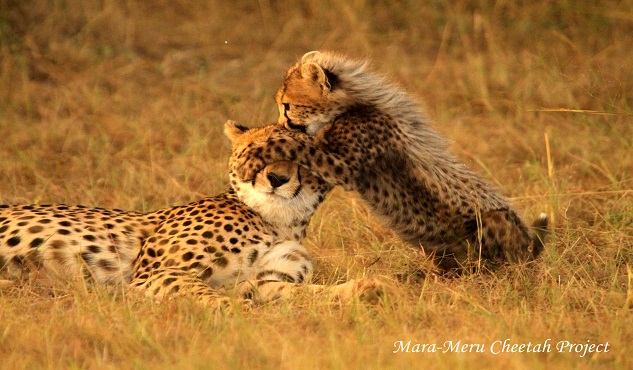
Cheetah as a species survived a genetic bottleneck approximately 12,000 years ago, when only a few thousands individuals were left in the world. Cheetah recovered in numbers, and in the beginning of 20th Century there were around 100,000 animals in Africa and Asia. Growth of human population, its activities and expanding their territories led to the drastically declining of cheetahs in the wild. Today the known cheetah population is only 6,700 (IUCN Red List, 2015) and estimated to be not more than 10,000! Such a rate of declining could lead to the total extinction of the species in the next 50 years. Saving the cheetah for posterity – is protecting its environment by working with local communities, stakeholders and authorities, as well as with international organizations and people.
By Femke Broekhuis, PhD
Project Director
Don’t:
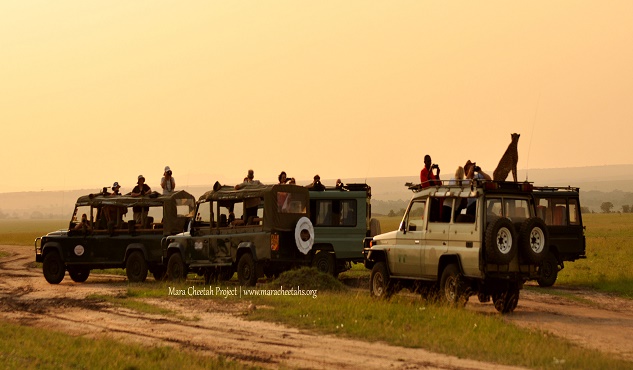
– Come too close to the cheetahs. Even if cheetahs are used to the presence of vehicles they are wild animals and we need to treat them with respect
– Surround a cheetah on a kill. Kills often attract other predators such as lions and spotted hyaenas so make sure that they (cheetahs) can see approaching dangers
– Come between a mother and her cubs as this will stress both the mother and cubs
– Overcrowd at a cheetah sighting. If there are too many vehicles then see if you can return to the sighting later
– Let cheetahs climb on your vehicles! Some cheetahs are known to do so – if you see one of these cheetahs approaching, move away slowly
– Try and get a cheetah’s attention by making unnecessary noise, for example hooting or banging on the car door, or throwing objects at a cheetah
Do:
– Keep at distance of at least 25m
– When a cheetah is hunting keep your distance so that you do not disturb the prey or cheetah. If the cheetah is successful do not immediately rush in to see the cheetah Give the cheetah some time and then slowly and quietly approach the cheetah.
– Keep noise levels down to a minimum to minimize the stress on an individual
The Mara Cheetah Project is working to conserve cheetahs in the Maasai Mara landscape.
To donate or find out more about this project visit www.maracheetahs.org.
BIRD IN DANGER
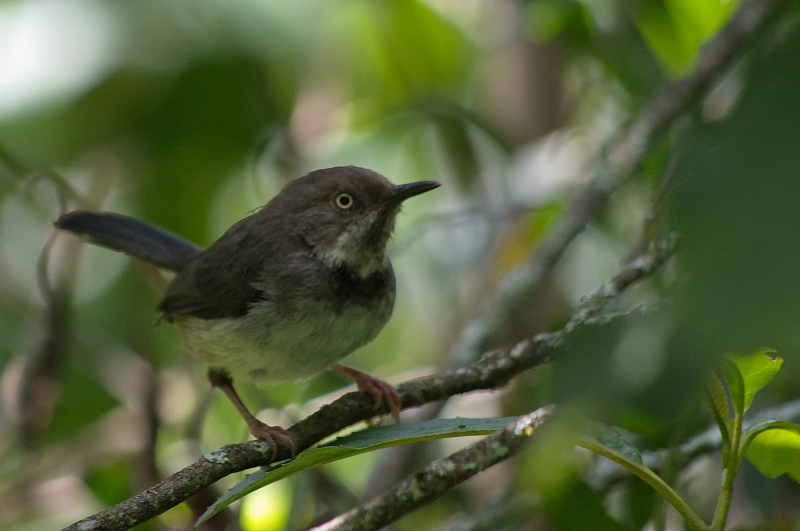
The Taita Apalis is a small songbird found only in Kenya: only in the forests of the Taita Hills.
And it can become Kenya’s first bird to become extinct if nothing is done to save its habitat.
Today fewer than 200 remain. It is therefore CRITICALLY ENDANGERED – threatened with extinction. If nothing is done, Kenya might lose this bird species forever.
What can we do to save the Taita Apalis? Continue reading “Taita Apalis”
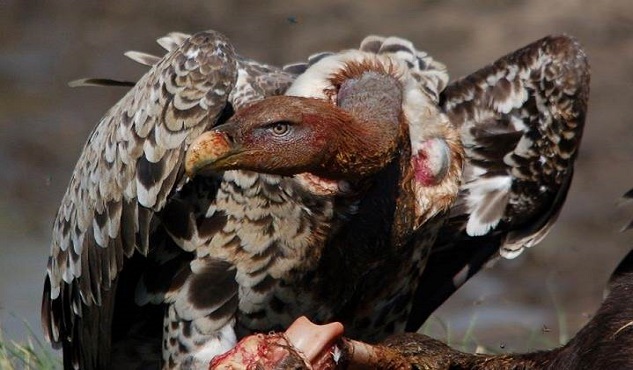
Marathon runners of the sky
Dr Darcy Ogada
Rüppell’s Vultures are the marathon runners of the sky. They soar over huge distances to find their favourite meal of carrion. When they arrive at a carcass, often together with White-backed vultures, they can strip a carcass bare in a matter of minutes. They are such highly-evolved scavengers that no other animal can match their efficient removal of flesh from a carcass. This means that without Rüppell’s and other vultures, carcasses can lie uneaten for days, and there is a much greater chance of the spread of disease.


Over the last 30 years Rüppell’s Vultures have disappeared from the skies of East Africa. Although they can still be seen in most game parks, their numbers have declined dramatically due to poisoning. Poisons are often used by pastoralists to kill predators, such as lions and hyenas that have attacked livestock. Rüppell’s and other vulture species are the unintentional victims of such poisonings because they often arrive first at carcasses and in large numbers.
 Moonlion Safaris